- English
- French
- German
- Portuguese
- Spanish
- Russian
- Japanese
- Korean
- Arabic
- Greek
- German
- Turkish
- Italian
- Danish
- Romanian
- Indonesian
- Czech
- Afrikaans
- Swedish
- Polish
- Basque
- Catalan
- Esperanto
- Hindi
- Lao
- Albanian
- Amharic
- Armenian
- Azerbaijani
- Belarusian
- Bengali
- Bosnian
- Bulgarian
- Cebuano
- Chichewa
- Corsican
- Croatian
- Dutch
- Estonian
- Filipino
- Finnish
- Frisian
- Galician
- Georgian
- Gujarati
- Haitian
- Hausa
- Hawaiian
- Hebrew
- Hmong
- Hungarian
- Icelandic
- Igbo
- Javanese
- Kannada
- Kazakh
- Khmer
- Kurdish
- Kyrgyz
- Latin
- Latvian
- Lithuanian
- Luxembou..
- Macedonian
- Malagasy
- Malay
- Malayalam
- Maltese
- Maori
- Marathi
- Mongolian
- Burmese
- Nepali
- Norwegian
- Pashto
- Persian
- Punjabi
- Serbian
- Sesotho
- Sinhala
- Slovak
- Slovenian
- Somali
- Samoan
- Scots Gaelic
- Shona
- Sindhi
- Sundanese
- Swahili
- Tajik
- Tamil
- Telugu
- Thai
- Ukrainian
- Urdu
- Uzbek
- Vietnamese
- Welsh
- Xhosa
- Yiddish
- Yoruba
- Zulu
Hastelloy B Sheet
Manufacturing Capacity: 300 tons/month
Grade: Hastelloy B (UNS N10001)
Standard: ASTM B443, ASTM B444, JIS, DIN
Size: Thickness: 0.5–50 mm, Width: 100 mm–2500 mm (customized available)
Finish: Hot Rolled, Cold Rolled, Polished
Material Certification: MTC and SGS test reports available
Customized Size and Processing: Supported
Certificate: ISO9001:2008, TÜV, MTC acc EN10204.3.1
Delivery: 5–20 days
Delivery Status: Heat treatment, Annealing treatment
Hastelloy B Sheet – High-Performance Nickel-Molybdenum Alloy for Extreme Chemical Environments
When you work with aggressive reducing acids like hydrochloric or sulfuric acid, equipment failure can halt production and cost you thousands. That's where Hastelloy B Sheet steps in as your reliable partner. This high-performance nickel-molybdenum amalgam is specifically designed to withstand extreme reducing conditions where standard stainless steels essentially can't survive. Not at all like conventional materials that endure from setting and push erosion breaking, the item conveys unmatched toughness in chemical handling units, vacuum heaters, and pharmaceutical generation offices. With its predominant resistance to hydrogen chloride gas and all concentrations of hydrochloric corrosive, this fabric tackles your most basic erosion challenges and expands hardware lifecycle significantly.
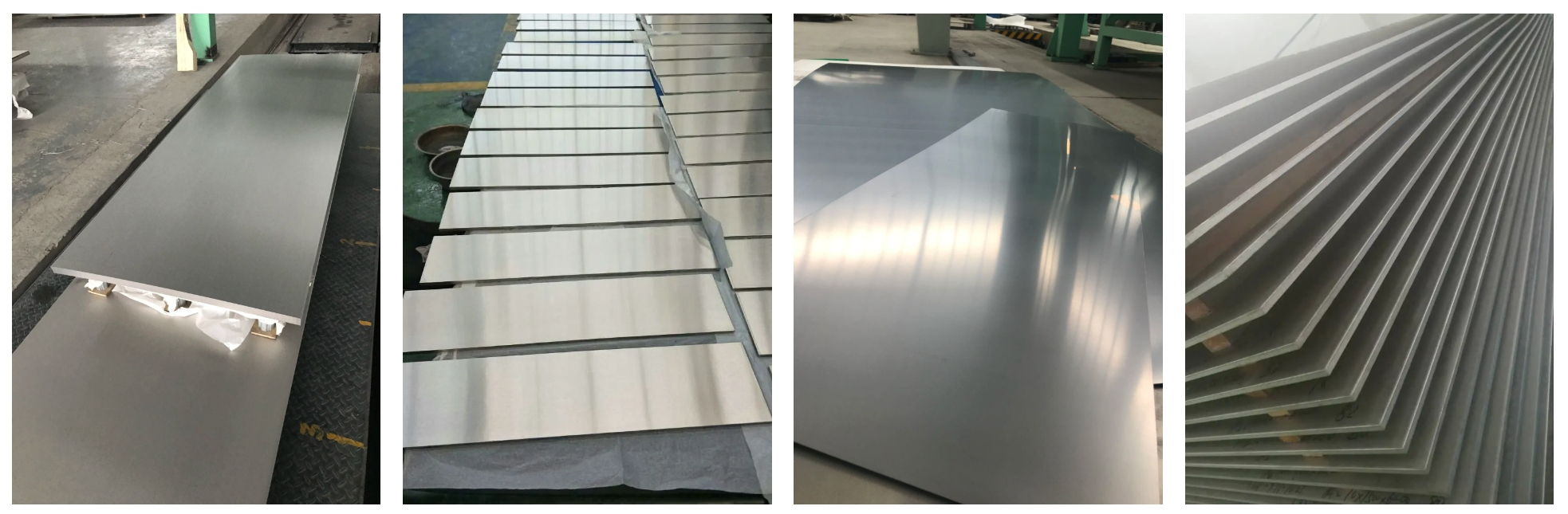
What are the Hastelloy B Sheet?
Hastelloy B is a solid-solution-fortified nickel-molybdenum alloy designed for handling non-oxidizing acids. The sheet shape gives flexibility for developing reactors, channeling frameworks, warm exchangers, and vessel linings. Its tall molybdenum substance (26-30%) makes a defensive obstruction against chloride-induced assault, making it the industry standard for situations where other amalgams come up short rapidly.
Specification
| Parameter | Details |
|---|---|
| Grade | Hastelloy B (UNS N10001) |
| Standard | ASTM B443, ASTM B444, ASTM B575, JIS, DIN |
| Thickness | 0.5–50 mm |
| Width | 100 mm–2500 mm (customized available) |
| Finish | Hot Rolled, Cold Rolled, Polished, Annealed |
| Manufacturing Capacity | 300 tons/month |
| MOQ | 50 kg (some stock available) |
| Delivery Time | 5–20 days |
Physical and Chemical Properties
| Property | Value |
|---|---|
| Density | 9.22 g/cm³ |
| Melting Range | 1330–1380°C |
| Tensile Strength | ≥ 690 MPa |
| Yield Strength | ≥ 345 MPa |
| Elongation | ≥ 40% |
| Hardness | ≤ 230 HB |
| Thermal Conductivity | 10.4 W/m·K (at 100°C) |
The nickel-molybdenum matrix resists pitting, crevice corrosion, and localized attack in pure sulfuric acid, hydrochloric acid, and phosphoric acid environments.
Product Standards
Our Hastelloy B Sheet complies with:
- ASTM B333 / ASME SB333
- ASTM B575
- DIN 17744
- JIS NW 2201
All products come with full traceability documentation including Material Test Certificates (MTC), SGS reports, and compliance with ISO 9001:2008 and AS9100D standards.
Production and Processing Technology
Our production facility combines traditional metallurgy with modern precision engineering:
Vacuum Induction Melting (VIM) – ensures high purity and homogeneity
Hot Rolling & Cold Rolling – achieves precise thickness and surface finish
Solution Annealing – optimizes corrosion resistance and mechanical properties
Precision Cutting & Forming – tailored to your project specifications
Each production stage is monitored to maintain tight tolerances and superior surface quality.
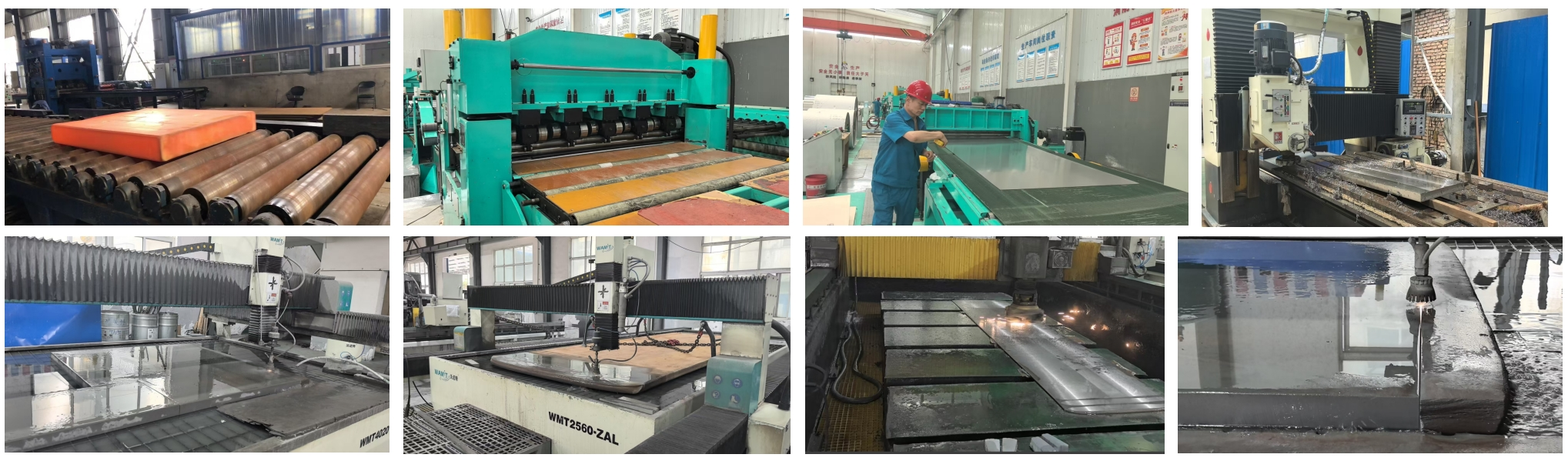
What is the Production Process of Hastelloy B Sheet?
Step 1: High-purity nickel and molybdenum crude materials are dissolved utilizing VIM technology.
Step 2: Ingots are hot-rolled to decrease thickness and refine grain structure.
Step 3: Cold rolling accomplishes last measurements and upgrades surface finish.
Step 4: Arrangement strengthening at 1150°C taken after by water extinguishing reestablishes ductility.
Step 5: Exactness cutting, edge wrapping up, and assessment guarantee dimensional accuracy.
Step 6: Last quality checks, certification, and bundling for secure delivery.
Quality Inspection
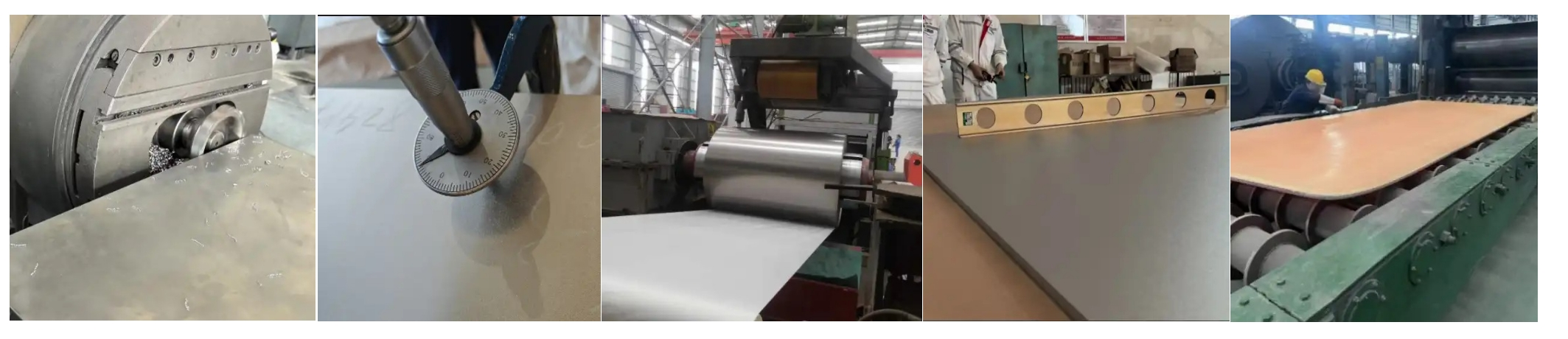
Every sheet undergoes rigorous testing:
Ultrasonic Testing (UT) – detects internal flaws
Eddy Current Testing – identifies surface cracks
Corrosion Testing – validates acid resistance performance
Dimensional Inspection – ensures compliance with tolerances
Chemical Composition Analysis – confirms alloy grade accuracy
We provide full traceability for Hastelloy B Sheet with MTC, ITP, and QAC documentation.
What are the Features of Hastelloy B Sheet?
✔ Exceptional Resistance to Hydrochloric Corrosive – handles all concentrations and temperatures
✔ Tall Molybdenum Substance – anticipates chloride-induced stretch erosion cracking
✔ Warm Soundness – keeps up ductility in heat-affected zones amid welding
✔ Diminished Hardware Downtime – long-term execution in forceful decreasing environments
✔ Amazing Fabricability – can be welded, shaped, and machined with appropriate techniques
Note: This combination is for diminishing situations as it were. It needs chromium, so avoid utilizing it with oxidizing acids like nitric acid or ferric/cupric salts.
Application
The item is your go-to fabric in requesting mechanical scenarios:
1. Chemical Handling Units
Ideal for reactors, channeling, and warm exchangers dealing with hydrogen chloride, ethylbenzene alkylation, and acidic corrosive production.
2. Vacuum Furnaces
Used for inner basic components where carbon steels would endure embrittlement beneath high-temperature reducing atmospheres.
3. Pharmaceutical Production
Perfect for tanks and vessels exposed to forceful acidic catalysts amid API synthesis—ensuring zero contamination and expanded gear life.
4. Petrochemical Industry
Supports refining forms including sulfuric corrosive and other non-oxidizing media.
Why Choose TSM Technology?
🔹 14+ Years of Global Experience – serving clients in 70+ countries
🔹 50,000㎡ Modern Factory – with over 100 precision machines
🔹 AS9100D Certified – aerospace-grade quality assurance
🔹 Full Process Capability – from melting to final machining
🔹 Fast Delivery – 5-20 days turnaround with stock availability
🔹 Customer-Centric Support – technical consultation and reliable after-sales service
We don't just supply materials—we provide corrosion-resistant solutions tailored to your operational challenges.

Package and Shipping
Standard bundling incorporates moisture-proof paper, wooden cases, and steel strapping to avoid harm during travel. We orchestrate ocean cargo, discuss cargo, or express conveyance based on your criticality. Our Hong Kong coordination center guarantees smooth traditions clearance and prompt conveyance worldwide.

FAQ
Q1: How does the item vary from Hastelloy B-3?
A: B-3 offers progressed warm steadiness and simpler creation, whereas the B sheet is the bequest review still profoundly successful for particular bequest framework replacements.
Q2: Can the item be utilized with ferric or cupric salts?
A: No. Oxidizing salts can cause fast disappointment due to the need of chromium. Utilize as it were in decreasing environments.
Q3: What welding filler ought to I use?
A: ERNiMo-2 or ERNiMo-7 filler metals are suggested to keep up erosion resistance in weld joints.
Q4: Does it require post-weld warm treatment (PWHT)?
A: For the most part utilized as-welded, but for most extreme erosion resistance, arrangement strengthening at 1150°C followed by water extinguishing may be advised.
Q5: Is it safe to stretch erosion splitting (SCC)?
A: Yes. Its nickel-rich framework makes it for all intents and purposes safe to chloride-induced SCC compared to austenitic stainless steels.
Q6: What is your least arrange quantity?
A: Our MOQ is 50 kg, and we keep a few standard sizes in stock for speedier conveyance.
Contact Us
Ready to upgrade your equipment with corrosion-resistant excellence?
Email: info@tsmnialloy.com
Let's discuss how Hastelloy B Sheet can extend your equipment's service life and reduce downtime.
Online Message
Learn about our latest products and discounts through SMS or email
Learn about our latest products and discounts through SMS or email