- English
- French
- German
- Portuguese
- Spanish
- Russian
- Japanese
- Korean
- Arabic
- Greek
- German
- Turkish
- Italian
- Danish
- Romanian
- Indonesian
- Czech
- Afrikaans
- Swedish
- Polish
- Basque
- Catalan
- Esperanto
- Hindi
- Lao
- Albanian
- Amharic
- Armenian
- Azerbaijani
- Belarusian
- Bengali
- Bosnian
- Bulgarian
- Cebuano
- Chichewa
- Corsican
- Croatian
- Dutch
- Estonian
- Filipino
- Finnish
- Frisian
- Galician
- Georgian
- Gujarati
- Haitian
- Hausa
- Hawaiian
- Hebrew
- Hmong
- Hungarian
- Icelandic
- Igbo
- Javanese
- Kannada
- Kazakh
- Khmer
- Kurdish
- Kyrgyz
- Latin
- Latvian
- Lithuanian
- Luxembou..
- Macedonian
- Malagasy
- Malay
- Malayalam
- Maltese
- Maori
- Marathi
- Mongolian
- Burmese
- Nepali
- Norwegian
- Pashto
- Persian
- Punjabi
- Serbian
- Sesotho
- Sinhala
- Slovak
- Slovenian
- Somali
- Samoan
- Scots Gaelic
- Shona
- Sindhi
- Sundanese
- Swahili
- Tajik
- Tamil
- Telugu
- Thai
- Ukrainian
- Urdu
- Uzbek
- Vietnamese
- Welsh
- Xhosa
- Yiddish
- Yoruba
- Zulu
Alloy 625 Forgings
Grade: Inconel 625 (UNS N06625)
Standard: ASTM B564, ASTM B446, JIS, DIN
Size: Custom sizes available
Finish: Polished, Annealed
Material Certification: MTC and SGS test reports available
Customized Size and Processing: Supported
Certificate: ISO9001:2008, TÜV, MTC acc EN10204.3.1
Delivery:20-45 days
Alloy 625 Forgings – High-Performance Nickel Superalloy Components
When your operations confront extraordinary temperatures, destructive chemicals, or high-pressure situations, you require materials that won't let you down. Alloy 625 forgings convey precisely that—superior quality, uncommon erosion resistance, and exceptional strength. Made from nickel-chromium-molybdenum-niobium superalloy (UNS N06625), these forgings experience controlled warm and mechanical distortion to make components with refined grain structures. Not at all like castings, items dispense with porosity and isolation issues, giving you directional grain arrangement that altogether boosts weariness life and affect durability. Whether you're engaging chloride-induced push erosion breaking or overseeing high-temperature oxidation in aviation frameworks, these forgings give the basic astuteness your mission-critical applications demand. At TSM Technology, we not only supply high-quality Alloy 625 forgings, but also provide free MTC (Mill Test Certificate) for full traceability and quality assurance. In addition, we offer one-stop value-added services, including precision machining, polishing, bending, and custom processing, helping you reduce procurement costs and streamline your supply chain.

What Are Alloy 625 Forgings?
These are high-performance components made from Inconel 625 superalloy through accuracy fashioning forms. The fabric combines nickel, chromium, molybdenum, and niobium to make a interesting combination that stands up to extraordinary conditions. Amid manufacturing, the metal is warmed and mechanically molded beneath weight, which refines the inner structure and improves mechanical properties distant past what casting or machining alone can achieve. The manufacturing prepare makes a fashioned structure that kills the dendritic characteristics found in cast ingots. This comes about in components that can withstand setting in stagnant seawater, stand up to push erosion breaking from chlorides, and keep up quality at temperatures surpassing 1800°F.

Specification
| Parameter | Details |
|---|---|
| Grade | Inconel 625 (UNS N06625) |
| Standard | ASTM B564, ASTM B446, JIS, DIN |
| Manufacturing Capacity | 150 tons/month |
| Size Range | Custom sizes available |
| Finish Options | Polished, Annealed, Forged |
| Delivery Time | 5–20 days |
| Minimum Forging Ratio | 3:1 or 4:1 |
Inconel 625 chemical composition and mechanical properties
|
Chemical Composition |
% |
Ni |
Cr |
Fe |
Mo |
Nb |
C |
Mn |
Si |
S |
P |
AL |
Ti |
B |
|||
|
min |
margin |
20 |
|
8.0 |
3.15 |
|
|
|
|
|
|
|
|
||||
|
max |
margin |
23 |
5 |
10 |
4.15 |
0.1 |
0.5 |
0.5 |
0.015 |
0.015 |
0.4 |
0.4 |
0.006 |
||||
|
Physical Characteristics |
Density |
8.4g/cm³ |
|||||||||||||||
|
Melting point |
1290-1350℃ |
||||||||||||||||
|
Minimum mechanical properties of alloys at room temperature |
Typical mechanical properties |
Tensile strength Rm N/mm² |
Yield strength RP0.2 N/mm² |
Elongation A5% |
Brinell hardness HB |
||||||||||||
|
Solution treatment |
830 |
414 |
30 |
≤290 |
|||||||||||||
Product Standards
Our forgings comply with worldwide quality and fabric standards:
- ASTM B564 – Nickel amalgam forgings specification
- ASME SB564 – Weight vessel code requirements
- AMS 5666 – Aviation fabric specification
- NACE MR0175/ISO 15156 – Acrid gas benefit compliance
- EN 10204.3.1 – Fabric test certificate
Production and Processing Technology
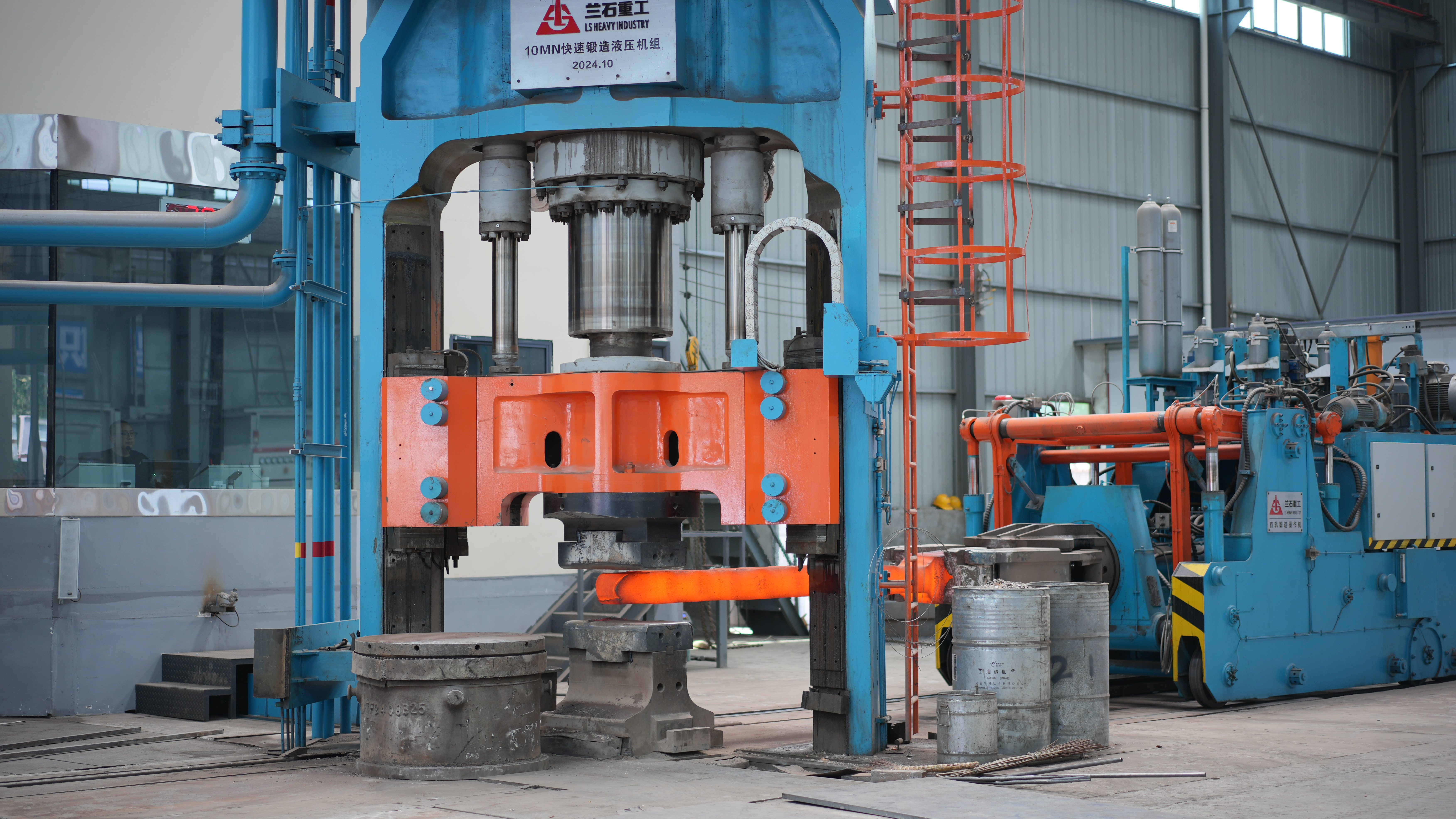
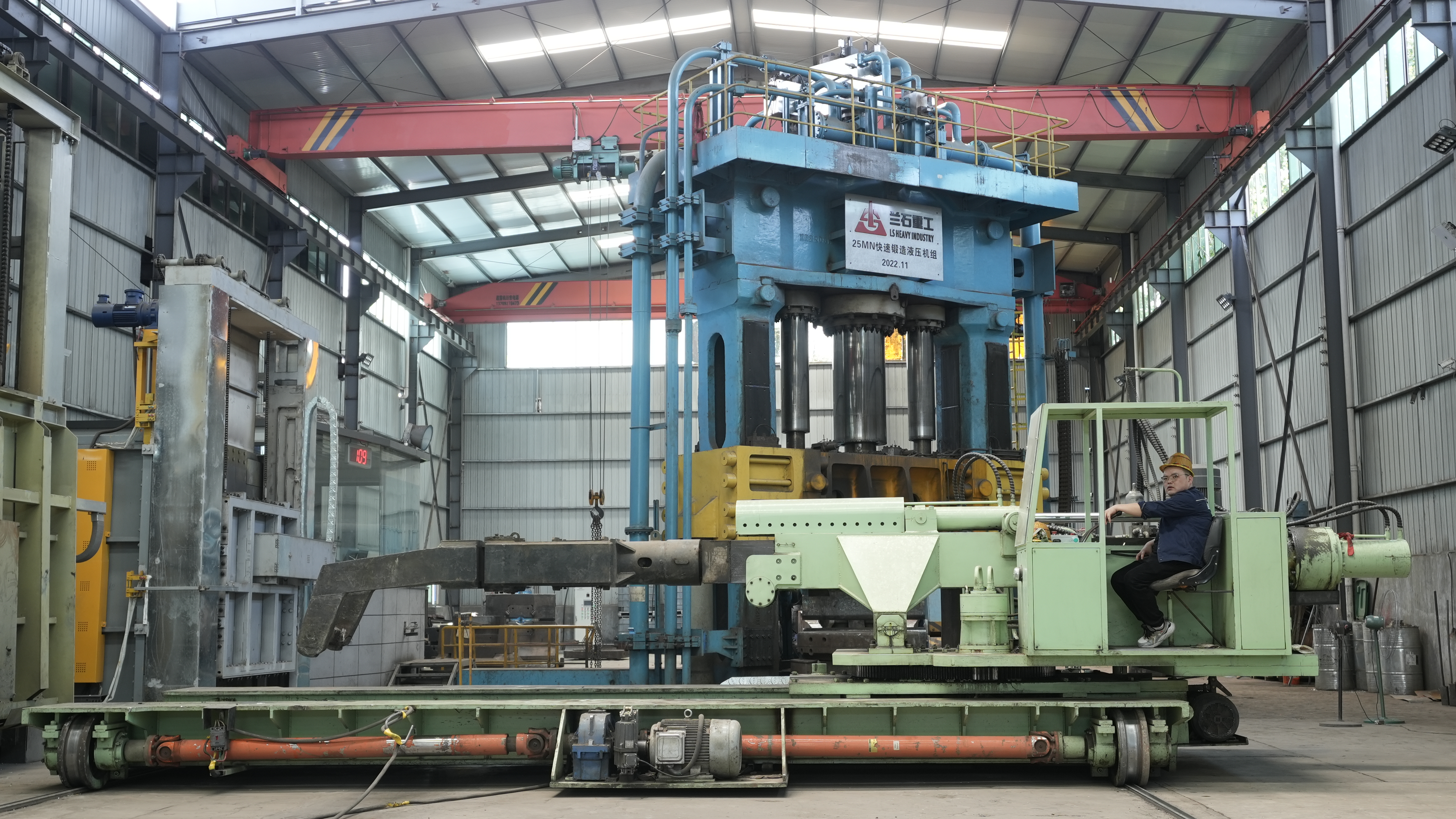
TSM Technology utilizes advanced metallurgical processes to manufacture Alloy 625 forgings with consistent quality and performance. Our modern 50,000㎡ production facility is equipped with over 100 precision machines, including forging presses, rotary forging equipment, heat treatment furnaces, and CNC machining centers, enabling an integrated manufacturing workflow from raw material to finished components. We source high-purity raw materials exclusively from qualified suppliers to ensure precise chemical composition from the outset. Through multiple controlled heating and forming cycles, we achieve optimized grain flow and enhanced mechanical properties. With a monthly production capacity of up to 150 tons and the flexibility to support both standard and customized orders, our facility also features dedicated quality control laboratories equipped with spectroscopy, mechanical testing, and non-destructive testing systems, ensuring every forging meets the highest industry standards and your exact specifications.
What is the Production Process of the products?
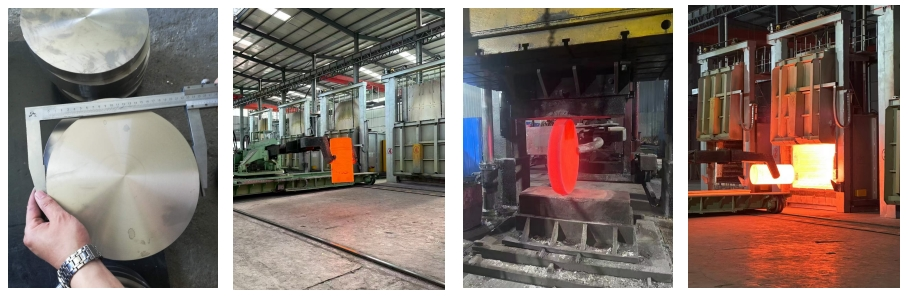
Step 1: Material Selection
We begin with certified Inconel 625 ingots that meet ASTM chemical composition requirements.
Step 2: Heating
The ingot is warmed to producing temperature (typically 2000-2200°F) in controlled-atmosphere heaters to avoid oxidation.
Step 3: Forging
Using pressure driven presses or hammers, we apply controlled mechanical drive to shape the fabric. Numerous fashioning passes accomplish the required lessening proportion of 3:1 or 4:1.
Step 4: Heat Treatment
Components experience arrangement strengthening at particular temperatures depending on review requirements—Grade 1 at 1600-1900°F for erosion resistance, Review 2 at 2000-2200°F for crawl resistance.
Step 5: Machining
Precision CNC machining brings components to the last measurements with tight tolerances.
Step 6: Surface Finishing
Polishing, shot peening, or other surface medications progress wrap up quality and weariness resistance.
Quality Inspection
Every manufacturing experience involves thorough testing sometimes recently shipment:
- Ultrasonic Testing (UT) – Recognizes inside defects
- Radiographic Testing (RT) – Confirms basic integrity
- Eddy Current Testing – Recognizes surface cracks
- Chemical Examination – Affirms composition compliance
- Mechanical Testing – Approves ductile, surrender, and prolongation values
- Corrosion Testing – Guarantees resistance properties
- Hydrostatic Testing – Confirms weight vessel components
We provide complete material traceability documentation including Material Test Certificates (MTC), Quality Assurance Certificates (QAC), and Inspection Test Plans (ITP).
What are the Features of the products?
Superior Corrosion Resistance
You get extraordinary resistance to chloride-ion push erosion breaking, setting, and cleft erosion. The tall chromium and molybdenum substance secures against both oxidizing and decreasing acids.
Exceptional High-Temperature Strength
These forgings keep up mechanical properties at temperatures up to 1800°F (982°C), making them perfect for deplete frameworks, gas turbines, and warm exchangers.
Solid-Solution Strengthening
Niobium gives reinforcing without age-hardening warm treatment. This implies you can weld and create without stressing approximately sensitization or intergranular corrosion.
Excellent Weldability
The fabric welds effortlessly utilizing ERNiCrMo-3 filler metal and doesn't require post-weld warm treatment in most applications. You can indeed utilize it to connect different metals.
Enhanced Fatigue Resistance
The refined grain structure from manufacturing drastically makes strides weakness life compared to cast or machined choices, pivotal for cyclic stacking applications.
Application
Aerospace Industry
Turbine motor components, push-rod frameworks, and debilitated channels benefit from high-temperature resistance and oxidation resistance.
Chemical Processing
Reactor vessels, heat exchangers, and channeling frameworks handling corrosive media such as sulfuric acid, phosphoric acid, and chloride solutions.
Oil & Gas
Subsea gear, wellhead components, and downhole devices working in H2S-containing acrid gas environments.
Marine Engineering
Propeller shafts, valve bodies, and latches are uncovered to seawater and marine atmospheres.
Power Generation
Nuclear reactor components, steam generator tubing, and fossil fuel combustion systems.
Why Choose TSM Technology?
Proven Global Network
Our Hong Kong coordination center empowers opportune conveyance around the world with full send out documentation support.
Complete Manufacturing Capability
From softening to last review, we control each generation arrange in-house, guaranteeing quality and conveyance reliability.
Certified Excellence
Our ISO 9001, AS9100D, and AS9120 certifications demonstrate our commitment to aerospace-grade quality standards.
Extensive Experience
With over 14 a long time in the industry and sends out to 70+ nations, we get it your worldwide requirements.
Technical Expertise
Our R&D group ceaselessly creates unused handling advances. We've accomplished breakthroughs like Ti-6Al-4V ELI preparing and hold numerous patents.
Customer-Focused Service
You get quick specialized interview, customized arrangements, and solid after-sales back all through your venture lifecycle.
Company Exhibition
We regularly participate in international trade shows and industry exhibitions to showcase our latest Alloy 625 forgings solutions and connect with partners worldwide. These events allow us to demonstrate our technical capabilities and understand emerging market needs.
Package and Shipping
Packaging Options
- Wooden cases for large forgings
- Plywood boxes with moisture barriers
- Custom crating for irregular shapes
- Export-standard fumigation treatment
Shipping Methods
We facilitate ocean cargo, discuss cargo, or express conveyance based on your urgency and delivery requirements. All shipments incorporate total send out documentation, fabric certificates, and review reports.
Delivery Time
Standard products: 5–10 days
Custom forgings: 10–20 days

FAQ
Q1: What is the difference between Grade 1 and Grade 2 products?
A1: Review 1 is strengthened at 1600-1900°F for ideal damp erosion resistance, whereas Grade 2 is arrangement strengthened at 2000-2200°F to maximize crawl resistance for high-temperature benefit over 1100°F.
Q2: Can they be welded to other alloys?
A2: Yes, they show amazing weldability and are regularly utilized as filler metal (ERNiCrMo-3) to weld disparate metals due to their high ductility and resistance to hot cracking.
Q3: Why is niobium added to these forgings?
A3: Niobium acts as a stabilizer and gives solid-solution reinforcing, which eliminates the requirement for age-hardening warm medicines, while keeping up quality at elevated temperatures.
Q4: Does Alloy 625 meet NACE MR0175 standards?
A4: Yes, our forgings in the annealed condition are fully compliant with NACE MR0175/ISO 15156 for use in H2S-containing environments in oil and gas production.
Q5: What forging ratio do you use for Alloy 625?
A5: We apply a minimum forging reduction ratio of 3:1 or 4:1 to ensure a fully wrought structure and eliminate the dendritic characteristics of the original cast ingot.
Q6: Can you provide custom shapes and sizes?
A6: Absolutely. We specialize in custom forgings designed to your exact specifications, including complex geometries for specialized applications.
Q7: Do you supply material certificates?
A7: Yes, every shipment includes Material Test Certificates (MTC) compliant with EN 10204.3.1, along with SGS test reports when requested.
Contact Us
Ready to discuss your project requirements for Alloy 625 forgings?
Email: info@tsmnialloy.com
Online Message
Learn about our latest products and discounts through SMS or email
Learn about our latest products and discounts through SMS or email