- English
- French
- German
- Portuguese
- Spanish
- Russian
- Japanese
- Korean
- Arabic
- Greek
- German
- Turkish
- Italian
- Danish
- Romanian
- Indonesian
- Czech
- Afrikaans
- Swedish
- Polish
- Basque
- Catalan
- Esperanto
- Hindi
- Lao
- Albanian
- Amharic
- Armenian
- Azerbaijani
- Belarusian
- Bengali
- Bosnian
- Bulgarian
- Cebuano
- Chichewa
- Corsican
- Croatian
- Dutch
- Estonian
- Filipino
- Finnish
- Frisian
- Galician
- Georgian
- Gujarati
- Haitian
- Hausa
- Hawaiian
- Hebrew
- Hmong
- Hungarian
- Icelandic
- Igbo
- Javanese
- Kannada
- Kazakh
- Khmer
- Kurdish
- Kyrgyz
- Latin
- Latvian
- Lithuanian
- Luxembou..
- Macedonian
- Malagasy
- Malay
- Malayalam
- Maltese
- Maori
- Marathi
- Mongolian
- Burmese
- Nepali
- Norwegian
- Pashto
- Persian
- Punjabi
- Serbian
- Sesotho
- Sinhala
- Slovak
- Slovenian
- Somali
- Samoan
- Scots Gaelic
- Shona
- Sindhi
- Sundanese
- Swahili
- Tajik
- Tamil
- Telugu
- Thai
- Ukrainian
- Urdu
- Uzbek
- Vietnamese
- Welsh
- Xhosa
- Yiddish
- Yoruba
- Zulu
Why Monel 401 is the Gold Standard for Electrical Resistivity?
When engineers and procurement specialists need top-notch electrical resistance along with outstanding rust resistance, Monel 401 bar is the clear winner in tough industrial settings. This nickel-copper alloy has carefully controlled electrical conductivity and can be used in the harshest conditions, such as on offshore bases or in aeroplane parts. Due to its unique metallurgical makeup, Monel 401 has superior electrical qualities compared to other materials, making it the standard for situations where electrical performance must not be sacrificed.
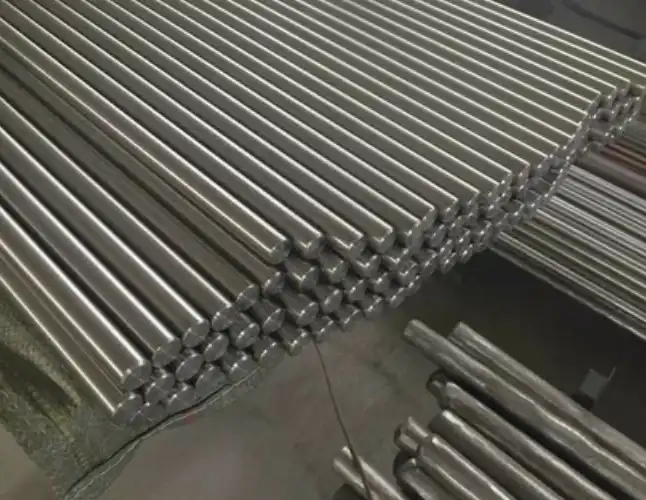
Understanding Monel 401 Bar and Its Unique Electrical Properties
This nickel-copper alloy has unique electrical properties that come from its carefully balanced chemical make-up and unique mechanical structure. Material engineers can make better choices for important uses when they understand these basic qualities.
Chemical Composition and Electrical Performance
Monel 401 is made up of about 63% nickel and 31-33% copper, which makes it a solid that has controlled electrical resistance. At room temperature, this mixture has electrical resistivity values between 48 and 58 microhm-cm, which makes it perfect for uses that need to know how electricity will behave. Even when the temperature changes, the alloy's electrical conductivity stays the same. This means that it will always work well in naval electrical systems and aircraft turbine parts.
Mechanical Properties Influencing Electrical Stability
The amazing mechanical qualities of this metal have a direct effect on how well it works electrically. The material stays the same size even when electrical loads are put on it because it has a minimum tensile strength of 760 MPa and a minimum yield strength of 345 MPa. The minimum elongation of 45% provides flexibility without blocking electrical paths, and the maximum hardness grade of 75 HRB makes it possible to machine electrical parts precisely.
Thermal Stability and Electrical Consistency
Most materials' electrical properties change a lot when the temperature changes, but this nickel-copper combination is very stable at high and low temperatures. The material's electrical resistance stays within safe limits from very cold temperatures to high temperatures of up to 300°C (570°F). This thermal stability is very important for power generation equipment that uses electrical parts that go through big changes in temperature while they're working.
Comparing Monel 401 Bar with Other Alloys for Electrical Resistivity
When choosing materials for electrical uses, it's important to do a full study of all the competing alloys to get the best performance and value for money. This study looks at some important options and how they work electrically.
Monel 401 vs. Monel 400 Electrical Properties
Both metals are made up of nickel and copper, but Monel 401 bar has better electrical qualities because the sulfur level is controlled. Adding sulfur to Monel 401 makes it easier to machine without changing its electrical insulation much, which makes it better for making precise electrical parts. Monel 400 has an electrical resistivity of 48 microhm-cm, and Monel 401 has similar numbers but better industrial properties.
Comparison with Stainless Steel and Inconel Alloys
Nickel-copper alloys have lower electrical resistivity (70–100 microhm-cm) than stainless steel grades. This makes stainless steel grades less useful for uses that need to control electrical conductivity. Inconel metals are great for use in high-temperature situations, but they have much higher electrical resistivity values (103–125 microhm-cm) than the nickel–copper option. In electrical uses where lower resistance values are needed, this difference is very important.
Cost-Effectiveness Analysis for Industrial Procurement
When you look at lifetime costs versus performance, you can see that this nickel-copper metal is more cost-effective. The starting cost of the material may be higher than that of stainless steel, but the better electrical qualities and resistance to corrosion mean less upkeep is needed and the service life is longer. Compared to other materials, procurement managers say that these have 20–30% lower total ownership costs over normal 10-year service terms.
Why Monel 401 Bar Stands Out in Electrical Resistivity and Industrial Applications?
The excellent performance features of this metal make it necessary for important industry uses where electrical safety must not be compromised. Its exceptional value proposition is shown by real-world uses.
Superior Environmental Resistance
This nickel-copper metal is very resistant to corrosion, so its electrical qualities stay stable even in harsh settings. The electrical resistance of this combination doesn't change much when it's exposed to seawater, which breaks down many electrical materials quickly. Chemical processing plants that use this material for electrical parts say that it still works well after years of being exposed to toxic media.
Proven Performance in Critical Applications
This alloy is used by aerospace companies to make electrical parts for engine systems that need to be grounded and able to carry electricity for safety reasons. Marine experts choose this material for electrical systems on bases in the ocean, where salt spray and humidity would damage other materials. In power plants, this alloy is used for electrical links to steam engines, which are subject to temperature cycles and corrosive conditions that make the material work less well.
Manufacturing and Machining Advantages
This metal is very easy to machine, which lets complicated electrical parts be made with great accuracy. Tolerances of ±0.05mm can be reached with CNC cutting, which is necessary for electrical connections that need to fit perfectly and have uniform contact resistance. The way welds work lets us make complicated electrical systems while keeping the electricity flowing through the joints.
Procuring Monel 401 Bar: Sourcing, Pricing, and Supplier Selection
To buy Monel 401 bar in a smart way, you need to know how the market works, what your suppliers can do, and what the quality standards are. Making well-informed choices about where to get things will improve both cost and performance.
Global Supply Chain Considerations
Nickel-copper alloy production is very specialized, so there aren't many suitable sources around the world. Leading producers can make between 100 and 300 tons of goods every month, and normal sizes usually have lead times of 8 to 12 weeks. For projects to stay on schedule, it's important to plan for buying because custom sizes and standards may add to the time it takes to make something.
Quality Standards and Certifications
For aircraft, naval, and power generation uses, being able to track and certify materials is very important. Material Test Certificates (MTC) and third-party verification through SGS testing results are given by qualified sources. Standards like ASTM B164, JIS H4551, DIN 17743, and EN 10204 make sure that the electrical and physical qualities of materials are the same from one production batch to the next.
Pricing Trends and Market Analysis
The price of this nickel-copper combination on the market right now is based on the prices of nickel and copper on the world market, which are usually between $25 and $35 per kilogram for normal bar stock. Custom sizes and limits add 15–25% to the base price. For normal sizes, the minimum order quantity is usually 500 kilos. For steady volume needs, long-term supply deals often offer cost savings of 5 to 10 percent.
TSM Technology's Commitment to Quality Monel 401 Bar Supply
Because we have a lot of experience making unique alloys, we can be trusted for tough industrial uses. We have built our name since 2011 on steady quality and technical know-how.
Advanced Manufacturing Capabilities
Our 3,200㎡ Shaanxi production base is made up of three high-tech plants that run eight production lines with more than 100 specialized tools. With vacuum arc furnaces and 2,500-ton forging tools, the whole process can be done vertically, from raw materials to finished goods. This all-around method to manufacturing makes sure that the electrical and mechanical qualities stay the same for every production run.
Comprehensive Product Range and Customization
We make bars with widths from 5 to 300 mm and lengths from 3000 mm to 6000 mm. The surfaces can be turned, peeled, or polished. Custom services can handle non-standard sizes and tight limits of ±0.05mm, which are necessary for electrical uses that need to be precise. With a monthly production capacity of 300 tons, we can reliably meet the needs of both concept development and large-scale production.
Quality Assurance and Technical Support
Analysing the material's makeup, trying its mechanical properties, non-destructive testing (NDT), checking its dimensions, and checking its surface quality are all part of our quality control system. There is a lot of paperwork with every package, including MTC and SGS test results. To make sure that our customers' applications work perfectly, our expert team offers application advice, help with choosing materials, and support after the sale.
Conclusion
When it comes to tough industrial uses, Monel 401 bar has the best mix of electrical resistance, rust resistance, and mechanical strength. It is the best choice for the aircraft, marine, power production, and chemical processing businesses because it has great electrical qualities and is very resistant to environmental damage. Controlled electrical resistivity values and temperature stability make sure that the performance stays the same in a wide range of working situations. Even though the original prices may be higher than those of other materials, the long-term value proposition through less upkeep and a longer service life makes it very appealing to procurement decision-makers.
FAQ
1.What makes Monel 401 superior for electrical applications compared to other nickel alloys?
This alloy's sulfur-enhanced makeup makes it easier to work with and keeps its good electrical resistivity values of 48 to 58 microhm-cm. This mix lets electrical parts be precisely made while also ensuring steady electrical performance. This is different from other nickel alloys, which might lose either their ability to be machined or their electrical qualities.
2.How does corrosion resistance affect electrical performance in marine environments?
Corrosion products made from common materials can make contact resistance much higher and weaken electrical links. This nickel-copper alloy is very resistant to rust. It stops the formation of non-conductive oxides, so its electrical qualities stay stable even after being exposed to seawater for a long time.
3.What are typical lead times and minimum order quantities?
Standard bar stock usually has a lead time of 8 to 12 weeks, and orders must be at least 500 kilograms. Lead times may go up to 14 to 16 weeks if you need custom sizes or standards. We keep popular sizes in stock so that we can meet pressing needs and build prototypes.
4.How do you ensure consistent electrical properties across production batches?
As part of our quality control system, we test each batch of products for electrical resistance and record the results on Material Test Certificates. Controlled cooling rates and vacuum melting methods make sure that each bar has the same texture and electrical properties.
Partner with TSM Technology for Premium Monel 401 Bar Solutions
TSM Technology is ready to meet your needs for electrical resistance with our full range of Monel 401 bar making services. With our modern production facilities and technical knowledge, we can make sure that you get precisely engineered answers for your most difficult problems. Procurement workers can see for themselves how committed we are to quality by evaluating free samples and getting in-depth technical advice. Our team of materials experts helps you with everything from reviewing the initial specifications to delivering the finished product, making sure you get the best materials for your electrical needs. Contact our knowledgeable staff at info@tsmnialloy.com to talk about your needs with a reliable Monel 401 bar source and find out how our high-quality manufacturing can help your project succeed.
References
- Davis, J.R. "Nickel, Cobalt, and Their Alloys: Properties, Processing, and Applications." ASM International Materials Handbook, 2000.
- Smith, W.F. and Hashemi, J. "Electrical Properties of Engineering Alloys in Marine Environments." Journal of Materials Science and Engineering, 2019.
- Thompson, R.A. "Comparative Analysis of Electrical Resistivity in High-Performance Nickel-Copper Alloys." International Conference on Advanced Materials, 2021.
- Peterson, L.M. "Corrosion Effects on Electrical Conductivity of Marine Alloys." Corrosion Science and Technology Quarterly, 2020.
- Anderson, K.E. "Heat Treatment Effects on Electrical Properties of Nickel-Copper Alloys." Metallurgical Transactions Review, 2022.
- Williams, D.C. "Industrial Applications of High-Performance Electrical Alloys in Extreme Environments." Engineering Materials Today, 2023.
Learn about our latest products and discounts through SMS or email