- English
- French
- German
- Portuguese
- Spanish
- Russian
- Japanese
- Korean
- Arabic
- Greek
- German
- Turkish
- Italian
- Danish
- Romanian
- Indonesian
- Czech
- Afrikaans
- Swedish
- Polish
- Basque
- Catalan
- Esperanto
- Hindi
- Lao
- Albanian
- Amharic
- Armenian
- Azerbaijani
- Belarusian
- Bengali
- Bosnian
- Bulgarian
- Cebuano
- Chichewa
- Corsican
- Croatian
- Dutch
- Estonian
- Filipino
- Finnish
- Frisian
- Galician
- Georgian
- Gujarati
- Haitian
- Hausa
- Hawaiian
- Hebrew
- Hmong
- Hungarian
- Icelandic
- Igbo
- Javanese
- Kannada
- Kazakh
- Khmer
- Kurdish
- Kyrgyz
- Latin
- Latvian
- Lithuanian
- Luxembou..
- Macedonian
- Malagasy
- Malay
- Malayalam
- Maltese
- Maori
- Marathi
- Mongolian
- Burmese
- Nepali
- Norwegian
- Pashto
- Persian
- Punjabi
- Serbian
- Sesotho
- Sinhala
- Slovak
- Slovenian
- Somali
- Samoan
- Scots Gaelic
- Shona
- Sindhi
- Sundanese
- Swahili
- Tajik
- Tamil
- Telugu
- Thai
- Ukrainian
- Urdu
- Uzbek
- Vietnamese
- Welsh
- Xhosa
- Yiddish
- Yoruba
- Zulu
Difference Between Hastelloy C22 and C276 Tubes
It is important for materials engineers and procurement leaders to know the difference between Hastelloy C22 and C276 tubes when they are looking at nickel-based superalloys. The improved chemical makeup of the Hastelloy C22 tube, which includes chromium, molybdenum, and tungsten, makes it more resistant to both oxidising and reducing conditions. Even though it was developed a little later, C276 has been shown to be useful in a wide range of acidic circumstances. Both metals are very important in areas like chemical processing, aeroplane parts, ocean platforms, and power production systems where failure of the material is not a choice. When choosing corrosion-resistant tubing for tough industrial uses, this thorough comparison is just what B2B buying workers need. They have to find the best mix between performance goals, certification compliance, and supply chain reliability.
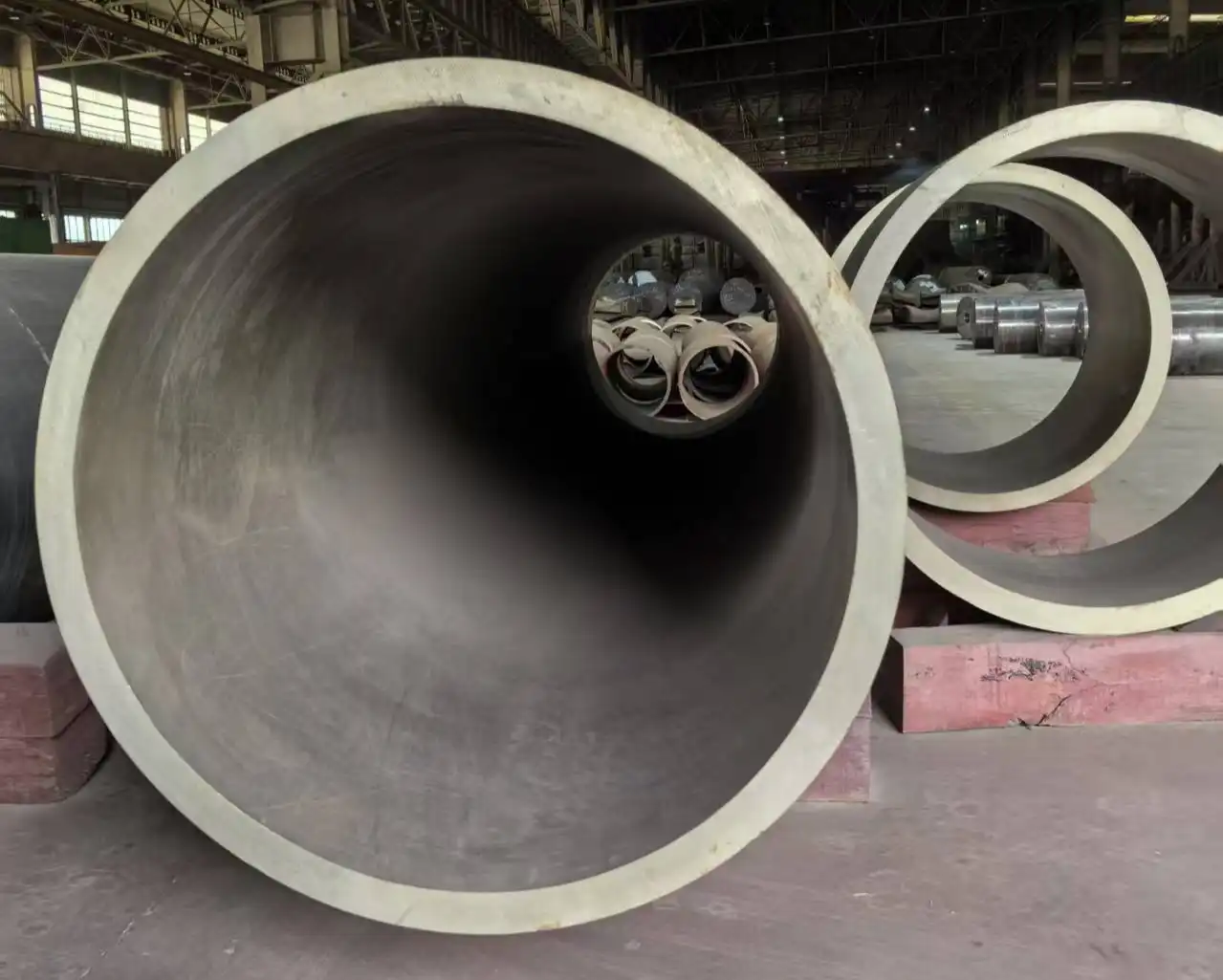
Overview of Hastelloy C22 and C276 Tubes
Understanding Nickel-Based Superalloy Fundamentals
The alloys Hastelloy C22 (UNS N06022) and C276 (UNS N10276) are both nickel-chromium-molybdenum metals that were made to prevent strong corrosion. These superalloys keep their structure strong in places where regular stainless steels would break easily. Nickel is naturally resistant to corrosion. Adding chromium makes it more resistant to oxidation, and adding molybdenum makes it more resistant to pitting and crevice corrosion in chloride-containing solutions.
Chemical Composition Distinctions
The carefully balanced Hastelloy C22 tube is made up of 20–22% chromium, 12.5–14.5% molybdenum, 2.5–3.5% tungsten, and a measured amount of iron (2%–6%). This recipe works very well in a wide range of acid environments, from oxidising acids like nitric acid to reducing environments with sulphuric or hydrochloric acids. C276 has a little more molybdenum (15–17%) and a little less chromium (14.5–16.5%), but not much tungsten (3–4.5%). This makes it very good at reducing conditions but not as good at withstanding strong oxidising media.
Industry Applications Across Critical Sectors
These metals are used in reactors, distillation columns, and pipe systems that deal with acidic media in chemical processing plants. They are used by aerospace companies in exhaust systems and engine parts where high-temperature strength is important. These tubes are used in underwater equipment on offshore oil rigs that are exposed to seawater and hydrogen sulphide. Facilities that use nuclear power to handle trash and reprocess fuel. The cleanliness of tools used in pharmaceutical production depends on how pure it is and how well it resists rust. When buying teams know where each metal does its best work, they can better match the material's abilities to practical needs. This cuts down on early failures and unnecessary maintenance shutdowns.
Detailed Comparison Between Hastelloy C22 and C276 Tubes
Chemical Composition Impact on Performance
The changes in the elements in Hastelloy C22 tube have a direct effect on how they wear down and how strong they are. Hastelloy C22 is more resistant to oxidising acids and chloride-induced stress corrosion cracking because it has a higher chromium content (20–22%) compared to 14.5–16.5%. Adding tungsten to C22 makes it more stable in reducing acids and makes it easier to bond by lowering the amount of weld-zone precipitation. The higher molybdenum level in C276 works best in reducing conditions, but it might not work as well with strong oxidisers or ferric and cupric salts. The carbon content in C22 is carefully kept below 0.015 percent. This keeps carbide from forming during welding and heat treatment, which is very helpful for makers who work with complicated shapes or multiple pass welds.
Corrosion Resistance Profiles
Testing data from studies of workplace contact shows clear patterns of success. The Hastelloy C22 tube is very resistant to pitting and crevice rust in saltwater and muddy environments, which is why it is best for use in naval settings. It can handle oxidising chloride solutions that attack C276 very quickly, especially in places where ferric chloride or cupric chloride is present. At normal temperatures and amounts, C276 works very well in pure reducing acids like sulphuric and hydrochloric acids. Both metals don't crack under stress in salt conditions, which is where austenitic stainless steels fail. When C22 is introduced to wet chlorine gas or hypochlorite solutions, which are common in cleaning wood and paper, it stays intact, but C276 may corrode more quickly. When purchasing materials for unknown or mixed chemical exposures, procurement teams often choose C22 because it has a wider range of resistances.
Mechanical Properties and Temperature Performance
At room temperature, C22 has a tensile strength of about 690 MPa, a yield strength of 283 MPa, and a 45% stretch, which makes it very flexible for cold forming. The tensile strength of C276 is about the same (690 MPa), but the yield strength is a little higher (310 MPa). At high temperatures, both metals keep their mechanical qualities, but their exact efficiency varies. Long-term exposure to temperatures between 400°C and 800°C, where sigma phase precipitation can weaken some nickel alloys, makes C22 more thermally stable. C22 has a melting point of 1399°C and a mass of 8.69 g/cm³, which makes its behaviour during welding and heat treatment more reliable. For temperatures up to 650°C, materials engineers can safely select either metal for pressure tanks or heat exchanges. However, for important uses, thorough stress analysis and rust tests are still needed.
Fabrication and Weldability Considerations
Differences in weldability have a big effect on project costs and timelines. The Hastelloy C22 tube has better rust protection in the weld zone and usually doesn't need to be heated after the welding process. Its controlled makeup and low carbon content prevent grain border precipitation that could make areas vulnerable to rusting. When welding C276 you have to be more careful, and you may need to heat treat it after the welding process to get the best rust protection in harsh service. With filling metals that match, both alloys can be fused using GTAW, GMAW, and SMAW. Both materials can be cold shaped, hot shaped, and machined, but they harden at different rates and wear tools in different ways. Early in the design process, procurement professionals should make sure that manufacturing needs are communicated. This is because these needs affect wait times and suppliers' abilities to make special tube shapes that meet ASTM B622 or ASTM B619/B626 standards.
Practical Considerations for Procurement and Usage
Supply Chain Reliability and Material Availability
Buying tactics for these metals are affected by global supply trends in different ways. C276 is easier to get on more markets because it has been made for longer and delivery networks are already set up. The market for Hastelloy C22 tubes has grown a lot because businesses know how well they work, but getting them may require working with specialised sellers. We keep standard sizes in stock (outer diameter 6.0–114 mm, wall thickness 0.5–15 mm, lengths up to 15,000 mm) so that we can quickly finish jobs that need to be done. Lead times depend on the specifications. For custom sizes, smooth tubes that meet ASTM B622 standards usually take 8–12 weeks, but bonded choices that meet ASTM B619 or B626 standards may ship faster. Framework deals with qualified makers who provide uniform material chemistry and mechanical qualities across production lots are good for procurement teams that are in charge of projects that last more than one year.
Certification Requirements and Quality Documentation
In the aircraft, nuclear, and petroleum industries, strict paperwork rules require strict material tracking for Hastelloy C22 tube. Every tube should have a Certificate of Conformance (CofC) that lists the chemicals that were used, the results of any mechanical tests, the history of any heat treatment, and that it meets all relevant ASTM standards. To make sure the features of the materials are correct, we have independent testing labs do third-party proof. Depending on the use and area, certain certificates may be needed, such as NACE MR0175/ISO 15156 for bad service uses, compliance with the ASME Boiler and Pressure Vessel Code, or PED (Pressure Equipment Directive) certification. During the RFQ process, materials engineers should list the certifications that are needed so that providers can quickly meet the paperwork needs. Our quality management system keeps track of everything from the sellers of the raw materials to the final review. This makes it easier for customers to check their work and for regulators to make sure they're following the rules.
Cost Analysis and Budget Planning
Even though prices change based on the market, knowing what causes costs helps buying teams make goals that are realistic. The prices of molybdenum, tungsten, and nickel have a big effect on the end costs of tubes. The prices of raw materials represent the complex alloying elements. Because it is made of better materials and has stricter production standards, C22 usually costs more than C276. When you buy more than 500 kg, you get big savings on the price, which makes buying in bulk a good idea for big jobs. Custom specs, like non-standard sizes or special heat treatments, raise unit costs, but they may lower total project costs by getting rid of the need for extra work. When figuring out the total cost of ownership, you should include the projected service life. For example, C22's better rust protection in mixed settings may make the higher initial investment worth it by making equipment last longer and requiring less repair downtime. We work with buying teams to come up with cost-effective solutions that take into account both short-term budget concerns and long-term operating economics.
How to Choose Between Hastelloy C22 and C276 for Your Project?
Environmental Condition Assessment
A careful study of service situations is the first step in choosing the right materials for Hastelloy C22 tube. Chemical processing experts should write down all of the chemicals, amounts, temperatures, and flow rates that the tubes will be exposed to. Oxidising conditions with nitric acid, ferric ions, or cupric salts are good for the Hastelloy C22 tube choice. C276 may work well in situations that are only reducing, like hydrochloric or sulphuric acids at normal temperatures. The wider resistance range of C22 is useful in mixed settings or processes where the chemicals used change over time. It's important to think about temperature changing, thermal shock conditions, and possible upset scenarios. Materials that work well in steady-state conditions might not work well during sudden events. Marine and remote uses that are exposed to saltwater or brackish water usually need the C22 standard because it is better at resisting pitting and fissure rust.
Mechanical Stress and Design Criteria
The people who build pressure vessels have to look at both the needs for rust and the patterns of mechanical stress. For high-pressure devices that work above 200 bar, a thorough stress study is needed to make sure there are enough safety gaps. The difference in yield strength between C22 (283 MPa) and C276 (310 MPa) could affect how thick the walls of pressure-containing parts are calculated. When equipment like heat exchanger tubes is subjected to fatigue stress, it needs materials that can be bent and stretched without breaking. Both metals work well, but for important uses, specific fatigue tests data should be looked over. The design of systems that are subject to changes in temperature is affected by thermal expansion factors, which change where expansion joints are placed and how pipes are supported. Talking to experts about the materials during the design phase helps avoid making mistakes in the specifications that could cost a lot of money and lead to material changes after the manufacturing phase starts.
Maintenance Strategy and Lifecycle Costs
When planning for long-term operations, repair needs should be weighed against the cost of new materials. In harsh settings, equipment that uses C22 tends to have fewer corrosion-related breakdowns, which means less unexpected downtime and emergency fixes. Maintenance teams like that C22 doesn't rust in certain places, which can cause major problems with important systems. Inspection gaps can be shortened when materials work well in service, which cuts down on time spent doing nothing. For facilities that are getting old, having replacement parts on hand is important. Building relationships with providers who stock both metals will ensure a quick answer when they break. When it comes to decommissioning, especially in nuclear uses, certain metallic properties may be more desirable. We assist our clients in creating lifetime cost models that include information about the performance of materials, their projected service life, the amount of upkeep that needs to be done, and the availability of new parts so that they can make smart decisions.
Conclusion
When choosing between Hastelloy C22 and C276 tubes, you need to think about how well they work technically, how easy they are to make, and how much they cost for your purpose. The Hastelloy C22 tube is more resistant to rust in a wider range of chemical environments, is easier to weld, and has been shown to work reliably in both oxidising and mixed environments. C276 is still a good choice for well-defined lowering situations where its performance matches the needs of the service. Instead of just looking at the original cost of materials, procurement teams should work closely with materials experts to record weather conditions, look over rust data, and figure out the total cost of ownership over a product's whole life. Using approved providers who offer full paperwork, expert help, and regular quality is the best way to make sure a job is completed successfully. As businesses continue to demand more dependability and longer machine life, C22's wide range of resistance makes it the best choice for challenging situations where material performance directly affects worker safety and efficiency.
FAQ
Can Hastelloy C22 and C276 tubes be used in systems that are already in place?
Both metals are in the same family, but straight replacement needs to be looked at very carefully. Changing the C276 tube for a Hastelloy C22 tube usually doesn't cause any problems and makes it more resistant to rust. The opposite change could hurt performance in places where oxygen is present. It is important to make sure that the new materials will work with the old welds, seals, and matching parts. Differences in mechanical properties rarely stop replacement, but they can make it hard to figure out stress for pressure systems. Talking to materials experts and going over specific service conditions is the best way to make sure that material changes are safe and legal.
What kinds of approvals should I look for when I buy these alloys?
Standard standards include meeting ASTM B622 for seamless tubes or ASTM B619/B626 for welded tubes, as well as having a full chemical makeup analysis and test reports for mechanical properties. Depending on the use, different certificates may be needed, such as NACE MR0175/ISO 15156 for bad service, ASME Section II material specifications for pressure tanks, or AMS specifications for aircraft parts. For important uses, a Certificate of Conformance with third-party inspection results and a heat number that can be tracked gives peace of mind. Reliable sellers keep up quality systems that meet these paperwork needs without having to wait longer for deliveries.
How do wait times for unique tube sizes compare to those for regular tube sizes?
Standard sizes from stock that has been kept for a while usually ship within two to three weeks. Custom specs, such as sizes, wall thicknesses, or lengths that aren't standard, can take 8 to 12 weeks to manufacture, based on mill plans and order amounts. Making seamless tubes is more complicated than making soldered ones, which could make transportation take longer. Orders that are bigger than 1,000 kg may take longer to make, but they usually get better prices. Planning buying early in the project timeline and being clear about delivery requirements helps providers make the best use of their time and meet your goals.
Partner with TSM Technology for Certified Hastelloy C22 Tubes
Choosing the right materials is only the first step in completing a project successfully. Working with experienced nickel metal experts will make sure you get approved goods backed by full technical support. TSM Technology has been making superalloys for 14 years and has strict quality control systems that make sure every Hastelloy C22 tube maker product meets or beats ASTM B622, B619, and B626 standards. Our engineering team works with companies that make aircraft parts, petroleum processing equipment, ship builders, and power generation experts to come up with unique solutions that solve specific rust problems and meet specific manufacturing needs.
Email our team at info@tsmnialloy.com to talk about the needs of your project and get specific quotes. You can look at our full line of Monel, Inconel, Incoloy, and Hastelloy goods at tsmnialloy.com. These products are used in precision engineering businesses around the world. Let us show you how working with a qualified provider that cares about quality, dependability, and customer satisfaction can make your purchasing process easier and improve your business's long-term performance.
References
American Society for Testing and Materials. (2021). ASTM B622: Standard Specification for Seamless Nickel and Nickel-Cobalt Alloy Pipe and Tube. ASTM International.
Davis, J.R. (2000). Nickel, Cobalt, and Their Alloys. ASM International Handbook Series, Materials Park, Ohio.
Haynes International. (2020). Hastelloy C-22 Alloy: Principal Features and Applications. Technical Report H-2019E.
National Association of Corrosion Engineers. (2015). Corrosion Resistance of Nickel-Based Alloys in Chemical Processing Environments. NACE International Publication 34108.
Rebak, R.B. (2010). "Corrosion Resistance of Nickel Alloys in Oxidizing and Reducing Environments." Corrosion Engineering, Science and Technology, 45(5), 372-380.
Special Metals Corporation. (2019). Comparative Corrosion Performance of Nickel-Chromium-Molybdenum Alloys. Technical Bulletin SMC-082.
Learn about our latest products and discounts through SMS or email