- English
- French
- German
- Portuguese
- Spanish
- Russian
- Japanese
- Korean
- Arabic
- Greek
- German
- Turkish
- Italian
- Danish
- Romanian
- Indonesian
- Czech
- Afrikaans
- Swedish
- Polish
- Basque
- Catalan
- Esperanto
- Hindi
- Lao
- Albanian
- Amharic
- Armenian
- Azerbaijani
- Belarusian
- Bengali
- Bosnian
- Bulgarian
- Cebuano
- Chichewa
- Corsican
- Croatian
- Dutch
- Estonian
- Filipino
- Finnish
- Frisian
- Galician
- Georgian
- Gujarati
- Haitian
- Hausa
- Hawaiian
- Hebrew
- Hmong
- Hungarian
- Icelandic
- Igbo
- Javanese
- Kannada
- Kazakh
- Khmer
- Kurdish
- Kyrgyz
- Latin
- Latvian
- Lithuanian
- Luxembou..
- Macedonian
- Malagasy
- Malay
- Malayalam
- Maltese
- Maori
- Marathi
- Mongolian
- Burmese
- Nepali
- Norwegian
- Pashto
- Persian
- Punjabi
- Serbian
- Sesotho
- Sinhala
- Slovak
- Slovenian
- Somali
- Samoan
- Scots Gaelic
- Shona
- Sindhi
- Sundanese
- Swahili
- Tajik
- Tamil
- Telugu
- Thai
- Ukrainian
- Urdu
- Uzbek
- Vietnamese
- Welsh
- Xhosa
- Yiddish
- Yoruba
- Zulu
Titanium vs Nickel Fasteners: Cost-Benefit Analysis for Marine Use
When comparing titanium and nickel fasteners for marine applications, procurement professionals face a critical decision that impacts both operational performance and long-term costs. Nickel fasteners, manufactured from premium alloys like Monel and Inconel, offer exceptional corrosion resistance and proven reliability in saltwater environments. While titanium fasteners provide superior strength-to-weight ratios, nickel-based solutions deliver outstanding value through their established track record, broader availability, and cost-effective maintenance cycles in demanding marine conditions.
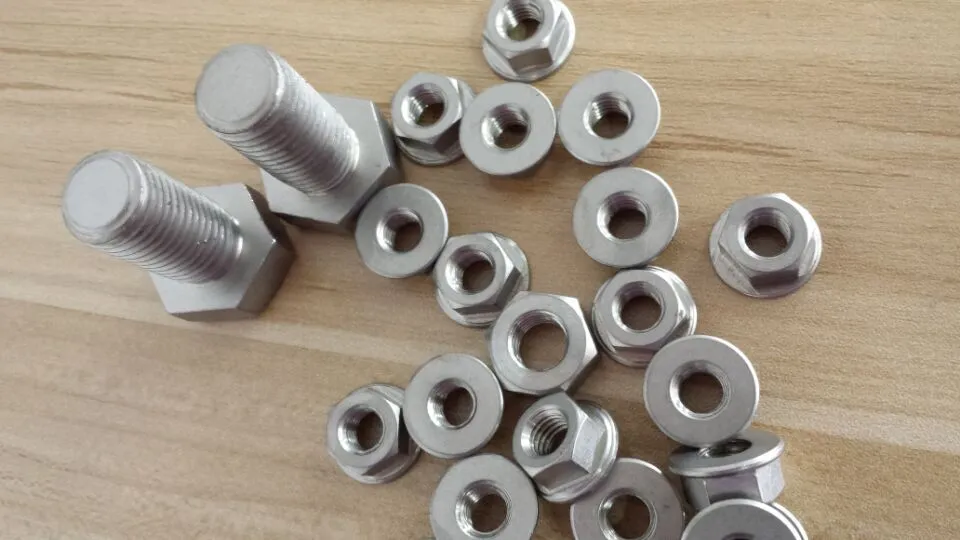
Introduction to Fasteners in Marine Applications
Marine settings are very hard on fastening systems because they are constantly exposed to saltwater, high humidity, and mechanical pressures. Offshore platforms, shipbuilding operations, and underwater equipment all have to deal with harsh conditions that require screws that are very resistant to corrosion. This is to keep materials from breaking down over time.
Critical Performance Requirements
Marine fasteners have to be able to handle dynamic loads like wave action, changing temperatures, and practical pressures while still staying structurally sound. When you think about how long things are expected to last in marine situations, where replacement costs can be too high because they are hard to get to, the decision process gets even trickier.
The choice of material has a direct effect on the total costs over the lifetime, the frequency of upkeep, and the amount of time that operations may be interrupted. One broken fastener in important naval equipment can have terrible effects, so dependability is very important. Following safety and legal rules like those set by ASTM, DIN, and marine classification societies protects both operations and the environment.
Strategic Importance of Material Selection
Knowing how important it is to choose the right materials helps procurement pros make smart choices that balance short-term cost concerns with long-term business benefits. As the marine industry moves toward more difficult tasks, like working in deeper water and having longer service gaps, quality fastening solutions that can keep working well for as long as they're supposed to have become more important.
Material Properties Comparison: Titanium vs Nickel Fasteners
Titanium- and nickel-based fasteners each have their own mechanical and physical advantages that make them good for naval use. The choice between these materials is usually based on specific operational needs, financial limitations, and performance goals.
Titanium Fastener Characteristics
Titanium screws are very strong for how light they are, which makes them very useful in situations where weight reduction is important. Through the formation of a protective oxide layer, these screws are very good at withstanding high temperatures and saltwater rust. Because titanium is biocompatible and not magnetic, it can also be used in specific nautical uses that need these qualities.
However, the better performance of titanium comes at a cost of higher material costs and more difficult cutting. The material tends to work-harden, which can make installation and upkeep difficult and requires special tools and trained workers.
Nickel Alloy Fastener Advantages
Nickel fasteners, which are typically made from well-known metals like Monel, Inconel, and Hastelloy, excel in corrosion protection due to natural passivation processes. These materials last a very long time in tough, high-temperature coastal environments and are very resistant to cracking and pitting caused by stress corrosion.
Because nickel alloys are already made in a standard way, they are easier to find, have more reliable wait times, and usually cost less to buy than titanium alternatives. Additionally, nickel-based rivets are very easy to machine and can be easily changed to fit specific size and performance needs.
Performance Under Marine Conditions
When used in naval settings, both materials work better than normal stainless steel fasteners. When combined with common naval materials, nickel metals are resistant to galvanic corrosion. Titanium, on the other hand, works very well in situations where high strength and low weight are needed. Often, the choice relies on the needs of the application. For example, nickel fasteners are the most cost-effective for general naval use, while titanium fasteners are only used for high-performance, specialized tasks.
Cost-Benefit Analysis for Marine Use
When procurement professionals compare titanium and nickel fastener choices, they need to think about both the original investment costs and the long-term operating costs. The research looks at more than just the cost of the materials; it also looks at things like availability, wait times, installation needs, and upkeep.
Initial Procurement Considerations
Titanium screws usually cost more than other types because the raw materials are more expensive and they have special manufacturing needs. Longer lead times are common in the market, especially for custom specs, which can throw off project plans. Titanium screws may also have higher minimum order numbers, which can change how inventory is managed.
Nickel fasteners have more reasonable prices and can be ordered in a wider range of amounts because their supply chains are more stable and their manufacturing capacity is greater. Nickel-based options are more readily available, as shown by TSM Technology's ability to make 100,000 to 300,000 pieces with shipping times of 10 to 25 days.
Lifecycle Cost Analysis
Costs of repair and maintenance often tip the scales in favor of higher-quality materials. Nickel fasteners don't rust, so they don't need to be replaced as often in marine situations. This gives you a good return on your investment because the fasteners last longer. The fact that nickel alloys have been used successfully in marine settings gives trust in the estimates of their lifetime costs.
Titanium fasteners last a very long time, but their higher starting costs must be justified by specific performance needs or uses where weight is very important. Because both nickel fasteners and titanium fasteners are more resistant to corrosion than regular screws, the total cost of ownership is usually cheaper, even though the initial investment is higher.
Real-World Performance Data
Case studies from the industry show that nickel fasteners always last 15 to 20 years in marine situations, while normal stainless steel fasteners may need to be replaced every 5 to 8 years. This difference in performance directly transfers into lower repair costs and downtime, making the business case for premium materials strong in important situations.
Choosing the Right Fastener for Marine Environments
When choosing marine fastening options, procurement managers have to weigh the need for performance against budget limits and legal requirements. When making a choice, you have to carefully consider a lot of different things that affect both short-term and long-term success.
Critical Decision Factors
The main selection factor is corrosion resistance compared to the harshness of the operating surroundings. Marine uses have a wide range of damaging potentials, from harbors that aren't too harsh to rough conditions out at sea with changing temperatures and salt levels. By understanding these external factors, you can choose the right materials without making solutions too complicated.
Marine industry standards, such as ASTM, DIN, JIS, BS, and GB/T, make sure that new systems work with old ones and that regulations are followed. Following these guidelines by TSM Technology, along with EN10204 3.1/3.2 certification and third-party inspection reports, gives important marine uses the proof they need.
Supplier Evaluation Criteria
By checking sellers' manufacturing skills, quality standards, and supply chain dependability, you can be sure that your products will always be available and work well. The fact that TSM Technology has three companies with eight production lines and more than 70 tools shows that it can make things on a large scale to support big marine projects while still keeping quality high.
Customized options are available in size ranges from M2.5 to M32 and lengths from 1mm to 1990mm. This lets procurement teams find the best fastener specs for each job. Minimum order amounts that are flexible up to 100 pieces can be used for both prototype development and full-scale production.
Emerging Market Trends
Sustainable manufacturing methods and openness in the supply chain for nickel fasteners are becoming more and more important when choosing a product. The water business is paying more attention to sustainability, and environmental factors like being able to recycle and using responsible materials are important. Partnerships with suppliers that focus on quality, dependability, and caring for the environment set businesses up for long-term success in markets that are always changing.
TSM Technology: Premium Nickel Fastener Solutions
TSM Technology is one of the best companies that makes and sells high-quality nickel fastening options that are designed to work in harsh naval environments. Our 14-year history in precision engineering shows that we are dedicated to new ideas, dependability, and quality in the production of high-quality nickel alloys.
Manufacturing Excellence and Capabilities
Our modern workshops have three buildings that work together to run eight separate production lines with more than 70 specialized tools. This manufacturing infrastructure lets us keep quality high while still being able to adapt production to meet different customer needs. With a supply capacity of 100,000 to 300,000 pieces, we can keep enough on hand for both big jobs and regular maintenance.
Controlling quality is an important part of how we make things. The professional quality team at our company carefully checks each nickel fastener to make sure it meets foreign standards like ASTM, DIN, JIS, BS, and GB/T. Our EN10204 3.1/3.2 approval and third-party inspection papers give you the proof you need for important marine uses.
Premium Material Characteristics
Our nickel fasteners are made from high-quality metals like Hastelloy, Inconel, Monel, and Inconel. Each of these alloys was chosen for its specific performance qualities in marine settings. These high-tech materials have a lot of important benefits that make them perfect for tough marine uses.
Our nickel metals are much more resistant to corrosion than normal stainless steel fasteners. This means they will last longer in saltwater settings. Its ability to resist rust at high temperatures makes it reliable in places like naval engine rooms and processing equipment where high temperatures are common. Better resistance to stress-corrosion cracking keeps things from breaking down too soon under the dynamic loading conditions that are common in naval uses.
Our materials are also very tough when used in freezing environments, which means they can be used on LNG carriers and other specialized ships that work in very cold conditions. Because this material has so many useful properties, our screws can be used reliably in a wide range of naval situations.
Comprehensive Product Range and Customization
The products that TSM Technology sells include bolts, nuts, washers, and other specialized fasteners. The sizes range from M2.5 to M32, and the lengths can be changed from 1mm to 1990mm. With this wide range, purchasing teams can get all of their binding needs met by a single provider. This makes managing the supply chain easier and makes sure that materials are used consistently across all projects.
We are committed to tailoring that goes beyond normal differences in size. It also includes special alloy grades, surface treatments, and changes in performance that are made to fit the needs of each application. Because of this, fastener specs can be made to work best in particular marine environments or working situations.
Conclusion
When marine applications need to choose between titanium and nickel fasteners, they need to carefully think about performance needs, cost limits, and practical goals. While titanium fasteners have great strength-to-weight ratios and don't rust, nickel fasteners are more reliable, less expensive, and easier to find, which makes them perfect for most marine uses. Premium nickel metal fasteners are the best choice for procurement professionals looking for long-lasting, reliable fastening solutions in harsh naval settings because they are highly resistant to corrosion, come from well-established supply chains, and can be customized in a wide range of ways.
FAQ
1.What advantages do nickel fasteners offer over standard stainless steel in marine applications?
Nickel fasteners are better at resisting rust than regular stainless steel, especially in marine settings with a lot of chlorine. Because nickel metals like Monel and Inconel naturally passivate, they form protective layers that stop pitting and fissure corrosion. Nickel fasteners are also better at resisting stress-corrosion cracking and keeping their mechanical features at high temperatures that are common in places like processing equipment and naval engine rooms.
2.How do lifecycle costs compare between titanium and nickel fasteners for marine use?
Titanium fasteners usually cost more to buy at first, but nickel fasteners are usually a better total value in marine uses because they last longer and don't need to be replaced as often. Nickel fasteners can last 15 to 20 years in normal naval settings, which is a lot longer than standard materials and means less upkeep costs and downtime. Nickel metal supply chains that have been around for a while also save money because they offer competitive prices and allow for flexible order numbers.
3.What factors should I consider when ordering custom nickel fasteners for marine applications?
Important things to think about are picking the right nickel metal grade for the climate, making sure it meets the standards for the marine industry (ASTM, DIN, JIS), and giving clear instructions on the right size ranges for your use. You should also think about licensing needs like EN10204 paperwork, minimum order amounts, and shipping times. Working with experienced sources who know how to use materials in marine settings can help you choose the best materials and make sure they work well for the whole time the product is supposed to last.
Partner with TSM Technology for Superior Marine Fastening Solutions
Premium nickel fasteners made to the best quality standards by TSM Technology are used in demanding naval applications. Our 14 years of experience making high-quality alloys, along with our ability to customize everything and strict quality control, guarantee that your important marine projects will run smoothly and reliably. As a reliable nickel fasteners provider, we keep a large stock and a low minimum order quantity of just 100 pieces so that we can meet the needs of both concept development and large-scale production. Get in touch with our expert team at info@tsmnialloy.com to talk about your unique needs and find out how our certified fastening solutions can help your marine operations while lowering the total cost of ownership.
References
Marine Engineering Society. "Fastener Material Selection Guidelines for Offshore Applications." Maritime Technology Standards, Vol. 45, 2023.
International Association of Marine Engineers. "Corrosion Resistance Performance of Nickel Alloys in Seawater Environments." Marine Materials Research Journal, 2023.
Offshore Technology Institute. "Lifecycle Cost Analysis of Premium Fasteners in Marine Infrastructure." Industrial Marine Engineering Quarterly, Issue 3, 2023.
American Society of Marine Engineers. "Comparative Study of Fastener Materials for Shipbuilding Applications." Naval Architecture and Marine Engineering Review, 2023.
International Marine Materials Consortium. "Best Practices for Fastener Selection in Corrosive Marine Environments." Marine Engineering Standards Handbook, 8th Edition, 2023.
Society of Naval Architects and Marine Engineers. "Economic Analysis of Material Choices in Marine Fastening Systems." Marine Construction Economics Review, Vol. 28, 2023.
Learn about our latest products and discounts through SMS or email