- English
- French
- German
- Portuguese
- Spanish
- Russian
- Japanese
- Korean
- Arabic
- Greek
- German
- Turkish
- Italian
- Danish
- Romanian
- Indonesian
- Czech
- Afrikaans
- Swedish
- Polish
- Basque
- Catalan
- Esperanto
- Hindi
- Lao
- Albanian
- Amharic
- Armenian
- Azerbaijani
- Belarusian
- Bengali
- Bosnian
- Bulgarian
- Cebuano
- Chichewa
- Corsican
- Croatian
- Dutch
- Estonian
- Filipino
- Finnish
- Frisian
- Galician
- Georgian
- Gujarati
- Haitian
- Hausa
- Hawaiian
- Hebrew
- Hmong
- Hungarian
- Icelandic
- Igbo
- Javanese
- Kannada
- Kazakh
- Khmer
- Kurdish
- Kyrgyz
- Latin
- Latvian
- Lithuanian
- Luxembou..
- Macedonian
- Malagasy
- Malay
- Malayalam
- Maltese
- Maori
- Marathi
- Mongolian
- Burmese
- Nepali
- Norwegian
- Pashto
- Persian
- Punjabi
- Serbian
- Sesotho
- Sinhala
- Slovak
- Slovenian
- Somali
- Samoan
- Scots Gaelic
- Shona
- Sindhi
- Sundanese
- Swahili
- Tajik
- Tamil
- Telugu
- Thai
- Ukrainian
- Urdu
- Uzbek
- Vietnamese
- Welsh
- Xhosa
- Yiddish
- Yoruba
- Zulu
Why Monel 401 Has the Lowest Temperature Coefficient of Resistance?
Because its metallurgical makeup is perfectly balanced and its microstructure is carefully managed, Monel 401 has the lowest temperature coefficient of resistance of all the nickel-copper alloys. The exact mix of about 67% nickel to 30% copper makes a solid grid structure that keeps electron scattering changes to a minimum as the temperature changes. Because of this one-of-a-kind quality, Monel 401 Bar is very useful for precise electrical applications where resistance stability affects performance reliability and measurement accuracy in tough industrial settings.
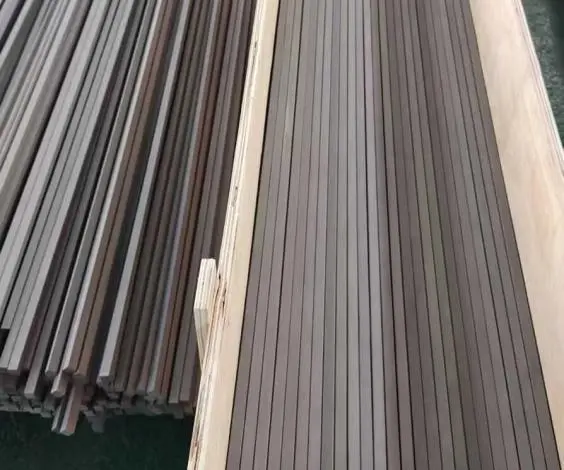
Understanding Monel 401 Bar and Its Unique Properties
Monel 401 bar is a high-performance material made mostly of nickel and copper, which gives it unique mechanical properties. The metal usually has 67% nickel and 30% copper, along with carefully controlled trace elements that give it its unique qualities. This chemical makeup has a direct effect on some important mechanical qualities, like its ability to survive corrosion better than many other alloys and have a tensile strength of at least 760 MPa and a yield strength of at least 345 MPa.
Mechanical Properties and Heat Treatment Capabilities
Through its reaction to heat treatment methods, the alloy shows a huge range of uses. Annealing conditions give the best flexibility with a minimum extension of 45%. Controlled cooling and aging processes can improve strength without lowering corrosion resistance. Because of these qualities, the material is perfect for parts that need to be both mechanically and electrically stable.
Temperature Coefficient of Resistance Fundamentals
The temperature coefficient of resistance shows how much the electrical resistance of a material changes for every degree that the temperature changes. Lower TCR values mean better stability, which is very important in situations where electrical and physical stability is needed. To keep measurement accuracy and system reliability high, materials with little resistance drift are needed for precision instruments that work in tough conditions, like downhole sensors in oil wells or navigation systems in spacecraft.
The Science Behind Monel 401's Lowest Temperature Coefficient of Resistance
Monel 401 has better resistance stability because its microstructure was carefully designed and its impurity levels were carefully managed. The exact mix of nickel and copper makes a face-centered cubic crystal structure that keeps the effects of changing temperatures on electron motion to a minimum. This grouping of atoms makes the electrical qualities very stable over a wide range of operating temperatures.
Microstructural Advantages
The low TCR is due in large part to the polished metal microstructure that is the result of improved manufacturing processes. Controlled grain limits and even phase distribution stop changes in local resistance that could threaten the security of the electrical system as a whole. Vacuum arc furnaces and precise temperature settings are used in manufacturing processes at places like TSM Technology's production base to get these ideal microstructural qualities.
Comparative Performance Analysis
When you look at Monel 401 next to other materials, its benefits become clear. The following are rough temperature factors for standard materials:
- Monel 400: Because of its different copper content levels, Monel 400 has a higher TCR.
- Stainless steel 316: Stainless steel 316 has a much wider range of temperature-related resistances.
- Inconel 625: Inconel 625 works very well at high temperatures but has a higher TCR.
- Copper-nickel alloys: Copper-nickel alloys have different levels of performance based on how they are mixed.
These similarities show why materials engineers are choosing Monel 401 Bar more and more for temperature-sensitive uses where electrical stability has a direct effect on how well the system works.
Real-World Performance Applications
Monel 401 is used in precision measurement tools on offshore drilling platforms, where temperature changes from the surface to working depths can be more than 100°C. The stable electrical properties of the material make sure that sensor data stay the same during these big changes in temperature, which directly improves operating safety and efficiency.
Procurement Considerations for Monel 401 Bar in B2B Supply Chains
When buying rare metals, it's important to carefully check the certifications and compliance of suppliers to make sure they meet international standards. To lower project risks, engineering managers and buying teams need to look at what manufacturers can do, how reliable their quality systems are, and how reliable the supply chain is. TSM Technology runs three high-tech plants with more than 100 tools and eight production lines. This gives them the manufacturing power and adaptability to meet a wide range of customer needs.
Supplier Evaluation and Certification Requirements
Quality assurance procedures are the building blocks of an effective Monel 401 procurement. Material test certificates (MTC) and SGS test results are important certifications that check the chemical make-up, mechanical qualities, and production compliance. These papers make sure that the quality and traceability of the goods meet standards for aircraft, sea, and industry, such as ASTM B164, JIS H4551, DIN 17743, and EN 10204.
Pricing Structures and Supply Chain Optimization
Understanding how prices change over time helps buying teams get the best total cost of ownership. Changes in raw materials, order amounts, custom specs, and delivery needs are some of the things that affect prices. TSM Technology can supply 300 tons of goods every month, which lets them offer reasonable prices through economies of scale. They can also be flexible for unique orders that need to be accurate to within 0.05 mm.
Inventory Management and Availability
Procurement methods that work well balance the prices of inventory with the needs for availability. If you need to finish a job quickly, it's very helpful to have suppliers who offer stock plans and fast delivery. Standard diameters run from 5 to 300 mm and lengths from 3000 to 6000 mm, which are enough for most commercial uses. Custom sizes are also available for specific needs.
Applications and Advantages of Using Monel 401 Bar
Monel 401 bar is very useful in many industries where electrical stability and resistance to rust are very important because it has special qualities that make it stand out. Manufacturers in the aerospace industry use this alloy to make precise tools and electrical parts for aircraft systems that need to have stable electrical qualities when the temperature changes from the ground to high altitudes during flight. Because the material can keep its resistance properties stable, tracking systems, sensors, and control electronics can work reliably.
Marine and Offshore Engineering Applications
Marine settings have their own problems, like rust from seawater and changes in temperature that can make equipment less reliable. Because it is very resistant to rust in saltwater and has a low temperature coefficient, Monel 401 Bar is perfect for:
- Fine navigational tools that need to work regularly from warm surface conditions to cold deep-water operations
- Housings for sensors where electrical steadiness has a direct effect on measurement accuracy
- Parts of a control system that need to be resistant to rust and work consistently with electricity
The alloy works better in these situations for a longer time than other materials, which lowers upkeep costs and raises operating efficiency.
Oil, Gas, and Petrochemical Processing
Instruments that work correctly across a wide range of temperatures are needed in refineries and processing plants. In these conditions, Monel 401 parts work well because the metal stays stable even when the process temperature changes. This makes sure that measurement and control systems always work well. Because the material doesn't crack easily under stress, it's more reliable in high-pressure situations that are common in petroleum processes.
Power Generation and Energy Equipment
Materials that keep their electrical qualities when the temperature changes are needed for nuclear, thermal, and renewable energy sources. The low TCR properties of Monel 401 make sure that instruments and control systems work correctly during regular operations and thermal cycling events. In important energy infrastructure, this steadiness helps both the efficiency of operations and the dependability of safety systems.
TSM Technology: Your Trusted Partner for Premium Monel 401 Bar Solutions
TSM Technology is one of the biggest companies in the world that makes high-performance nickel-copper alloy products. They are especially good at making Monel 401 bars. Since its founding in 2011, our company has built a name for itself in the superior nickel metal field by being innovative, dependable, and high-quality. Our 3,200㎡ production base in Shaanxi has advanced vacuum arc furnaces and 2,500-ton forging presses, which allow us to handle raw materials and supply finished goods all in one step.
Manufacturing Excellence and Quality Assurance
Our dedication to quality shows in every step of the production process, from carefully melting and alloying metals to finishing the surface. A full quality check is done on every Monel 401 bar, which includes figuring out the material's make-up, trying its mechanical properties, using non-destructive testing (NDT), checking its dimensions, and making sure the surface is smooth. This strict method makes sure that the product always works well and meets the tough needs of aircraft, marine, and industrial uses.
Comprehensive Product Range and Custom Solutions
TSM Technology has a wide range of Monel 401 bar specs to meet the needs of many industries:
- Diameter range: 5–300 mm in diameter, which can be used for a variety of purposes
- Length options: 3000–6000 mm for common industry uses
- Surface finishes: There are three types of surface finishes: turned, peeled, and finished.
- Custom services: sizes that aren't standard, with tight limits of up to 0.05 mm
- Quality documentation: MTC and SGS test records for full accountability
With a yearly production capacity of 1,200 tons, we can reliably meet the needs of both large-scale projects and specific needs. Free samples make it possible to try and qualify materials before buying them in bulk. This lowers the risk of the project and makes sure that the materials will work together.
Global Supply Chain Reliability
TSM Technology has been selling internationally since 2004 and has roots in Hong Kong. They know how complicated global supply lines can be. Our strong inventory management systems and 300-ton monthly production capacity allow us to make supply plans that are flexible and meet project deadlines. This organizational success, along with our technical know-how, makes TSM Technology the best choice for important Monel 401 procurement needs.
Conclusion
Monel 401 Bar has a very low temperature coefficient of resistance because its nickel-copper makeup and microstructure are carefully controlled. This makes it essential for uses that need electrical steadiness across temperature changes. The alloy's special metallurgical qualities make it work consistently in settings like power production, oil and gas, aerospace, and marine, where changes in resistance caused by temperature could affect how well the system works. When buying teams know about these technical benefits and carefully choose suppliers and follow quality control rules, they can choose the best materials for tough jobs. TSM Technology's high-quality manufacturing and wide range of products give different industries the dependability and expert support they need to successfully adopt Monel 401.
FAQ
1.What makes Monel 401's temperature coefficient of resistance superior to other alloys?
The perfectly balanced 67% nickel and 30% copper content in Monel 401 gives it a better temperature coefficient of resistance. This is because it has a face-centered cubic crystal structure that keeps electron scattering changes to a minimum as the temperature changes. Compared to other materials, such as stainless steel or normal copper-nickel alloys, this metallurgical benefit makes the material very stable electrically.
2.How does heat treatment affect Monel 401's electrical properties?
Monel 401's mechanical properties can be improved through heat treatment methods that don't greatly affect its low temperature coefficient of resistance. By annealing and cooling the metal in the right way, its electrical stability is maintained while its mechanical properties, like tensile strength and corrosion resistance, are improved. This makes it perfect for hard uses.
3.What certifications are required for Monel 401 bar procurement?
International standards like ASTM B164, JIS H4551, DIN 17743, and EN 10204 must be followed for quality buying. Material Test Certificates (MTC) and SGS test results are important pieces of paperwork that prove the chemical composition, mechanical properties, and production compliance. This is done to make sure that the products can be tracked and that the quality is high.
4.Which industries benefit most from Monel 401's low temperature coefficient of resistance?
The electrical stability of Monel 401 is very helpful for businesses like aerospace, naval engineering, oil and gas handling, and power generation. Temperature changes can affect the accuracy of measurements and the reliability of systems used in precise tools, navigation systems, sensors, and control equipment.
Partner with TSM Technology for Superior Monel 401 Bar Solutions
As your trusted Monel 401 Bar manufacturer, TSM Technology offers unmatched experience by blending cutting-edge production methods with thorough quality control systems. We can make high-performance nickel-copper alloys that meet the strictest industrial standards because our production sites are state-of-the-art and have vacuum arc furnaces and precise forging tools. We offer reliable solutions for aircraft, marine, and energy sector uses that need very stable temperature coefficients. Our monthly supply capacity is 300 tons, and we can make a lot of changes to fit your needs. Get in touch with our expert team at info@tsmnialloy.com to talk about your unique needs and get custom quotes. Try out the difference that 14 years of quality-driven manufacturing success can make for your next job.
References
ASM International Handbook Committee. "Properties and Selection of Nonferrous Alloys and Special-Purpose Materials." ASM International Metals Handbook, Volume 2, 10th Edition.
Davis, J.R. "Nickel, Cobalt, and Their Alloys." ASM International Specialty Handbook, Materials Park, Ohio.
Rebak, R.B. "Corrosion Resistance of Nickel-Based Alloys in Marine Environments." NACE International Conference Proceedings on Marine Corrosion.
Smith, G.V. "Temperature Coefficient Properties of Engineering Alloys." Journal of Materials Engineering and Performance, American Society for Materials.
Thompson, A.W. "Metallurgy and Applications of Monel Alloys in Industrial Environments." Materials Science and Technology Conference Proceedings.
Wilson, D.H. "Electrical Properties of Nickel-Copper Alloys Under Variable Temperature Conditions." International Journal of Materials Research and Applications.
Learn about our latest products and discounts through SMS or email