- English
- French
- German
- Portuguese
- Spanish
- Russian
- Japanese
- Korean
- Arabic
- Greek
- German
- Turkish
- Italian
- Danish
- Romanian
- Indonesian
- Czech
- Afrikaans
- Swedish
- Polish
- Basque
- Catalan
- Esperanto
- Hindi
- Lao
- Albanian
- Amharic
- Armenian
- Azerbaijani
- Belarusian
- Bengali
- Bosnian
- Bulgarian
- Cebuano
- Chichewa
- Corsican
- Croatian
- Dutch
- Estonian
- Filipino
- Finnish
- Frisian
- Galician
- Georgian
- Gujarati
- Haitian
- Hausa
- Hawaiian
- Hebrew
- Hmong
- Hungarian
- Icelandic
- Igbo
- Javanese
- Kannada
- Kazakh
- Khmer
- Kurdish
- Kyrgyz
- Latin
- Latvian
- Lithuanian
- Luxembou..
- Macedonian
- Malagasy
- Malay
- Malayalam
- Maltese
- Maori
- Marathi
- Mongolian
- Burmese
- Nepali
- Norwegian
- Pashto
- Persian
- Punjabi
- Serbian
- Sesotho
- Sinhala
- Slovak
- Slovenian
- Somali
- Samoan
- Scots Gaelic
- Shona
- Sindhi
- Sundanese
- Swahili
- Tajik
- Tamil
- Telugu
- Thai
- Ukrainian
- Urdu
- Uzbek
- Vietnamese
- Welsh
- Xhosa
- Yiddish
- Yoruba
- Zulu
Best Applications for Inconel 690 Seamless Tube
When materials engineers and procurement directors look for options that can withstand harsh industrial conditions with high temperatures and corrosion resistance, Inconel 690 tube stands out as a good choice. This nickel-chromium-iron superalloy is now needed for everything from making nuclear power to making chemicals, making airplanes, and working underwater. This seamless tubing solution is very resistant to stress corrosion cracking in high-temperature, high-pressure water environments. It can handle tough problems that other materials can't, which makes it the best choice for mission-critical situations where failure is not an option.
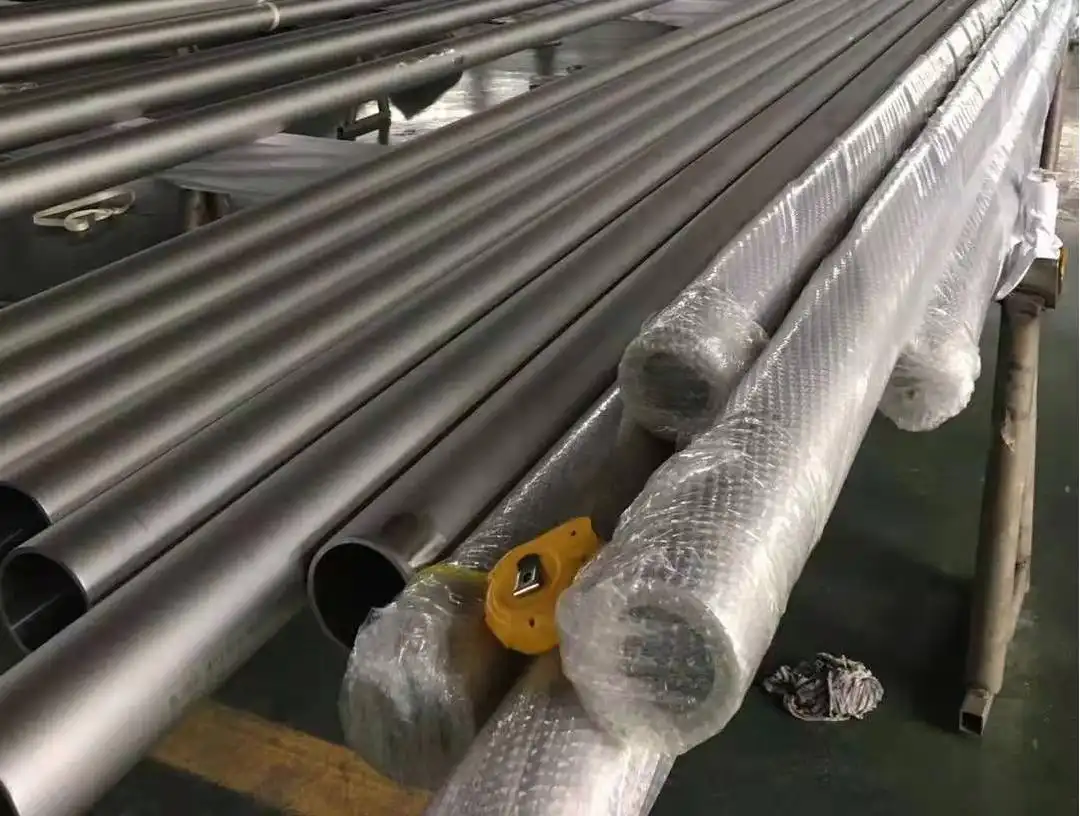
Understanding Inconel 690 Seamless Tube: Properties and Composition
This nickel-based superalloy's amazing performance comes from the fact that it has a unique makeup. Knowing what makes this material special helps buying teams make decisions about investments and choose the right specs for difficult projects.
Chemical Makeup Drives Performance
This combination is mostly made up of nickel (58% minimum), chromium (28–31%), and iron (9–11%). The high chromium content makes a film of chromium-rich oxide on the surface, which makes it very resistant to acidic conditions and stress corrosion cracking. The carbon content stays below 0.05%, which keeps rust resistance high in areas that are heated and reduces the formation of carbides during welding. Because the parts are carefully matched, the material can work consistently in both oxidizing and reducing environments.
Mechanical Strength Meets Thermal Stability
For materials experts looking at their choices, the physical properties of Inconel 690 tube tell a very interesting story. With a density of 8.19 g/cm³ and a melting point range of 1343–1377°C, this metal stays strong at temperatures where many other materials would break. Tensile strength is at least 655 MPa, and yield strength is at least 275 MPa. This gives the material strong mechanical performance. If the material stretches by at least 30%, it will be able to handle periods of thermal expansion and contraction without breaking. Because these qualities don't change much at different temperatures, seamless tubes made from this metal can be used continuously in harsh circumstances.
Seamless Manufacturing Ensures Reliability
The process of seamless building gets rid of lengthwise weld seams, which gets rid of possible weak spots where corrosion or mechanical failure could start. We start the production process by vacuum melting high-quality raw materials. This makes sure that the chemical makeup stays the same and that impurities are kept to a minimum. First, hot working is used to make the shape, and then precise cold drawing is used to get the exact dimensions. Before the final review, an annealing process at 925–980°C improves the microstructure and mechanical properties. Our 8 production lines, which are equipped with more than 100 precise tools, follow this strict process for making tubes that meet ASTM B622, ASME SB622, and EN 10095 standards and can be fully tracked.
Best Industrial Applications of Inconel 690 Seamless Tube
When you look at how different businesses use its special qualities, you can see how useful this nickel-chromium superalloy is. Each application uses different speed traits to solve problems that are unique to its own business.
Nuclear Power Generation: The Primary Application
Materials for nuclear steam engines need to be able to handle the harshest conditions you can think of. High-temperature, high-pressure water makes a setting where other materials have been prone to stress corrosion cracks in the past. Our seamless tubes work great for this purpose because they have a lot of chromium, which makes them more resistant to primary water stress corrosion cracks than older metals like Inconel 600. The important part where the main and secondary cooling systems meet is the steam generator heat transfer tubes that are made to nuclear power RCC-M standards. Materials experts choose these tubes because recorded performance data shows that they have a significantly longer service life, which means that they need to be replaced less often and cost less. The smooth construction gets rid of weld zones that could become good places for corrosion, and the metal makeup keeps the mechanical integrity even after decades of use.
Chemical Processing Equipment
Inconel 690 tube is widely used in nitric acid production facilities, waste treatment systems, petrochemical plants, and high-temperature chemical reactors where materials face aggressive corrosive conditions. Because nitric acid creates highly oxidizing environments, these applications require alloys with strong passivation resistance. The alloy offers excellent resistance to intergranular corrosion, pitting, and high-temperature oxidation, making it suitable for heat exchangers, reactor vessels, and process piping systems. In petrochemical hydrocracking units, the tubes perform reliably under high-pressure, hydrogen-rich conditions that can cause carburization and hydrogen attack in conventional steels. Their seamless construction helps maintain pressure integrity while reducing weld-related weak points, allowing stable mechanical performance in demanding operating environments.
Oil, Gas, and Petrochemical Operations
Sour gas with hydrogen sulfide is processed on offshore platforms and factories. This makes materials that are easily damaged crack under sulfide stress. Desulfurization units, valves, pumps, and pipe systems need metals that don't rust and keep working well in these harsh conditions. This material is chosen by engineering managers and repair buying teams because it lasts longer between services than regular stainless steels. Because it doesn't rust and is strong at high temperatures, it can be used in a wide range of situations, from flare stacks to hydrogen generators. Even though the original investment in materials is higher than with other choices, the total cost of ownership is lower when you consider less maintenance, fewer unplanned shutdowns, and longer equipment life.
Aerospace and Power Generation
This superalloy is used by aerospace companies to make turbine parts, engine parts, and thrust reversers, all of which need to be light and work at high temperatures. The shape of the seamless tube makes it stronger while also keeping the weight down compared to cast options. These tubes are used in combustion zones and heat recovery steam generators of gas turbines in power plants. The alloy is resistant to complex corrosive conditions that contain sulfur compounds and ash, which is good for tools used in coal gasification. Experts in materials like that the metal stays resistant to both creep and rust after being heated and cooled thousands of times.
These different uses show why procurement directors in all kinds of businesses use this tried-and-true material answer when other options don't work.
Comparing Inconel 690 Seamless Tube With Other Alloy Tubes
To make smart buying choices, you need to know how this metal stacks up against other options. There are different benefits to each material, and choosing the best one relies on the needs of the product, the operating conditions, and your budget.
Advantages Over Stainless Steel
Standard austenitic stainless steels, such as 304 and 316, work great for many things, but they aren't strong enough at high temperatures or resistant to rust to be used in harsh settings. Even though stainless steel costs a lot less at first, it cracks easily under stress in chloride-containing conditions and becomes weak very quickly above 600°C. The nickel-chromium superalloy keeps its mechanical qualities and ability to prevent corrosion at temperatures higher than 1000°C. When thermal cycling is used, the better resistance to thermal wear explains the higher cost of the material because it lasts longer and needs to be replaced less often.
Comparison With Other Inconel Grades
In the Inconel family, picking the right grade is important. The amount of chromium in Inconel 600 is smaller than in Inconel 690 tube (14–17%), which makes it more likely to crack under stress in hot water. In order to fix this problem, nuclear power plant workers switched from Inconel 600 steam generator tubes to Inconel 690 tube. Inconel 625 is very strong because it is solid solution strengthened, and it has molybdenum in it, which makes it more resistant to pitting and crevice rust. But Inconel 625 is more expensive and is usually only used in coastal and saltwater uses where resistance to chloride is very important. Because it hardens through precipitation, Inconel 718 is stronger, but its highest working temperature is lower. Inconel 690 tube is the best choice for high-temperature steam and water uses because it is both cost-effective and resistant to stress corrosion cracks.
Evaluating Alternative Alloys
Hastelloy grades work better in less acidic settings and are more resistant to hydrochloric and sulfuric acids than Inconel metals. When working with very competitive reducing conditions, procurement managers choose Hastelloy. Monel metals are very resistant to seawater and hydrofluoric acid, but they can't handle high temperatures. Titanium metals have great strength-to-weight ratios and are resistant to chlorides. However, they need to be welded in a certain way and lose strength above 400°C. The nickel, chromium, and iron mix makes it more useful in oxidizing and reducing conditions. It also makes it easier to fabricate and fix in the field because it is so easy to weld and fabric.
Procurement Insights: How to Source Quality Inconel 690 Seamless Tubes
Getting reliable materials from approved makers protects the integrity of the project and makes sure that all regulations are followed. Purchasing teams need to carefully check out sources to avoid getting fake goods or poor quality.
Verifying Manufacturer Certifications
Certified production methods are the first step toward quality. When it makes sense, look for suppliers who have ISO 9001 quality control certification and, if necessary, AS9100D aerospace approval. These credentials show that quality systems and methods for continuous growth are well-established. Material test certificates (MTC) and third-party verification through SGS test results that list the chemical make-up and mechanical qualities of the product should be given by manufacturers. Compliance with ASTM B622 and ASME SB622 must be proven through test data, not just claims. For nuclear uses, you need to be RCC-M certified, which takes a lot of paperwork. Our facility keeps these certifications up to date and offers full traceability from the heat numbers of the raw materials to the records of the final review.
Dimensional Specifications and Customization
Inconel 690 tube is available in outside diameters ranging from 6 mm to 114 mm, with wall thicknesses from 0.5 mm to 15 mm. Standard lengths can reach 15,000 mm, allowing most installations to minimize on-site welding requirements. Because tighter dimensional tolerances increase production costs, materials engineers should select specifications based on actual application requirements. Surface finishing options such as mechanical polishing, electropolishing (EP), and chemical polishing (CP) influence both appearance and functional performance. Electropolished surfaces provide improved cleanliness and reduced contamination buildup in high-purity process applications. Close cooperation between procurement teams and manufacturers also helps support custom requirements for non-standard dimensions, special testing procedures, and specialized end preparations.
Lead Times and Supply Chain Considerations
Specialized tools and manufacturing time are needed to make smooth tubes. Lead times for normal orders are usually between 8 and 12 weeks, but they can be up to 16 weeks for unique orders that need special testing or certifications. Our three companies can make 300 tons of goods every month, so we can quickly serve even big orders. Directors of procurement should plan ahead for projects that are on the fast track and think about setting up framework deals for ongoing needs. Minimum order amounts depend on the specification, but they usually start at realistic levels that meet the needs of the project without forcing too much inventory. Coordinating export paperwork, protective packing in wooden cases or steel crates, and following the import rules of the target country are all parts of global shipping operations.
Building Long-Term Supplier Relationships
Transactional buying isn't enough for procurement to work well. Building connections with manufacturers that offer technical help throughout the lifecycle of a product is good for engineering managers. Having access to metallurgy experts helps choose the best materials and fix problems in the field. Suppliers who can do a lot of different kinds of testing, like ultrasound inspection, radiography testing, and eddy current examination, are more valuable than just providing materials. Since 2011, our team has helped companies in more than 70 markets around the world, giving them experience with a wide range of application needs and regulatory conditions.
Technical Support and Handling Tips for Inconel 690 Seamless Tubes
Nickel-chromium tubing systems work best and last as long as they are installed, joined, and maintained correctly. Knowing the specific needs of a material helps you avoid making mistakes that cost a lot of money during production and use.
Welding Procedures and Filler Materials
To join properly, you need to follow the right steps and use filler materials that are suitable. The AWS A5.14 ERNiCrFe-7 filler metal is the same chemical make-up as the base metal and gives welding joints the best corrosion protection. Gas tungsten arc welding (GTAW/TIG) makes clean, high-quality welds that can be used in dangerous situations. Gas metal arc welding (GMAW/MIG) can cast metal faster for parts that aren't as important. To keep oxidation from happening, shielding gas should be high-purity argon or mixes of argon and helium. Most of the time, preheating is not needed. However, the temperature between passes should stay below 200°C to avoid hot cracking. Usually, there is no need for a heat treatment after the welding process. However, solution annealing at 980–1040°C can be done if the requirements say so. If you build, fit, and clean your joints correctly, you can avoid flaws that could weaken their resistance to rust.
Installation Best Practices
The material's corrosion-resistant surface is protected by the way it is handled. For Inconel 690 tube, stay away from tools, work areas, and abrasive materials made of carbon steel that contain iron bits. Only tools made of stainless steel or nickel metal should be used. Support the tubes properly during installation to avoid too much twisting stress that could lead to breaking or hardening of the work. In high-temperature systems, expansion measures must be able to handle heat growth. Before they can be put together, tube ends need to be properly prepared by deburring, cleaning, and inspecting. To keep leaks from happening, mechanical parts that use ferrule fittings or flanged connections should be torqued according to the manufacturer's instructions.
Non-Destructive Testing and Quality Verification
A thorough review makes sure that tubes meet the requirements before they are installed and checks their stability while they are in use. Ultrasonic testing checks for problems inside and makes sure the walls are thick enough. Eddy current testing is very good at finding flaws on the surface or very close to the surface. Radiographic tests can show where the seams are breaking inside welded joints. Before starting up, hydrostatic testing makes sure that the pressure stability is correct. Positive material identification (PMI) with X-ray fluorescence proves the makeup of the alloy, which keeps expensive mistakes from happening with lower-quality materials. Procurement managers should demand that review results be written down and match the project's requirements. Regular inspections while the system is in use using non-destructive methods find wear and tear before they happen, which allows for proactive upkeep that extends the system's life.
Conclusion
Inconel 690 tube, a type of nickel-chromium seamless tubing, works very well in nuclear power, chemical processing, aircraft, and oil and gas uses. This is why materials engineers and procurement professionals choose this tried-and-true superalloy for their toughest projects. Because it is better at resisting stress corrosion cracking, high-temperature oxidation, and harsh chemical conditions, it is more reliable than most materials. For projects to go well, it's important to know the properties of the alloy, compare it to other options, and only buy from approved makers with clear quality systems. When you build, install, and maintain things the right way, you get the most out of your investment because they last longer and break down less often.
FAQ
1. Which industries benefit most from this nickel-chromium alloy tubing?
The main use is for nuclear power, especially for the heat transfer tubes in steam generators, where resistance to stress corrosion cracking is very important. These tubes are used in boilers and tools used in chemical processing plants to make nitric acid. The material for sour gas settings and desulfurization units is chosen by oil and gas activities. Aerospace companies use it to make engine parts that need to be strong at high temperatures.
2. How does corrosion resistance compare with other nickel alloys?
Compared to Inconel 600, the high chromium content (28–31%) makes it more resistant to acidic conditions and stress corrosion cracking. Hastelloy grades work best in reducing acids, but this metal can be used in a wider range of oxidizing and reducing environments. When used with high-temperature water and steam, the material works really well.
3. What lead times should procurement teams expect?
As a general rule, it takes 8 to 12 weeks from the time an order is placed until it is delivered. Customized sizes or unique testing needs may make the wait time up to 16 weeks. When you plan ahead and share project schedules with suppliers, you can work together to make sure that important installation times are met.
Partner With TSM Technology for Your Inconel 690 Tube Requirements
It is very important to choose the right Inconel 690 tube provider for a job. With 15 years of specialized experience and ISO 9001 and AS9100D certifications, TSM Technology makes high-quality seamless tubes in a 50,000㎡ building with more than 100 precise tools. With a monthly production capacity of 300 tons, we can reliably meet the needs of projects of any size. When it comes to matching materials to your application needs, our research team can help you whether you need standard specifications or unique measurements. Full paperwork, like MTC and SGS test records, helps you make sure the quality of your products, and our experience working with more than 70 global markets means we know the rules and logistics needed for foreign buying. Get in touch with us at info@tsmnialloy.com to talk about your needs with a reliable Inconel 690 tube manufacturer that is dedicated to providing certified quality, competitive wait times, and helpful customer service that supports your business greatness.
References
1. ASM International Handbook Committee. "Nickel, Cobalt, and Their Alloys." ASM Specialty Handbook. ASM International, Materials Park, Ohio, 2000.
2. American Society of Mechanical Engineers. "Specification for Nickel-Chromium-Iron Alloys Seamless Pipe and Tube." ASME SB-622. New York, 2021.
3. ASTM International. "Standard Specification for Nickel-Chromium-Iron Alloys Seamless Pipe and Tube." ASTM B622-18. West Conshohocken, Pennsylvania, 2018.
4. Special Metals Corporation. "Inconel Alloy 690 Technical Bulletin." Publication Number SMC-079, 2019.
5. Electric Power Research Institute. "Materials Reliability Program: Steam Generator Management Program." EPRI Technical Report 1021018, Palo Alto, California, 2010.
6. Rebak, R.B. "Alloy Selection for Service in Supercritical Water." Corrosion Science and Technology. Volume 65, Issue 3, 2017, pp. 121-132.
Learn about our latest products and discounts through SMS or email