- English
- French
- German
- Portuguese
- Spanish
- Russian
- Japanese
- Korean
- Arabic
- Greek
- German
- Turkish
- Italian
- Danish
- Romanian
- Indonesian
- Czech
- Afrikaans
- Swedish
- Polish
- Basque
- Catalan
- Esperanto
- Hindi
- Lao
- Albanian
- Amharic
- Armenian
- Azerbaijani
- Belarusian
- Bengali
- Bosnian
- Bulgarian
- Cebuano
- Chichewa
- Corsican
- Croatian
- Dutch
- Estonian
- Filipino
- Finnish
- Frisian
- Galician
- Georgian
- Gujarati
- Haitian
- Hausa
- Hawaiian
- Hebrew
- Hmong
- Hungarian
- Icelandic
- Igbo
- Javanese
- Kannada
- Kazakh
- Khmer
- Kurdish
- Kyrgyz
- Latin
- Latvian
- Lithuanian
- Luxembou..
- Macedonian
- Malagasy
- Malay
- Malayalam
- Maltese
- Maori
- Marathi
- Mongolian
- Burmese
- Nepali
- Norwegian
- Pashto
- Persian
- Punjabi
- Serbian
- Sesotho
- Sinhala
- Slovak
- Slovenian
- Somali
- Samoan
- Scots Gaelic
- Shona
- Sindhi
- Sundanese
- Swahili
- Tajik
- Tamil
- Telugu
- Thai
- Ukrainian
- Urdu
- Uzbek
- Vietnamese
- Welsh
- Xhosa
- Yiddish
- Yoruba
- Zulu
Common Applications of Hastelloy C276 Seamless Tubes
Hastelloy C276 seamless tubes are one of the most useful nickel-molybdenum-chromium metals for businesses that work in harsh conditions that corrode things easily. The Hastelloy C276 tube is very resistant to oxidising and reducing agents, which is why it is used so extensively in chemical processing, underwater drilling, power generation, and aircraft. Its special mix of nickel, molybdenum, chromium, and tungsten makes it very durable in high-temperature, acidic, and chloride-rich environments where other materials break down quickly.
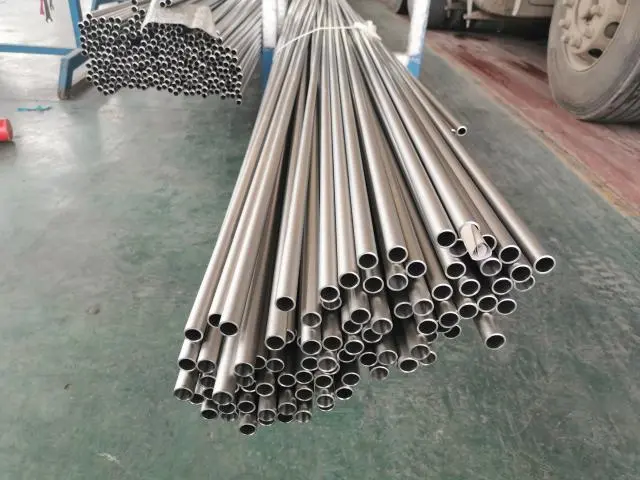
Understanding Hastelloy C276 Seamless Tubes: Properties and Manufacturing
Chemical Composition and Material Characteristics
Nickel, chromium, and molybdenum metals work very well because their chemicals are carefully matched. Hastelloy C276 is mostly made up of nickel (57%), molybdenum (16%), and chromium (15%). It also has small amounts of tungsten, iron, and cobalt. With this exact recipe, a material matrix is made that doesn't rust, pit, or crack from stress corrosion in a wide range of industry settings.
At TSM Technology, we make seamless tubes that meet the requirements of UNS N10276. This way, we can be sure that the material qualities are the same in every batch. Our metal has very little carbon—usually less than 0.01%—so carbide doesn't form too much during welding. This keeps the resistance to rust high even in areas that have been heated.
Advanced Manufacturing Techniques
To get accurate measurements and a strong structure, making seamless tubes takes complex metallurgy methods. The first step in the production process is vacuum induction melting. Next is electroslag remelting, which gets rid of any flaws and makes sure the chemicals are all the same. We use rotary cutting and cold drawing to make seamless tubes with wall thicknesses of 0.5 mm to 15 mm and outside sizes of 6.0 mm to 114 mm.
When it comes to production, we can make things in any size needed for specific tasks. The cold-working method makes the material stronger while keeping its flexibility. This means that it can handle changes in temperature and mechanical stress without breaking. Surface processes like pickling, bright annealing, and polishing give the finish quality needed for semiconductor, pharmaceutical, and food processing uses that need to get rid of surface contamination.
International Standards and Quality Assurance
Following international standards makes sure that materials can be tracked and that their performance is reliable across all global supply lines. Our seamless tubes meet the requirements of ASTM B622, and our welded tubes meet the requirements of ASTM B619 and ASTM B626. Each production lot goes through strict testing procedures that include checking the tensile strength, measuring the hardness, checking for intergranular rust, and confirming the material's identity.
Every package comes with quality paperwork like mill test papers, chemical analysis records, and data on the material's mechanical properties. This complete trail of paperwork meets the needs of buying teams for important uses in flight certification, nuclear quality assurance, and ISO 9001 compliance systems.
Key Industrial Applications of Hastelloy C276 Seamless Tubes
Chemical Processing and Petrochemical Operations
Chemical companies and factories use Hastelloy C276 tube in environments that break down common materials very quickly. Nickel-molybdenum metal tubing works very well in systems that deal with acetic acid, sulphuric acid, hydrochloric acid, and mixed acids, where stainless steel breaks down quickly due to rust. Heat exchangers made from these smooth tubes keep their heat efficiency and don't get clogged or crack from stress corrosion.
This stuff is used in fluid catalytic cracking units, hydrodesulfurization reactors, and alkylation processes in petrochemical plants. When you combine high-temperature strength with rust resistance, you can avoid unexpected shutdowns. This lowers the cost of upkeep and raises the safety of operations. In pharmaceutical synthesis and fine chemical production, seamless tubing is used to build piping systems that can carry toxic process streams without contaminating the products.
Marine and Offshore Engineering Applications
When it comes to acidic conditions, seawater is one of the worst for building materials. Normal stainless steels are destroyed by chloride cracking within months of being exposed, but corrosion-resistant nickel alloy tubes stays strong for decades. Manufacturers of marine equipment use this material for condensers, evaporators, and purification devices that work near the coast or at sea.
These tubes are used for chemical pumping systems, hydraulic control lines, and underwater equipment on offshore oil sites. Hydrogen sulphide and carbon dioxide don't react with the material, so it doesn't crack under stress, which can be very dangerous in sour gas conditions. This pipe is used by shipbuilders in emergency gear, backup power units, and systems that treat bilge water where dependability is important.
Aerospace and Defense Manufacturing
Manufacturers of aircraft engines need materials that don't oxidise or sulphide and keep their mechanical qualities at high temperatures. Nickel-chromium tube that isn't joined together is used in fuel injection pipes, turbine exhaust ducts, and heat exchanges for auxiliary power units. Because it isn't magnetic, this material can be used in places where electromagnetic interference needs to be kept to a minimum, like in avionic systems and sensor housings.
Defence uses include parts for rocket motors, missile tracking systems, and tools used to move ships. Because the material can be welded, complicated shapes can be made without having to be heated again after the welding process. This cuts down on production time and costs. Our quality recording methods work wonderfully with the military's need for traceability, which makes sure that every tube meets strict defence standards.
Power Generation and Energy Infrastructure
Corrosion-resistant tubing is used in steam engines, reactor cooling systems, and tools for handling garbage at nuclear power plants. The material's ability to prevent radiation-induced weakening and stress-corrosion cracks makes it reliable enough for long-term use. The alloy works well in high-temperature brine conditions with hydrogen sulphide and carbon dioxide, which is good for geothermal power plants.
In regular thermal power plants, these tubes are used in systems that remove sulphur from waste gas, selective catalytic reduction units, and wet scrubbers where sulphuric acid condensation happens. The material can handle both oxidising and lowering conditions that come up during cycle processes. It can keep its shape even when temperatures change quickly. Solar thermal receivers and biomass gasification systems are two examples of renewable energy uses where the results of burning are very strong and can damage materials.
Comparing Hastelloy C276 Seamless Tubes with Alternative Materials
Performance Advantages Over Austenitic Stainless Steel
Austenitic stainless steels, such as 304 and 316, don't rust too badly in slightly hostile conditions, but they break down quickly in chloride solutions above 60°C or reducing acids. Hastelloy C276 tube nickel-molybdenum-chromium metals are better at resisting cracking than stainless steel, so they can keep their structure intact in places where stainless steel would rust in weeks. In ferric chloride solutions, the critical pitting temperature is higher than 100°C, which gives safety gaps that aren't available with regular materials.
Another way that nickel-based metals fail that works really well is stress-corrosion cracks. In salt conditions, tension stress causes stainless steel parts to crack, which leads to sudden breakdowns in heat exchangers and pressure tanks. This way of breaking down isn't possible in C276 because it has a face-centered cubic crystal structure and a high nickel content. This lets higher design loads and smaller wall sections happen.
Comparison with Inconel and Monel Alloys
Inconel 625 is used for similar things, but it has less molybdenum than other alloys, which makes it less resistant to rust in reducing acid conditions. Both materials work well at high temperatures, but nickel-molybdenum-chromium tubing is better at working with chemicals, especially in acidic systems that have both oxidising and reducing species. When purchasing managers choose between these metals, they should think about the process chemistry.
Monel 400 works great in seawater and hydrofluoric acid, but it doesn't have as much rust protection as C276. Nickel-molybdenum-chromium alloys have more molybdenum than other alloys, which is needed for uses with sulphuric acid, ferric chloride, or hypochlorite solutions. The higher cost of the materials is due to their better performance, which means they will last longer and cost less over their entire time.
Cost-Benefit Analysis for Procurement Decisions
When choosing materials, you have to weigh the original cost against the ongoing costs of running the machine over its lifetime. Nickel-based metal tubing is much more expensive than stainless steel, but the longer life and less need for upkeep often make up for the extra cost. Unexpected shutdowns of chemical plants or remote platforms cost a lot more than replacing materials, which is why corrosion-resistant metals are a good investment.
When engineering teams compare materials, they should think about things like how hard it is to replace, how it affects safety, and how much production is lost. Premium materials are best for applications that are hard to get to, need to be safe, or can't afford to be down for long periods of time. Our expert support team helps people who work in buying do lifetime cost studies that are specific to the working conditions and performance needs of the project.
Procurement Guide for Hastelloy C276 Seamless Tubes
Supplier Selection and Quality Verification
Finding makers with strict quality systems and technical skills is the first step to successful buying. We started TSM Technology with a goal of producing the best materials possible. To do this, we created strict testing processes that go above and beyond what the industry requires. Our quality control includes checking the raw materials, inspecting the work in progress, and trying the finished product to make sure it always works the same way.
Documentation for Hastelloy C276 tube material approval makes it possible to track the material from the main melt to the final shipment. Chemical makeup analysis, mechanical property data, and rust resistance test results are all part of mill test records. Third-party testing services can confirm that materials are real and meet certain standards, which is extra security for important uses.
Specification Development and Customization Options
Standard tube widths work for a lot of different uses, but custom sizes improve system performance and lower the cost of making them. For special needs, we can make things with outside sizes ranging from 6 to 114 mm, wall thicknesses ranging from 0.5 to 15 mm, and lengths of up to 15,000 mm. When engineers work together to make specifications, they make sure that the features of the materials match the working conditions and the needs of the mechanical design.
You can get a surface finish that is pickled, bright annealed, or electropolished, all of which meet the cleanliness standards of the application. For pharmaceutical and chip uses, the insides must be mirror-polished and have a hardness value below 0.4 micrometres to keep contaminants out and make cleaning easier. We give you material test results that show the quality of the surface and the level of cleanliness that meet the strict standards of the industry.
International Logistics and Import Considerations
When you buy things from other countries, you have to deal with government rules, shipping processes, and different payment terms. Since 2011, we've been dealing internationally, so doing business with people in North America, Europe, and Asia is easy for us. We take care of all the shipping paperwork that is needed to get goods through customs, like business bills, packing lists, certificates of origin, and material test results.
Lead times depend on how complicated the specifications are, how many items are ordered, and when they need to be made. Usually, standard sizes ship in four to six weeks. Custom orders, on the other hand, need eight to twelve weeks to be made and checked for quality. We keep a smart stockpile of common sizes on hand to meet the fast delivery needs of emergency repairs and maintenance that wasn't planned.
Future Trends and Innovations in Hastelloy C276 Seamless Tubing
Advanced Manufacturing Technologies
Digital manufacturing technologies are changing the way nickel alloys are made by making it easier to control the process and make sure the quality of the finished product. Real-time tracking tools keep an eye on important factors while melting, shaping, and heat treating. This makes sure that the features of the material stay the same and the number of defects is lower. Using additive manufacturing techniques, you can make tubes with complicated shapes that you couldn't make with traditional methods. This gives you more ways to build heat exchanges and reactor parts.
Precision making technologies for Hastelloy C276 tube cut down on waste while improving the accuracy of measurements. Computer-controlled cold drawing tools keeps the wall thickness constant within very tight limits, so there is no need for expensive secondary cutting. These changes to the way things are made lead to lower costs, which makes nickel-based metals more competitive with other materials.
Expanding Market Applications
New businesses are learning how useful corrosion-resistant nickel metals can be for specific tasks. Pharmaceutical companies ask for these tubes to be used in bioreactors and chromatography systems that use strong disinfectants and cleaning chemicals. In places that make electronics, ultra-high-purity tubing is used in chemical delivery systems for semiconductor processing equipment, where metal contamination lowers yields.
Carbon capture and storage devices need materials that don't break down in amine solutions or places with a lot of carbon dioxide. As we move toward using green fuels, we will need more tubes for infrastructure that makes, stores, and moves hydrogen. These growing uses lead to new materials and better ways of making things, which helps standard industry users.
Sustainability and Lifecycle Considerations
Environmental responsibility is becoming more and more important in all businesses when choosing materials. Because they last longer and use fewer raw materials and materials, nickel-based metals are better for the environment. When the metals reach the end of their useful life, they can still be recycled in full, with scrap material going back into the main production lines without affecting their performance.
Lifecycle assessment methods measure how materials affect the world during their production, use, and removal. Studies show that premium corrosion-resistant materials leave less of an impact on the environment than commonly used normal metals, even though they have a higher starting stored energy. Lifecycle thinking is used in procurement strategies to make sure that the materials chosen are in line with the company's environmental goals while also improving business costs.
Conclusion
Hastelloy C276 tube seamless tubes work better than any other material in harsh conditions like chemical processing, naval operations, aircraft manufacturing, and power generation. The material's unique mix of resistance to rust, strength at high temperatures, and ease of production makes it the best choice for important uses where failure would have major safety and cost effects. Procurement pros can make decisions that improve machine efficiency and lifecycle costs by knowing the qualities of materials, how they are made, and what they are used for.
FAQ
1.What types of businesses can use nickel-molybdenum-chromium metal tubes the most?
The main markets are for chemical processing, offshore oil and gas production, aircraft manufacturing, and power generation. These industries use tools in harsh settings where regular materials break down quickly. Because of this, the higher prices of materials that are better at resisting rust and having good mechanical qualities are economically justified.
2.What is the difference between seamless structure and bonded tubing?
Seamless tubes don't have a lengthwise weld line, which can be a weakness in welding building. Because there are no weld-affected zones, the rust protection and tensile qualities are the same all the way around the tube. For high-pressure uses and services that involve temperature cycles or acidic conditions that might target weld zones more than other parts, seamless construction is best.
3.Is it possible to attach these tubes to other things?
Because it welds so well, it can be joined to other nickel-based alloys and to metals that are not the same, like carbon steel and stainless steel. If you follow the right steps for welding and choose the right filling metal, the joint will stay strong and not rust. For important jobs that need certain performance traits, our technical support team helps with approval and writing specs for welding procedures.
Partner with TSM Technology for Your Hastelloy C276 Tube Requirements
TSM Technology is a trustworthy company that makes and sells Hastelloy C276 tubes. They have been doing business internationally for over 14 years and are dedicated to always providing the best products. Our seamless tubes meet ASTM B622 standards and come with full quality paperwork and full material tracking. Our customisation options let you choose specific sizes, styles, and shipping times that work with your project needs. Contact our engineering team at info@tsmnialloy.com to talk about the problems you're having with your application and find out how our quality nickel alloy solutions can help your important processes run more smoothly and for longer.
References
ASM International. "Properties and Selection: Nonferrous Alloys and Special-Purpose Materials." ASM Handbook Volume 2, Materials Park, Ohio, 1990.
Boyer, Howard E., and Timothy L. Gall. "Metals Handbook: Desk Edition." American Society for Metals, Materials Park, Ohio, 1985.
Cramer, Stephen D., and Bernard S. Covino. "ASM Handbook Volume 13A: Corrosion: Fundamentals, Testing, and Protection." ASM International, Materials Park, Ohio, 2003.
Davis, Joseph R. "Nickel, Cobalt, and Their Alloys." ASM International Specialty Handbook, Materials Park, Ohio, 2000.
Rebak, Raul B. "Corrosion Performance of Metallic Materials for Nuclear Waste Disposal Containers." JOM: The Journal of the Minerals, Metals & Materials Society, Volume 63, Issue 2, 2011.
Sedriks, A. John. "Corrosion of Stainless Steels." John Wiley & Sons, New York, 1996.
Learn about our latest products and discounts through SMS or email