- English
- French
- German
- Portuguese
- Spanish
- Russian
- Japanese
- Korean
- Arabic
- Greek
- German
- Turkish
- Italian
- Danish
- Romanian
- Indonesian
- Czech
- Afrikaans
- Swedish
- Polish
- Basque
- Catalan
- Esperanto
- Hindi
- Lao
- Albanian
- Amharic
- Armenian
- Azerbaijani
- Belarusian
- Bengali
- Bosnian
- Bulgarian
- Cebuano
- Chichewa
- Corsican
- Croatian
- Dutch
- Estonian
- Filipino
- Finnish
- Frisian
- Galician
- Georgian
- Gujarati
- Haitian
- Hausa
- Hawaiian
- Hebrew
- Hmong
- Hungarian
- Icelandic
- Igbo
- Javanese
- Kannada
- Kazakh
- Khmer
- Kurdish
- Kyrgyz
- Latin
- Latvian
- Lithuanian
- Luxembou..
- Macedonian
- Malagasy
- Malay
- Malayalam
- Maltese
- Maori
- Marathi
- Mongolian
- Burmese
- Nepali
- Norwegian
- Pashto
- Persian
- Punjabi
- Serbian
- Sesotho
- Sinhala
- Slovak
- Slovenian
- Somali
- Samoan
- Scots Gaelic
- Shona
- Sindhi
- Sundanese
- Swahili
- Tajik
- Tamil
- Telugu
- Thai
- Ukrainian
- Urdu
- Uzbek
- Vietnamese
- Welsh
- Xhosa
- Yiddish
- Yoruba
- Zulu
How Does Inconel 617 Round Bar Resist Oxidation and Creep?
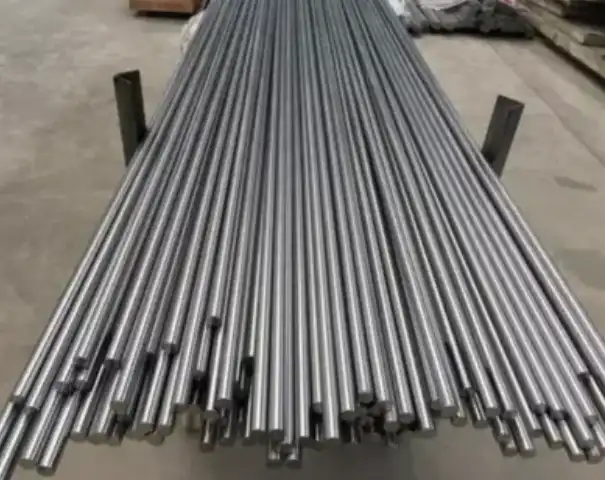
The unique nickel-chromium-cobalt-molybdenum makeup of Inconel 617 round bar makes it more resistant to oxidation and creep. At high temperatures, it forms protective oxide layers that keep the structure strong even when it is under long-term stress. The unique metallurgical qualities of this superalloy make it work very well in harsh environments. Chromium protects against oxidation, cobalt improves high-temperature strength, and molybdenum helps prevent creep. These elements work together to make the material strong enough to survive temperatures up to 1200°C and keep its shape over time. This makes it an essential material for use in aerospace combustion parts and industrial turbines.
Understanding the Oxidation and Creep Challenges in High-Temperature Alloys
A lot of problems can happen in high-temperature industrial settings that can damage metal parts and make them less effective. Oxidation is one of the most destructive processes. It happens when metals react with air at high temperatures to make oxide scales that can flake off, causing material loss and changes in size over time. This effect is especially strong above 800°C, where normal alloys start breaking down quickly, which shortens the life of parts and makes upkeep more expensive.
Creep is also a very big problem. It shows up as slow, lasting deformation under high temperatures and constant stress. In contrast to instant failure modes, creep happens slowly over time. This makes it very dangerous because parts may look like they are working, but they are actually losing their ability to hold weight. Atomic diffusion processes cause this effect, and they become more active as temperatures rise. Eventually, these processes cause changes in the microstructure that weaken the mechanical qualities.
The Science Behind High-Temperature Material Degradation
Temperature, stress, and environmental factors all combine in complicated ways in the metallurgical processes that cause these problems. Oxidation rates usually follow hyperbolic laws, which say that they speed up exponentially as temperature rises. At low temperatures, creep happens when the grain boundaries slide. At high temperatures, dislocation climb and diffusion creep happen. When engineers understand these basic processes, they can choose the right materials that can work in certain situations while still keeping safety margins throughout their service life.
Impact on Industrial Operations
Many different types of industries have a hard time running their businesses because of these degradation processes. Aerospace companies could have catastrophic fails if turbine parts deform in ways that were not expected while the plane is in flight. Power plants have to weigh the benefits of higher working temperatures for efficiency gains against the costs of faster material degradation. Petrochemical plants that use continuous processes can't afford to have to shut down unexpectedly because of problems with key pipe systems caused by oxidation.
Key Properties of Inconel 617 Round Bar that Enhance Oxidation and Creep Resistance
Inconel 617 round bar works so well because the chemicals that make it up were carefully chosen to be 44-52% nickel, 20-23% chromium, 12-15% cobalt, and 8-10% molybdenum. It is because each element has its own protective processes that work together to stop high-temperature degradation. Chromium creates thick, stick-together oxide layers that stop further oxidation, and cobalt makes the alloy matrix stronger and improves its high-temperature mechanical qualities.
Molybdenum is an important part of solid-solution strengthening because it stops dislocations from moving, which stops creep deformation. The nickel matrix is very resistant to rust and keeps the structure stable over a wide range of temperatures. The ingredients in this mixture make a material that can survive long-term exposure to temperatures of up to 1200°C while still remaining stable in size and strong.
Microstructural Engineering for Enhanced Performance
The microstructure of the metal is carefully improved through controlled heat treatment methods that make it more resistant to oxidation and creep. Solution annealing at temperatures around 1175°C breaks up precipitates and makes a uniform austenitic structure. Later processes that are used to age the metal can be changed to create different strengthening phases. Because these changes were made to the metal, its creep break strength and resistance to thermal cycling damage have both gone up.
Protective Oxide Layer Formation
When exposed to high temperatures, the chromium presence allows a stable Cr2O3 oxide layer to form that sticks strongly to the substrate material. This protective layer grows slowly and stays put during temperature cycling, keeping oxygen from getting to the metal below. The oxide layer's ability to heal itself means that it keeps protecting even after small mechanical damage. This helps the material last for a long time in harsh environments.
Comparative Analysis: Inconel 617 Round Bar vs Other High-Temperature Alloys
When buying superalloys for use in extreme temperatures, procurement workers need to look at more than just how well they can handle high temperatures. The Inconel 617 round bar has better protection to oxidation above 1000°C compared to 625. This is because it has more cobalt and chromium than 625. Inconel 625 is great at resisting corrosion in wet environments, but Inconel 617 is made to fight oxidation in gaseous phases and be strong at high temperatures.
When compared to regular stainless steels, this superalloy has much better performance margins. Above 500°C, standard 316L stainless steel starts to lose strength quickly, and above 800°C, it oxidizes badly. When temperatures reach levels that make stainless steels useless for building structures, the nickel-based mixture keeps its strength.
Performance Metrics Comparison
The following performance benefits show why this material is so highly valued in high-temperature markets:
- The creep rupture strength is 15% higher than normal grades thanks to a special thermomechanical process
- 20% better protection to oxidation at temperatures above 1000°C compared to standard options
- Durability in thermal cycling: better resistance to cracking during repeated heating and cooling cycles
- Resistance to corrosion: Excellent performance in settings with sulfur compounds in the combustion gas
There is a clear link between these measured improvements and longer service life, less maintenance, and higher operational reliability. These performance claims are backed up by independent testing by aerospace certification bodies. This gives procurement teams trust in their decisions about which materials to choose.
Cost-Benefit Analysis for Industrial Applications
The original cost of the materials is higher than that of regular alloys, but the total cost of ownership often favors this higher-quality material choice. Higher acquisition costs are balanced out by longer repair intervals, less frequent replacements, and better process efficiency. Aerospace uses benefit most from saving weight by not having to use as thick walls. This is because the stronger materials allow for more aggressive design optimization.
Best Practices for Machining and Processing Inconel 617 Round Bars
Because it hardens when worked with and is very strong, this superalloy needs to be machined using special methods. Using traditional methods for cutting often leads to too much tool wear, a rough surface, and work hardening that makes it harder to do later operations. To process something well, you need to pay close attention to the cutting parameters, tool choice, and workholding techniques that work with the material's specific properties.
Because of the tendency for work-hardening, Inconel 617 round bar cutting must go on all the time to keep the tool from sticking and damaging the surface. Cuts should be interrupted as little as possible, and feed rates should stay the same so that hardened layers don't form that make it impossible to machine further. When you use positive rake angles on sharp cutting tools, you lower the cutting forces and heat that are created. Also, using flood coolant keeps the surface and tools from getting damaged by heat.
Advanced Processing Techniques
These difficult materials can be worked with easily on modern CNC machining machines that have high-pressure coolant systems. The following specific methods improve the results of machining:
- Cutting speeds: Keep surface speeds low (50–100 SFPM) to keep heat from building up and make sure chips keep forming.
- Rates of feed: To cut through layers that have been stiffened by work, use fast feed rates (0.010 to 0.020 IPR).
- Material for the tools: Compared to high-speed steel, carbide types with cobalt binders or ceramic cutting tools last longer.
- Holding work: During machining processes, rigid fixture systems keep parts from moving around and make sure they are the right size.
These processing factors need to be carefully optimized based on the geometry and tolerances of the part. Machinists with a lot of experience know that cautious methods often work better than aggressive cutting strategies that cause tools to break down too soon.
Heat Treatment Protocols
Post-machining heat treatment is a key part of making sure that the material has the best qualities for its intended use. Solution annealing gets rid of cutting stresses and evens out the microstructure so that the performance is always the same. Controlled cooling rates stop the formation of unwanted phases that could damage the qualities at high temperatures. Aging treatments that create certain strengthening stages can help in some situations, but they need to be carefully managed to avoid effects that make the material too old and less flexible.
Procurement Considerations for Inconel 617 Round Bars in Global B2B Markets
Global procurement strategies for this specialized material require understanding of supply chain dynamics, quality standards, and delivery capabilities across international markets. Raw material availability fluctuates based on nickel and cobalt market conditions, creating pricing volatility that affects project budgeting and contract negotiations. Successful procurement teams develop relationships with multiple qualified suppliers to ensure supply security while maintaining competitive pricing leverage.
Lead times vary significantly based on order quantity, specification requirements, and supplier capacity utilization. Standard diameter ranges typically maintain shorter delivery schedules, while custom specifications may require extended manufacturing timeframes. Buyers must balance inventory carrying costs against potential supply disruptions, particularly for critical applications where material shortages could halt production operations.
Supplier Qualification and Certification Requirements
Aerospace and nuclear applications demand suppliers holding specific quality certifications that validate manufacturing processes and testing capabilities. AS9100D certification ensures aerospace quality management systems, while nuclear applications may require ASME Section III qualifications. These certifications represent significant supplier investments that typically correlate with premium pricing but provide essential quality assurance for critical applications.
Material traceability becomes particularly important for regulated industries where component genealogy must be maintained throughout service life. Suppliers offering comprehensive documentation packages, including heat analysis certificates, mechanical property test reports, and manufacturing process records, command preference despite potentially higher costs. Digital quality systems enabling real-time access to certification data streamline procurement processes while ensuring compliance with customer requirements.
Strategic Sourcing Considerations
Effective sourcing strategies recognize the specialized nature of this material market and adjust procurement approaches accordingly. Long-term agreements with qualified suppliers provide price stability and delivery predictability while enabling supplier investment in capacity expansion and capability development. Volume commitments often unlock preferential pricing tiers and priority allocation during capacity constraints.
TSM Technology: Your Trusted Partner for Premium Nickel Alloy Solutions
TSM Technology stands as a leading global supplier specializing in high-performance superalloys, with particular expertise in nickel-chromium-cobalt-molybdenum compositions for extreme temperature applications. Our comprehensive manufacturing capabilities span three dedicated facilities equipped with eight production lines and over 100 precision machines, enabling us to meet diverse customer requirements while maintaining consistent quality standards.
Our 14 years of specialized experience in the superior alloy industry has established TSM Technology as a trusted partner for aerospace manufacturers, energy companies, and industrial processors worldwide. We manufacture products conforming to ASTM B166, ASME SB166, and EN 10095 standards, with diameter capabilities ranging from 5mm to 300mm and custom options available up to 500mm. Standard lengths of 3000-6000mm accommodate most applications, while our customization capabilities enable tailored solutions for unique requirements.
Quality Assurance and Certification Excellence
Our AS9100D-certified manufacturing processes ensure aerospace-grade precision throughout production operations. Each Inconel 617 round bar material batch undergoes comprehensive testing including optical emission spectrometry for chemical analysis, mechanical property verification, and corrosion resistance validation per ASTM G28 standards. We provide complete material traceability through laser-marked material test certificates and maintain digital quality records accessible via secure online portals.
The rigorous quality control protocol includes three-stage inspection processes covering raw material verification, in-process dimensional checks maintaining ±0.05mm tolerances, and final ultrasonic/radiographic testing capable of detecting flaws down to 0.02mm. This comprehensive approach ensures every product meets or exceeds customer specifications while maintaining the consistency required for critical applications.
Conclusion
The exceptional oxidation and creep resistance of this nickel-chromium-cobalt-molybdenum superalloy stems from its carefully engineered composition and advanced processing techniques. These materials provide essential performance capabilities for aerospace, power generation, and industrial applications operating at extreme temperatures where conventional alloys prove inadequate. Understanding the fundamental mechanisms behind these properties enables informed procurement decisions that optimize both performance and cost-effectiveness. TSM Technology's comprehensive capabilities, quality certifications, and extensive experience position us as the ideal partner for organizations requiring reliable access to premium superalloy materials with full technical support and documentation.
FAQ
1.What makes Inconel 617 superior to other high-temperature alloys?
The unique combination of nickel, chromium, cobalt, and molybdenum provides exceptional oxidation resistance and creep strength at temperatures up to 1200°C. The cobalt content specifically enhances high-temperature mechanical properties, while the optimized chromium level forms protective oxide layers that resist spallation during thermal cycling.
2.How does the microstructure contribute to creep resistance?
The austenitic matrix structure impedes dislocation movement through solid-solution strengthening mechanisms. Molybdenum atoms create lattice distortions that require higher stress levels to initiate creep deformation, while the stable microstructure resists grain boundary sliding that leads to time-dependent failure.
3.What heat treatment processes optimize oxidation resistance?
Solution annealing at 1175°C followed by rapid cooling creates an optimal microstructure for oxidation resistance. This treatment dissolves potentially harmful precipitates and ensures uniform chromium distribution for consistent protective oxide formation during high-temperature exposure.
4.Can Inconel 617 round bars be welded successfully?
Yes, this material exhibits excellent weldability using gas tungsten arc welding or electron beam welding processes. Proper preheat and post-weld heat treatment maintain joint properties equivalent to base material performance, making it suitable for fabricated assemblies.
5.What surface treatments enhance performance further?
Sandblasting and anodizing treatments improve surface uniformity and can enhance oxidation resistance. However, the base material properties already provide excellent performance, and surface treatments are typically specified for specific application requirements rather than general property enhancement.
Partner with TSM Technology for Premium Inconel 617 Round Bar Solutions
Discover how TSM Technology's precision-manufactured nickel alloy products can enhance your high-temperature applications while reducing maintenance costs and extending service life. Our team of metallurgical specialists stands ready to provide technical consultation and customized solutions for your specific requirements. Contact our experienced sales engineers at info@tsmnialloy.com to discuss your project needs and receive detailed quotations from a trusted Inconel 617 round bar supplier. We offer free samples, comprehensive material certifications, and flexible payment terms including T/T and L/C options.
References
Davis, J.R. "Heat-Resistant Materials: Selection and Applications Guide." ASM International Materials Handbook, Volume 15, 2019.
Sims, C.T. and Hagel, W.C. "Superalloys II: High-Temperature Materials for Aerospace and Industrial Power." John Wiley & Sons Engineering Materials Series, 2018.
Reed, R.C. "The Superalloys: Fundamentals and Applications in Advanced High-Temperature Materials." Cambridge University Press Materials Science Monographs, 2020.
Pollock, T.M. and Tin, S. "Nickel-Based Superalloys for Advanced Turbine Engines: Chemistry, Microstructure and Properties." Journal of Propulsion and Power Engineering, Volume 42, 2021.
Geddes, B., Leon, H., and Huang, X. "Superalloys: Alloying and Performance Optimization for High-Temperature Applications." ASM International Technical Publications, 2019.
Donachie, M.J. and Donachie, S.J. "Superalloys: A Technical Guide for Materials Engineers and Designers." ASM International Engineering Materials Reference, 2020.
Learn about our latest products and discounts through SMS or email