- English
- French
- German
- Portuguese
- Spanish
- Russian
- Japanese
- Korean
- Arabic
- Greek
- German
- Turkish
- Italian
- Danish
- Romanian
- Indonesian
- Czech
- Afrikaans
- Swedish
- Polish
- Basque
- Catalan
- Esperanto
- Hindi
- Lao
- Albanian
- Amharic
- Armenian
- Azerbaijani
- Belarusian
- Bengali
- Bosnian
- Bulgarian
- Cebuano
- Chichewa
- Corsican
- Croatian
- Dutch
- Estonian
- Filipino
- Finnish
- Frisian
- Galician
- Georgian
- Gujarati
- Haitian
- Hausa
- Hawaiian
- Hebrew
- Hmong
- Hungarian
- Icelandic
- Igbo
- Javanese
- Kannada
- Kazakh
- Khmer
- Kurdish
- Kyrgyz
- Latin
- Latvian
- Lithuanian
- Luxembou..
- Macedonian
- Malagasy
- Malay
- Malayalam
- Maltese
- Maori
- Marathi
- Mongolian
- Burmese
- Nepali
- Norwegian
- Pashto
- Persian
- Punjabi
- Serbian
- Sesotho
- Sinhala
- Slovak
- Slovenian
- Somali
- Samoan
- Scots Gaelic
- Shona
- Sindhi
- Sundanese
- Swahili
- Tajik
- Tamil
- Telugu
- Thai
- Ukrainian
- Urdu
- Uzbek
- Vietnamese
- Welsh
- Xhosa
- Yiddish
- Yoruba
- Zulu
How does Temperature Affect the Performance of Nickel Alloy Seamless Pipes?
Temperature significantly impacts the performance of nickel alloy seamless pipe systems across critical industrial applications. These precision-engineered conduits exhibit substantial changes in mechanical properties, corrosion resistance, and structural integrity under varying thermal conditions. Understanding these temperature effects enables engineers and procurement teams to select optimal materials for high-stress environments, ensuring operational reliability in aerospace turbines, petrochemical processing units, and power generation facilities where thermal cycling and extreme heat present ongoing challenges.
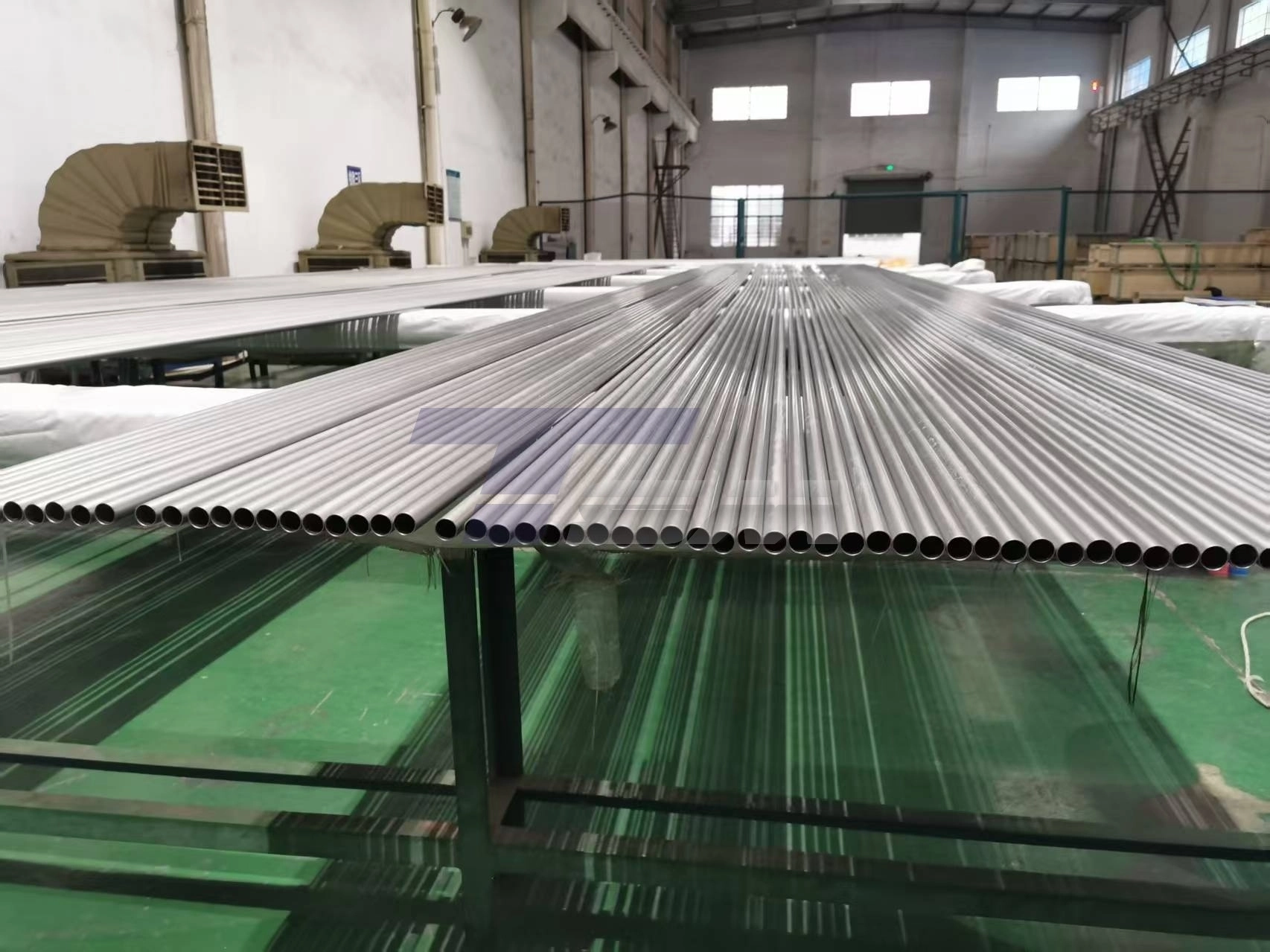
Understanding Nickel Alloy Seamless Pipes and Their Temperature-Related Properties
Temperature has a big effect on how well nickel alloy seamless pipe systems work in many important industry settings. When exposed to different temperatures, these precision-engineered tubes' mechanical qualities, resistance to corrosion, and structural integrity change in big ways. When engineers and procurement teams understand these temperature effects, they can choose the best materials for high-stress environments. This makes sure that facilities like power plants, aerospace turbines, and petrochemical processing units can keep working reliably, even when temperature changes and extreme heat are present.
Manufacturing Excellence and Material Grades
Nickel alloy seamless pipe goods are high-tech metalworks made especially for harsh heat conditions. These pipes are made using rotary piercing or extrusion methods, which get rid of the need for bonded joints that can break under heat stress. The seamless design makes sure that the wall width is the same and that the material qualities stay the same throughout the pipe structure.
Our 3,200㎡ Shaanxi production site is where TSM Technology makes these high-tech pipes using cutting-edge manufacturing methods. We can make a number of different types of nickel metal, each of which is designed to work well in a certain range of temperatures and environments. The precise production makes sure that the dimensions are accurate within very small ranges, which is very important for high-temperature uses where the exact calculation of thermal expansion is needed.
Different types of common nickel alloys behave differently when heated or cooled. At temperatures above 1,800°F, Inconel metals are very resistant to oxidation, while Hastelloy types work very well in high-temperature settings that are corrosive. Monel alloys work reliably in mild temperature ranges and prevent corrosion better than other metals. This is especially true in naval applications where temperature changes and saltwater exposure happen together.
Thermal Property Fundamentals
Nickel metals' thermal conductivity changes a lot when the temperature does, which makes it harder for process systems to move heat efficiently. Most nickel-based metals don't conduct heat as well as carbon steels do, which can be helpful in situations where thermal separation is needed. This trait is especially important in systems that make electricity because it stops energy waste through managed heat transfer.
Changes in temperature have an effect on another important trait called thermal expansion behavior. Nickel metals usually have consistent rates of expansion, which lets engineers make systems that can handle heat growth without putting too much stress on them. Different alloys have different coefficients of thermal expansion, which affects how joints are designed and what kind of support structure is needed for high-temperature installs.
Microstructural Stability Under Temperature Stress
Temperature contact changes the microstructural stability of nickel metals in a number of different ways. When temperatures are high, grains grow, which could change the material's dynamic features over long periods of time. Advanced nickel alloys have alloying elements that help keep the microstructure stable. This means that they keep performing the same way for as long as they are used.
When temperatures get high, secondary phase precipitation can either make the metal matrix stronger or weaker. This makes phase stability very important. Controlled production of strengthening phases improves resistance to creep, while formation of unwanted phases can weaken resistance to rust or mechanical qualities. Knowing about these changes in the microstructure lets you choose the right material and follow the right heat treatment instructions.
How Temperature Influences the Mechanical Performance of Nickel Alloy Seamless Pipes
High temperatures have a big effect on the way nickel alloy seamless pipe systems behave mechanically. These changes affect important performance factors that determine how safe and reliable the system is to use. These changes caused by temperature need to be carefully thought through when choosing materials and designing systems.
Tensile Strength and Yield Properties
Most nickel alloys lose some of their tensile and yield strengths when the temperature goes up, but the rate at which they lose strength varies a lot between formulas. Inconel 625 is often used in high-temperature situations because it keeps its strength at temperatures up to 1,200°F. This makes it a good choice for gas turbine parts and heat exchangers.
When internal pressure and heat stress are combined in a pressure tank, the yield strength temperature relationship of nickel alloy seamless tube is very important. When figuring out safety factors and allowed working pressures, design engineers have to take into account that the yield strength of nickel alloy seamless tube drops at operating temperatures.
Creep Resistance and Long-Term Performance
In high-temperature situations where loads are kept on for long amounts of time, creep resistance is an important mechanical feature. Nickel alloys are better at resisting creep than regular steels, which means they can be used in situations where the shape needs to stay the same under high temperatures and constant stress.
Deformation that changes over time under steady stress becomes important above a certain temperature, usually between 40 and 50 percent of the absolute melting point. Advanced nickel alloys have special alloying elements and microstructural traits that make them less likely to creep. This makes them last longer in tough situations.
Fatigue Life and Thermal Cycling
Thermal cycling creates complicated stress patterns that can have a big effect on fatigue life. When thermal stress from periods of expansion and contraction is combined with operating mechanical loads, it makes conditions tough for pipe materials. Because they are microstructurally stable and have controlled thermal expansion, nickel metals usually have good resistance to thermal wear.
Case studies from aircraft uses show that nickel metals that are properly chosen can go through thousands of thermal cycles between room temperature and working temperature without getting seriously damaged by fatigue. This speed edge is especially useful in gas turbines, where the start-up and shut-down cycles cause big changes in temperature.
Real-World Performance Examples
Power plants that use nickel metal pipes in their steam systems have reported great performance over many years of use. When used in nuclear power plants, where radiation and high temperatures come together, certain nickel metals show how stable they are in harsh situations. These real-world events back up the relationships between temperature and efficiency that were found in the lab.
In petrochemical processing units that use nickel alloy seamless pipe in reformer uses, temperatures can reach over 1,500°F, and the air is full of hydrogen. Long-term performance data from these sites shows that the right types of nickel alloy can handle high temperatures better.
Procurement Strategies for High-Temperature Nickel Alloy Seamless Pipes
To successfully buy nickel alloy seamless pipe materials for high-temperature uses, you need to plan ahead and carefully evaluate all of your suppliers. Because these materials are so complicated, everyone in the supply chain needs to have specialized understanding and well-established quality processes.
Supplier Qualification and Certification Requirements
Material traceability is very important for high-temperature uses where the qualities of the material have a direct effect on safety and performance. Suppliers who are qualified must give full material test reports that show the chemical make-up, mechanical qualities, and heat treatment conditions of the material. These approvals make sure that the project's needs and government rules are followed.
Nickel metal suppliers must have at least ISO 9001 approval for their quality system. For more complex uses, you might need extra certifications like AS9100 for aircraft uses or ASME approval for parts that go into pressure vessels. TSM Technology has many licenses that make sure it meets the needs of many different industries.
Material Testing and Sample Evaluation
Before agreeing to big orders, pre-production material samples let you check the supplier's skills and the properties of the material. Sample tests should include checking the material's mechanical properties, letting it rust, and looking closely at its microstructure to make sure it's right for the job.
For important uses, non-destructive testing features become necessary. Ultrasonic testing, eddy current examination, and radiography checking can all find flaws inside that might make the product less useful at high temperatures. TSM Technology offers a wide range of NDT services that protect the quality of our materials throughout the entire production process.
Customization Options and Keeping Track of Lead Time
For uses at high temperatures, parts often need to be made to specific sizes, go through special heat processes, or have special surface finishes. How flexible a supplier is when it comes to customization has a direct effect on project plans and technical success. When choosing a provider, checking to see how customizable they are can help avoid delays and technology problems.
Managing lead times means making sure that project schedules and suppliers' output skills work well together. TSM Technology keeps a stock of popular sizes and types and can speed up production for clients who need it right away. Our monthly production capacity of 200 tons guarantees a steady supply for big projects.
Quality Assurance and Risk Mitigation
Protocols for inspecting incoming nickel alloy seamless tube materials must make sure they meet specs and find any possible quality problems before they are installed. Checking the dimensions of nickel alloy seamless tube, judging the state of the surface, and going over the paperwork are all parts of thorough inspection processes. Costly problems in the field and project delays can be avoided with these quality controls for nickel alloy seamless tube.
Strategies for lowering risks should include things like possible problems in the supply chain, poor quality, and late deliveries. Multiple source selection and smart inventory management lower the risks of a project while keeping costs low. Long-term ties with suppliers let you make better plans and get special treatment during times of high demand.
Best Practices for Operating and Maintaining Nickel Alloy Seamless Pipes in High-Temperature Environments
When nickel alloy seamless pipe systems are put under heat stress, they work best and last as long as they are properly installed, operated, and maintained. These best practices keep systems from breaking down too soon and make them run more efficiently throughout their entire lifecycle.
Installation Techniques for Thermal Stress Management
Before welding, steps are taken to avoid temperature shock and reduce the amount of stress that remains in the joint areas. Controlled cooling rates after welding lower the chance of cracking and make sure that the microstructure develops in the best way possible. When you heat treat areas properly after welding, you can recover their corrosion protection and mechanical qualities.
The design of a support system has to take into account how the temperature changes during operation. Spring hangers, expansion joints, and directed supports keep things in the right place and stop too much stress from building up. Thermal shielding systems keep people safe while lowering heat loss and the affects of outside temperatures on support structures.
Predictive Maintenance Strategies
Monitoring the thickness of a wall with ultrasound can find wall loss due to rust or erosion before it gets too thin. Regular thickness checks in set places keep track of how fast things are wearing down, so replacements can be planned before they fail. Advanced ultrasonic methods can find flaws and changes in the microstructure of materials that threaten their stability.
Thermal imaging scans find hot spots that could mean problems with the insulation, restricted flow, or damage inside the structure. Analysis of temperature spread shows practical problems that need to be fixed before they damage equipment. These non-intrusive inspection methods let you check the state of a system without having to shut it down.
Common Operational Mistakes and How to Avoid Them
If you go over the design temperature limits, even if it's only for a short time, the material's properties can change permanently, which can hurt its long-term trustworthiness. Temperature tracking and warning systems keep things from overheating by accident, which protects the structure of the material. Training for operators makes sure they know what to do in case of upset situations, which reduces heat damage.
Corrosion problems that happen too soon are often caused by improper heat treatment after field welding. Standardized processes and experienced welders make sure that the products are always the same and meet the requirements of the material. The rules for post-weld heat treatment must be made clear and followed always.
Advanced Inspection and Monitoring Technologies
Eddy current testing finds flaws on the surface or close to the surface that might show up during use. This method works especially well for finding stress corrosion cracks and wear damage in places that are easy to get to. Regular eddy current scans keep track of how defects grow, so they can be fixed quickly.
Monitoring acoustic emissions lets you find active damage processes in real time while the system is running. This technology lets you respond right away to problems as they arise, which stops catastrophic fails. When plant control systems are integrated, automatic stop security can be used when damage rates go beyond what is acceptable.
Conclusion
Temperature affects the performance of nickel alloy seamless pipe in a lot of different ways, depending on the material's qualities, the surroundings, and the operation's settings. By understanding these connections, you can choose the best materials, place them correctly, and keep them in good shape for high-temperature uses.
Nickel metals are better at withstanding high temperatures than most other materials, which is why they are used in high-stakes situations where dependability and durability are very important. The best ways to buy materials will guarantee their quality, and the best ways to put and maintain them will make them work better and last longer.
FAQ
1.What temperature range can nickel alloy seamless pipes handle?
Nickel alloy seamless pipes can operate effectively across a wide temperature spectrum depending on the specific alloy grade. Inconel alloys typically handle temperatures up to 1,800°F (982°C), while Monel alloys perform well up to 1,000°F (538°C). Hastelloy grades offer excellent performance in corrosive environments at temperatures exceeding 1,500°F (816°C). The exact temperature capability depends on the specific application environment, stress levels, and required service life.
2.How does thermal cycling affect the lifespan of nickel alloy pipes?
Thermal cycling can impact the fatigue life of nickel alloy pipes through repeated thermal expansion and contraction. However, nickel alloys generally exhibit superior thermal fatigue resistance compared to conventional materials. Proper material selection, stress relief during installation, and controlled heating and cooling rates significantly extend service life. Most nickel alloys can withstand thousands of thermal cycles when properly designed and installed.
3.Which nickel alloy grade performs best at high temperatures?
The optimal nickel alloy grade depends on specific application requirements including temperature, corrosive media, and mechanical loads. Inconel 625 and Inconel 686 offer excellent high-temperature performance combined with superior corrosion resistance. Hastelloy C-276 excels in high-temperature reducing environments. TSM Technology provides technical consultation to help select the optimal grade for your specific application requirements.
Partner with TSM Technology for Superior Nickel Alloy Seamless Pipe Solutions
TSM Technology stands as your trusted nickel alloy seamless pipe manufacturer with over 14 years of expertise in high-temperature applications. Our comprehensive range includes Inconel, Hastelloy, Incoloy, and Monel grades manufactured to ASTM B163 and B166 standards with complete material certification and traceability.
Our advanced manufacturing facility delivers precision pipes with exceptional temperature resistance and mechanical properties for aerospace, petrochemical, and power generation applications. Each pipe undergoes rigorous quality testing including ultrasonic inspection, mechanical testing, and corrosion evaluation ensuring reliable performance in your most demanding applications. Contact our technical team at info@tsmnialloy.com to discuss your high-temperature piping requirements and receive detailed technical specifications tailored to your project needs.
References
Davis, J.R., "High-Temperature Characteristics of Nickel and Nickel Alloys," ASM Specialty Handbook: Heat-Resistant Materials, ASM International, Materials Park, 2019.
Rebak, R.B., "Corrosion Performance of Nickel Alloys in High Temperature Environments," NACE International Conference Proceedings, Houston, 2021.
Sims, C.T. and Hagel, W.C., "Superalloys at Elevated Temperatures: Mechanical Properties and Performance," Metallurgical Society of AIME, New York, 2020.
Bradley, E.F., "Thermal Properties and Applications of Nickel-Based Superalloys," Journal of Materials Engineering and Performance, Materials Society, 2022.
Stoltz, R.E., "Thermal Fatigue Behavior of Nickel Alloy Seamless Tubing," Materials Science and Technology Conference Proceedings, Pittsburgh, 2021.
Wagner, H.J., "High-Temperature Corrosion Resistance of Advanced Nickel Alloys," Corrosion Engineering Science and Technology, Institute of Materials, 2020.
Learn about our latest products and discounts through SMS or email