- English
- French
- German
- Portuguese
- Spanish
- Russian
- Japanese
- Korean
- Arabic
- Greek
- German
- Turkish
- Italian
- Danish
- Romanian
- Indonesian
- Czech
- Afrikaans
- Swedish
- Polish
- Basque
- Catalan
- Esperanto
- Hindi
- Lao
- Albanian
- Amharic
- Armenian
- Azerbaijani
- Belarusian
- Bengali
- Bosnian
- Bulgarian
- Cebuano
- Chichewa
- Corsican
- Croatian
- Dutch
- Estonian
- Filipino
- Finnish
- Frisian
- Galician
- Georgian
- Gujarati
- Haitian
- Hausa
- Hawaiian
- Hebrew
- Hmong
- Hungarian
- Icelandic
- Igbo
- Javanese
- Kannada
- Kazakh
- Khmer
- Kurdish
- Kyrgyz
- Latin
- Latvian
- Lithuanian
- Luxembou..
- Macedonian
- Malagasy
- Malay
- Malayalam
- Maltese
- Maori
- Marathi
- Mongolian
- Burmese
- Nepali
- Norwegian
- Pashto
- Persian
- Punjabi
- Serbian
- Sesotho
- Sinhala
- Slovak
- Slovenian
- Somali
- Samoan
- Scots Gaelic
- Shona
- Sindhi
- Sundanese
- Swahili
- Tajik
- Tamil
- Telugu
- Thai
- Ukrainian
- Urdu
- Uzbek
- Vietnamese
- Welsh
- Xhosa
- Yiddish
- Yoruba
- Zulu
Inconel 625 vs 718: Differences in Properties, Strength, Applications
The choice between Inconel 625 and Inconel 718 metals depends on how well you understand how they work in harsh situations. Precipitation hardening makes Inconel 718 stronger. It has higher tensile and yield strengths at high temperatures, which is why Inconel 718 tube components are essential for aircraft engine systems and other high-stress situations. On the other hand, Inconel 625 is very good at resisting rust and staying stable without having to be heated. This makes it a good choice for chemical handling and coastal settings. While both nickel-chromium superalloys are resistant to rust and creep, the changes in their makeup make them better suited for different industry needs.
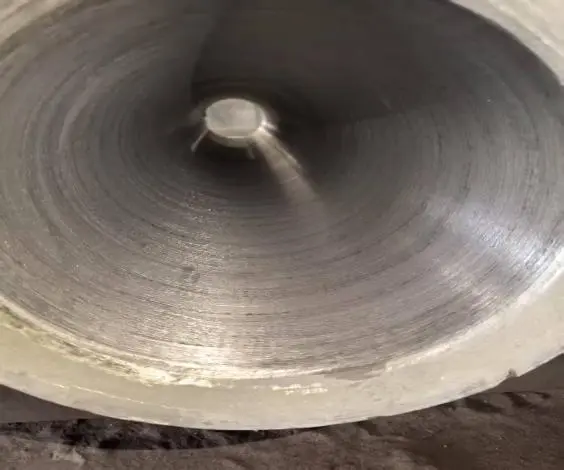
Overview of Inconel 625 and Inconel 718 Tubes
Fundamental Composition and Chemical Characteristics
The chemical make-up of these nickel-based superalloys has a direct effect on how well they work. About 20–23% of Inconel 625 is chromium, 8–10% is molybdenum, 3.15–4.15% is niobium, and the rest is nickel. This mixture with a lot of molybdenum makes it more resistant to pitting and crevice rust in salt settings. Inconel 718 is mostly made up of nickel (50–55%) and chromium (17–21%). It also has small amounts of niobium (4.75–5.5%), titanium (0.65–1.15%), and aluminium (0.2-0.8%). These elements make age-hardening processes possible, which keep the strength of materials very well up to 1300°F.
Mechanical Properties Comparison
In structural uses, these metals are different because of their tensile strength and failure properties. After the right heat treatment, Inconel 718 has tensile strengths of more than 180 ksi and a yield strength of 150 ksi at room temperature. This performance stays the same even at 1200°F, where the metal still has a tensile strength of about 160 ksi. When annealed, Inconel 625 has a lower but stable tensile strength of 120–160 ksi and a yield strength of about 60 ksi. When aircraft engineers choose materials for spinning parts that are exposed to rotational forces and temperature cycles, this difference becomes very important.
Industrial Sectors and Application Scope
Both metals are used in businesses with a lot at stake, where failure of the material could put people's life and money at risk. These nickel metals are used by aerospace companies to make turbine engines, exhaust systems, and structural bolts that come into contact with jet fuel burning fumes. In cracking furnaces, reformer tubes, and transfer lines that deal with toxic fuels, petrochemical plants use smooth tubing. These materials are used in steam engines, parts of nuclear reactors, and heat recovery systems in power plants. Some examples of marine engineering uses are propeller shafts, cooling systems for seawater, and tools for digging in the ocean. When buying teams know the working range of each metal, they can choose materials that will work well in certain environments and meet performance standards.
Comparative Analysis of Properties and Performance
Strength Performance Across Temperature Ranges
In thermal management uses, these superalloys stand out because they are stable at high temperatures. Because gamma-prime and gamma-double-prime precipitates form during ageing treatment, Inconel 718 stays very strong at high temperatures. The metal keeps about 85% of its room-temperature yield strength at 1000°F, which means it can be used for turbine blades and compressor discs. Inconel 625 is very stable at high temperatures, but it doesn't have the processes that make precipitation-hardened metals stronger. At the same temperatures, it keeps about 70% of its original strength, which is good enough for heat exchanger tubes and furnace walls where resistance to rust is more important than pure mechanical performance.
Corrosion Resistance Mechanisms
In harsh settings, chemical protection ratings help choose the right materials for Inconel 718 tube. Inconel 625 is very strong against oxidising and reducing agents, like sulphuric acid, phosphoric acid, and seawater. The high molybdenum content makes it very resistant to stress corrosion cracks caused by chloride, which is a typical way for offshore platforms to fail. Inconel 718 is resistant to rust, but it values mechanical strength over chemical stability. Inconel 625 usually works better than its cousin in naval uses that deal with salt spray or salty water. Inconel 625 is resistant to sulfidation and carburisation at high temperatures, which is helpful for refineries that handle bad crude oil that contains hydrogen sulphide.
Heat Treatment Effects and Manufacturing Methods
Processing done after production has a big effect on the end qualities of the material. To get the best mechanical properties, Inconel 718 needs to be solution annealed and then aged twice. To do this heat treatment process, the metal is heated to 1750°F and then aged at 1325°F and 1150°F to bring out the hardening stages. The complexity makes the process take longer, but the strength is unmatched. After being cold worked, Inconel 625 is usually mill annealed at about 1800°F to make it more flexible again, which makes heat processing easier.
The way tubes are made affects their stability and the cost of making them. Seamless tubes made by rotating drilling or extrusion don't have longitudinal weld joints, so the wall width is the same all the way through and they can handle higher pressures. These ways of making things work well for important aircraft uses that can't have any flaws. Welded tubes made from strip or plate are cheaper and can fit bigger sizes, so they can be used in chemical processing and power generation where pressure requirements allow. TSM Technology makes both seamless and welded versions that meet the requirements of ASTM B163, ASTM B516, and AMS. They make sure that all of their production runs are the same in terms of size and metal quality.
Applications and Industry Use Cases
Aerospace and Defense Applications
When it comes to materials, aerospace makers have to meet strict standards that balance weight, strength, and temperature tolerance. Inconel 718 is the most popular material in this field because it has great wear resistance and creep strength at temperatures used in turbines. Jet engine parts like combustor cases, afterburner parts, and turbine discs depend on this alloy's ability to withstand temperatures up to 1300°F and keep its shape over thousands of heat cycles. The Inconel 718 tube is used in places where light weight and resistance to shaking are important, like fuel pumps, hydraulic tubing, and monitoring lines. This precipitation-hardened metal is used to make fasteners that hold together important parts that are subject to high mechanical loads during supersonic flight.
Oil, Gas, and Petrochemical Installations
Chemical companies and refineries need materials that can stand up to both rust and heat stress. Inconel 625 is the best material for transfer lines that carry toxic fluids at high temperatures. This metal is resistant to both carburising and thermal stress, which is good for cracking furnace tubes that are used to make ethylene. Offshore bases that use seawater pumping systems put in Inconel 625 pipes to keep them from cracking under the stress of chloride rust, which happens to less durable materials. The same kind of rust protection is needed for downhole tubes in sour gas wells. The longer service life and lower upkeep frequency of these systems compared to austenitic stainless steels are appreciated by engineering managers.
Marine and Offshore Engineering
Being exposed to seawater causes its own problems that need special metal selection for Inconel 718 tube. Inconel 625 is used for pump shafts and impellers that are constantly in touch with salt water in marine power systems. The metal doesn't erode or corrode when it flows quickly, and its mechanical properties stay the same even when the temperature changes. Materials are put through both rust and mechanical stress by offshore drilling tools. Nickel metal tubing is used for hydraulic movement in depth in blowout preventer parts and submarine control systems. Shipbuilders choose these materials for exhaust systems and heat exchanges that are cooled by seawater, where regular materials break down quickly.
Power Generation Equipment
The system for energy rests on metals that can work at high temperatures for a long time. Inconel 718 is used in nuclear power plants for the inside of reactor vessels and steam generator tube that is exposed to main coolant at 600°F. The alloy's resistance to radiation and mechanical steadiness mean that it will work well for decades. Depending on the temperature and pressure of the steam, thermal power plants use superheater and reheater tubes made of both metals. These materials are used in heat recovery steam generators in combined-cycle plants to connect the waste from gas turbines to the production of steam. These nickel metals are good for renewable energy uses like concentrated solar thermal systems because they don't rust and last a long time through thermal cycles.
How to Choose Between Inconel 625 and 718 Tubes for Your Business?
Performance Requirements Assessment
The first step in choosing materials is to correctly define the working factors. Inconel 718 is best for uses that need the highest mechanical strength above 1000°F. This is especially true for parts that are constantly loaded or fatigued. The alloy's better tension and creep qualities make it useful for turbomachinery that spins at high RPM. Inconel 625 is better at resisting rust in places where it is exposed to strong chemicals and mild mechanical stress. Process engineers have to figure out whether the main failure mode in their application is strength or chemical stability.
Environmental Compatibility Considerations
Beyond simple temperature values, the chemistry of the operating area determines the right metal to use. Inconel 625 is better at resisting stress corrosion cracking, which is needed in places with a lot of chlorine, like seaside sites or naval service. Similar safety is useful in sulfur-containing places, like factories that process high-sulfur feedstocks. Oxidising atmospheres at temperatures above 1800°F may be too high for both metals to handle, so they need to be replaced with more unusual materials. Materials engineers should look at data on how certain process chemicals and toxins in their working conditions interact with each other.
Regulatory Compliance and Certification
Industrial buying requires that materials can be tracked and meet standards. For aerospace uses, AMS specs are needed along with full mill test results that show the chemical make-up and mechanical qualities. Nuclear sites need ASME approval, which includes extra tests for resistance to radiation and toughness at low temperatures. Pressure tank rules set minimum strength levels and allowed stress estimates, which affect the choice of wall thickness. Directors of procurement must make sure that sellers have the right quality management systems in place, including ones that are certified by ISO 9001 and have approvals from the industry. TSM Technology has many certificates that make sure our nickel metal goods meet strict international standards like ASTM B163, ASTM B516, and ASTM B983.
Supplier Capability and Lead Time Management
For strategic buying to work, suppliers' production capacities and stocking levels need to be looked at. Custom tube sizes that aren't in the normal size range may need minimum order amounts and longer production times. Suppliers that offer a wide range of sizes, from 6 mm to 114 mm in outer diameter and from 0.5 mm to 15 mm in wall thickness, give buyers a lot of options. Lead times are very different for normal seamless tubes that are in stock and special orders that need mill production runs. Keeping safety stock of key sizes and building ties with manufacturers can help keep the supply chain running smoothly. Precision cutting, end finishing, and non-destructive testing are some of the value-added services that make getting inspection and installation preparation go more quickly.
Conclusion
The main difference between Inconel 625 and Inconel 718 tubes is how well the material properties match the needs of the process. Through precipitation hardening, Inconel 718 achieves its highest level of mechanical strength. It is used in aircraft turbines, high-pressure tanks, and other places where high-temperature structural performance is important. Inconel 625 is very resistant to rust and doesn't need a complicated heat treatment process. It works great in chemical processing, marine service, and other places where chemical attack is a major worry. To be successful in procurement, you need to clearly define performance goals, environmental conditions, and legal compliance needs. When you work with experienced makers that offer full certifications, expert support, and reliable supply chains, you can be sure that the materials you choose will lead to operating success and the long-term stability of your assets.
FAQ
1.What is the main difference between Inconel 625 tubes and 718 tubes?
The main difference is in the ways they are strengthened and the mechanical qualities that follow. It is possible for Inconel 718 to have better tensile and yield strengths by controlling the ageing process and creating stronger precipitates. This metal stays very strong at temperatures up to 1300°F, which makes it perfect for parts that are under a lot of stress. Inconel 625 is stronger through solid solution strengthening and doesn't need a complicated heat treatment. It has better rust protection, especially in salt and acidic conditions. When choosing materials for aircraft and spinning equipment, mechanical strength should be the most important factor. For process industry uses, chemical protection should be the most important factor.
2.Which metal works better when used in high-temperature situations?
Beyond simple temperature numbers, temperature success relies on unique working needs. Inconel 718 keeps its mechanical strength better than other metals above 1000°F because it has stable precipitate phases. This makes it useful for turbine parts and bolts that are under load at high temperatures. Inconel 625 is very resistant to rust and stable at high temperatures, but it is not as strong at the same temps. Inconel 718 is better for applications that need to keep the structure strong under load, while Inconel 625 is better for heat exchanges and pipe systems that need to prevent rust.
3.Which is better for important applications: smooth or welded tubes?
When you use seamless construction, there are no linear join gaps. This means that the qualities are all the same, and the pressure values are higher, which is good for aircraft and nuclear uses where flaws in the material pose unacceptable risks. Welded tubes are cheaper and can have bigger sizes, so they can be used for chemical processes and power creation when the specs allow it. For important uses that need to handle high pressures, changing temperatures, or strict approval rules, smooth building and full non-destructive tests are usually required.
Partner with TSM Technology for Premium Inconel 718 Tube Solutions
Choosing the right nickel metal tube provider has a direct effect on the success of the project and the efficiency of operations. TSM Technology is a reliable company that has been making Inconel 718 tubes for 14 years, supplying high-quality superalloy goods to demanding businesses around the world. We can make tubes that are seamless or soldered and meet the standards set by ASTM B163, ASTM B516, ASTM B983, and AMS5589/5590. The sizes of these tubes range from 6.0 mm to 114 mm in diameter and from 0.5 mm to 15 mm thick at the walls. Full quality control systems make sure that every tube meets strict chemical and engineering standards, and all the materials used can be tracked back to their original sources. Whether your application needs accuracy at the flight level or sturdiness for chemical handling, our technical team can help you match the qualities of the materials you need to your specific needs. Email our engineering experts at info@tsmnialloy.com for full specs, licensing paperwork, and quick quotes that will help you reach your buying goals.
References
ASM International. (2002). "ASM Specialty Handbook: Nickel, Cobalt, and Their Alloys." Materials Park, OH: ASM International.
Donachie, M.J. and Donachie, S.J. (2002). "Superalloys: A Technical Guide, 2nd Edition." Materials Park, OH: ASM International.
Special Metals Corporation. (2020). "Inconel Alloy 718 Technical Bulletin." Huntington, WV: Special Metals Corporation.
Special Metals Corporation. (2013). "Inconel Alloy 625 Technical Bulletin." Huntington, WV: Special Metals Corporation.
Sims, C.T., Stoloff, N.S., and Hagel, W.C. (1987). "Superalloys II: High-Temperature Materials for Aerospace and Industrial Power." New York: John Wiley & Sons.
ASTM International. (2021). "ASTM B163-21 Standard Specification for Seamless Nickel and Nickel Alloy Condenser and Heat-Exchanger Tubes." West Conshohocken, PA: ASTM International.
Learn about our latest products and discounts through SMS or email