- English
- French
- German
- Portuguese
- Spanish
- Russian
- Japanese
- Korean
- Arabic
- Greek
- German
- Turkish
- Italian
- Danish
- Romanian
- Indonesian
- Czech
- Afrikaans
- Swedish
- Polish
- Basque
- Catalan
- Esperanto
- Hindi
- Lao
- Albanian
- Amharic
- Armenian
- Azerbaijani
- Belarusian
- Bengali
- Bosnian
- Bulgarian
- Cebuano
- Chichewa
- Corsican
- Croatian
- Dutch
- Estonian
- Filipino
- Finnish
- Frisian
- Galician
- Georgian
- Gujarati
- Haitian
- Hausa
- Hawaiian
- Hebrew
- Hmong
- Hungarian
- Icelandic
- Igbo
- Javanese
- Kannada
- Kazakh
- Khmer
- Kurdish
- Kyrgyz
- Latin
- Latvian
- Lithuanian
- Luxembou..
- Macedonian
- Malagasy
- Malay
- Malayalam
- Maltese
- Maori
- Marathi
- Mongolian
- Burmese
- Nepali
- Norwegian
- Pashto
- Persian
- Punjabi
- Serbian
- Sesotho
- Sinhala
- Slovak
- Slovenian
- Somali
- Samoan
- Scots Gaelic
- Shona
- Sindhi
- Sundanese
- Swahili
- Tajik
- Tamil
- Telugu
- Thai
- Ukrainian
- Urdu
- Uzbek
- Vietnamese
- Welsh
- Xhosa
- Yiddish
- Yoruba
- Zulu
Why Inconel 718 is the "Super Alloy" for Aerospace and Oil & Gas Applications
The choice of metal is very important when materials engineers and buying leaders make decisions about parts that must work in harsh conditions. For decades, Inconel 718 tube has been the best choice for the aircraft and oil and gas industries. Its image as a "super alloy" comes from how well it works. This nickel-chromium superalloy retains its strength better than any other material at temperatures above 700°C and is also highly resistant to corrosion in the toughest chemical conditions. Because of the way it's made, it can be used in places where failure is not an option, like jet engine rotor blades and downhole drilling tools.
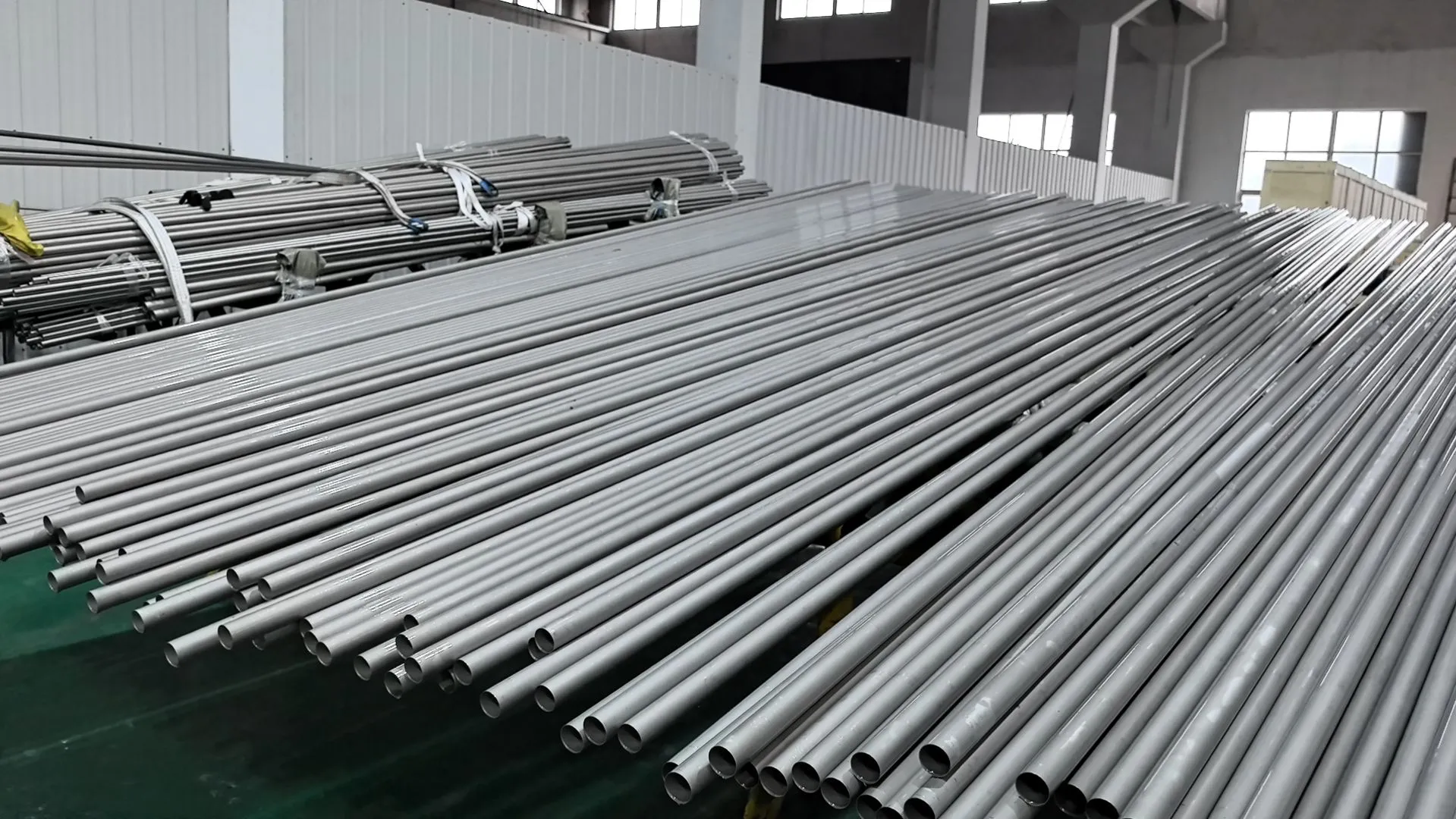
Understanding Inconel 718 Tube: Properties and Specifications
Because of how carefully the chemicals in this superalloy were chosen and how precisely it was made, it has amazing performance. When materials engineers know about these basic traits, they can make better specs for important parts.
Chemical Composition and Alloying Elements
The main metal of this nickel-based superalloy is made up of about 50–55% nickel, 17–21% chromium, 4.75–5.5% niobium, and smaller amounts of molybdenum, titanium, and aluminium. The precipitation-hardening process that makes this material different from other heat-resistant metals is created by this unique mix. The niobium element makes it possible for gamma-prime and gamma-double-prime phases to form during heat treatment. This gives the metal the extreme strength that aircraft uses need.
Chromium is needed for industrial environments because it resists oxidation and corrosion. Molybdenum, on the other hand, makes things more resistant to pitting and crevice corrosion in chloride-containing environments. Because the nickel content is balanced, the austenitic structure stays stable over a wide range of temperatures. This stops phase changes that aren't wanted during thermal cycles. With this level of accuracy in makeup, raw material is turned into a superalloy that can survive conditions that would quickly break down other materials.
Mechanical Properties and Heat Treatment Effects
Nickel metal tubing made by TSM Technology meets the standards set by ASTM B163, ASTM B516, ASTM B983, and AMS5589/5590. This makes sure that the mechanical qualities meet the strict needs of the aerospace and energy sectors. At room temperature, this superalloy has tensile strengths of more than 1275 MPa and yield strengths of about 1035 MPa after the right heat treatment. Even more amazing is that it keeps its tensile strength of about 690 MPa at 650°C, a point where many other metals lose their structural integrity.
Solution annealing at 950–1010°C, ageing at 720°C for 8 hours, cooling to 620°C for 8 hours, and then air cooling are all parts of the normal heat treatment process. The exact heat processing brings out the gamma-double-prime phase, which gives the material its high-temperature strength. Elongation usually stays between 12 and 25 percent, which is flexible enough for complicated shaping tasks while still keeping the structure strong under stress. Directors of procurement should make sure that sellers give full paperwork on the heat treatment process, since differences in thermal processing have a big effect on how well the end component works.
Corrosion Resistance Mechanisms
When chromium-rich oxide builds up on the skin, it protects against the harsh chemicals that are used in oil factories and industrial plants. At normal temperatures and amounts, this passive film stays steady in sulphuric acid, hydrochloric acid, and other organic acids. In salt settings, austenitic stainless steels crack from stress corrosion, but this nickel-based material is much more resistant to these types of damage.
Because it works well in sour gas settings with hydrogen sulphide, the metal is very useful for use in oil and gas extraction downhole. It doesn't crack easily under sulphide stress or weaken when exposed to hydrogen, which happens with carbon steels and lower-alloy options. It doesn't rust or biofoul in seawater, so it can be used in marine applications. This keeps the structure of underwater systems strong for longer periods of time between service.
Temperature Tolerance and Industry Standards
This superalloy in Inconel 718 tube keeps its useful mechanical qualities from very cold temperatures (nearly -250°C) to 700°C for long periods of time, and it can be exposed to temperatures as high as 800°C on occasion. This wide range of temperatures makes it possible to use a single material for parts that are exposed to different temperatures, which makes inventory management easier for repair teams.
TSM Technology offers tube that is made to meet globally recognised standards, such as the UNS N07718 name, which makes sure that it can be used in any global supply chain. Our quality control methods make sure that aircraft material standards are met. This gives QA teams the approval tracking they need. Each batch of products is put through a lot of tests to make sure they meet strict standards for chemical makeup, mechanical qualities, accuracy in measurements, and surface quality. The paperwork package has mill test certificates, heat treatment records, and results of non-destructive testing. This helps aircraft OEMs and petroleum operators keep up with their strict quality assurance programs.
Why Inconel 718 Outperforms Other Alloy Tubes in Aerospace and Oil & Gas?
Choice of materials has a direct effect on how long parts last, how much they cost to maintain, and how safe they are to use. Comparative research shows why this nickel-chromium superalloy always does better in tough situations than other options.
Comparison with Stainless Steel 316
Austenitic stainless steel 316 works well in moderately acidic conditions, but it's not strong enough at high temperatures for use in space propulsion systems. At 538°C, stainless steel 316 only keeps about 207 MPa of tensile strength, while the nickel superalloy keeps over 860 MPa. This four-fold strength advantage makes it possible to make parts that are lighter or that can work at higher temperatures. This directly leads to better fuel economy in aeroplane engines or better process efficiency in factories.
Stainless steel 316 can also crack when exposed to salt at temperatures above 60°C. This makes it less reliable for use in offshore sites where it will be exposed to warm seawater. Nickel-based tubing has better resistance, so this failure mode doesn't happen. This means fewer unexpected shutdowns and safety issues. Materials experts choose the nickel superalloy when working conditions are worse than what stainless steels can handle. They are willing to pay more for the material, but it will last longer and be more reliable.
Performance Differentiators Against Inconel 625
Because Inconel 625 doesn't rust and works well in oxidising conditions, it can be used to make tools for chemical handling. Its solid-solution-strengthened metallurgy, on the other hand, makes it less strong than Inconel 718's precipitation-hardened structure. In aircraft uses, where parts are put through high rotational forces and mechanical pressures, this difference in strength becomes very important.
Because Inconel 718 tube can become harder over time, producers can get yield rates that are about 40% higher than those of Inconel 625 after the right heat treatment. This benefit lets wall sections be smaller while still having the same stress capacity. This lowers the weight of parts in aeroplane structures, where every kilogram affects the amount of fuel used and the amount of cargo that can be carried. Manufacturers of turbines use this strength-to-weight ratio to make more efficient power systems. This shows that the qualities of a material directly affect how well a system works.
Advantages Over Inconel 600 and Titanium Alloys
It's good that Inconel 600 doesn't oxidise and stays strong at high temperatures, but it doesn't have the precipitation-strengthening processes that make Inconel 718 stronger. The more modern superalloy is better for uses that need to prevent rust and handle high loads. Inconel 718 has better wear strength than Inconel 600. This means that parts that are loaded and unloaded many times, like turbine blades and rotary pump parts, will last longer.
Titanium metals are commonly used in aircraft structures because they are strong for their weight and don't rust, unlike Inconel 718 tube. Titanium can't be used in hot-section engine parts, though, because it has a low modulus of elasticity and doesn't work well above 315°C. This important gap is filled by the nickel superalloy, which can handle higher temperatures better than titanium and is better at resisting creep in uses with long-term loads. Materials experts often mix titanium for cooler fuselage structures with nickel superalloys for engine parts. This makes the best use of the materials available for the whole plane.
Selection Guidance for Optimal Performance
To pick the right metal, you have to think about the whole working setting, such as the highest temperature, toxic substances, stress levels, and service life that is needed. In situations where temperatures are higher than 540°C and the atmosphere is toxic, the nickel-chromium superalloy is usually the best choice. Its perfect mix of chemical resistance, mechanical strength, and heat stability protects against multiple types of failure at the same time.
Early on in the design process, procurement directors should talk to materials experts to see if other metals might work just as well and cost less for uses that aren't as tough. But when working conditions get close to the edges of what the material can handle, the proven dependability of this superalloy makes it worth specifying. Costs of early failure in aircraft or key industrial systems are much higher than differences in material prices. This means that efficiency and dependability are the most important factors in choosing what to use.
Real-World Applications: How Inconel 718 Tubes Drive Performance in Aerospace and Oil & Gas
Examples of real-world applications show how the qualities of a material can be used to improve operations in a wide range of tough industries. These examples show why materials engineers choose this superalloy for parts that are very important to the goal.
Aerospace Propulsion Systems
Jet engine makers use nickel metal tubes a lot in the turbine sections, where temperatures can hit 700°C and parts are subjected to strong rotational forces while they're working. The material is strong at high temperatures and doesn't rust, which makes it useful for fuel pumps, hydraulic lines, and bleed air systems. The wear strength of the metal is very important in these situations because the parts have to withstand millions of temperature and mechanical cycles over the course of an airplane's service life.
One big aircraft OEM said that switching sensor lines in turbine casings from stainless steel to this nickel superalloy cut failures in service by 87% over a five-year test period. Because of better dependability, engines no longer had to be taken out without a plan, which cut down on repair costs and aeroplane downtime by a large amount. This performance in the real world supports the choice of material, even though the starting prices of the parts were higher. It shows that changes in stability have a big impact on the overall value over the lifecycle.
In hot-section systems, structural bolts are another important use where the superalloy's creep resistance keeps them from coming loose after being exposed to high temperatures for a long time. Different types of materials relax, which weakens the stability of joints and could cause catastrophic breakdowns. When nickel-chromium tubing is properly heated, it keeps its shape and keeps the pressure on fasteners even when the temperature changes during use. This makes sure that safety-critical parts are structurally reliable.
Oil and Gas Extraction Equipment
Temperatures above 200°C, pressures above 138 MPa, and acidic sour gas containing hydrogen sulphide make downhole conditions very difficult. Inconel 718 tube can be used to make drill string parts, coiled tubes, and downhole monitoring lines that can handle these conditions for longer periods of time. Because the material is resistant to sulphide stress cracking and hydrogen embrittlement, it doesn't fail too soon, which would weaken the well and pose a safety risk.
In high-H2S settings, an offshore operator changed the carbon steel control lines in underwater Christmas tree assemblies to nickel alloy tubes. This made the assemblies last longer, from 7 years to over 18 years. This change made the system more reliable, which increased safety while lowering the number of times it had to be inspected and the costs that came with it. The longer service intervals more than make up for the higher cost of the materials over the life of the system, showing a clear return on investment for the material update.
Petrochemical Processing Systems
This metal doesn't rust, so it's used in chemical plants and refineries for heat exchanger tubes, reactor vessel interiors, and process pipes that handle strong chemicals at high temperatures. The material stays strong in hydrofluoric acid alkylation units, where other metals quickly break down due to rust. Because it is stable in both oxidising and reducing environments, it can be used in a wide range of process settings in integrated facilities.
One petroleum plant said that heat transfer tubes made from this nickel superalloy lasted 12 years in catalytic reforming units, compared to 4 years for tubes made of stainless steel. The longer time between tube repairs cut down on maintenance downtime and lost production, which made the plant's economy much better. Engineers in charge of materials said that the performance gain was due to the alloy's better resistance to rust and heat stress.
Subsea and Marine Equipment
Parts of offshore oil platforms and underwater production systems are exposed to seawater that is acidic, along with fuels and production chemicals. The different types of rust that happen in these settings don't affect the umbilical tubes, hydraulic control lines, and chemical pumping systems that are made from this superalloy. Because it doesn't crack when exposed to salt, the material is more reliable than austenitic stainless steels in warm ocean situations.
Manufacturers of subsea tools use this nickel-based material for control systems that need to work without being touched for 25 years. Even though the materials are more expensive, it is the best choice because they are strong enough to hold pressure and won't rust in harsh environments. When it comes to underwater assistance, where care costs millions of dollars, it makes sense to choose reliable materials and last a long time.
Conclusion
Inconel 718 tube is called a "super alloy" because it has been used in the toughest industrial settings and has worked well every time. Its special mix of high-temperature strength, resistance to rust, and structural stability meets important needs in oil and gas extraction tools and aircraft power systems where failure would have very bad results. Materials engineers and procurement leaders who select this metal can do so with trust because it has been used successfully for decades and is supported by a wide range of industry standards. The higher cost of this material compared to others is an investment in operational stability, longer repair gaps, and lower lifetime costs that make mission-critical systems more valuable.
FAQ
What makes Inconel 718 different from other nickel alloys?
The precipitation-hardening metallurgy of this superalloy makes it different from other options, such as Inconel 625 or 600, which are strengthened by solid solutions. When you heat treat nickel alloys, they make gamma-double-prime precipitates that give them yield strengths above 1035 MPa, which is about 40% higher than nickel alloys that don't harden. This strength advantage lets designers make parts that are lighter while still keeping the structure strong under high temperatures and dynamic loads. The balanced makeup also makes it easy to join, which lets you make complicated structures without affecting their mechanical or rust resistance too much.
Can this material work in temperatures higher than 700°C?
For ongoing service, the metal keeps its useful mechanical qualities at 700°C. For short periods of time, it can also handle being exposed to 800°C. Long-term use above 700°C speeds up the coarsening of the precipitate, which lowers the mechanical strength over time. For uses that need to keep temperatures above this level, you should look at other superalloys that are made to work in higher temperature levels. When choosing materials for high-temperature use, materials engineers should look at the full thermal cycling patterns instead of just the highest temperatures.
How do I find good providers of Inconel 718 tubes?
Supplier approval starts with checking the supplier's ability to make things, their quality control systems, and their ability to track their certifications. Suppliers should show that they follow important ASTM and AMS standards by having third-party checks or customer evaluations done. Before making big purchases, make sure you get certifications for samples of the materials and check that the technical paperwork is full. References from well-known aircraft or petroleum customers give you more trust in the technical and stability of the source.
Partner with TSM Technology for Superior Nickel Alloy Solutions
TSM Technology can meet your needs for aircraft and oil and gas materials with high-quality Inconel 718 tubes that are made to strict international standards. We have been a trusted nickel alloy source for 14 years, so we can give you unique solutions that are perfect for your needs, whether you need smooth setups for high-pressure service or special heat treatments to improve their mechanical qualities. During production, we have strict quality control, and skilled checking teams make sure that all of the rules are followed before the goods are shipped. With sizes ranging from 6.0 mm to 114 mm outside diameter and lengths up to 15,000 mm, our production freedom lets us meet both standard and unique needs. You can talk to our technical team at info@tsmnialloy.com about your project needs, get full technical specs, and get reasonable quotes from a dependable Inconel 718 tube maker that is dedicated to doing great work.
References
Davis, J.R. (2000). Nickel, Cobalt, and Their Alloys. ASM International, Materials Park, Ohio.
Donachie, M.J. and Donachie, S.J. (2002). Superalloys: A Technical Guide, 2nd Edition. ASM International.
Special Metals Corporation (2007). Inconel Alloy 718 Technical Data. Publication Number SMC-045.
Reed, R.C. (2006). The Superalloys: Fundamentals and Applications. Cambridge University Press.
American Society for Testing and Materials (2020). ASTM B163-20: Standard Specification for Seamless Nickel and Nickel Alloy Condenser and Heat-Exchanger Tubes. ASTM International.
Society of Automotive Engineers (2019). AMS 5589/5590: Nickel Alloy, Corrosion and Heat-Resistant, Seamless and Welded Tubing. SAE Aerospace Material Specification.
Learn about our latest products and discounts through SMS or email