- English
- French
- German
- Portuguese
- Spanish
- Russian
- Japanese
- Korean
- Arabic
- Greek
- German
- Turkish
- Italian
- Danish
- Romanian
- Indonesian
- Czech
- Afrikaans
- Swedish
- Polish
- Basque
- Catalan
- Esperanto
- Hindi
- Lao
- Albanian
- Amharic
- Armenian
- Azerbaijani
- Belarusian
- Bengali
- Bosnian
- Bulgarian
- Cebuano
- Chichewa
- Corsican
- Croatian
- Dutch
- Estonian
- Filipino
- Finnish
- Frisian
- Galician
- Georgian
- Gujarati
- Haitian
- Hausa
- Hawaiian
- Hebrew
- Hmong
- Hungarian
- Icelandic
- Igbo
- Javanese
- Kannada
- Kazakh
- Khmer
- Kurdish
- Kyrgyz
- Latin
- Latvian
- Lithuanian
- Luxembou..
- Macedonian
- Malagasy
- Malay
- Malayalam
- Maltese
- Maori
- Marathi
- Mongolian
- Burmese
- Nepali
- Norwegian
- Pashto
- Persian
- Punjabi
- Serbian
- Sesotho
- Sinhala
- Slovak
- Slovenian
- Somali
- Samoan
- Scots Gaelic
- Shona
- Sindhi
- Sundanese
- Swahili
- Tajik
- Tamil
- Telugu
- Thai
- Ukrainian
- Urdu
- Uzbek
- Vietnamese
- Welsh
- Xhosa
- Yiddish
- Yoruba
- Zulu
Is Hastelloy C276 Pipe Resistant to Erosion - Corrosion?
Hastelloy C276 tube is very resistant to both wear and rust, which is why it is the best choice for harsh industrial settings. This nickel-molybdenum-chromium superalloy can survive strong chemical attacks from oxidising and reducing agents. It can also keep its shape when high-speed fluids flow through it and small particles hit it. Its special metal makeup, which includes about 57% nickel, 16% molybdenum, and 15% chromium, makes a protective surface that doesn't allow pitting, crevice corrosion, or stress-corrosion cracking to happen, even in the harshest environments like petrochemical processing, offshore platforms, and aerospace applications.
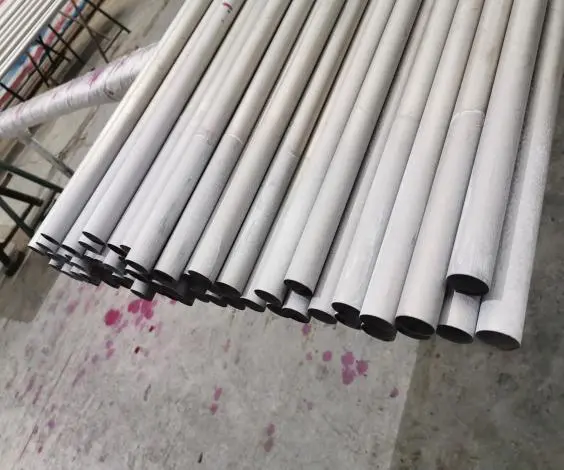
Understanding Hastelloy C276 Pipe: Composition and Properties
This nickel-based superalloy works well because the chemicals that make it up are carefully balanced. We've seen that the high molybdenum content makes it very resistant to localised rust, and the chromium makes it more resistant to oxidation. The iron percentage is usually between 4 and 7 per cent, which makes the metal stronger without making it less resistant to rust.
Chemical Composition That Drives Performance
Hastelloy C276 (UNS N10276)'s metallic structure works together to protect against environmental damage. Adding 3–4.5% tungsten makes the material even more resistant to reducing conditions, especially those with hydrochloric acid and sulphuric acid. The low carbon content—usually less than 0.01%—reduces carbide precipitation during welding and heat treatment. This makes the material less vulnerable at grain boundaries, which is where rusting usually starts.
Physical Characteristics and Temperature Capabilities
Material experts like that the metal can be used in a wide range of temperatures. The tubes stay mechanically sound from very cold temperatures (as low as -196°C) to about 427°C when they are used continuously. In the annealing state, the tensile strength is more than 690 MPa, and the yield strength is usually around 283 MPa. Because it is both strong and flexible, this material can handle changes in temperature and mechanical stress without breaking too soon in turbine parts, heat exchangers, and pressure tanks.
Manufacturing Processes Ensuring Quality
Our Hastelloy C276 tube goods are made by TSM Technology using precise production methods. To meet ASTM B622 standards, seamless tubes are either cold drawn or hot rolled, based on the size needed. The soldered choices we offer are in line with ASTM B619 and ASTM B626, and they use modern TIG welding that keeps the weld zone clean and resistant to rust. Surface processes like sanding, bright annealing, and pickling make the material ready to be installed right away and improve its natural oxide layer that protects it.
Corrosion and Erosion Resistance of Hastelloy C276 Pipes
Industries that deal with a lot of chemicals need materials that won't break down on them. We've sent this superalloy to chemical plants that work with mixed acids, refineries that process wet chlorine gas, and offshore platforms where saltwater spray mixes with hydrogen sulfide—all of these places break down normal materials in months.
Superior Corrosion Resistance Mechanisms
At the microstructural level, the corrosion resistance mechanism is governed by the formation of a stable passive film. When the metal is put in acidic media, it forms a stable passive film that can be repaired even after being damaged physically. Nickel-molybdenum metals work better than 316 stainless steel in places where salt is present because they can heal themselves. The results of tests show that the material doesn't rust in ferric chloride solutions, stays strong in boiling 20% sulphuric acid, and can handle hot, contaminated mineral acids that quickly break down other materials.
Erosion Resistance Under Harsh Conditions
When high-speed streams carry bits in them, erosion resistance becomes very important for Hastelloy C276 tube. Offshore drilling operations use high-pressure pumps to move rough slurries around, and power generation systems move high-temperature steam that is full of particles. The hardness of the material—its ability to take contact energy without breaking—keeps the surface from wearing down, which happens with softer metals. Fluid speeds of more than 30 meters per second wear down regular pipes in two years, but this superalloy is barely affected by them even after ten years of use.
Real-World Performance Documentation
In their hydrochloric acid renewal machine, a large industrial complex on the Gulf Coast switched from carbon steel pipes to pipes made of this nickel metal. Ultrasonic tests showed that the walls had thinned by less than 0.2 mm after eight years of constant running at temperatures around 150°C. This is well within the acceptable service limits. In a different case, scale and rust damaged stainless steel tubes every year at a geothermal power plant. When they switched to this material, the service life went beyond ten years and the number of maintenance shutdowns dropped by 75%. These recorded results show that the metal can be trusted to protect investments in important infrastructure.
Comparing Hastelloy C276 Pipes with Alternative Materials
When choosing materials for acidic work, procurement professionals have to make hard choices. Budget limits must be weighed against lifetime costs, since early mistakes cost a lot more than the original saves on materials. We've led hundreds of engineering teams through this research, which looks at how different metals work in certain situations.
Performance Against Inconel Alloys
Inconel 625 is strong at high temperatures and doesn't rust, so it can be used in exhaust systems for aeroplanes and gas engine parts. Hastelloy C276 tube, on the other hand, is better at protecting things when chemical plants work with reducing acids or mixed oxidising and reducing conditions. Because C276 has more molybdenum, it is better at stopping chloride-induced stress corrosion cracking that can happen in some Inconel uses. When it comes to temperature, Inconel stays strong at higher temperatures, while C276 is better at resisting chemicals across a wider pH range.
Stainless Steel Limitations in Corrosive Environments
Austenitic stainless steels, such as 316L, are less expensive up front and meet a lot of general industry needs. When the chloride level is above 1000 ppm, or the temperature is above 60°C in acidic conditions, their flaws become clear. In some cases, 316 stainless steel heat exchanger tubes broke after only eighteen months of use in plant desalination, but nickel-molybdenum-chromium alloys worked for over fifteen years in the same conditions. When replacement regularity, production slowdown, and emergency repair costs are taken into account, the difference in prices becomes much smaller.
Monel and Alternative Nickel Alloys
Monel metals are often used in marine uses because they can stand up to salt water. Monel 400 is a combination of nickel and copper that works very well in neutral to alkaline chloride solutions but not so well in acids, which is important for chemical processing. Hastelloy C22 is very similar to C276, but it is a little more resistant to rust in some oxidising media. However, it costs more and takes longer to get. For most commercial uses that need a wide range of chemical compatibility, C276 is the best choice in terms of performance and supply.
The comparison below helps buying decision-makers understand these differences. In multi-acid settings like those found in petroleum processes, C276 is the best choice because it can be used in so many ways. Inconel metals work well in high-temperature situations where they will be exposed to less harsh chemicals, while stainless steels work well in softer situations. Monel does well in saltwater, but it can't handle acidic places where C276 does well. This method for choosing materials helps engineering managers find the most cost-effective option for their unique needs.
Procurement Insights for Hastelloy C276 Pipes and Tubes
To get these unique Hastelloy C276 tube materials, you need to work with makers who know about both metals and business needs. TSM Technology has been serving global markets for fourteen years and has created supply chain practices that guarantee stable quality and on-time deliveries.
Selecting Qualified Manufacturers
Professional sellers can be told apart from shady vendors by their certification compliance. We use ISO quality control methods and include full paperwork on how to track materials with every package. Each tube has a heat lot number that connects it to a mill test record that shows its chemical make-up, mechanical qualities, and the results of non-destructive tests. This paperwork is very important for businesses that need to certify materials, like aircraft makers who follow AS9100 standards and nuclear power plants that follow ASME Section III rules.
Custom Sizing and Bulk Order Capabilities
Standard sizes are good for a lot of situations, but unique sizes are often needed for specialised systems. Outside sizes that we can make range from 6.0 mm to 114 mm, and wall thicknesses that can be anything from 0.5 mm for precise instruments to 15 mm for high-pressure use. For special thickness and wall types, the length can go up to 15,000 mm, which means that fewer welds are needed in important pipe runs. The engineering teams respect that we're ready to work together on non-standard sizes that make system design better instead of causing them to make choices based on what's available.
Lead Time Planning and Pricing Dynamics
The world markets for nickel and molybdenum cause changes in the supply of materials. Standard sizes in our stock usually ship within one to two weeks. Custom sizes, on the other hand, take six to eight weeks from the time an order is confirmed until it is delivered. With volume agreements, we can make sure we have enough raw materials and plan production well, which often shortens the wait time for project-based sales. Pricing is based on more than just the cost of the metal itself. Methods of making tubes, required surface finishes, and licensing levels are just a few of the things that affect quotes. Having clear conversations about project timelines and number needs helps our team set the best prices and delivery times.
Supplier Reliability Assessment Criteria
Comparing prices on charts isn't the only thing that goes into good buying for Hastelloy C276 tube. We suggest that you look at a supplier's expert help, whether they're willing to send you samples of their products to try, and how often they've delivered on time in the past. Referrals from customers in related fields show how providers deal with problems that come up out of the blue, like quality problems, production delays, or material changes. When you work with makers who see themselves as partners in your success instead of just sellers, you get long-term benefits like better communication, faster service during material shortages, and working together to solve problems when uses push the limits of what materials can do.
Best Practices for Using Hastelloy C276 Pipes in Industrial Applications
Choosing the right materials is only the first step in making sure that a system will work well in the long run. The rust and weathering protection that makes the initial investment in high-quality materials worth it can be maintained with the right installation methods, upkeep schedules, and operating procedures.
Welding and Fabrication Techniques
To join these nickel metals, you have to follow certain steps that are different from how you join stainless steel. Gas tungsten arc welding (GTAW/TIG) with appropriate filler metal, like ERNiCrMo-4 or C276 wire, is what we suggest. The temperature between the passes shouldn't go above 150°C, because adding too much heat can cause secondary stages to form that make the material less resistant to rust. Due to the low carbon content of the metal, there is no need for post-weld heat treatment. However, solution annealing at 1150–1200°C followed by rapid cooling can return the material to its original qualities if thermal cycles have damaged it. Cleaning the joint properly, which includes getting rid of all the grinding dust and oxide films, stops pollution that could lead to localised rust.
Maintenance Routines Maximizing Service Life
Periodic inspection programs find problems as they start to appear before they become major problems. Eddy current testing finds surface cracks or stress corrosion, and ultrasonic thickness measures track the rate of loss in fast-moving parts. Welds and parts that have crevices where rust could start should be visually inspected. This is especially important in systems that are only used sometimes, which lets deposits build up. Chemical cleaning methods must not use chloride-containing compounds because they could damage the inactive film. Instead, alkaline cleaners or special formulas made for nickel metals keep the surface intact while repair work is being done.
Operational Considerations for Extreme Environments
Choices made during system design have a big effect on how well materials work. Keeping fluid speeds below degradation thresholds—usually less than 35 meters per second for clean liquids—indefinitely increases the life of the tube. If there are rough bits in the process stream, the speed may need to be slowed down to 15 to 20 meters per second. Controlling the temperature stops thermal cycle fatigue, and making sure there is enough air flow gets rid of gas pockets where differential aeration cells can start crevice corrosion. When you mix these operating factors with the alloy's natural qualities, you get systems that work reliably for decades without needing to be fixed often.
Our technical support staff and engineering teams have worked together to make setups work better in a wide range of situations. These joint efforts get the best return on investment by matching the powers of materials with their real use. This way, neither too much or too little specification is used, which would waste money and time and cause the materials to fail early.
Conclusion
Hastelloy C276 tube is resistant to wear and rust in industrial settings where failure of materials can cause safety risks and financial losses. Because it has the right amount of nickel, molybdenum, and chromium, it protects against harsh chemicals and keeps its shape even when it flows quickly or hits small particles. This superalloy works better in mixed-acid settings and is more chemically compatible than options like stainless steel, Inconel, and Monel. For execution to go well, you need to work with skilled makers, use the right manufacturing methods, and keep operating settings within the limits of what the material can handle. This material has been used successfully in the petroleum, marine, aircraft, and power generation industries, which proves its worth for important tasks that need to be reliable over time and have low lifecycle costs.
FAQ
1.Can Hastelloy C276 handle conditions with high temperatures and acidic substances?
When heated to high temperatures, the metal stays resistant to rust in sulphuric acid up to 90°C and hydrochloric acid in a range of amounts. Temperature limits depend on the chemical make-up and quantity, but the material usually works well in many industrial process lines up to 427°C.
2.When it comes to salt service, how does this material stack up against 316 stainless steel?
Nickel-molybdenum-chromium superalloys work much better in chloride-filled settings than 316 stainless steel. In seawater or chloride process streams, 316 can split and crack due to stress corrosion, but Hastelloy C276 tube doesn't break down in these ways, even in hot, concentrated chloride solutions that are common in chemical processing and marine uses.
3.How long does it usually take to get special tube sizes?
Standard sizes usually ship one to two weeks after they are stocked. Custom specs, like exact wall thicknesses, outside sizes, or lengths, usually take six to eight weeks from the time the order is confirmed. If project-based number orders are shared early in the planning process, they may be able to get faster output schedules.
Partner with TSM Technology for Reliable Hastelloy C276 Tube Supply
Certified Hastelloy C276 tube made to ASTM B622, B619, and B626 standards is available from TSM Technology to meet your material needs. We have been a seller of Hastelloy C276 tubes to the aerospace, industrial, naval, and power generation industries since 2011. Our unique sizes range from 6.0mm to 114mm in diameter, with wall thicknesses from 0.5mm to 15mm and lengths up to 15,000mm. Our quality control systems make sure that every order can be fully tracked and that the materials used are certified. You can email our expert team at info@tsmnialloy.com to talk about your specific application needs, get material test reports, or get project quotes that show how committed we are to offering reasonable prices and on-time delivery.
References
Davis, J.R. (2000). "Nickel, Cobalt, and Their Alloys." ASM International Handbook Committee, ASM International Materials Park, Ohio.
Rebak, R.B. (2005). "Corrosion Resistance of Nickel Alloys in Reducing and Oxidizing Environments." Corrosion Engineering Section, General Electric Global Research Center Technical Report.
Tawancy, H.M., Herchenroeder, R.B., and Asphahani, A.I. (1983). "High-Performance Ni-Cr-Mo-W Alloys." Journal of Metals, Volume 35, Issue 11, pp. 37-43.
Special Metals Corporation (2004). "HASTELLOY C-276 Alloy Product Handbook." Special Metals Technical Literature, Huntington, West Virginia.
Sedriks, A.J. (1996). "Corrosion of Stainless Steels and Nickel Alloys." Second Edition, John Wiley & Sons, New York.
Ahmad, Z. (2006). "Principles of Corrosion Engineering and Corrosion Control." Elsevier Butterworth-Heinemann, Oxford, United Kingdom.
Learn about our latest products and discounts through SMS or email