- English
- French
- German
- Portuguese
- Spanish
- Russian
- Japanese
- Korean
- Arabic
- Greek
- German
- Turkish
- Italian
- Danish
- Romanian
- Indonesian
- Czech
- Afrikaans
- Swedish
- Polish
- Basque
- Catalan
- Esperanto
- Hindi
- Lao
- Albanian
- Amharic
- Armenian
- Azerbaijani
- Belarusian
- Bengali
- Bosnian
- Bulgarian
- Cebuano
- Chichewa
- Corsican
- Croatian
- Dutch
- Estonian
- Filipino
- Finnish
- Frisian
- Galician
- Georgian
- Gujarati
- Haitian
- Hausa
- Hawaiian
- Hebrew
- Hmong
- Hungarian
- Icelandic
- Igbo
- Javanese
- Kannada
- Kazakh
- Khmer
- Kurdish
- Kyrgyz
- Latin
- Latvian
- Lithuanian
- Luxembou..
- Macedonian
- Malagasy
- Malay
- Malayalam
- Maltese
- Maori
- Marathi
- Mongolian
- Burmese
- Nepali
- Norwegian
- Pashto
- Persian
- Punjabi
- Serbian
- Sesotho
- Sinhala
- Slovak
- Slovenian
- Somali
- Samoan
- Scots Gaelic
- Shona
- Sindhi
- Sundanese
- Swahili
- Tajik
- Tamil
- Telugu
- Thai
- Ukrainian
- Urdu
- Uzbek
- Vietnamese
- Welsh
- Xhosa
- Yiddish
- Yoruba
- Zulu
Monel 400 Sheet Manufacturing Process Explained
The manufacturing process directly affects the quality, performance, and service life of nickel alloy materials. For industrial applications, customers need more than a corrosion-resistant alloy. They also need stable production processes, accurate dimensions, reliable mechanical properties, and complete quality control.
Monel 400 Sheet is a widely used nickel-copper alloy material known for its excellent resistance to seawater, chloride environments, and many chemical media. However, producing high-quality Monel 400 Sheet requires strict control throughout every manufacturing stage.
From raw material preparation to final inspection, each step influences the final product performance. In this article, I will explain the complete manufacturing process of Monel 400 Sheet, including melting, rolling, heat treatment, surface finishing, inspection, and supplier selection.
This guide helps engineers, purchasing managers, and distributors understand how professional manufacturers produce reliable Monel 400 Sheet for demanding industrial applications.
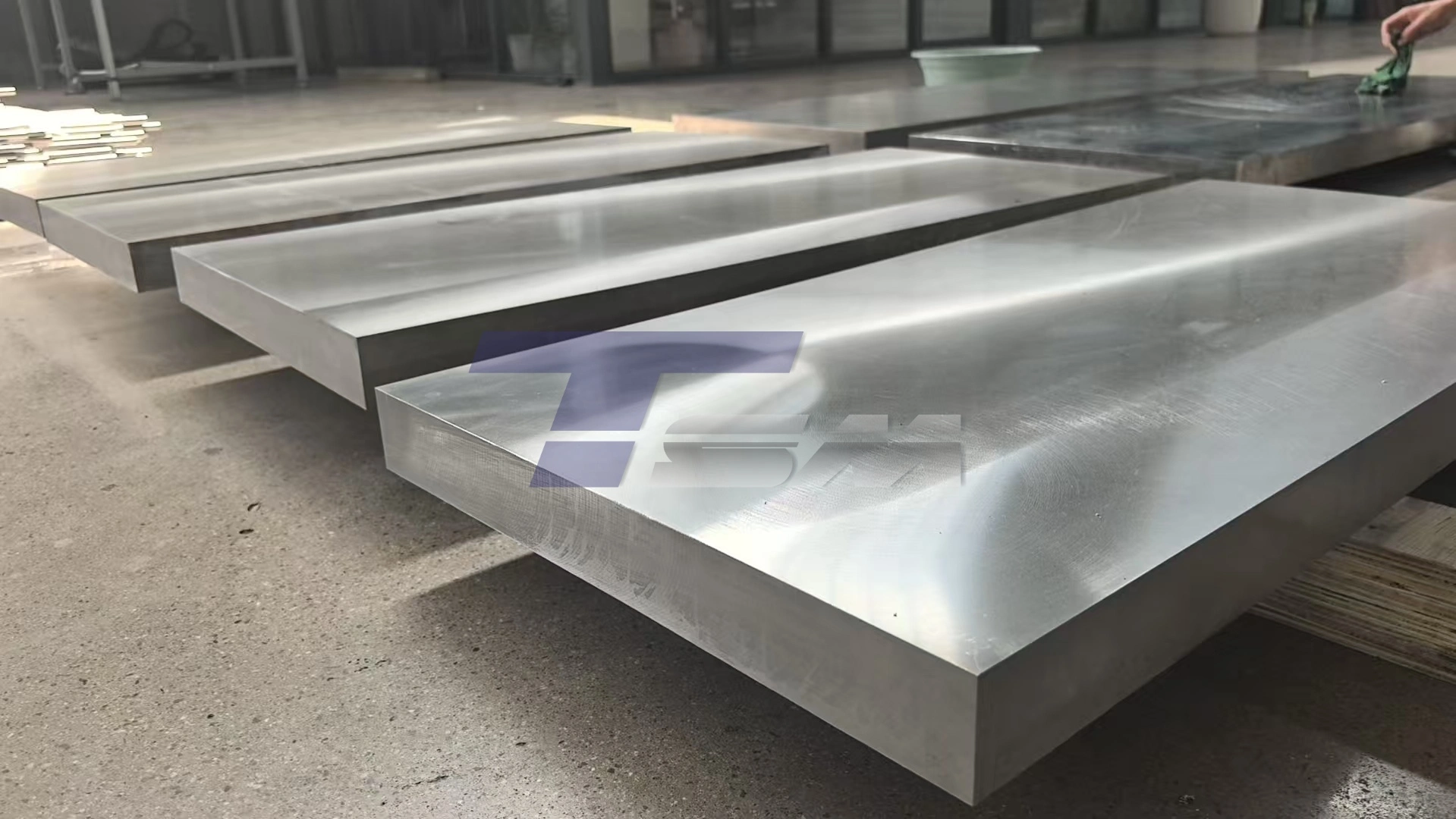
What Is Monel 400 Sheet?
Monel 400 is a nickel-copper alloy identified as UNS N04400. It contains a high amount of nickel and copper, which gives it excellent corrosion resistance and good mechanical properties.
A Monel 400 Sheet is a flat nickel alloy product commonly supplied according to standards such as ASTM B127 / ASME SB-127.
The material is widely used in industries that require corrosion-resistant performance, including:
· Marine engineering
· Chemical processing
· Oil and gas
· Heat exchanger manufacturing
· Industrial equipment
The main advantages of Monel 400 Sheet include:
· Excellent seawater corrosion resistance
· Good resistance to chloride stress corrosion cracking
· Stable mechanical properties
· Good weldability
· Good performance in reducing environments
To achieve these properties, manufacturers must carefully control the production process.
Step 1: Raw Material Selection and Alloy Preparation
The first stage of manufacturing Monel 400 Sheet is selecting qualified raw materials.
Because Monel 400 is a nickel-copper alloy, manufacturers must control the proportion of alloying elements during production.
The main elements include:
· Nickel
· Copper
· Iron
· Manganese
· Carbon
· Silicon
Accurate chemical composition control is important because it directly affects:
· Corrosion resistance
· Mechanical strength
· Fabrication performance
· Service reliability
Professional manufacturers use tested raw materials and perform chemical analysis before production begins.
This step helps ensure that the final Monel 400 Sheet meets required specifications.
Step 2: Melting and Alloy Formation
After raw materials are prepared, the alloy enters the melting process.
During melting, manufacturers combine nickel, copper, and other alloying elements under controlled conditions.
The purpose of melting is to create a uniform alloy structure.
Important factors during this stage include:
· Temperature control
· Chemical composition monitoring
· Metal cleanliness
· Uniform alloy distribution
A stable melting process helps reduce material defects and improves consistency throughout the final product.
Step 3: Hot Rolling Process
After the alloy is formed into suitable shapes, it undergoes hot rolling.
Hot rolling reduces the thickness of the material and creates the basic sheet structure.
During hot rolling:
· The alloy is heated to a suitable temperature.
· Rolling equipment reduces thickness gradually.
· The material shape becomes closer to the final dimensions.
Hot rolling provides several benefits:
· Improved production efficiency
· Better material processing
· Suitable structure for further processing
For thicker Monel 400 Sheet products, hot rolling is an important manufacturing step.
Step 4: Cold Rolling for Thickness Accuracy
Cold rolling is used to improve dimensional accuracy and surface quality.
Compared with hot rolling, cold rolling is performed at lower temperatures.
This process helps improve:
· Thickness tolerance
· Surface finish
· Dimensional consistency
Cold rolling is especially important when customers require precise sheet dimensions.
For industrial applications, accurate thickness control can improve fabrication efficiency and reduce material waste.
A professional Monel 400 Sheet manufacturer uses advanced rolling equipment to maintain stable product quality.
Step 5: Heat Treatment and Solution Annealing
Heat treatment is an important step in nickel alloy manufacturing.
For Monel 400 Sheet, solution annealing is commonly used to optimize material properties.
The purposes of heat treatment include:
· Improving ductility
· Reducing internal stress
· Restoring alloy structure
· Maintaining mechanical performance
Proper heat treatment helps Monel 400 achieve its expected corrosion resistance and fabrication characteristics.
Incorrect heat treatment may affect:
· Strength
· Formability
· Corrosion performance
Therefore, temperature control and process management are critical.
Step 6: Surface Treatment and Finishing
After rolling and heat treatment, Monel 400 Sheet undergoes surface finishing.
Surface treatment helps improve product appearance and prepares the material for customer applications.
Common finishing processes include:
· Pickling
· Surface cleaning
· Grinding
· Polishing when required
The final surface condition depends on customer requirements and application needs.
For example:
· Chemical equipment may require a clean surface condition.
· Fabrication projects may require specific surface finishes.
A reliable supplier should confirm surface requirements before production.
Step 7: Cutting and Dimension Control
After finishing, the sheet is processed according to customer specifications.
Manufacturers may cut the material into required sizes based on:
· Thickness
· Width
· Length
· Application requirements
Dimension control is important because industrial customers often require precise measurements.
Before shipment, manufacturers check:
· Sheet dimensions
· Thickness tolerance
· Surface condition
This ensures the product matches customer drawings and specifications.
Step 8: Quality Inspection of Monel 400 Sheet
Quality inspection is one of the most important stages in the manufacturing process.
Professional manufacturers perform inspections to verify product quality.
Common inspection items include:
Chemical Composition Testing
Chemical analysis confirms that the alloy meets the required composition.
Mechanical Testing
Mechanical tests verify properties such as:
· Tensile strength
· Yield strength
· Elongation
Dimensional Inspection
This confirms:
· Thickness accuracy
· Sheet size
· Product tolerance
Surface Inspection
Surface checks help identify visible defects or irregularities.
Customers may also request material documentation, such as:
· Material Test Certificate (MTC)
· Inspection reports
· Traceability records
Complete quality records help industrial users manage project requirements.
Common Applications of Manufactured Monel 400 Sheet
After completing the manufacturing process, Monel 400 Sheet is used in many industries.
Marine Industry
Marine environments create serious corrosion challenges.
Monel 400 Sheet is used for:
· Seawater equipment
· Marine components
· Heat exchanger parts
· Valve components
Its seawater resistance makes it suitable for long-term marine service.
Chemical Processing Industry
Chemical equipment requires materials that can resist aggressive substances.
Monel 400 Sheet is used in applications involving:
· Hydrofluoric acid
· Alkali solutions
· Salt solutions
Its corrosion resistance helps improve equipment reliability.
Oil and Gas Industry
Oil and gas projects often require materials that can handle corrosive environments.
Monel 400 may be selected for:
· Process equipment
· Valve parts
· Pump components
· Offshore applications
Material reliability is important for reducing downtime and maintenance requirements.
How to Choose a Reliable Monel 400 Sheet Manufacturer?
Selecting a supplier is an important part of purchasing nickel alloy materials.
A reliable Monel 400 Sheet supplier should provide:
Manufacturing Experience
Experienced manufacturers understand nickel alloy processing requirements.
Quality Control System
A professional supplier should have:
· Production control procedures
· Inspection processes
· Material traceability
Technical Support
A good supplier can help customers with:
· Material selection
· Specification confirmation
· Application requirements
Choosing the right manufacturer helps ensure consistent quality and reliable delivery.
Why Choose TSM Nialloy for Monel 400 Sheet?
TSM Nialloy specializes in nickel alloy materials and provides corrosion-resistant alloy solutions for industrial customers.
TSM Technology Co., Ltd. focuses on:
· Professional nickel alloy manufacturing
· Strict quality control
· Complete material traceability
· Customized supply solutions
Our Monel 400 Sheet products are designed for applications requiring excellent corrosion resistance and stable performance.
With experience in nickel alloy products, TSM Nialloy supports customers in marine, chemical processing, oil and gas, and industrial sectors.
Conclusion
The manufacturing process of Monel 400 Sheet includes multiple important stages, from alloy preparation and melting to rolling, heat treatment, finishing, and inspection.
Each step affects the final material quality and performance.
A professional manufacturing process ensures that Monel 400 Sheet provides reliable corrosion resistance, accurate dimensions, and stable mechanical properties for demanding applications.
When selecting a nickel alloy supplier, customers should consider production capability, quality control, and technical experience.
If you need a reliable Monel 400 Sheet supplier or want more information about manufacturing specifications, please contact our team.
Email: info@tsmnialloy.com.
References
1. ASTM B127 — Standard Specification for Nickel-Copper Alloy Plate, Sheet, and Strip
2. ASM Specialty Handbook: Nickel, Cobalt, and Their Alloys
3. ASM Handbook Volume 14A — Metalworking: Bulk Forming
4. ASM Handbook Volume 4 — Heat Treating of Metals
5. Nickel Institute — Nickel Alloy Processing and Corrosion Resistance Information
6. Schweitzer, P. A. — Corrosion Resistance Tables: Metals, Plastics, Nonmetallics and Coatings
Learn about our latest products and discounts through SMS or email