- English
- French
- German
- Portuguese
- Spanish
- Russian
- Japanese
- Korean
- Arabic
- Greek
- German
- Turkish
- Italian
- Danish
- Romanian
- Indonesian
- Czech
- Afrikaans
- Swedish
- Polish
- Basque
- Catalan
- Esperanto
- Hindi
- Lao
- Albanian
- Amharic
- Armenian
- Azerbaijani
- Belarusian
- Bengali
- Bosnian
- Bulgarian
- Cebuano
- Chichewa
- Corsican
- Croatian
- Dutch
- Estonian
- Filipino
- Finnish
- Frisian
- Galician
- Georgian
- Gujarati
- Haitian
- Hausa
- Hawaiian
- Hebrew
- Hmong
- Hungarian
- Icelandic
- Igbo
- Javanese
- Kannada
- Kazakh
- Khmer
- Kurdish
- Kyrgyz
- Latin
- Latvian
- Lithuanian
- Luxembou..
- Macedonian
- Malagasy
- Malay
- Malayalam
- Maltese
- Maori
- Marathi
- Mongolian
- Burmese
- Nepali
- Norwegian
- Pashto
- Persian
- Punjabi
- Serbian
- Sesotho
- Sinhala
- Slovak
- Slovenian
- Somali
- Samoan
- Scots Gaelic
- Shona
- Sindhi
- Sundanese
- Swahili
- Tajik
- Tamil
- Telugu
- Thai
- Ukrainian
- Urdu
- Uzbek
- Vietnamese
- Welsh
- Xhosa
- Yiddish
- Yoruba
- Zulu
Monel 400 vs Monel 401: Key Differences in Electrical Properties
When choosing nickel-copper alloys for electrical and industrial uses, engineers and people who work in buying need to know the differences between Monel 400 bars and Monel 401 bars. The two metals are both from the Monel family and are very resistant to rust, but their make-up and how they work are different. These differences affect how well they work in situations requiring electrical contact, mechanical strength, physical stability, and long-term reliability in harsh environments. Monel 400 is known for being resistant to corrosion and having a higher electrical conductivity. Monel 401, on the other hand, is made to have a good balance of electrical properties and mechanical performance. When manufacturers know these differences, they can choose the right alloy for uses like electrical parts, marine equipment, precision parts, and industrial systems.
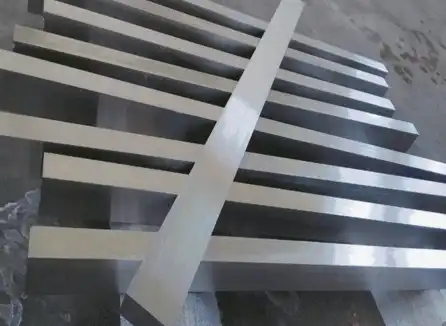
Composition and Chemical Properties of Monel 400 and Monel 401 Bars
Nickel-copper alloys' electrical properties, mechanical properties, and resistance to rust are all affected by the chemicals that make them up. Nickel and copper are the main alloying elements in both Monel 400 and Monel 401, but their different compositions cause them to behave in different ways. By knowing how these changes in makeup affect electrical and mechanical qualities, engineers can figure out how well each combination is likely to work.
Elemental Analysis and Composition Differences
A combination of nickel and copper, Monel 400, is known for being strong, not rusting, and working well in sea and chemical settings. Because it has copper in it, it has good electrical properties and can be used in places where conductivity is important. Monel 401 is also made of nickel and copper, but its composition can be changed in controlled ways to change its mechanical and electrical properties. The main ways that Monel 400 and 401 are different are: How well electricity flows, Strength in mechanics, Behaviors that make work harder, and suitability for the application. Depending on how they are made, minor alloying elements like iron, manganese, and sulfur may also change the final qualities of these materials. When engineers are choosing between Monel 400 and Monel 401 bars, they need to know how to balance the need for electrical performance with the need for mechanical sturdiness.
Impact on Electrical Performance
How well Monel metals conduct electricity depends on their chemical make-up, texture, and how they were processed. Because of how it is made, Monel 400 has a slightly higher electrical conductivity, which makes it good for uses where lowering electrical resistance is important. Monel 401, which includes Monel 401 bar products, is more concerned with finding a balance between its electrical properties and its mechanical performance. This balance can help parts that include the following: Stress from machines, Execution over and over, Exposure to the environment, Needs for dimensional stability. Instead of just looking at conductivity when choosing a nickel-copper metal for electrical uses, engineers should think about the whole working environment. The final material choice is affected by things like corrosion exposure, mechanical loading, temperature changes, and the design of the part.
Mechanical and Thermal Properties Affecting Electrical Applications
A lot of the time, electrical parts need materials that can keep their shape, power, and dependability over time. Electrical conductivity is a key factor, but mechanical performance and heat stability also have an impact on how long electrical parts last. This is the reason why electrical, mechanical, and environmental standards are used to judge Monel 400 and 401 bars.
Strength and Durability Considerations
A lot of the time, Monel 401 is chosen for uses that need extra mechanical support. Compared to Monel 400, Monel 401 has properties that can be useful for parts that are subjected to repeated mechanical loads or tough operating conditions. Because of these qualities, Monel 401 bar can be used for things like: Contacts for electricity, Springs, High-quality parts, Parts for industry that need to be stable in terms of size. Because the metal hardens over time, it can be used to make parts that keep working well even after being used many times. When making electrical equipment, picking a material with enough mechanical strength can help lower the risk of damage and increase the trustworthiness of parts over time. However, the best alloy to use depends on the load conditions, temperature range, and manufacturing process of the specific application.
Thermal Conductivity and Heat Dissipation
Managing temperature is an important part of electrical systems because too much heat can hurt the performance and life of parts. Both Monel 400 and Monel 401 are resistant to harsh conditions, but their electrical and temperature properties are different because of how they are made. Monel 400 might be better in situations where heat transfer and electrical conductivity are important. On the other hand, Monel 401 can be used when both mechanical stability and structural reliability are important. When experts have to choose between these two metals, they should look at: Temperature of operation, needs at the moment, Stress from machines, and conditions in the environment. The right choice of material helps make sure that electrical parts keep working well for as long as they are used.
Electrical Properties: Monel 400 vs Monel 401 Bars
One of the most important things engineers look at when picking nickel-copper alloys for electrical parts is how well they conduct electricity. Monel 400 and Monel 401 are both resistant to rust in similar ways, but their electrical properties are different because of how they are made and what they are made of. Knowing these differences helps makers choose the right metal based on the needs of the product, rather than just looking at how well it conducts electricity.
Conductivity and Resistivity Analysis
Because it is made up of more alloys, Monel 400 usually has better electrical conductivity than Monel 401. Due to this property, Monel 400 can be used in situations where low resistance and high energy efficiency are important. Monel 401, which includes Monel 401 bar, has a unique balance between its electrical and mechanical properties. It is often thought about for situations where parts need to work electrically and be more stable structurally. When experts compare these metals, they should look at: Needed to conduct electricity, Temperature of operation, Conditions of mechanical loading, and exposure to the environment. Choosing the right metal for electrical contacts, links, and precision parts relies on how the system is designed as a whole.
Performance in Corrosive Environments
One of the best things about Monel metals is that they don't rust. Both Monel 400 and Monel 401 are very resistant to a wide range of harsh situations, such as those found in the naval and industrial sectors. When electrical parts are used in places with water, saltwater, or chemicals, how long the materials last is very important for keeping the parts working properly. Monel 401 could be used in places where rust protection, mechanical strength, and physical stability are important.
When choosing corrosion-resistant electrical parts, you should usually think about the following: Setting for exposure, how long it should last, what the machine needs, and conditions of maintenance. By choosing the right nickel-copper alloy, manufacturers can make parts more reliable and cut down on the number of times they need to be replaced in demanding situations.
Comparative Analysis with Other Materials for Electrical and Marine Applications
When engineers are choosing parts for electrical and naval uses, nickel-copper alloys are often put up against other materials. Depending on the necessary mix of conductivity, rust protection, strength, and cost, each material has its own benefits.
Performance Against Stainless Steel and Other Alloys
Due to its strength and resistance to corrosion, stainless steel is used a lot in industry. On the other hand, nickel-copper alloys like Monel 400 and 401 can be useful in places where long-term security and protection from rust are important. When compared to some types of stainless steel, Monel metals are much better at withstanding chemicals and seawater. Copper-nickel alloys may be better at conducting electricity, but when choosing a material, it's also important to think about how it will react to corrosion and how strong it needs to be. When experts are picking between different metals, they should look at: How the electricity works, resistance to corrosion, Strength in mechanics, needs for manufacturing,
Total cost of service. The best material to use relies on how the part is designed and how it will be used.
Marine and Heat Exchanger Applications
Marine systems need materials that can handle being wet, being in saltwater, and being used for a long time. Due to their ability to resist corrosion, Monel alloys are often used in marine settings for things like: Electrical parts for boats, Pumps and switches, Parts of a heat exchanger, Parts made with great accuracy. Monel 401 bar can be used in situations where manufacturers need a material that is resistant to corrosion, stable mechanically, and reliable in how it works. Choosing the right alloy grade for marine and industrial equipment helps make the system last longer and need less maintenance.
Procurement Considerations for Monel 400 and 401 Bars
To successfully buy nickel-copper alloy bars, you need to carefully look over the material specs, the supplier's skills, and the quality paperwork. Buyers should think about more than just the price of a material. They should also think about its consistency, processing ability, and technical support.
Market Availability and Pricing Structures
The price and availability of Monel 400 and 401 bars depend on a number of things, such as Details about the material, Sizes of bars, needs for a surface finish, Order amount, and market situation. Buyers shouldn't just look at the original purchase price; they should also look at the total value the seller provides, such as the quality of the product, the trustworthiness of delivery, and the expert support. A professional supplier should be able to give customers a lot of information about their products and help them choose the right specifications for their needs.
Supplier Evaluation and Quality Assurance
Picking the right source is important to make sure that the materials always work well. When people buy Monel metal bars, they usually look at: Certificates of Material Test, Reports on chemical composition, Data on mechanical properties, Documentation for inspection, Records of traceability. Products should be sent out based on industry standards and what the customer wants. A trustworthy provider should have good quality control measures in place to make sure that the products are the same from production to delivery.
TSM Technology: Your Trusted Partner for Premium Monel Alloy Solutions
Companies can get reliable materials for tough industrial uses by choosing a Monel metal provider with a lot of experience. Customers who need nickel-copper materials can get Monel alloy products and personalized support from TSM Technology. The company specializes in providing metal options that meet the needs of its customers. Help with choosing materials, personalized sizes, and processing, as well as good documentation. Professional technical support can help customers choose the right alloy grade and specifications for use with electrical parts, marine systems, and precision-machined parts.
Manufacturing Excellence and Technical Capabilities
To make high-quality nickel-copper alloy bars, the material has to be processed and inspected with great care. The following are common parts of a skilled production process: Control of raw materials, Processing of alloys, checking dimensions, checking the quality of the surface, and final check of the product.TSM Technology helps customers by making Monel metal goods that are suited to a range of uses. Customers can talk about specific sizes, processing needs, and technical details to find materials that work for them.
Quality Assurance and Certification Standards
When you buy Monel 400 and 401 bars, it's important to make sure you have good documentation. Depending on what the customer needs, vendors may give them paperwork like Certificates of Material Test, Reports on chemical analyses, Records of mechanical tests, and Documents for inspection. Customers should check with their supplier about the standards and paperwork needed before placing an order. This makes it easier to be sure that the materials being sent are right for the job.
Conclusion
These two bars, Monel 400 and 401, are both made of a valuable nickel-copper alloy that doesn't rust and works well mechanically. The main difference between these alloys is how well they work together: In general, Monel 400 is a better conductor of electricity. Monel 401 is good for both electrical function and mechanical steadiness. The right alloy to use in electrical, marine, and industrial settings depends on the conditions of use, the design of the part, and the performance needs. Engineers and buying teams can make better decisions about materials if they know the differences between Monel 400 and Monel 401. Working with an experienced supplier that offers technical support, good documentation, and customized options for Monel 401 bar solutions can help make the project go more smoothly.
FAQs
1. What are the main electrical conductivity differences between Monel 400 and 401?
Because the alloys are different, Monel 400 usually has better electrical conductivity than Monel 401. Monel 401 is more concerned with finding a balance between electrical properties and mechanical performance. Which one is best relies on whether the task requires high energy economy, high muscular strength, or a mix of the two.
2. How do these alloys perform in high-temperature electrical applications?
It is possible for both Monel 400 and Monel 401 to keep working reliably in harsh conditions. But when choosing a material, it's important to think about the application's real working temperature, mechanical stress, and weather factors. Before choosing an alloy, engineers should look at the whole working environment.
3. Which alloy offers better corrosion resistance in marine electrical systems?
In many coastal settings, both Monel 400 and Monel 401 are very resistant to rust. Both can be used, but which one to use depends on the part's needs, such as its mechanical load, electrical performance, and service conditions.
Partner with TSM Technology for Superior Monel 401 Bar Solutions
TSM Technology knows how to make Monel 401 bars that have the best electrical and mechanical features for your important uses. Our advanced production methods, strict quality control, and high licensing standards give your projects the dependability they need. We are a reliable Monel 401 bar manufacturer, and we can meet your unique needs with custom solutions, expert help, and reliable supply lines.
Email our expert team at info@tsmnialloy.com to talk about the materials you need and get thorough quotes. You can try out free samples to make sure the electrical and mechanical qualities are correct before you commit to buying a lot of them.
References
ASM International Handbook Committee. "Properties and Selection of Nonferrous Alloys and Special-Purpose Materials." ASM Handbook Volume 2, Materials Park, Ohio: ASM International, 2019.
Davis, J.R. "Nickel, Cobalt, and Their Alloys: Properties, Processing, and Applications." ASM Specialty Handbook, Materials Park, Ohio: ASM International, 2018.
Special Metals Corporation. "Engineering Properties of Monel Alloys: Comprehensive Technical Reference." Technical Bulletin SMC-2021, New Hartford, New York, 2021.
ASTM International. "Standard Specification for Nickel-Copper Alloy Rod and Bar: ASTM B164-21." West Conshohocken, Pennsylvania: ASTM International, 2021.
Marine Engineering Research Institute. "Corrosion and Electrical Performance of Nickel-Copper Alloys in Seawater Applications." Journal of Marine Materials Engineering, Volume 45, Issue 3, 2022.
Aerospace Materials Specification Committee. "Electrical and Mechanical Properties of High-Performance Nickel Alloys for Aerospace Applications." AMS Technical Report 2023-07, Warrendale, Pennsylvania, 2023.
Learn about our latest products and discounts through SMS or email