- English
- French
- German
- Portuguese
- Spanish
- Russian
- Japanese
- Korean
- Arabic
- Greek
- German
- Turkish
- Italian
- Danish
- Romanian
- Indonesian
- Czech
- Afrikaans
- Swedish
- Polish
- Basque
- Catalan
- Esperanto
- Hindi
- Lao
- Albanian
- Amharic
- Armenian
- Azerbaijani
- Belarusian
- Bengali
- Bosnian
- Bulgarian
- Cebuano
- Chichewa
- Corsican
- Croatian
- Dutch
- Estonian
- Filipino
- Finnish
- Frisian
- Galician
- Georgian
- Gujarati
- Haitian
- Hausa
- Hawaiian
- Hebrew
- Hmong
- Hungarian
- Icelandic
- Igbo
- Javanese
- Kannada
- Kazakh
- Khmer
- Kurdish
- Kyrgyz
- Latin
- Latvian
- Lithuanian
- Luxembou..
- Macedonian
- Malagasy
- Malay
- Malayalam
- Maltese
- Maori
- Marathi
- Mongolian
- Burmese
- Nepali
- Norwegian
- Pashto
- Persian
- Punjabi
- Serbian
- Sesotho
- Sinhala
- Slovak
- Slovenian
- Somali
- Samoan
- Scots Gaelic
- Shona
- Sindhi
- Sundanese
- Swahili
- Tajik
- Tamil
- Telugu
- Thai
- Ukrainian
- Urdu
- Uzbek
- Vietnamese
- Welsh
- Xhosa
- Yiddish
- Yoruba
- Zulu
Corrosion Resistance of Inconel 686 vs. 625 in FGD Systems
When it comes to Flue Gas Desulfurization (FGD) systems, the choice between Inconel 686 and Inconel 625 is a key one because corrosion resistance, service reliability, and maintenance needs all have a direct effect on operating costs. Because it contains more molybdenum and tungsten than Inconel 625, Inconel 686 is better at withstanding harsh chemical conditions. These alloying elements make the metal more resistant to rust in specific areas that are caused by sulfur compounds, chlorides, and the acidic conditions that are common in FGD equipment. The Inconel 686 flange is a reliable way to connect parts that are exposed to harsh corrosion conditions. It has high mechanical strength and resistance to corrosion. The starting cost of the material is higher than some options, but its higher longevity can help cut down on upkeep and increase the useful life of tools in harsh industrial settings.
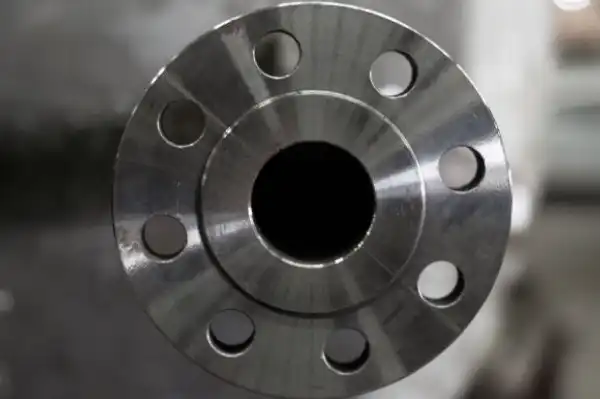
Understanding Inconel 686 and Inconel 625 Flanges in FGD Systems
Flue Gas Desulfurization systems work in places where materials are exposed to chlorides, sulfur compounds, water, and changing temperatures. Picking the right nickel-based metal joint is important for keeping the system reliable and stopping parts from breaking down too soon. Inconel 686 and Inconel 625 are both nickel-based superalloys made for uses that need to be resistant to corrosion. But the different alloys make them perform differently, especially in FGD environments that are very corrosive.
Chemical Composition and Metallurgical Properties
The main difference between Inconel 686 and Inconel 625 is the alloy they are made of and the corrosion-resistant parts that are in them. About 20–22% of Inconel 686 is molybdenum, 15–17% is chromium, and 3–4.4% is tungsten. Nickel makes up the rest of the metal. This mix makes it very resistant to environments that are both oxidizing and reducing. The higher amount of molybdenum and tungsten makes it more resistant to pitting, crevice corrosion, and treatments that contain chloride.
Inconel 625, on the other hand, has about 23% chromium, 8% molybdenum, and 3.15–4.15% niobium. Due to its high mechanical strength and resistance to rust, it can be used in a wide range of chemical handling tasks. But in very harsh FGD conditions with a lot of salt, Inconel 686 can help protect against rust even more.
Another important thing is that these alloys are stable in the metallurgical domain. During running and stop processes, the temperature of FGD devices may change many times. In these conditions, Inconel 686 keeps its austenitic nickel-based structure, and the alloying elements help make it more resistant to limited rust processes.
Standard Specifications and Dimensional Requirements
Nickel metal flanges used in FGD systems must meet strict manufacturing and measurement standards to make sure they work well, are safe, and last a long time. Depending on the needs of the project, Inconel 686 flange products can be made according to common flange standards such as ASME B16.5, ASME B16.47, and EN 1092. Weld neck (WN), slip-on (SO), socket weld (SW), blind (BL), and lap joint (LJ) are some of the flange types that are available. These flanges can be used with a variety of pipe systems because they come in different sizes and pressure classes. When making the right choice, you should think about the working pressure, temperature, link design, and the situations where rust could happen. Because of its engineering features, Inconel 686 can be used in tough industrial settings that need both strength and protection to rust. The fact that it has tensile strength, yield strength, and temperature resistance helps keep the structure strong over time.
Corrosion Resistance Performance: Inconel 686 vs. Inconel 625
FGD Environment Challenges and Material Response
FGD systems make it hard to service because parts are exposed to many things that can damage them, such as sulfur dioxide, chlorides, acidic solutions, and changing pH levels.
These factors can speed up a number of rusting processes, including
Damage from chloride ions that pits;
Crack rusting in places where connections are sealed;
Stress corrosion is when chemical and mechanical stress cause cracks to form; general corrosion happens in acidic environments.
Nickel metals' ability to prevent rust rests a lot on what chemicals are used to make them. Inconel 686 has more molybdenum and tungsten than other metals. This makes the inactive surface layer stronger, which protects against limited rust better. In real-world FGD situations, the Inconel 686 flange is usually chosen for places where resistance to rust is more important than the cost of the material itself.
Comparative Analysis of Corrosion Mechanisms
When looking at how well different metals fight corrosion, Inconel 686 does better in places where salt resistance and limited corrosion defense are important. The higher molybdenum content makes it more resistant to pitting and crevice corrosion, and the tungsten makes it more stable in harsh chemical environments. These features make Inconel 686 good for wet-process uses where regular stainless steels might break down more quickly. Nickel metal Inconel 625 is still widely used because it is strong, doesn't rust, and is easy to find. But for FGD systems that are exposed to a lot of chloride or are in very acidic conditions, Inconel 686 may offer extra protection and help lower the amount of maintenance needed for corrosion.
Real-World Performance Data and Case Studies
The difference in performance between Inconel 686 and Inconel 625 is mostly determined by the FGD system's working conditions, such as the amount of chloride, acidity, temperature changes, and mechanical stress. Localized corrosion can be better controlled with Inconel 686 parts than with many other nickel metals in situations where corrosion is very active. This benefit is mostly due to the alloy's higher molybdenum and tungsten content, which helps keep a more stable passive layer even when exposed to harsh chemicals.
Choosing an Inconel 686 flange for FGD pipe systems can help make connections more reliable in places where the flange sides are exposed to toxic slurry, acidic condensate, or environments with chloride. But the final choice of material should always be based on how it will be used, the results of rust tests, and the needs of the engineers. Long-term success depends on more than just the metal you choose. It also depends on how it is made, welded, surface treated, and inspected. Even high-performance alloys need the right controls during production to last as long as they are supposed to.
Choosing the Right Flange Material for FGD Applications
It's important to find the right base material for an FGD system by weighing its resistance to rust, its functional performance, the situations under which it will be used, and its total lifecycle cost. Even tho Inconel 686 usually costs more up front than Inconel 625, its better protection in harsh acidic conditions may lower the risk of having to replace or repair something unexpectedly.
Site-Specific Assessment Framework
Because each FGD system works in a different way, choosing materials should be based on a thorough analysis of the service setting.
Some important factors are:Chloride level in the process environment, pH range during operation, temperature during operation and changes in temperature, and time spent in corrosive media。Needs for mechanical stress and pressure.
When used in highly acidic or chloride-containing FGD environments, Inconel 686's superior corrosion resistance can offer extra security over lower-alloy options. On the other hand, Inconel 625 might still be a good choice for uses where corrosion isn't too bad and where performance, availability, and cost are all important. A good material review keeps engineers from both not meeting requirements and spending too much money on things that aren't necessary.
Comparative Benchmarking Against Alternative Materials
When it comes to corrosion resistance in harsh FGD environments, nickel-based alloys are much better than common materials like carbon steel and stainless steel. Carbon steel and standard stainless steel may need extra protection, like coatings or replacement more often, when they are exposed to harsh chemical conditions. Because it is resistant to corrosion and has good mechanical properties, Inconel 625 can be used in a lot of different industrial settings. On the other hand, Inconel 686 flange goods are usually thought of for harsher conditions that need more protection against limited rust. The original buy price shouldn't be the only thing you think about when choosing a material. The following should be part of a total cost of ownership analysis: Cost of materials, how they should be installed, how long they should last, how often they should be maintained, and how much production could be lost because of corrosion-related problems. When equipment dependability is very important, a higher-performance metal may be more valuable in the long run.
Quality Assurance and Inspection Protocols
When making nickel metal plates for FGD uses, quality control is very important. A proper inspection makes sure that the final product meets the requirements for its chemical make-up, mechanical properties, and size.
Typical steps for checking quality might include: Analysis of the chemical composition; Testing of mechanical properties; Inspection in four dimensions; Non-destructive testing (NDT); Verification of the Material Test Certificate (MTC).
For metals that don't rust, records like MTC reports and third-party inspection records are very helpful for keeping track of things throughout the span of a project. The testing methods should be chosen based on the needs of the project and the standards that apply. The span of the review may be set by ASTM, ASME, or customer-specific standards. Quality documentation that can be trusted helps engineering teams make sure that the Inconel 686 flange that was supplied meets the needs of the material grade and application.
Procurement Insights for Inconel 686 Flanges
It takes more than comparing unit prices to buy high-performance nickel alloy flanges. The success of a project can be directly affected by things like the supplier's skills, experience with manufacturing, quality documents, and the dependability of delivery.
Market conditions and things to think about in the supply chain
Inconel 686 is a high-performance nickel-based alloy that needs to be made using special techniques and with close attention to the alloy's composition.
The more difficult it is to make Inconel 686 compared to other nickel alloys can affect the cost, processing time, and availability of materials. Price changes may also be caused by changes in the markets for nickel, molybdenum, and tungsten. Lead times for Inconel 686 flange products depend on a number of things, such as: The size and type of the flange;
Specifications that must be met; Method of production; Quantity; Inspection needs. Standard setups may have faster shipping times, while personalized designs usually need more time for manufacturing and quality checks.
Talking to suppliers early on can help you avoid delays, especially on projects that need to stop for maintenance or replace important equipment.
Supplier Evaluation and Certification Requirements
Picking the right supplier is a key part of making sure that the quality of your products stays high.
A good provider should be able to give you: Material traceability documents; chemical composition reports; mechanical testing records; certification documents that are needed; information on how the product can be made.
It is very important to have experience with nickel-based metals because they need to be carefully controlled when they are melted, forged, machined, and finished. Instead of just looking at the lowest price, people who want to buy Inconel 686 flanges should look at the supplier's manufacturing experience, ability to inspect, and technical support. A supplier with strong engineering support can help customers choose the right flange specifications and avoid problems with material selection during the planning phase of a project.
Strategic Sourcing Approaches
A strategic sourcing plan helps businesses keep their supplies stable and their costs low. When working on long-term industrial projects, building relationships with dependable suppliers can help with things like Better technical communication, more reliable delivery times, easier handling of repeat orders, and better support for unique needs. For important FGD systems, keeping up with the right spare parts planning can lower the risk of downtime. Inventory choices should consider equipment value, repair processes, and source wait times. When you need a custom Inconel 686 flange, talking about drawings, sizes, inspection needs, and delivery expectations early on can help the project go more smoothly.
TSM Technology: Your Trusted Partner for High-Performance Inconel Solutions
For FGD systems, picking the right nickel alloy provider is important because the performance of the material, the stability of the quality, and the dependability of delivery all have a direct effect on the success of the project. TSM Technology specializes in making high-performance nickel alloys that are used in harsh industrial settings. The company has experience with materials that don't rust and offers solutions for fields like chemical processing, energy, and pollution control systems that need to work reliably in harsh conditions. TSM Technology helps companies with FGD uses by designing Inconel 686 flange options that fit the needs of the project. To help customers choose the right flange configurations, the company offers technical support during the selection of materials, confirmation of product specifications, and manufacturing processes. It is still possible for TSM Technology to make nickel metal goods through methods like casting, grinding, and surface treatment. Because of these skills, the business can meet a range of needs when it comes to flange sizes, connection types, and application situations. Controlling the alloy composition and manufacturing accuracy is very important for making Inconel 686 flanges. To keep their mechanical properties and ability to resist corrosion, nickel-based superalloys need to be carefully processed. Weld neck (WN), slip-on (SO), socket weld (SW), blind (BL), and lap joint (LJ) designs are some of the flange solutions that can be given to customers based on their needs. Controlling quality is an important part of making corrosion-resistant metal parts. Checking the quality of the product and the compliance of the materials is done by TSM Technology using inspection procedures.
Some common quality checks are: Verification of the chemical makeup; Testing of mechanical properties; Inspection in three dimensions; Non-destructive testing; Recording of the material's history.
Giving customers inspection records and Material Test Certificates (MTC) helps them make sure that the materials you send them meet the needs of the project and the standards of the industry. When choosing a nickel metal flange seller for important uses like FGD systems, it's important to make sure that the paperwork and tracking are correct. To make nickel-based metals, the temperature, makeup, and working factors must be carefully controlled. TSM Technology uses professional production methods to make nickel metal parts that are always of high quality. Forging, grinding, and heat treatment must be done correctly so that the finished goods keep their needed mechanical qualities and resistance to rust. TSM Technology helps customers make reliable flange solutions for tough industrial settings by offering both manufacturing and technical support.
Conclusion
Both Inconel 686 and Inconel 625 can be used in the FGD system, but which one is chosen depends on its working conditions, such as its rust risk, temperature, pressure, and upkeep needs. Because it contains more molybdenum and tungsten than Inconel 625, Inconel 686 is better at resisting localized corrosion. This makes it a good choice for situations where salt contact, acidic conditions, and long-term resistance to rust are important. Inconel 686 flange goods may cost more at first, but their better resistance to rust can pay off in the long run by lowering the need for upkeep and making equipment more reliable. When engineers choose the right flange material, they should think about how it will be used, the quality standards, and the supplier's abilities. Working with a nickel alloy provider with a lot of knowledge can help you make sure that the material you choose will meet both your performance needs and the needs of your project.
FAQ
In FGD systems, why is Inconel 686 better than Inconel 625?
The higher molybdenum and tungsten content in Inconel 686 makes it more resistant to rust than Inconel 625. These alloying elements make it stronger against localized corrosion processes like pitting and crevice corrosion, which is especially important in places where chlorides and sulfur compounds are present. That being said, the best alloy depends on how the FGD is actually used. Before making a final material choice, things like the chemicals used, the temperature, and the amount of upkeep that needs to be done should be thot about.
How can I be sure that the Inconel 686 flanges I'm buying are real and of good quality?
Buyers should request material documentation, including Material Test Certificates (MTC), chemical composition reports, and mechanical testing records. It is also important to confirm that the supplier can provide traceability information and perform inspections according to applicable ASTM, ASME, or customer-specific requirements. A reliable supplier should be able to demonstrate manufacturing capability and quality control procedures for nickel-based alloy products.
How long do most projects take to get Inconel 686 flanges?
Delivery time depends on several factors, including flange size, quantity, manufacturing requirements, customization needs, and inspection procedures. Standard products may have shorter lead times, while customized Inconel 686 flange solutions generally require additional manufacturing and quality verification time. To avoid project delays, customers should confirm technical specifications and delivery schedules with suppliers during the early planning stage.
Partner with TSM Technology for Superior FGD Solutions
It is important to pick the right nickel alloy flange if you want to make FGD systems more reliable. TSM Technology offers Inconel 686 flange options for industrial uses that need materials that don't rust, are reliable, and have consistent quality. TSM Technology helps customers with technical questions, customizing products, and keeping records on materials because they know how to make nickel alloys and check their quality. The expert team can be reached at info@tsmnialloy.com for questions about Inconel 686 flange specs, manufacturing choices, or project needs. TSM Technology can help people choose the right bolt setups and offer reliable nickel metal options for harsh industrial settings.
References
Davis, J.R. "Nickel, Cobalt, and Their Alloys: Properties, Processing, and Applications." ASM International Materials Reference Series, 2000.
Rebak, R.B. "Corrosion Performance of Nickel Alloys in Flue Gas Desulfurization Systems. "Journal of Materials Engineering and Performance, Vol. 15, 2006.
American Society of Mechanical Engineers. "ASME Boiler and Pressure Vessel Code Section II: Materials Specifications." ASME Press, 2021.
Crook, P. "Corrosion Characteristics of Nickel-Chromium-Molybdenum Alloys in FGD Systems. "Materials Performance Magazine, NACE International, 2005.
Streicher, M.A. "Chemical and Physical Metallurgy of Molybdenum-Bearing Stainless Steels and Nickel Alloys." Climax Molybdenum Technical Bulletin, 1998.
Hodge, F.G. "Performance of High-Alloy Materials in Wet Limestone FGD Systems. "Power Engineering International Conference Proceedings, 2008.
Learn about our latest products and discounts through SMS or email