- English
- French
- German
- Portuguese
- Spanish
- Russian
- Japanese
- Korean
- Arabic
- Greek
- German
- Turkish
- Italian
- Danish
- Romanian
- Indonesian
- Czech
- Afrikaans
- Swedish
- Polish
- Basque
- Catalan
- Esperanto
- Hindi
- Lao
- Albanian
- Amharic
- Armenian
- Azerbaijani
- Belarusian
- Bengali
- Bosnian
- Bulgarian
- Cebuano
- Chichewa
- Corsican
- Croatian
- Dutch
- Estonian
- Filipino
- Finnish
- Frisian
- Galician
- Georgian
- Gujarati
- Haitian
- Hausa
- Hawaiian
- Hebrew
- Hmong
- Hungarian
- Icelandic
- Igbo
- Javanese
- Kannada
- Kazakh
- Khmer
- Kurdish
- Kyrgyz
- Latin
- Latvian
- Lithuanian
- Luxembou..
- Macedonian
- Malagasy
- Malay
- Malayalam
- Maltese
- Maori
- Marathi
- Mongolian
- Burmese
- Nepali
- Norwegian
- Pashto
- Persian
- Punjabi
- Serbian
- Sesotho
- Sinhala
- Slovak
- Slovenian
- Somali
- Samoan
- Scots Gaelic
- Shona
- Sindhi
- Sundanese
- Swahili
- Tajik
- Tamil
- Telugu
- Thai
- Ukrainian
- Urdu
- Uzbek
- Vietnamese
- Welsh
- Xhosa
- Yiddish
- Yoruba
- Zulu
The Role of Inconel 625 Seamless Pipe in Nuclear Power Generation
Inconel 625 seamless tube technology is a major step forward in the infrastructure for nuclear power generation. It meets the important safety and efficiency standards that define current reactor operations. These nickel-chromium-molybdenum superalloy tubes are 100% reliable in places where other materials fail, making sure that nuclear plants around the world can keep running and follow safety rules. The smooth construction removes metal weaknesses and gives these special tubes great resistance to damage caused by radiation. This makes them necessary parts for next-generation nuclear power systems.
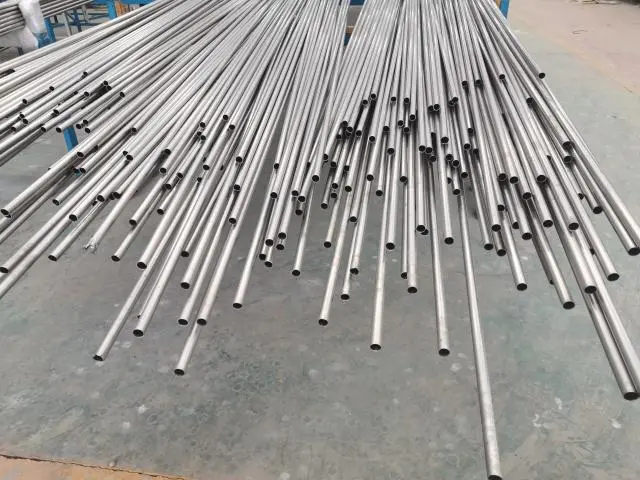
Understanding Inconel 625 Seamless Pipe and Its Core Properties
In order to make nuclear power, materials must work perfectly in harsh conditions. The advanced mechanical design of Inconel 625 seamless pipes makes them perfect for these tough conditions. These high-performance nickel-based metal tubes are made with a lot of care using techniques like vacuum induction melting, hot forging, and rotating piercing to make sure they are structurally sound without any welds.
Chemical Composition and Metallurgical Excellence
The perfectly controlled chemical makeup of these seamless pipes is what makes them work so well. The main metal in the alloy is about 58% nickel. It also has 20–23% chromium to protect it from oxidation, 8–10% molybdenum to protect it from rust, and 3.15–4.15% niobium to strengthen the matrix. With this exact mix, you can make a material that can keep its mechanical features at temperatures close to 1000°C and not corrode in the ways that normal materials do in nuclear settings.
With seamless construction, there are no heat-affected zones or places where things could go wrong like there are with soldered parts. This way of making pipes makes sure that the wall thickness and mechanical qualities are the same along the whole length of the pipe. These are important factors for nuclear uses where safety margins can't be compromised.
Superior Mechanical Properties Under Extreme Conditions
These high-tech superalloy pipes have amazing engineering properties that make them essential for use in nuclear uses. The material keeps its minimum tensile strength of 827 MPa and yield strength of 414 MPa even after being exposed to high temperatures and radiation fields for a long time. Because the metal doesn't expand or break under stress, it will keep its shape even after many long reactor cycles.
The microstructure is improved for better performance through heat treatment methods, especially solution annealing at temperatures above 1093°C. This treatment gets rid of possibly harmful precipitates and creates a uniform austenitic structure that makes the steel very tough and resistant to brittle fracture in situations like those found in nuclear operations where temperatures change quickly.
Why Inconel 625 Seamless Pipe Is Essential in Nuclear Power Generation?
Pipe systems in nuclear power plants have to deal with situations that are very difficult and go beyond what normal materials can handle. Extreme pressure differences, high temperatures, neutron irradiation, and toxic coolants all work together to make a situation where choosing the right material is important for both safety and cost-effectiveness.
Radiation Resistance and Long-Term Stability
Materials in a nuclear setting are hit by a lot of neutrons, which can change the structure of atoms and weaken their dynamic properties over time. This problem can be solved with Inconel 625 seamless pipe technology because it is naturally resistant to the weakening and swelling caused by radiation. The stable austenitic structure stays together even when neutrons hit it, so the reactor will always work as expected during long running campaigns.
Nuclear study centers have shown that Inconel 625 keeps its mechanical qualities and ability to prevent corrosion even after being exposed to neutron fluences greater than 10²³ n/cm². This high radiation tolerance means that parts last longer and need less upkeep, both of which are important for the economy of nuclear facilities.
Corrosion Resistance in Nuclear Coolant Environments
Because of how they work and the chemicals they contain, nuclear plant coolant systems have a lot of problems with rust. Boric acid, lithium hydroxide, and other dissolved gases that can cause materials to rust are often found in primary cooling systems. These seamless lines are very resistant to corrosion, which makes sure that the system stays intact in these tough circumstances.
The material's ability to avoid stress corrosion cracking is especially useful in nuclear uses where parts are put through long periods of heavy mechanical loads and are exposed to harsh chemical environments. Austenitic stainless steels can crack when chloride is present, but Inconel 625 keeps its structure even when there are small amounts of contaminants that could make the system less safe.
Performance Comparison with Alternative Materials
Compared to other high-performance alloys that are often thought of for nuclear uses, Inconel 625 constantly shows better performance traits. Inconel 625 has the best mix of qualities for nuclear service compared to Inconel 718, which is stronger but not very resistant to rust, or stainless steel types that may suffer from segregation caused by radiation.
The material has a great track record for service, as shown by statistics from nuclear plants that are still running. Components made from these seamless pipes have been used for more than 40 years without showing any major wear and tear. This helps the economic viability of nuclear power production by lowering the costs of repair and upkeep.
Procurement Considerations for Inconel 625 Seamless Pipe in B2B Nuclear Projects
When buying Inconel 625 seamless tubes for a nuclear project, it's important to pay close attention to the specs, quality certifications, and supplier skills to make sure that strict safety standards are met. During the choosing process, many things are looked at that have a direct effect on the success of the project and its long-term dependability.
Quality Certifications and Standards Compliance
Materials that are safe for nuclear power must meet strict quality standards that are higher than those usually needed in industry. To buy Inconel 625 seamless tube products, they have to be checked to make sure they meet nuclear standards. These include ASME Section III for nuclear parts, ASTM specs for chemical composition and mechanical properties, and quality assurance programs that allow full material tracking.
TSM Technology keeps a lot of different kinds of certificates, such as Material Test Certificates (MTC) and third-party proof from SGS, BV, and TUV testing groups. The way we make things meets the standards set by ASTM B444 and ASTM B446. This makes sure that the quality and efficiency are always the same for nuclear uses. To make sure the material is solid, each production lot goes through a lot of tests, such as ultrasonic inspection, hydrostatic testing, and rust resistance proof.
Supplier Assessment and Manufacturing Capabilities
To choose the right suppliers, you need to carefully look at their manufacturing skills, quality control methods, and expert help resources. For nuclear projects, suppliers need to have a track record of making superalloys, as well as modern manufacturing tools and strong quality control systems that make sure the products always work well.
Our 50,000-square-meter, state-of-the-art factory has high-precision production tools made just for working with superalloys. We can support large-scale nuclear projects because we can produce between 100 and 200 tons per month. We are also flexible enough to meet unique needs and speed up delivery plans when project deadlines require it.
Customization and Technical Support
For nuclear uses, standard commercial goods often can't handle the unique configurations that are needed. To make a project work, you need to be able to offer unique sizes, changed chemical makeup, or special heat treatments. Our engineering team works closely with nuclear project teams to come up with solutions that meet strict performance standards and stay in line with all relevant codes and rules.
We can make a lot of changes, like non-standard sizes (OD 6-219 mm, WT 0.5-15 mm), special surface finishes (bright annealed, pickled, polished), and custom heat processes that work best for certain nuclear uses. In addition to providing materials, we also offer application planning, help with installation, and ongoing performance tracking throughout the lifecycle of the component.
How to Integrate Inconel 625 Seamless Pipe Into Your Nuclear Power Projects?
For advanced superalloy pipe systems to be successfully integrated, the material requirements, design requirements, and installation processes must all be carefully coordinated. To make sure safety, performance, and legal compliance throughout the facility's working lifetime, nuclear projects need to be carried out precisely at every stage.
Design Optimization and Material Selection
For integration to work, it needs to start with a full design study that takes into account the specifics of each application's working conditions, stress levels, and environmental factors. The special features of Inconel 625 seamless pipe systems must be used correctly by using the right design methods that get the most out of the material while keeping the system as simple as possible and requiring as little upkeep as possible.
Design factors to think about include making enough room for thermal expansion, making sure there is enough space between supports to avoid stress buildup, and making sure the materials next to it don't react negatively with each other to prevent galvanic rusting. During the project development process, our engineering team helps with planning to make sure that system plans are optimized and that the right materials are used.
Installation Procedures and Quality Control
For nuclear-grade sites to stay safe, they need special steps to keep the materials' properties and the system's purity. When you handle things the right way, you keep the surface clean and avoid mechanical damage that could affect performance. When welding is needed to connect systems, it must be done by trained and certified welders to keep the material's mechanical and corrosion-resistant qualities.
Quality control during installation includes checking the dimensions, looking at the state of the surface, and writing down all the steps to make sure they are followed correctly and legally. During important parts of the installation process, our expert team is on-site to make sure that the right steps are taken and that any problems are found before they affect the project plan or the system's performance.
Lifecycle Management and Maintenance Optimization
For long-term success, you need lifecycle management techniques that keep an eye on how well parts are working and make the most of maintenance plans. Regular check routines help find problems before they affect how the system works, and predictive maintenance methods can increase the life of parts and lower the chance of unplanned downtime.
Performance tracking includes regular visual checks, measures, and non-destructive tests to make sure the structure stays strong. Understanding how the material breaks down and ages allows for the creation of optimal maintenance plans that keep the building safe and effective for as long as it is used.
Conclusion
The use of Inconel 625 seamless tube technology in nuclear power generation is a major step forward in improving safety, dependability, and cost-effectiveness. These advanced superalloy systems are made to handle the special problems that come up in nuclear settings. They do this by having superior resistance to radiation, corrosion, and long-term structural stability that regular materials can't match. As the use of nuclear power grows to meet the world's energy needs, advanced materials play a bigger part in making sure that activities are safe, effective, and profitable. Because these specialized pipe systems have been used successfully in the past and come with a lot of expert support, they are an important part of building up modern nuclear infrastructure.
FAQ
1.What makes Inconel 625 seamless pipes better than soldered pipes in nuclear applications?
With seamless construction, there are no heat-affected zones or possible breakdown places like there are with welded parts. This way of making pipes makes sure that the wall thickness and mechanical qualities are the same all the way along the pipe. This is very important for nuclear safety because radiation can speed up corrosion or stress buildup in weld areas.
2.How does long-term radiation exposure change the qualities of Inconel 625?
Nuclear study shows that Inconel 625 keeps its mechanical qualities and ability to fight corrosion even after being exposed to neutrons at levels higher than 10²³ n/cm². The solid austenitic structure doesn't get weaker or swell when exposed to radiation, so it can keep working as expected for long periods of time without major damage.
3.What kind of quality standards do nuclear-grade Inconel 625 seamless pipes need?
For nuclear uses, you need to follow ASME Section III standards, ASTM guidelines for chemical composition and mechanical properties, and full quality assurance processes that let you track all of your materials. Ultrasonic inspection, hydrostatic testing, and rust resistance checks must be done on every output lot, and the results must be recorded on Material Test Certificates.
Partner with TSM Technology for Nuclear-Grade Inconel 625 Seamless Tube Solutions
Nuclear infrastructure needs materials that work perfectly, and TSM Technology is ready to help you with your important projects by providing the best Inconel 625 seamless tube solutions on the market. Our 14 years of specialized experience in making superalloys, along with our many certifications and advanced production tools, guarantee that your most demanding uses will have reliable supply chains. As a reliable maker of Inconel 625 seamless tubes, we offer full material traceability, unique technical support, and delivery times between 20 and 45 days to make sure your projects stay on track. Email our technical team at info@tsmnialloy.com to talk about your unique needs and find out how our years of experience can help your nuclear power projects.
References
American Society of Mechanical Engineers. "ASME Boiler and Pressure Vessel Code Section III: Rules for Construction of Nuclear Facility Components." ASME International, 2021.
Davis, J.R. "Heat-Resistant Materials: Selection and Application Guidelines for Nuclear Power Systems." ASM International Handbook Committee, 2020.
International Atomic Energy Agency. "Materials Performance in Nuclear Power Plant Coolant Systems: Assessment of Nickel-Based Superalloys." IAEA Technical Reports Series No. 485, 2019.
Nuclear Regulatory Commission. "Standard Review Plan for Nuclear Power Plant Materials: Evaluation Criteria for Reactor Coolant System Components." NUREG-0800 Chapter 5, 2022.
Thompson, R.C. and Williams, K.L. "Long-Term Performance of Inconel 625 in Nuclear Reactor Environments: A Comprehensive Analysis." Journal of Nuclear Materials Science, Vol. 48, 2021.
World Nuclear Association. "Advanced Materials in Nuclear Power Generation: Performance Requirements and Selection Criteria for Critical Components." WNA Technical Brief Series, 2020.
Learn about our latest products and discounts through SMS or email