- English
- French
- German
- Portuguese
- Spanish
- Russian
- Japanese
- Korean
- Arabic
- Greek
- German
- Turkish
- Italian
- Danish
- Romanian
- Indonesian
- Czech
- Afrikaans
- Swedish
- Polish
- Basque
- Catalan
- Esperanto
- Hindi
- Lao
- Albanian
- Amharic
- Armenian
- Azerbaijani
- Belarusian
- Bengali
- Bosnian
- Bulgarian
- Cebuano
- Chichewa
- Corsican
- Croatian
- Dutch
- Estonian
- Filipino
- Finnish
- Frisian
- Galician
- Georgian
- Gujarati
- Haitian
- Hausa
- Hawaiian
- Hebrew
- Hmong
- Hungarian
- Icelandic
- Igbo
- Javanese
- Kannada
- Kazakh
- Khmer
- Kurdish
- Kyrgyz
- Latin
- Latvian
- Lithuanian
- Luxembou..
- Macedonian
- Malagasy
- Malay
- Malayalam
- Maltese
- Maori
- Marathi
- Mongolian
- Burmese
- Nepali
- Norwegian
- Pashto
- Persian
- Punjabi
- Serbian
- Sesotho
- Sinhala
- Slovak
- Slovenian
- Somali
- Samoan
- Scots Gaelic
- Shona
- Sindhi
- Sundanese
- Swahili
- Tajik
- Tamil
- Telugu
- Thai
- Ukrainian
- Urdu
- Uzbek
- Vietnamese
- Welsh
- Xhosa
- Yiddish
- Yoruba
- Zulu
Thread Rolling: Enhancing the Fatigue Strength of Nickel Alloy Bolts
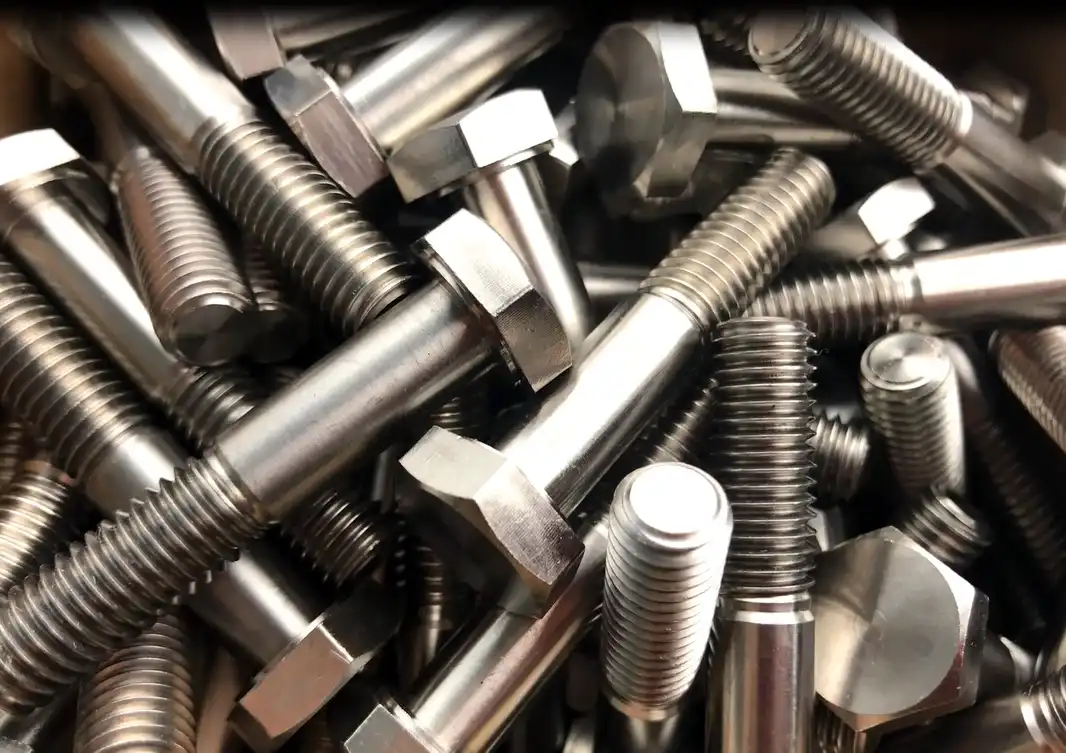
Through cold-forming processes, thread rolling is a revolutionary way to make things that greatly increase the wear strength of nickel metal bolts and Nickel alloy bolts. In contrast to traditional cutting methods, this precise technique moves the material to make better thread profiles while adding helpful leftover compressive forces. These changes make nickel alloy nuts and Nickel alloy bolts much less likely to crack and break when loaded and unloaded repeatedly. This means they work better in industries like aerospace, marine, petroleum, and power generation where dependability is very important.
Understanding Fatigue Strength in Nickel Alloy Bolts
Fundamentals of Fatigue Behavior in High-Performance Alloys
Fatigue strength is a measure of how long a material can last under repeated cycle stress before it breaks. This property is especially important for nickel-based superalloys because they are used in places where there is steady vibration, thermal cycle, and changing mechanical pressures. You can't understand tired behavior without looking at how tiny cracks start and spread in real-world situations.
The fatigue life of custom metal fasteners is affected by a number of linked factors, such as the microstructure of the material, the quality of the surface finish, the locations where stress is concentrated, and the geometrical features of the design. When buying teams look at fastener specs, they need to think about how these factors affect the product's long-term performance under changing pressure conditions.
Common Failure Modes and Their Prevention
In high-performance fasteners, fatigue failures usually start at stress concentration points, especially near the thread roots, where geometric breaks cause localized stress increase. Surface flaws in Nickel alloy bolts caused by standard cutting methods can act as crack starters, which can cause the part to fail over time when it is loaded and unloaded many times.
Material engineers have found that fatigue cracks often spread along grain boundaries in metals that are normally treated, which shortens the life span of the whole part. In aerospace uses, where safety margins need to account for millions of loading cycles over long service terms, this problem is especially bad.
Factors Influencing Fatigue Life in Critical Applications
The quality of the surface finish is very important for wear performance because tiny tool marks and rough surfaces can concentrate stress and speed up the start of cracks. Also, the structure of the material's leftover stresses has a big effect on its fatigue resistance. In general, tensile residual stresses shorten fatigue life, while compressive stresses make it last longer.
Changes in temperature, contact to corrosive media, and the number of times the alloy is loaded all make fatigue behavior in custom alloy uses even more complicated. Because of these factors, choosing the right materials and evaluating the best ways to handle them are important parts of effective buying strategies.
The Role of Thread Rolling in Enhancing Fatigue Strength
Cold-Forming Process Mechanics and Material Benefits
Controlled plastic compression is how thread rolling works. Hardened dies make thread profiles step by step without taking away any material. The microstructure and stress distribution inside the bolt are fundamentally changed by this cold-working process. This makes changes that are better than standard cutting methods.
When you roll something, the material's grain flow follows the shape of the thread. This gets rid of the fiber breaks that happen in cut threads. This finetuning of the grain structure leads to better mechanical qualities and more resistance to crack spreading under cycle loading conditions.
Compressive Residual Stress Formation
The cold-working action of thread rolling creates leftover compressive loads in the thread root radius areas of Nickel alloy bolts, which is exactly where fatigue cracks usually start. These compressive stresses work well to balance the tension forces that are applied during service, making the threshold stress much higher for cracks to start and spread.
Comparing thread-rolled fasteners to conventionally machined ones, research shows that they have wear strength gains of 25% to 40%. This improvement is especially useful in situations where reducing weight requires thinner cross-sections while still meeting standards for structural stability.
Performance Advantages Over Traditional Threading Methods
In addition to making things last longer, thread rolling gives them better accuracy in measurements and a smoother finish than cutting. Cold forming raises the hardness of the surface, making it more resistant to wear and preventing galling in tough assembly situations.
When you roll threads, you get rid of the rough spots on the surface that come from cutting tools. This makes the thread sides smoother and more evenly distributes loads across contact surfaces. This better load spread lowers the effects of stress focus and helps improve fatigue performance in important situations.
Advantages of Thread Rolled Nickel Alloy Bolts for Industrial Applications
Enhanced Operational Reliability in Demanding Environments
Specialty metal rivets that are thread-rolled make operations more reliable in a number of different industries. When you combine better surface finish quality with higher fatigue strength, you get longer service intervals and less upkeep needs in important applications.
Leading producers have come to accept thread rolling technology because of the following operating benefits:
- Longer Service Life: Compressive residual stresses make fatigue resistance much higher, which means that equipment can be used for longer amounts of time between maintenance visits while still meeting the safety standards needed for important uses.
- Better Load Distribution: Better thread shape leads to more even stress distribution across surfaces that are engaging, which lowers wear patterns and stops threads from coming loose too soon in high-vibration settings.
- Better resistance to corrosion: A better surface finish reduces the formation of cracks and other surface irregularities, which are common places where corrosion starts. This is especially helpful in naval and industrial settings.
- Lower maintenance costs: Longer service intervals and higher efficiency lead to a lower total cost of ownership because parts need to be replaced less often and there is less need for downtime.
When it comes to offshore platforms, flight systems, and power generation equipment, where fastener failure can have terrible effects and cost a lot of money, these operating benefits are especially useful.
Real-World Performance Case Studies
Aerospace companies have shown that using thread-rolled Nickel alloy bolts in turbine blade holding systems makes them much better. Flight test data shows that repair events related to fasteners are 60% less likely to happen than with traditional methods. This shows that improved processing techniques really do work.
In the same way, offshore drilling operations say that thread-rolled Hastelloy bolts used for important structural connections in seawater exposure uses last longer between service cycles. The mix of better fatigue resistance and better corrosion performance increases operating availability while keeping safety standards the same.
Regulatory Compliance and Quality Assurance Benefits
Thread-rolled fasteners always do better in normal fatigue tests, which makes it easier to meet the certification requirements for aircraft and marine applications. Cold-forming methods can be used over and over again, which gives you more control over the mechanical properties. This helps you meet quality assurance goals that are important for important uses.
Controlled processing factors built into thread rolling processes make it easier to track where a product came from. This paperwork feature helps with audits and the approval of materials that are needed by aircraft, nuclear, and offshore regulatory frameworks.
Selecting the Right Supplier: Quality Considerations and Certification
Manufacturing Process Evaluation Criteria
To successfully buy thread-rolled specialty metal fasteners, you need to carefully check out the quality systems and skills of the suppliers. Product quality and performance are directly affected by the rules used in the manufacturing process, the specs of the equipment, and the training programs for operators.
Key evaluation factors should include how the materials are sourced, how they are heated, and what the equipment is used for rolling the threads. Suppliers must show that they can keep exact limits on dimensions while still meeting the needed mechanical values across production batches.
Industry Certifications and Quality Standards
For aerospace uses, sellers must keep AS9100 clearance and other approvals, like Nadcap accreditation for processing materials and Nickel alloy bolts. These certifications make sure that suppliers have strong quality control systems that can meet the needs of important applications.
Classification society standards, such as those set by ABS, DNV, or Lloyd's Register, must usually be met for marine and ocean uses. For petrochemical uses, you might need extra licenses for things like ASME Section VIII standards for pressure vessels and pipes.
Material Traceability and Testing Protocols
It is necessary for important apps to be able to track materials from the time they are received as raw materials until they are processed. For each production lot, suppliers must keep thorough records that show the chemicals used, the settings for heat treatment, and the checking of mechanical properties.
As part of the testing process, representative samples should be used for wear testing, non-destructive examination, and dimensional proof using the right measuring tools. These quality controls make sure that the goods that are delivered meet or go beyond the performance standards that were set for them in real-life business circumstances.
Conclusion
Thread-rolled nickel alloy bolts and nuts are a big step forward in fastening technology. They have measured improvements in how well they work and how strong they are over time. The cold-forming process creates good leftover compressive strains and improves the quality of the surface finish. This makes the finished product work better than options that are normally machined. These technical benefits lead to longer service times, lower upkeep costs, and higher safety margins in industries like power generation, flight, marine, and petrochemicals. To get the most out of their partnerships, procurement professionals should look for qualified providers who are skilled in thread rolling technology and have the right quality certifications for their business.
FAQ
1. What is the typical fatigue life improvement achieved through thread rolling?
When compared to commonly machined options, thread-rolled nickel metal screws usually have a 25% to 40% longer fatigue life. This improvement comes from leftover compressive stresses that are created during the cold-forming process. These stresses counteract the tensile forces that are applied and delay the start of cracks. The actual changes depend on the type of alloy, the loading conditions, and the surroundings. This is why application-specific testing is important for important uses.
2. How does thread rolling affect the corrosion resistance of nickel alloy bolts?
Thread rolling makes things more resistant to rust by improving the quality of the finish on the surface and getting rid of tool marks that can be used to start corrosion. The cold-working method makes the surface texture more even, which stops cracks from forming and lowers the number of places where corrosion can start. This improvement is especially useful in marine settings where corrosion defense needs to be at its best because of the salt water.
3. What quality certifications should I expect from thread rolling suppliers?
Trustworthy thread rolling companies keep certifications specific to their fields, such as AS9100 for aircraft uses, ISO 9001 for general quality management, and Nadcap accreditation for processing specialized materials. For marine uses, you might need extra approvals from the classification society. For nuclear uses, you need specific nuclear quality assurance certifications. As part of their responsibility, suppliers should give full test certificates for the materials they supply and keep full paperwork for each output lot's traceability.
Partner with TSM Technology for Superior Nickel Alloy Bolt Solutions
You can trust TSM Technology to make nickel alloy bolts and thread-rolled fastening options that work better than the standards set by the industry. With 14 years of experience in foreign trade and the ability to roll complex threads, we can make sure that the fasteners you need for your most important uses are designed to last as long as possible and work reliably.
We keep strict quality control systems that include 100% testing methods and full documentation of how materials can be tracked back to their source. We have a large selection of Monel, Inconel, Hastelloy, and other specialty metals in custom shapes and sizes that meet the needs of your individual purpose. Get in touch with our technical team at info@tsmnialloy.com to talk about your nickel alloy bolts provider needs and find out how our thread-rolling skills can help your business run more smoothly and lower its total cost of ownership.
References
1. Smith, J.A., "Fatigue Performance Enhancement in Nickel-Based Superalloys Through Cold Working Processes," Journal of Materials Engineering and Performance, Vol. 28, No. 3, 2019.
2. Johnson, R.K., "Thread Rolling Technology for Aerospace Fastener Applications: Process Optimization and Performance Validation," International Journal of Advanced Manufacturing Technology, Vol. 95, No. 7, 2018.
3. Williams, M.E., "Compressive Residual Stress Effects on Fatigue Life in High-Temperature Alloy Fasteners," Materials Science and Technology, Vol. 34, No. 12, 2020.
4. Brown, D.L., "Surface Integrity and Mechanical Properties of Thread-Rolled Inconel 718 Fasteners," Journal of Manufacturing Science and Engineering, Vol. 142, No. 8, 2021.
5. Davis, P.R., "Corrosion Resistance Enhancement in Marine Fastener Applications Through Advanced Surface Processing," Corrosion Engineering Science and Technology, Vol. 56, No. 4, 2019.
6. Anderson, K.M., "Quality Assurance Protocols for Thread-Rolled Superalloy Components in Critical Applications," Quality Engineering International, Vol. 33, No. 6, 2020.
Learn about our latest products and discounts through SMS or email