- English
- French
- German
- Portuguese
- Spanish
- Russian
- Japanese
- Korean
- Arabic
- Greek
- German
- Turkish
- Italian
- Danish
- Romanian
- Indonesian
- Czech
- Afrikaans
- Swedish
- Polish
- Basque
- Catalan
- Esperanto
- Hindi
- Lao
- Albanian
- Amharic
- Armenian
- Azerbaijani
- Belarusian
- Bengali
- Bosnian
- Bulgarian
- Cebuano
- Chichewa
- Corsican
- Croatian
- Dutch
- Estonian
- Filipino
- Finnish
- Frisian
- Galician
- Georgian
- Gujarati
- Haitian
- Hausa
- Hawaiian
- Hebrew
- Hmong
- Hungarian
- Icelandic
- Igbo
- Javanese
- Kannada
- Kazakh
- Khmer
- Kurdish
- Kyrgyz
- Latin
- Latvian
- Lithuanian
- Luxembou..
- Macedonian
- Malagasy
- Malay
- Malayalam
- Maltese
- Maori
- Marathi
- Mongolian
- Burmese
- Nepali
- Norwegian
- Pashto
- Persian
- Punjabi
- Serbian
- Sesotho
- Sinhala
- Slovak
- Slovenian
- Somali
- Samoan
- Scots Gaelic
- Shona
- Sindhi
- Sundanese
- Swahili
- Tajik
- Tamil
- Telugu
- Thai
- Ukrainian
- Urdu
- Uzbek
- Vietnamese
- Welsh
- Xhosa
- Yiddish
- Yoruba
- Zulu
Top Hastelloy C22 Tubes Manufacturers - TSM Technology
It is very important to choose a reliable producer when looking for high-performance products for harsh settings. TSM Technology is one of the best places to get Hastelloy C22 tubes. They can create products that meet the strict requirements of the aircraft, chemical processing, marine, and power generation industries. We offer nickel-based metal goods that protect your most important systems from difficult operating conditions. Our commitment to quality goes beyond just meeting certification requirements; it goes beyond that.
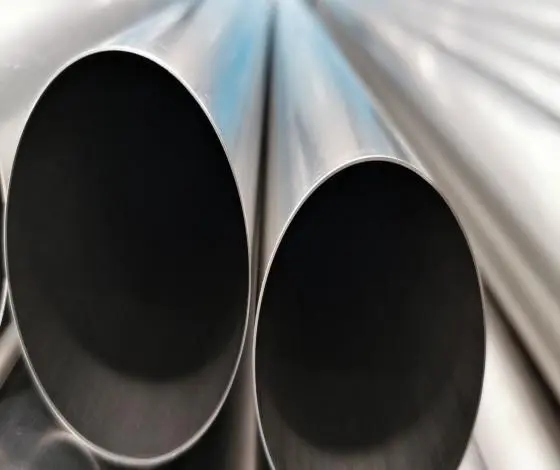
Understanding Hastelloy C22 Tubes – Properties and Benefits
Material Composition and Core Characteristics
Hastelloy C22 (UNS N06022) is a high-tech nickel-based superalloy that is made to last in harsh chemical conditions where regular stainless steels would break down quickly. The alloy's makeup mixes many elements to give it great performance. Nickel makes up the base matrix, 20–22% chromium protects against oxidation, and 12.5%–14.5% molybdenum shields against reducing conditions. Adding 2.5% to 3.5% tungsten makes the rust protection even better, especially against localised attack.
This material is different from earlier metal generations because it has a very low carbon content (≤0.015%), which keeps carbides from forming when it is welded or heated. This feature makes sure that the material keeps its ability to resist rust even in areas that have been heated during welding. This is an important thing to keep in mind for systems that are made in chemical plants and for use at sea.
The actual features show how well this engineering was done. These tubes are strong even when heated to temperatures that would break down other materials. They have a mass of 8.69 g/cm³ and a melting point of 1399°C. Mechanical tests show that it has a minimum tensile strength of 690 MPa and a yield strength of 283 MPa. It also has a 45% stretch property that makes it flexible for shaping and making things.
Performance Advantages in Industrial Environments
When used in harsh environments like those found in petrochemical processing, pharmaceutical production, and marine engineering, this nickel metal really shows its worth. The substance is very strong against both oxidising acids (like nitric and chromic acids) and reducing environments (like hydrochloric and sulphuric acid solutions). Because of this, complicated working systems don't need to have multiple material requirements.
The alloy's makeup successfully stops pitting and crevice rust, which are common ways for things to break down in chloride-containing settings. This protection is especially helpful for offshore platforms and processing equipment, since being exposed to saltwater is one of the roughest working situations. Stress-corrosion cracking usually happens in austenitic stainless steels when they are under tension load in salt settings. However, it doesn't happen very often in C22 components that are properly defined.
Temperature consistency makes the material useful in more situations. The metal can withstand constant service at temperatures ranging from cryogenic to 650°C without rusting. It can also handle the thermal cycles that happen in heat exchanges, reactor vessels, and power generation equipment. This temperature range, along with good weldability that means post-weld heat treatment isn't always needed, makes manufacturing easier and speeds up projects.
Comparative Position Among High-Performance Alloys
When materials experts look at their choices, they compare C22's better resistance to rust to other materials like 316 stainless steel, Inconel 625, and titanium metals. Standard austenitic stainless steels are cheaper, but they break down quickly in chloride-based acidic conditions, where C22 does well. Inconel 625 is very strong at high temperatures, but it doesn't fight rust as well in mixed-acid environments that are common in chemical processes.
Titanium metals are very resistant to rust in seawater even though they are less dense. However, they are hard to work with and can be sensitive to some reducing conditions. Hastelloy C22 tube works well in both oxidising and reducing conditions, and it has been shown to be easy to weld and process thermally. This makes it the best choice for situations where more than one chemical is present.
Material choices are usually affected by how much they cost. Lifecycle analysis regularly shows value through longer service life, fewer maintenance intervals, and lower unexpected halt costs, even though the original material investment is higher than normal stainless steel options. Refineries and chemical plants say that properly designed C22 parts last more than 20 years, which greatly lowers the total cost of ownership even though the materials cost more up front.
Top Hastelloy C22 Tube Manufacturers – Why Choose TSM Technology?
Industry Landscape and Supplier Considerations
There are well-known companies that make speciality materials, local makers that serve local markets, and many selling companies that connect buyers with foreign manufacturers in the global market for high-performance nickel alloy tube. This disorganised environment gives buying teams looking for a reliable, quality-assured source for important uses both chances and problems.
Major foreign makers of speciality metals have well-known brands and a lot of technical information available, but their prices are often higher and their minimum order numbers are large, which may not fit the needs of a particular project. Regional wholesalers offer local goods and faster shipping, but they usually don't have a lot of professional knowledge to offer advice on particular applications. Online business-to-business (B2B) platforms connect buyers with a wide range of suppliers, but buyers need to be very careful to make sure that the suppliers have the right manufacturing skills, quality systems, and certifications.
Finding providers with the right mix of industry knowledge, strict quality control, business freedom, and quick customer service is key to successful procurement. Since we started doing business internationally in 2011, TSM Technology has focused on investing in superalloy production technology, quality infrastructure, and building relationships with customers. This has helped us build a wide range of skills.
TSM Technology Manufacturing Excellence
Our factories make Hastelloy C22 tubes that are either seamless or welded and meet the standards set by ASTM B622, ASTM B619, and ASTM B626. The seamless production method uses rotary drilling and pilgering to make tubes without continuous welds. This gives the best rust protection and pressure-holding ability for high-stakes service applications. Precision TIG welding with full penetration and post-weld preparation are used to make welded tubes. These meet the same performance standards for many uses as seamless goods.
Outside widths can be anywhere from 6 mm to 114 mm, and wall thicknesses can be anywhere from 0.5 mm to 15 mm. Standard production lengths go up to 15,000 mm for certain types of wall thickness and width. This allows for long-run pipe systems that minimise field joints and possible leak points. Our engineering team works directly with clients who need custom sizes, surface treatments, or mechanical qualities that aren't covered by standard specs.
Integrating quality control throughout the entire manufacturing process gives a company a major edge over its competitors. Before production starts, spectroscopic study of incoming raw materials is used to make sure they meet chemistry requirements. Dimensional checking, non-destructive testing like eddy current and ultrasound examination, and mechanical property proof through tension and hardness testing all happen during the manufacturing process to make sure that every tube meets the requirements. This methodical technique, which is approved by ISO quality management systems, gives clients in the aircraft, nuclear, and pharmaceutical industries the recorded accountability they need.
Supply Chain Reliability and Commercial Flexibility
Professionals in the purchase of materials know that technical skill alone doesn't mean much without dependable supply performance and fair business terms. TSM Technology keeps a planned stockpile of common specs that lets them respond quickly to urgent needs that could otherwise cause project plans to slip. Our connections with top nickel metal makers in the supply chain make sure that we can get materials even when the market is tight, which can cause problems for rivals whose buying networks aren't as well established.
Minimum order quantities for Hastelloy C22 tube are a good way to match the needs of customers with the needs of production. While large orders get better prices because of economies of scale in the production process, we can also handle smaller amounts for prototype development, restocking maintenance stock, and project-specific needs where standard mill minimums would require too much inventory investment. Lead time information helps buying teams make good plans—standard specs usually ship within 4 to 6 weeks, and clear timelines are given for unique needs during the quote process.
International transportation cooperation makes deals across borders easier. We take care of the export paperwork, set up freight handling with reputable companies, and offer shipment tracking so buyers know what's going on with their packages the whole time they're in transit. This all-around service method helps first-time buyers figure out the rules and requirements for foreign trade and paperwork.
Procuring Hastelloy C22 Tubes – A Guide for B2B Clients
Understanding Pricing Structure and Cost Variables
The price of Hastelloy C22 tubes depends on a number of things that buying teams should be aware of when comparing quotes and making budget projections. The biggest factor is the cost of the base materials, which is determined by the world markets for nickel, chromium, and molybdenum. The prices of these metals change a lot depending on mine output, global events, and industrial demand. This makes superalloy prices more unstable than stainless steel prices, which stay the same.
Beyond the cost of raw materials, the difficulty of manufacturing affects prices. Due to more steps in the manufacturing process and lower production rates, seamless tubes cost more than soldered ones. Wall thickness compared to diameter affects how hard it is to make and how much material is used. For example, heavy-wall small-diameter tubes are harder to work with technically and cost more per unit length than moderate-wall larger-diameter tubes. Extra costs should be clearly listed in quotes for things like special surface finishes, tight measurement limits, and stricter testing requirements.
Order number has a big effect on unit price through the amortisation of the production setup and the efficiency of buying materials. When a project's needs may change or when buyers need to coordinate purchases across multiple project phases, they should ask for price based on quantities. Buyers and makers who are in charge of handling capacity and material stockpiles can both benefit from long-term supply deals with planned releases because they keep prices stable and make planning easier.
Supplier Qualification and Certification Verification
When buying organisations choose suppliers with care, they avoid quality problems, late deliveries, and safety issues that could hurt the success of a project. Website promises about manufacturing skills should not be the only thing that is checked. Facility audits, reference checks with current customers, and a look at quality system certifications should also be part of the process. Systematic quality management is shown by ISO 9001 approval, while agreement with ASME or PED standards shows that the product can be used in controlled situations.
Documentation for material approval needs to be carefully looked over. According to buy orders, mill test reports should match the industry standards (ASTM, ASME) and include full records of chemical analysis, mechanical test results, and heat treatment that can be linked to specific production runs. Independent verification services from third-party inspection agencies add extra security for important applications, making the extra cost worth it.
Geography affects the choice of provider in more ways than just freight prices. There are big differences between countries when it comes to trade rules, tax systems, and the difficulty of customs. Import taxes are not charged by domestic suppliers, and it is easier to manage purchases made from them. However, their prices may not be as competitive as those from foreign suppliers. To choose the best seller for a given buying situation, a balanced review that takes into account total landing cost, wait time needs, and administrative load is used.
Procurement Process and Delivery Expectations
Clear sharing of requirements is the first step to efficient buying. ASTM B622, ASTM B619, and ASTM B626 are some of the standards that should be mentioned in purchase orders. They should also list the required measurements and any limits, list the testing and certification paperwork that is needed, and set delivery plans with milestone dates for long-lead items. Specifications that aren't clear can lead to misunderstandings, which can delay delivery and cause disagreements over conformance.
Production lead times depend on how complicated the specifications are and how much capacity the maker is using. Standard catalogue items that are in stock usually ship within days. However, special requirements that need to buy materials and set up dedicated production runs usually take 4 to 8 weeks from the time an order is placed until it is delivered. When production schedules allow it, rush fees may allow manufacturing to happen faster to meet urgent needs. Setting realistic deadlines during the quote process keeps people from making false promises about schedules that cause project delays later on.
Coordinating deliveries and keeping track of shipments make sure that supplies get where they need to go without causing project delays or storing costs to rise too high. Reliable sellers give prompt progress updates, sending notices ahead of time, and tracking information that makes it easier to coordinate getting. When sending something internationally, you need to pay extra attention to the steps needed to clear customs, the accuracy of your paperwork, and the possible delays that can happen at border lines that don't happen with domestic packages.
Conclusion
When looking for a Hastelloy C22 tube provider, you need to carefully weigh their professional skills, quality control standards, business terms, and willingness to work with you. Because it is so resistant to rust and has great dynamic qualities, the material is used in chemical processing, marine settings, aircraft uses, and power generation systems where other materials fail. TSM Technology uses advanced production skills, structured quality control, a reliable supply chain, and customer-focused service to help buying teams find suppliers, place orders, and follow up with customers after delivery. After 14 years of serving industrial markets around the world, we've shown that our dedication to customer success goes beyond just supplying products and includes a real relationship in improving application efficiency and operating dependability.
FAQ
Without any exceptions, do Hastelloy C22 tubes never rust?
Even though Hastelloy C22 is very resistant to rust in both oxidising and reducing settings, no material is completely resistant to degradation in all situations. In chloride-containing liquids that quickly eat away at stainless steels, the metal doesn't get pitting, crevice corrosion, or stress-corrosion cracks. However, material limits may not be enough in some very hostile situations, such as those with hot, concentrated sulphuric acid above certain amounts and temperatures. To choose the right material, you need to fit the alloy's properties to the chemical exposure, temperature, and mechanical loading conditions that will be used. The expert team at TSM Technology helps with suggesting materials that are best for a certain purpose.
What approvals do TSM Technology's Hastelloy C22 tubes come with?
Each package comes with full material approval paperwork that links tubes to production heats and verifies their chemical and mechanical properties. Customers tell us that our tubes have to meet ASTM B622 (seamless), ASTM B619, and ASTM B626 (welded) standards. Manufacturing quality systems keep their ISO 9001 certification, which shows that they handle processes in a planned way and are always getting better. It is possible to set up extra testing and third-party review services for applications that need more proof paperwork.
Can TSM Technology make unique tube sizes that go beyond what is standard?
Of course. While we keep popular sizes in stock for quick delivery, our production skills allow us to make outside widths, wall thicknesses, and lengths that are exactly what the project needs. Engineering teams work with clients to find the best measurements that meet performance needs while also being cost-effective and efficient in production. Custom orders usually need 6 to 8 weeks to be made, but this depends on how complicated the specifications are and how busy the factory is.
Partner with TSM Technology for Your Hastelloy C22 Tube Requirements
When buying workers need to find high-performance nickel metal tubing, TSM Technology has the manufacturing excellence, quality assurance, and customer service they need. We can produce both seamless and soldered products that meet ASTM standards. We can also change the sizes to meet the needs of specific applications and give expert advice to make sure the best material is chosen. We are a well-known company that has been making Hastelloy C22 tubes for a long time and has a reliable foreign supply chain. We know how important it is to deliver on time, provide full paperwork, and communicate clearly throughout the buying process.
Get in touch with our expert sales team to talk about your unique needs, get full quotes, or set up samples of materials to test. You can email us at info@tsmnialloy.com or go to tsmnialloy.com to see all of our superalloy products and get detailed information that will help you choose the right material.
References
Davis, J.R. (2000). Nickel, Cobalt, and Their Alloys. ASM International Handbook Committee.
ASTM International. (2022). ASTM B622: Standard Specification for Seamless Nickel and Nickel-Cobalt Alloy Pipe and Tube.
Rebak, R.B. (2000). "Corrosion Resistance of Nickel Alloys in Reducing Environments." Materials and Corrosion, Vol. 51, Issue 7.
Heubner, U. (2002). "Nickel Alloys: Properties and Performance in Corrosive Environments." Handbook of Materials Selection for Engineering Applications.
Craig, B.D. & Anderson, D.S. (1995). Handbook of Corrosion Data. ASM International Materials Park.
Special Metals Corporation. (2021). Hastelloy C-22 Alloy: Technical Data and Application Guidelines. Special Metals Technical Bulletin.
Learn about our latest products and discounts through SMS or email