- English
- French
- German
- Portuguese
- Spanish
- Russian
- Japanese
- Korean
- Arabic
- Greek
- German
- Turkish
- Italian
- Danish
- Romanian
- Indonesian
- Czech
- Afrikaans
- Swedish
- Polish
- Basque
- Catalan
- Esperanto
- Hindi
- Lao
- Albanian
- Amharic
- Armenian
- Azerbaijani
- Belarusian
- Bengali
- Bosnian
- Bulgarian
- Cebuano
- Chichewa
- Corsican
- Croatian
- Dutch
- Estonian
- Filipino
- Finnish
- Frisian
- Galician
- Georgian
- Gujarati
- Haitian
- Hausa
- Hawaiian
- Hebrew
- Hmong
- Hungarian
- Icelandic
- Igbo
- Javanese
- Kannada
- Kazakh
- Khmer
- Kurdish
- Kyrgyz
- Latin
- Latvian
- Lithuanian
- Luxembou..
- Macedonian
- Malagasy
- Malay
- Malayalam
- Maltese
- Maori
- Marathi
- Mongolian
- Burmese
- Nepali
- Norwegian
- Pashto
- Persian
- Punjabi
- Serbian
- Sesotho
- Sinhala
- Slovak
- Slovenian
- Somali
- Samoan
- Scots Gaelic
- Shona
- Sindhi
- Sundanese
- Swahili
- Tajik
- Tamil
- Telugu
- Thai
- Ukrainian
- Urdu
- Uzbek
- Vietnamese
- Welsh
- Xhosa
- Yiddish
- Yoruba
- Zulu
Application and Characteristics of Hastelloy C22 Tubes
When looking for materials for important industry processes, picking the right metal can mean the difference between equipment that works reliably for decades and equipment that breaks down early. When it comes to nickel-based metals, Hastelloy C22 tube is one of the most useful ones. It has great rust protection in both oxidising and reducing conditions. This UNS N06022 metal is very strong mechanically and very stable chemically. Because of this, it is essential for power generation equipment, naval installations, petroleum processing systems, and engine parts for aeroplanes. Knowing what it is made of, how it works, and what kinds of uses it can handle helps procurement pros make choices that lower the total cost of ownership while still making sure operations run smoothly.
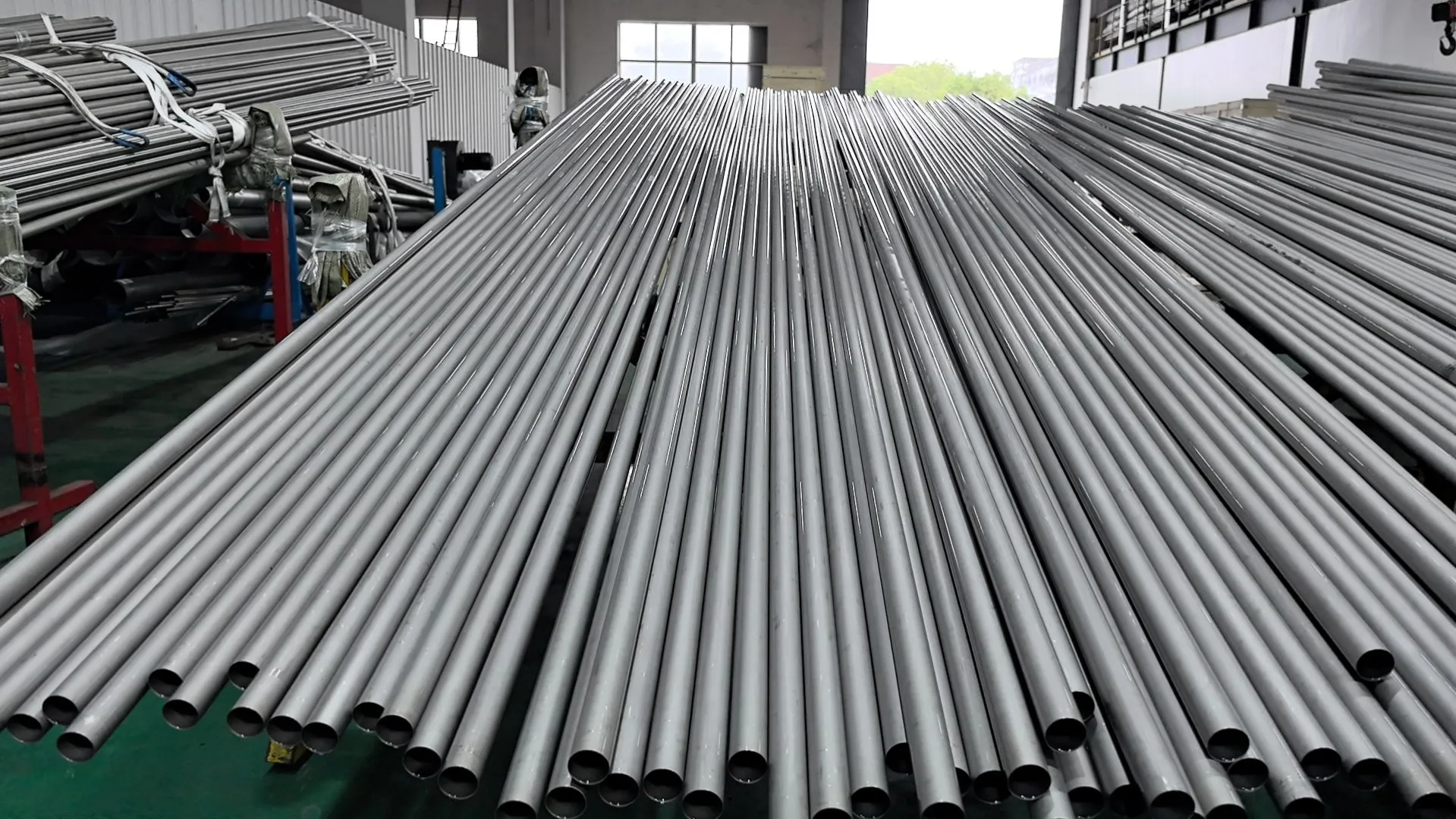
Understanding Hastelloy C22 Tubes: Composition, Properties, and Manufacturing Standards
Hastelloy C22 is different from other nickel alloys in what ways?
The success of Hastelloy C22 is based on its carefully balanced chemical make-up. This nickel-chromium-molybdenum-tungsten alloy has a nickel base that is matched with 20–22% chromium, 12.5–14.5% molybdenum, 2.5–3.5% tungsten, and iron amounts that are kept in check (2–6%). Chromium protects against oxidation, and molybdenum and tungsten give it great protection against reducing conditions and localised rust attack. Keeping the carbon content below 0.015 percent prevents carbide formation during welding. This keeps the alloy's rust protection even in areas where heat has been applied.
Physical and Mechanical Properties That Matter
The performance specs show why materials experts choose this metal for tough jobs. With a mass of 8.69 g/cm³ and a freezing point of 1399°C, these tubes stay strong even when they are heated up. The yield strength is 283 MPa and the tensile strength is 690 MPa. This is enough mechanical strength for pressure-bearing uses. A stretch value of 45% means the material is very flexible and can be shaped into complicated shapes without cracking. Chemical boilers, heat exchanges, and other thermal handling tools use a wide range of temperatures, but these qualities stay the same.
Manufacturing Standards and Quality Assurance
TSM Technology makes tubes that meet ASTM B622 standards for seamless tubes and ASTM B619/B626 standards for welded tubes. These rules say what the chemical makeup should be, what the mechanical properties should be, and how to test it. Our tubes come in a range of outside sizes and wall thicknesses, from 6 mm to 114 mm. This means they can be used for a wide range of design needs. For certain thicknesses and wall types, lengths can go up to 15,000 mm. This means that long pipe runs don't need to be welded in the field as often. Each production batch goes through strict tests, such as hydraulic pressure tests, non-destructive examinations, and material tracking paperwork that meets the needs of aircraft, nuclear, and industrial uses for approval.
Once buying teams know these basic features, they can decide if this metal meets their unique business needs. Controlling the makeup, the mechanical qualities, and the manufacturing standards all work together to make a material that is reliable in harsh working circumstances.
Industrial Applications of Hastelloy C22 Tubes Across Critical Sectors
Chemical and Petrochemical Processing Systems
Corrosive process streams with sulphuric acid, hydrochloric acid, chlorine, and organic acids are always a problem for chemical plants and refineries. Localised rust in traditional materials often causes them to fail without warning and cause expensive downtime. Hastelloy C22 tube work well in reactors, distillation columns, heat exchanges, and transfer pipes where oxidising and reducing conditions happen at the same time. When compared to regular stainless steels, this metal has a much longer service life because it doesn't rust or crack from stress corrosion.
Managers in charge of engineering like how these tubes stay strong even when they are exposed to wet chlorine gas, chlorine dioxide, and hypochlorite solutions, which are all conditions that quickly damage many other alloys. Making valves, pumps, and monitoring tubes out of this material cuts down on the number of times they need to be serviced and makes the process safer. Our clients who work on remote petroleum sites say that there are longer breaks between inspections, which saves them a lot of money over the life of their assets.
Aerospace and Power Generation Equipment
Manufacturers of turbines need materials that can stand up to oxidation at high temperatures and hot rust from burning fumes. This alloy is thermally stable, which makes it useful for heat exchanger tubes in gas engines, condensers in steam cycles and parts of the exhaust system. The material keeps its mechanical strength at high temperatures, where other materials would start to creep shrink or break before they should.
Power plants that use nuclear, coal, or combined-cycle technology ask for these tubes to be used for important heat transfer tasks. Because the metal doesn't rust or pit in treated cooling water systems, there is less chance that tubes will break, which could cause unplanned power blackouts. Materials experts like the metal because it meets the standards of the ASME Boiler and Pressure Vessel Code. This makes the approval process easier for parts that hold pressure.
Marine and Offshore Engineering Solutions
Because it has chlorides, liquid oxygen, living things, and changing temperatures, seawater is one of the most difficult places for rusting to happen. Nickel metals that don't rust are used in saltwater cooling systems, filtration plants, and equipment that is underwater by shipbuilders and offshore platform designers. Copper-nickel and stainless steel tubes that are used in naval applications are prone to both uniform rust and localised attack processes that these tubes don't have.
Marine engineers know that even though the original cost of the materials is higher than other choices, the overall cost of better metals over their entire lifetime is lower when substitute labour, downtime, and system stability are taken into account. Longer service times are especially helpful for sites that are located offshore, where safety and logistics can be tricky during repairs. More and more, project buyers are asking for these materials to be used in serious situations where failure would have worse effects than differences in cost.
Pharmaceutical and Environmental Systems
Pharmaceutical companies need materials that don't rust and don't get into the goods they're making. The clean rust behaviour of this metal makes it useful for reactor tanks, distillation equipment, and transfer lines that handle acidic or chlorine chemicals. The material is very pure and easy to clean, which supports good production practices in businesses that are controlled.
Chemical mixes that are strong are often found in environmental systems that handle industrial wastewater, flue gas desulfurization streams, and toxic garbage. The waste treatment devices made from these tubes can handle changing pH levels, high salt levels, and oxidising agents that would break down other materials. Because the material can be used in both oxidising and reducing conditions, it is very useful in cleaning processes where the chemistry changes a lot.
This wide range of uses for Hastelloy C22 tube shows why procurement workers around the world think about this material when they need solid rust protection for a variety of industrial problems.
Comparing Hastelloy C22 Tubes with Alternative Alloy Solutions
Hastelloy C22 Versus Hastelloy C276
Both metals are made up of nickel, chromium, and molybdenum, but their performance is different because of their different compositions. C276 has a little more molybdenum (15–17%) than chromium (12.5–14.5%), which makes it better for settings with a lot of chromium. The equal amount of chromium and molybdenum in C22 makes it more useful in a wide range of oxidising and reducing situations. The lower carbon content in C22 (0.015 percent maximum vs. 0.02% maximum) makes the weld zone more resistant to rust without the need for a heat treatment after the welding process.
When deciding which of these metals to buy, procurement teams should look at the specific process chemicals that are used. C22 usually works better than C276 when working with strong oxidising acids like nitric acid or ferric chloride solutions. Because it is more resistant to oxidising media, it can be used in more situations without losing its ability in reducing settings, where both metals do well.
Comparison with Stainless Steel and Titanium
Austenitic stainless steels, such as 316L, don't rust too badly in mild settings, but they break down quickly when they come into contact with chlorides that are hot or acidic. Even though stainless steel tubes cost a lot less at first, the costs of repair and downtime often make them more expensive than better metals. Titanium is very good at resisting oxidising acids and chloride solutions, but not so good at resisting hot bromide salts and reducing acids.
Nickel-chromium-molybdenum metals fill the gap and work reliably in more chemical environments than either titanium or stainless steel. When engineering managers look at the total cost of ownership, they know that the choice of material affects repair plans, the number of extra parts they keep on hand, and the stability of the system. This metal is very flexible, which makes it useful for uses with mixed or changeable chemicals.
Positioning Against Inconel and Monel Alloys
Inconel metals are great for furnace parts and gas engine hot sections because they are strong at high temperatures and don't rust. But compared to Hastelloy metals, they are less resistant to rusting in wet, acidic conditions. Hastelloy C22 is better at withstanding oxidising acids than monel metals are in reducing conditions and seawater.
The choice of material should be in line with the most common working conditions. If a heat exchanger is going to be used in both ocean and process chemicals, it might need a different material for each climate. Knowing these differences in performance helps people who buy things make the best choices about materials, combining the need for performance with the need to stay within budget. The main goal is to choose materials that will typically last as long as they're supposed to without making too many requirements for situations that won't happen.
Procurement Considerations for Hastelloy C22 Tubes: Navigating Global Supply Chains
Evaluating Supplier Credentials and Manufacturing Capability
When looking for a trusted Hastelloy C22 tube provider, you need to look at more than just price. Getting certified to international quality management standards shows that you are dedicated to using consistent production methods. Materials engineers should make sure that providers keep their heat treatment facilities, testing tools, and quality recording methods in good shape. In businesses with strict rules about materials, being able to give test results that include full chemical analyses, mechanical qualities, and the ability to trace back to the original melt lowers risk.
TSM Technology has been making superalloys for 14 years, which shows that they are very good at controlling the process and making sure the quality is good. Professional testers look over every production lot before it is shipped, which goes above and beyond what is required by law. This very careful process makes sure that tubes meet the requirements for tough uses where flaws in the material could hurt safety or performance.
Understanding Lead Times and Custom Capabilities
Custom-sized tubes need to be made, which takes time, so standard-sized tubes in stock usually ship within days. Early communication of project plans by procurement managers helps suppliers match production capacity with delivery needs. Custom sizes, length needs, or testing methods make the process take longer, but they make sure that the materials exactly match the design specs.
Custom sizes ranging from 6.0 mm to 114 mm in outside diameter and wall thicknesses ranging from 0.5 mm to 15 mm can meet a wide range of design needs without pushing engineers to make compromises. For some standards, lengths that go up to 15,000 mm cut down on the need for field welding, which improves the quality of installation and lowers the cost of labour. Early on in the buying process, talking about unique needs helps set standards and keeps schedules from getting thrown off.
Logistics, Documentation, and Technical Support
When you buy something from another country, you have to deal with export regulations, shipping processes, and customs paperwork. Experienced sellers make these steps easier by getting the right certifications and working with goods forwarders to make sure deliveries happen on time. Full material paperwork, like mill test certificates, compliance statements, and tracking records, helps with the quality standards for the receiving review and the project.
Technical support goes beyond the sale and helps engineering teams with questions about manufacturing, developing welding procedures, and choosing the best materials. Having access to metals experts speeds up problem-solving in the field and keeps project delays to a minimum. Global customers like it when providers know about international standards, how to work with different time zones, and how to communicate in a way that makes cross-border operations go smoothly.
Finding the right balance between quality, on-time delivery, and quick customer service builds relationships with suppliers that go beyond single transactions and turn into partnerships that help businesses succeed in the long run.
Conclusion
Choosing the right material has a big effect on how reliable the equipment is, how much it costs to maintain, and how safe it is to use in many important industry settings. When other materials don't work well in harsh chemical settings, high-temperature systems, or salty sea conditions, Hastelloy C22 tubes have been shown to work well. This material is very versatile because it has a balanced makeup that makes it resistant to both oxidising and reducing media. It also meets international manufacturing standards, which make sure that the quality is always the same for controlled uses. When procurement workers look at the total cost of ownership, they know that better materials lower lifetime costs by increasing working dependability, extending service life, and requiring less upkeep. Whether you're using this metal for chemical processing, aeroplane parts, naval systems, or power generation equipment, knowing its properties and what it can do will help you make smart material choices that will help your project succeed.
FAQ
What makes Hastelloy C22 different from other metals that don't rust?
The material is very useful in both oxidising and reducing conditions because it has the right amount of chromium and molybdenum. Unlike alloys that are designed to work best with certain chemicals, C22 doesn't rust when it comes into contact with either oxidising acids (like nitric acid) or reducing acids (like hydrochloric acid). The low carbon content keeps the rust protection in the weld zones without needing to be heated after the welding process. This makes manufacturing easier than with other options.
Can these tubes be joined together without making them less resistant to corrosion?
Gas tungsten arc welding, gas metal arc welding, and other popular methods can easily join the material together. When you use matching replacement metals, the rust resistance in the bond zones stays the same as the performance of the base metal. The managed carbon content keeps carbide precipitation to a minimum during heat cycles, which keeps the resistance to erosion between the grains. The choice of shielding gas and control of heat input are important for making sure that sound welds meet structural and corrosion requirements.
How can I tell if this stuff is right for my use?
Check the chemicals of the process, the temperature ranges, and the levels of mechanical stress. The flexibility of this alloy makes it useful in situations with mixed oxidising and reducing conditions, chloride-containing solutions, or changing process chemicals. It's easier to explain specification when you look at the expected service life, upkeep costs, and dependability needs next to the cost of the materials. Our expert team can look at specific working situations and suggest the right materials to use.
Partner with TSM Technology for Your Hastelloy C22 Tube Requirements
TSM Technology is ready to help you buy nickel alloys. They have been making high-quality products for 14 years and have helped businesses around the world. As a top producer of Hastelloy C22 tubes, we offer technical know-how, quality assurance, and quick customer service that makes buying from other countries easier. We know how important materials are in industries like aerospace, petrochemicals, marine, and power generation, so we offer tubes that meet strict requirements and keep your project on schedule. Our professional checking systems make sure that every package of tubes meets the written specs and comes with full material tracking and certification paperwork. Our manufacturing freedom lets us meet your needs from small test quantities to full production numbers, no matter if your project needs standard sizes or unique specs. Please email our scientific team at info@tsmnialloy.com to talk about your unique application needs and find out how our superalloy knowledge can help you get materials you can trust.
References
Davis, J.R. (2000). Nickel, Cobalt, and Their Alloys. ASM International Handbook Committee, Materials Park, Ohio.
Rebak, R.B. (2005). "Corrosion Resistance of Nickel Alloys in Various Applications." Corrosion Engineering Handbook, Marcel Dekker Publishing.
American Society for Testing and Materials (2022). ASTM B622: Standard Specification for Seamless Nickel and Nickel-Cobalt Alloy Pipe and Tube. ASTM International, West Conshohocken, Pennsylvania.
Haynes International (2019). Hastelloy C22 Alloy: Principal Features and Applications. Technical Literature, Kokomo, Indiana.
Craig, B.D. and Anderson, D.S. (1995). Handbook of Corrosion Data, Second Edition. ASM International, Materials Park, Ohio.
Special Metals Corporation (2021). High-Performance Alloys for Resistance to Aqueous Corrosion. Technical Bulletin, Huntington, West Virginia.
Learn about our latest products and discounts through SMS or email