- English
- French
- German
- Portuguese
- Spanish
- Russian
- Japanese
- Korean
- Arabic
- Greek
- German
- Turkish
- Italian
- Danish
- Romanian
- Indonesian
- Czech
- Afrikaans
- Swedish
- Polish
- Basque
- Catalan
- Esperanto
- Hindi
- Lao
- Albanian
- Amharic
- Armenian
- Azerbaijani
- Belarusian
- Bengali
- Bosnian
- Bulgarian
- Cebuano
- Chichewa
- Corsican
- Croatian
- Dutch
- Estonian
- Filipino
- Finnish
- Frisian
- Galician
- Georgian
- Gujarati
- Haitian
- Hausa
- Hawaiian
- Hebrew
- Hmong
- Hungarian
- Icelandic
- Igbo
- Javanese
- Kannada
- Kazakh
- Khmer
- Kurdish
- Kyrgyz
- Latin
- Latvian
- Lithuanian
- Luxembou..
- Macedonian
- Malagasy
- Malay
- Malayalam
- Maltese
- Maori
- Marathi
- Mongolian
- Burmese
- Nepali
- Norwegian
- Pashto
- Persian
- Punjabi
- Serbian
- Sesotho
- Sinhala
- Slovak
- Slovenian
- Somali
- Samoan
- Scots Gaelic
- Shona
- Sindhi
- Sundanese
- Swahili
- Tajik
- Tamil
- Telugu
- Thai
- Ukrainian
- Urdu
- Uzbek
- Vietnamese
- Welsh
- Xhosa
- Yiddish
- Yoruba
- Zulu
What Makes Inconel 617 Oxidation Resistant in Extreme Heat?
Because of its superior oxidation resistance, mechanical strength, and structural stability, Inconel 617 forgings are often used in high-temperature settings. Nickel, chromium, cobalt, and molybdenum are all combined in this nickel-based alloy to provide dependable performance even under the most intense heat. The development of persistent protective oxide scales on the surface during high-temperature exposure is the primary source of Inconel 617's oxidation resistance. Chromium encourages the production of chromium oxide (Cr₂O₃), which serves as a barrier to prevent more oxidation. Additionally, the aluminum presence may help produce oxides containing alumina, which would increase the protective layer's resilience. Because of these characteristics, Inconel 617 forgings are often used for demanding applications where traditional alloys would degrade quickly, such as gas turbine parts, chemical processing machinery, and high-temperature industrial systems.
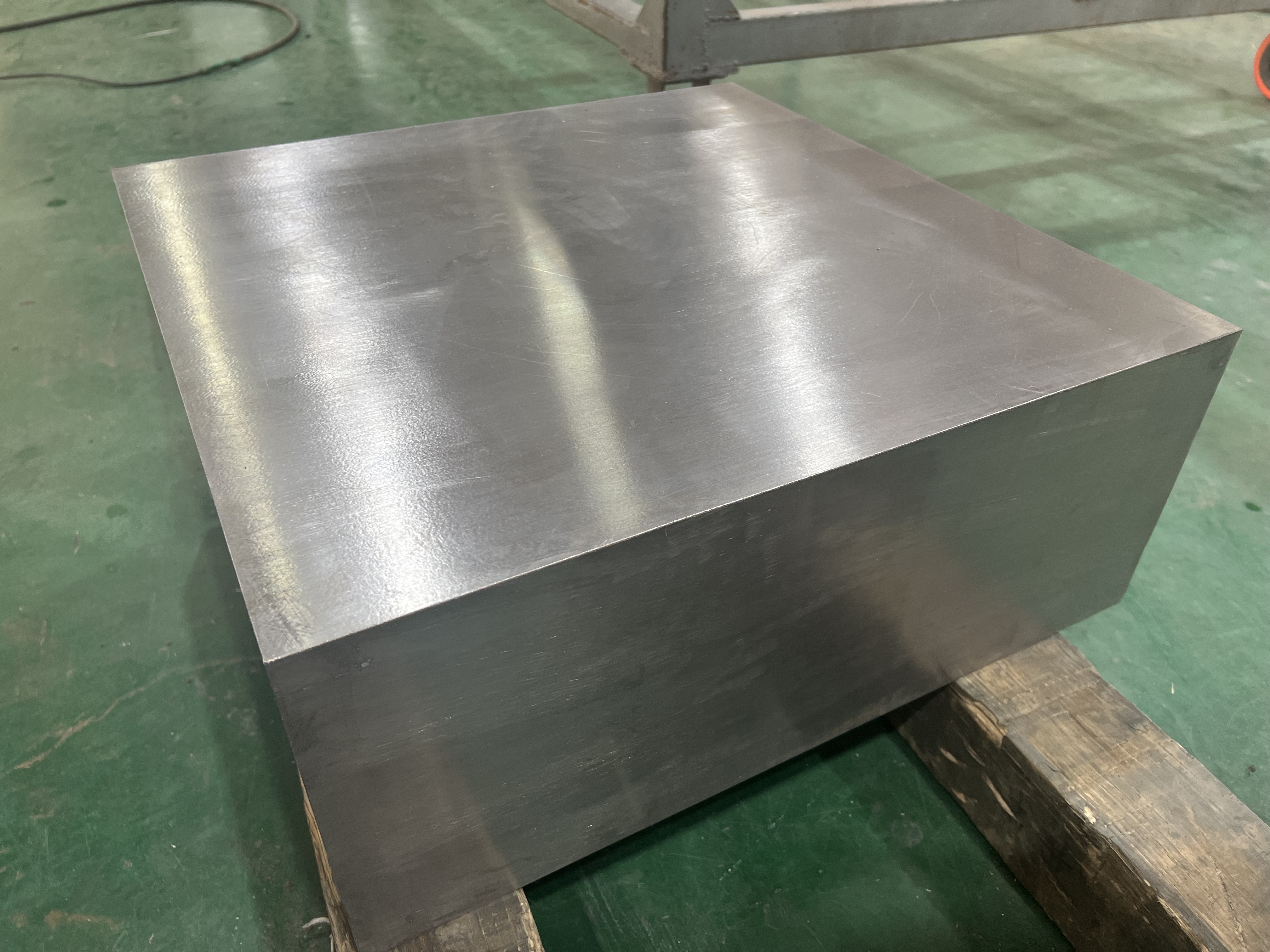
Understanding the Oxidation Resistance of Inconel 617 Forgings
The alloy composition, microstructure, and production method of Inconel 617 forgings all have a significant impact on their oxidation resistance. Inconel 617, a high-temperature alloy based on nickel, is designed to withstand prolonged exposure to high temperatures while retaining its mechanical qualities and resistance to corrosion. Inconel 617 retains a stable gamma (γ) face-centered cubic matrix, in contrast to ordinary metals that rapidly lose strength at severe heat. This structure aids in the material's resistance to oxidation and thermal deterioration when paired with precisely regulated alloying elements. Understanding the connection between composition, forging quality, and oxidation performance is crucial for choosing appropriate materials in sectors that operate at constant high temperatures.
Chemical Composition and Protective Oxide Formation
The well-balanced chemical composition of Inconel 617 forgings is the primary source of their oxidation resistance. Typical Inconel 617 includes:
The principal element is nickel.
About 20–24% chromium
10% to 15% cobalt
About 8–10% molybdenum
Regulated concentrations of carbon, iron, aluminum, and other elements
By creating a stable layer of chromium oxide (Cr₂O₃) on the surface, chromium performs the most significant part in oxidation prevention. This oxide scale slows the flow of oxygen into the underlying metal by acting as a diffusion barrier. Alumina (Al2O3)-containing oxides may be formed as a result of the very small amount of aluminum. These protective oxides enhance the alloy's resistance to thermal cycling and high-temperature oxidation when combined with chromium oxide. In applications where materials undergo many cycles of heating and cooling, such as turbine parts, combustion systems, and chemical processing equipment, this protective action is very beneficial.
Microstructural Engineering for High-Temperature Stability
The high-temperature performance of Inconel 617 forgings is significantly influenced by their microstructure. Controlled deformation aids in improving the uniform distribution of alloying elements and refining the grain structure during the forging process. Weak spots that might hasten oxidation or mechanical breakdown during service are minimized by a uniform microstructure. The stable gamma (γ) matrix of Inconel 617 offers a solid basis for high-temperature strength. When the material functions at high temperatures, carbide particles in the microstructure also provide structural stability and creep resistance. Throughout its service life, a well-managed forging process helps guarantee that the finished product has dependable oxidation resistance and constant mechanical qualities.
Mechanical and Thermal Properties Supporting Oxidation Resistance
The oxidation resistance of Inconel 617 forgings is influenced not only by their chemical composition but also by their mechanical and thermal characteristics. Because of the alloy's excellent mechanical strength at high temperatures, components can survive mechanical loading and thermal stress while in use. Because of its stability, protective oxide scales are less likely to be damaged by deformation. Metallic components may experience stress due to frequent expansion and contraction in high-temperature applications. The regulated thermal expansion behavior of Inconel 617 lessens the possibility of oxide scale spallation and cracking, which might expose newly formed metal surfaces to further oxidation. Because of this, Inconel 617 forgings are often used for parts that need to be reliable over an extended period of time under harsh heat conditions.
The Forging Process and Its Impact on Oxidation Resistance
The long-term oxidation performance of Inconel 617 forgings is significantly influenced by the production process. Properly forged items often have greater mechanical qualities, better structural consistency, and a more homogeneous microstructure as compared to cast components. Controlled plastic deformation during forging aids in reducing microstructural segregation from the original ingot and refining the grain structure. These enhancements support dependable mechanical performance in high-temperature service while promoting more consistent oxidation behavior throughout the component surface. For manufacturers to produce components that satisfy strict industrial criteria, precise process control during forging is crucial.
Specialized Forging Parameters for Enhanced Performance
Forging parameters must be carefully controlled throughout the production process in order to produce high-quality Inconel 617 forgings. In order to minimize excessive grain formation and allow for adequate material plasticity, forging is usually carried out within a regulated hot-working temperature range appropriate for the alloy. The manufacturing method, component shape, and material specification should all be taken into consideration when determining the precise processing parameters. In order to help the final forging achieve more consistent mechanical properties and oxidation resistance, proper deformation control enhances the uniform distribution of alloying elements and refines the grain structure. The possibility of internal flaws that might impair long-term performance in high-temperature situations is further decreased by maintaining steady forging conditions throughout production.
Heat Treatment Optimization
When producing Inconel 617 forgings, proper heat treatment is crucial. To achieve a consistent microstructure prior to the component being put into service, solution heat treatment is frequently utilized. To guarantee the intended balance of mechanical qualities and high-temperature performance, the particular heat treatment plan should adhere to the relevant material specification and client requirements. In order to facilitate the development of stable protective oxide scales during exposure to high temperatures, proper heat treatment aids in maintaining an appropriate distribution of alloying elements throughout the matrix. As part of the entire quality assurance process, producers should use material testing and inspection to confirm heat treatment results for important applications.
Surface Treatment and Finishing Effects
The initial oxidation behavior of Inconel 617 forgings may be influenced by surface conditions. Appropriate cleaning eliminates oxide deposits, lubricants, and other impurities that may have an impact on later fabrication or service performance after forging and heat treatment. Surface finishing techniques including machining, grinding, polishing, or shot peening may be used, depending on the application. In some applications, shot peening can enhance fatigue performance by adding compressive residual stress to the surface. The service requirements of the component and the relevant engineering standards should always be taken into consideration when choosing surface treatment techniques. Surface quality may be preserved before shipping and installation with careful handling and inspection throughout final processing.
Advantages of Using Inconel 617 Forgings Over Other Materials in High-Temperature Environments
Inconel 617 forgings provide a combination of oxidation resistance, mechanical strength, and structural stability that makes them appropriate for challenging industrial settings in applications requiring extended exposure to extreme temperatures. Inconel 617 is a recommended option for high-temperature equipment where extended service life and material dependability are crucial because it maintains dependable performance over a broader temperature range than many conventional alloys.
Superior Performance Compared to Cast Alternatives
Inconel 617 forgings often provide better mechanical consistency and a more refined grain structure as compared to cast components. Although the final quality is still dependent on process control and inspection, the forging process helps minimize casting-related problems such as segregation and internal discontinuities. These enhancements help the component's oxidation performance and mechanical characteristics be more consistent. Because of this, forged products are often used in applications requiring long-term service stability, high dependability, and structural integrity.
Comparative Analysis with Other High-Temperature Alloys
The particular service environment should always be taken into consideration while choosing a material, not only the alloy's name. Inconel 617 forgings often provide better oxidation resistance at high temperatures and maintain mechanical strength over a wider working range as compared to stainless steels. The two materials are intended for distinct service conditions when compared to other nickel-based alloys like Inconel 625. While Inconel 625 is well known for its exceptional corrosion resistance in several aqueous conditions, Inconel 617 is often chosen for its high-temperature oxidation and creep resistance. Operating temperature, service environment, mechanical loads, fabrication specifications, and overall project goals all influence the best material.
Industry-Specific Applications and Benefits
Because of their high-temperature strength and resistance to oxidation, Inconel 617 forgings may be employed in a wide range of demanding sectors.
The aviation industry: The alloy is used in aircraft applications for combustion systems, high-temperature engine components, and other structural elements that must withstand extreme heat.
Generation of Power: The alloy's capacity to preserve mechanical integrity and oxidation resistance throughout extended high-temperature use is advantageous for gas turbines, combustion equipment, and other power-generating systems.
Processing Chemicals: Inconel 617 forgings may be used for parts of chemical processing machinery that need to be stable at high temperatures and resistant to corrosion.
Heat Treatment in Industry: Inconel 617 is a good option for industrial furnaces, heat-treatment machinery, and thermal processing systems,, as these settings often call for materials that can sustain steady performance throughout repeated temperature cycles.
Practical Considerations for Procuring Inconel 617 Forgings
There is more to choosing an Inconel 617 forgings supplier than just comparing costs. The long-term performance of the final component is influenced by a number of factors, including material quality, production capacity, inspection protocols, and technical assistance. Buyers should verify that the supplier can provide comprehensive material documentation, adhere to relevant industry standards, and produce components in accordance with the necessary mechanical and dimensional requirements for essential applications. Early evaluation of these elements promotes more effective project execution and lowers production risks in the procurement process.
Quality Assurance and Certification Requirements
Purchasing Inconel 617 forgings requires quality control, especially for use in industrial processing, power generation, and aerospace. Prior to making an order, customers should confirm that the supplier is able to supply documents like:
Certificates of Material Testing (MTC)
Reports on chemical composition
Results of mechanical property tests
Records of dimensional inspections
Reports on non-destructive testing (NDT) when necessary
Customers may also demand adherence to customer-specific technical criteria, standards, or specifications like ASTM, AMS, or ASME, depending on the application. TSM Technology may assist clients in confirming material traceability and inspection records prior to delivery by providing supporting quality documentation in accordance with project specifications.
Lead Time and Production Capacity Considerations
A number of variables, such as component size, forging complexity, machining requirements, heat treatment, inspection, and order quantity, affect Inconel 617 forgings production times. Because each project may need specific equipment, process design, and inspection processes, custom forgings often take more production time than conventional items. During the quote stage, buyers should provide the following details to prevent delays:
Material specifications that are necessary
Drawings of components
Amount
Requirements for inspection
Delivery timetable
Environment of application
Early technical communication enhances overall project coordination and aids suppliers in creating suitable production plans.
Technical Support and Customization Capabilities
Inconel 617 forgings with specific dimensions, machining allowances, inspection specifications, or unique paperwork are needed for several industrial tasks. Throughout the project, an experienced supplier should be able to provide technical support, such as:
Support for material selection
Manufacturing suggestions
Conducting a feasibility assessment
Coordination of heat treatment
High-quality records
Planning for inspections
In order to guarantee that the final forging satisfies both production specifications and service conditions, engineering teams and suppliers must maintain close contact.
Conclusion
The combination of steady microstructure, regulated manufacture, proper heat treatment, and alloy composition results in Inconel 617 forgings' exceptional oxidation resistance. The alloy maintains dependable performance in harsh settings where traditional materials may undergo rapid oxidation or mechanical strength loss by generating protective oxide scales at high temperatures. Choosing skilled materials and knowledgeable production partners is equally crucial for engineers and procurement specialists. The long-term dependability of parts used in chemical processing, power generation, aerospace, and other high-temperature sectors is influenced by proper process control, material certification, and technical assistance.
FAQ
1. What temperature range can Inconel 617 forgings withstand while maintaining oxidation resistance?
Depending on the operating circumstances and component design, Inconel 617 forgings are often used in applications that exceed 1,100°C since they are made for long-term usage in high-temperature settings. The system requirements, loading circumstances, and relevant technical standards should always be taken into consideration when determining the actual service temperature.
2. How does the forging process improve oxidation resistance compared to other manufacturing methods?
The microstructure's consistency is enhanced by the forging process, which also lessens any potential segregation from the original ingot. These enhancements support stable oxidation behavior during extended high-temperature service and lead to more consistent mechanical properties. Inspection, manufacturing quality, and heat treatment all affect how well a final component performs.
3. What certifications and testing are required for aerospace applications?
Depending on the intended use and client demands, different certification criteria apply. Typical documentation might consist of: Certificates of Material Testing (MTC), analysis of chemical composition, testing of mechanical properties. When necessary, non-destructive testing (NDT) in accordance with relevant ASTM, AMS, ASME, or client standards. Before production starts, buyers should confirm certification requirements with the project specification and the supplier.
4. What are the typical lead times for custom Inconel 617 forging orders?
Lead times for personalized The size of the component, the complexity of the manufacturing process, the machining needs, the inspection protocols, and the production schedule all affect Inconel 617 forgings. At the quote stage, suppliers may more precisely predict production dates and cut down on needless delays by providing full technical drawings and project requirements.
Secure Premium Inconel 617 Forgings Through TSM Technology's Proven Manufacturing Excellence
For clients in need of dependable nickel-based alloy components for demanding industrial applications, TSM Technology provides Inconel 617 forgings. We assist clients in obtaining forgings that satisfy their dimensional, mechanical, and quality criteria by supporting projects from material selection through manufacture and inspection. In accordance with project requirements, our staff may also provide technical documents, material certifications, and inspection records. We are dedicated to providing dependable material solutions and prompt technical support for your project, regardless of whether it involves aerospace, power generation, chemical processing, or other high-temperature industries. For technical questions or requests for quotes, please get in touch with: Email address: info@tsmnialloy.com
References
Smith, J.R., "High-Temperature Oxidation Mechanisms in Nickel-Based Superalloys," Journal of Materials Science and Engineering, Vol. 45, 2023, pp. 234-251.
Williams, M.K., "Forging Process Optimization for Enhanced Oxidation Resistance in Inconel 617 Components," International Conference on Advanced Manufacturing Processes, 2023.
Chen, L., "Comparative Analysis of Oxidation Resistance in High-Temperature Nickel Alloys," Materials Performance at Elevated Temperatures, Academic Press, 2023, pp. 178-195.
Johnson, P.T., "Microstructural Effects on High-Temperature Oxidation Behavior of Superalloys," Metallurgical Transactions A, Vol. 54, 2023, pp. 1289-1304.
Anderson, R.S., "Industrial Applications of Oxidation-Resistant Alloys in Extreme Environments," Handbook of High-Temperature Materials, CRC Press, 2023, pp. 456-473.
Thompson, K.L., "Quality Assurance Protocols for Critical High-Temperature Components," Journal of Manufacturing Excellence, Vol. 28, 2023, pp. 89-106.
Learn about our latest products and discounts through SMS or email