- English
- French
- German
- Portuguese
- Spanish
- Russian
- Japanese
- Korean
- Arabic
- Greek
- German
- Turkish
- Italian
- Danish
- Romanian
- Indonesian
- Czech
- Afrikaans
- Swedish
- Polish
- Basque
- Catalan
- Esperanto
- Hindi
- Lao
- Albanian
- Amharic
- Armenian
- Azerbaijani
- Belarusian
- Bengali
- Bosnian
- Bulgarian
- Cebuano
- Chichewa
- Corsican
- Croatian
- Dutch
- Estonian
- Filipino
- Finnish
- Frisian
- Galician
- Georgian
- Gujarati
- Haitian
- Hausa
- Hawaiian
- Hebrew
- Hmong
- Hungarian
- Icelandic
- Igbo
- Javanese
- Kannada
- Kazakh
- Khmer
- Kurdish
- Kyrgyz
- Latin
- Latvian
- Lithuanian
- Luxembou..
- Macedonian
- Malagasy
- Malay
- Malayalam
- Maltese
- Maori
- Marathi
- Mongolian
- Burmese
- Nepali
- Norwegian
- Pashto
- Persian
- Punjabi
- Serbian
- Sesotho
- Sinhala
- Slovak
- Slovenian
- Somali
- Samoan
- Scots Gaelic
- Shona
- Sindhi
- Sundanese
- Swahili
- Tajik
- Tamil
- Telugu
- Thai
- Ukrainian
- Urdu
- Uzbek
- Vietnamese
- Welsh
- Xhosa
- Yiddish
- Yoruba
- Zulu
Inconel 617 Forgings in Next-Gen Nuclear Reactors (HTGR)
The future of nuclear energy lies in High-Temperature Gas-cooled Reactors (HTGR), which need materials that can work in harsh conditions and keep their shape for long periods of time. As a result, Inconel 617 forgings have become the best choice for these difficult tasks because they work exceptionally well and meet the strict needs of next-generation nuclear technology. This nickel-chromium-cobalt-molybdenum superalloy is very strong at high temperatures and doesn't oxidize easily. Because of this, it is essential for important reactor parts that work at temperatures above 950°C.
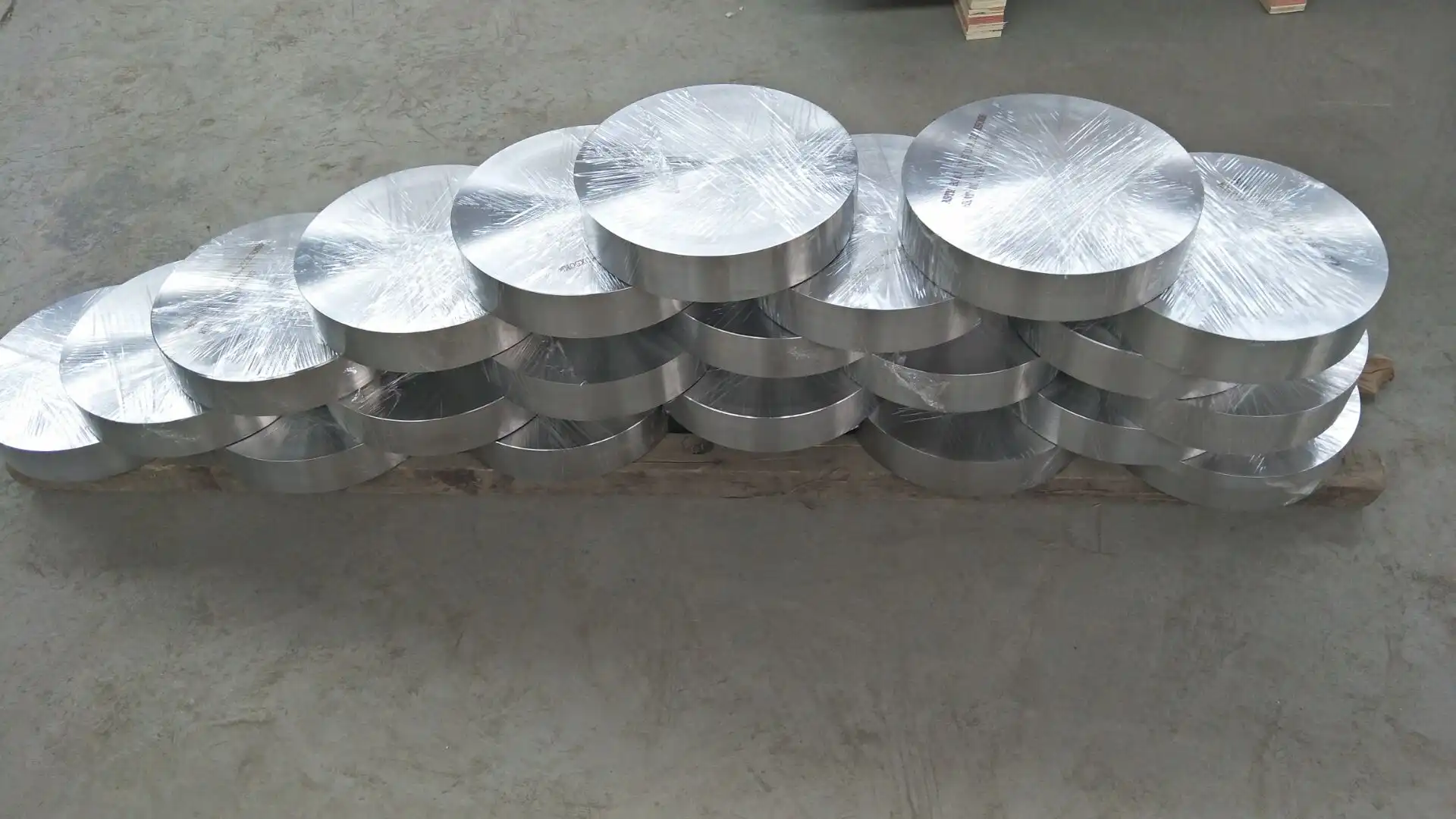
Understanding Inconel 617 Forgings for HTGR Applications
The creation of High-Temperature Gas-cooled Reactors has increased the need for materials that can keep working even when they are under a lot of chemical and temperature stress. Experts in nuclear engineering and materials have found certain metal needs that can only be met by advanced superalloys.
Inconel 617 is a complex metal system that was made to work well in high-temperature situations. Nickel (50–60%) is the main element in the metal, which makes it very resistant to rust and stable at high temperatures. The 20–23% chromium level helps with resistance to oxidation and creates safe oxide layers that stop breakdown in high-temperature settings.
Adding cobalt (12–15%) to the metal makes it stronger at high temperatures through solid solution strengthening processes. The presence of molybdenum adds to the resistance to creep, and the controlled amounts of aluminum and titanium cause precipitate hardening effects that keep the mechanical qualities stable at high temperatures. Because of its carefully balanced make-up, the metal can work consistently in HTGR settings where temperatures can reach over 1,000°C.
The microstructural properties of products made by forging are better than those made by casting or powder metallurgy. Hot forging smooths out the grain structure, gets rid of gaps, and makes good grain flow patterns that make the mechanical traits better. Forging takes place at temperatures between 1,010°C and 1,205°C, and the finished microstructure is optimized by controlling the rate at which the metal cools.
Solution annealing at temperatures between 1,120°C and 1,180°C is part of the post-forging heat treatment. This is followed by controlled cooling. This heat processing gets rid of any remaining stresses, evens out the microstructure, and makes it easier for stiffening stages to form. The end result is a part that is very resistant to creep and stable at high temperatures, making it ideal for long-term use in nuclear power plants.
For HTGR uses to work, strict attention to nuclear industry standards is needed to make sure that the materials are safe and reliable. The Inconel 617 forgings made by TSM Technology meet the standards set by ASTM B564, ASME SB564, and EN 10095. This gives nuclear uses the quality guarantee they need. These guidelines say what the limits are for chemical makeup, what the requirements are for mechanical properties, and how to test materials to make sure they work.
Traceability of materials is an important part of nuclear-grade parts, such as Inconel 617 forgings. Each component comes with a lot of paperwork, like Material Test Certificates (MTC) and SGS testing records that prove it was made by a third party. This paper trail makes sure that everyone is accountable, from getting the raw materials to delivering the finished product, and meets the strict requirements of nuclear regulatory authorities.
Advantages and Challenges of Using Inconel 617 Forgings in HTGR
Using advanced superalloys in nuclear uses has a lot of benefits, but it also comes with some problems that need to be carefully thought through during the planning and buying stages.
Because Inconel 617 has a very high creep resistance, it can keep working in high-stress, high-temperature situations that are common in HTGR systems. Stress breaking strength tests in the lab show that it is higher than 100 MPa at 950°C, and creep rates stay very low even after long exposure times. This ability directly leads to higher nuclear safety margins and longer component service lives.
Another important benefit of HTGR is that it doesn't oxidize easily. The metal keeps its protective oxide layer even in helium atmospheres with small amounts of impurities that can speed up the breakdown of weaker materials. Meeting the requirements of ASTM G28 tests shows that the alloy will be able to withstand oxidation-related degradation for the expected lives of the reactors.
When compared to cast options, forging produces parts that are more resistant to wear. The better grain structure and removal of casting flaws make it more resistant to changes in temperature and mechanical stress that happen during nuclear plant operation. This increased longevity cuts down on upkeep needs and makes the system more reliable overall.
To get quality that is good enough for nuclear use, the whole production process has to be carefully monitored. To make sure that the mechanical qualities stay the same, the factors for heat treatment must be kept within very small ranges. Even small changes in temperature, like 10 to 15°C, can have a big effect on the end microstructure and function.
The quality assurance rules for nuclear uses are stricter than those used in other industries. A lot of non-destructive tests are done on each part, such as ultrasound inspection, x-ray examination, and eddy current testing. These steps find any mistakes or problems inside the system that might affect its long-term performance.
The supply line is more complicated when materials need to be certified. Every step of handling an object must be recorded, from melting it to cutting it to size. Completely keeping records makes sure that rules are followed, but it needs suppliers with experience in the nuclear business and quality systems that have been around for a while.
Comparative Analysis: Inconel 617 Forgings vs Alternatives for Nuclear Reactors
Choosing the right material for HTGR uses, such as Inconel 617 forgings, requires a thorough analysis of how well it works, how much it costs, and how reliable it is over time. To make smart choices about what to buy, engineering teams need to know how the pros and cons of different metal systems compare.
When compared to Inconel 625, the 617 metal has better thermal stability and high-temperature creep protection. Although Inconel 625 is very resistant to corrosion, it can't be used in the most demanding HTGR uses because it has a maximum working temperature. Inconel 617's higher cobalt content gives it the extra high-temperature strength it needs to work continuously above 900°C.
Inconel 718 is another option to think about, especially for reactor parts that need to be at a lower temperature. But 718's age-hardening properties become unstable at temperatures above 650°C, which means it can't be used in HTGR systems. Inconel 617's solid-solution stiffening process keeps it stable across the whole temperature range that the HTGR can work at.
Alternatives made of stainless steel, like 316H or 347H, can't handle the high temperatures needed for HTGR uses. Even though these materials are cheaper, they can't be used for important reactor parts that need to work in high-temperature areas because they have a limited working temperature range and low creep resistance.
For use in nuclear uses, the forging method is much better than casting. Forged parts have better mechanical qualities because the grains are smoother and flaws related to casting are taken away, like porosity and segregation. Forging causes controlled deformation, which makes grain flow patterns that are better and increases fracture hardness and wear resistance.
Making sure the quality is good is easier when you use forged parts. Non-destructive testing is a reliable way to find any flaws, but casts may have secret holes or other problems that are hard to see. Forging creates a consistent microstructure that makes performance traits known, which is important for safety-critical nuclear uses.
Also, the way they can be machined makes forged materials better. Because the microstructure is uniform and there are no hard or soft spots, it is possible to machine the material precisely to very tight tolerances. This trait is especially useful for parts of reactors that need to have complicated shapes and accurate control of dimensions.
Procuring Inconel 617 Forgings: Best Practices and Supplier Selection
To successfully buy nuclear-grade superalloy parts, you need to carefully evaluate suppliers and follow strict quality control procedures. Because nuclear uses are so complicated, they need suppliers with specific knowledge and a track record of success.
Experience in the nuclear business is the most important thing for providers to have. Manufacturers must show that they know about nuclear quality standards, government rules, and proper paperwork procedures. With 14 years of experience making superalloys and AS9100D certification, TSM Technology has the quality base needed for nuclear uses.
The project's needs must be met by the production's skills for both prototypes and mass production, particularly for Inconel 617 forgings. With three factories, eight production lines, and more than 100 machines, TSM Technology can handle projects of all sizes, from small orders for prototypes to large-scale plans to build reactors. With a capacity of 1,200 tons per year, the supply chain can support big nuclear projects reliably.
Certification of the quality system is another important condition. The base is ISO 9001 approval, but for nuclear uses, you usually need extra standards like ASME NQA-1 or similar quality systems. These standards make sure that quality methods meet the strict needs of the government agencies in charge of nuclear safety.
The rules for checking materials must go beyond what is normally expected in the industry. Nuclear uses need more than just regular mechanical property tests. They also need specialty tests like helium embrittlement evaluation, thermal aging studies, and irradiation effects evaluation. Suppliers must have access to specialized testing centers or trained suppliers who can do these checks.
The ability to make prototypes lets you improve the design of parts and the manufacturing process before going into full-scale production. TSM Technology can quickly turn around projects, going from pilot to production in 6 to 8 weeks. This helps developers meet tighter deadlines while still keeping quality standards.
The skills for non-destructive testing must meet the standards of the nuclear business. At the very least, ultrasonic testing, radiographic viewing, and an eddy current study must be done. For complicated shapes or important tasks, you might need more advanced methods like phased array ultrasonics or computed tomography.
Planning ahead for lead times is very important for nuclear projects that take a long time to build. Standard wait times of 8 weeks for custom forgings need to be worked into the schedule for the whole job. When it comes to dealing with changes in schedules or urgent needs, suppliers who can speed up production are very helpful.
Deliveries to foreign projects can be counted on thanks to global transportation. TSM Technology ships containers to more than 70 countries and lets you watch them in real time. This makes the supply chain clear, which is important for complicated nuclear projects with many foreign partners.
The rules for documentation and tracking go beyond what is normally done in business. For nuclear uses, it is necessary to keep detailed notes of the material's genealogy, its processing history, and the results of all tests. Suppliers need to keep these records for the whole lifetime of the part to make sure they follow the rules and meet any future research needs.
Future Trends and Insights for Inconel 617 Forgings in the Nuclear Sector
As nuclear technology changes, the needs for materials, particularly for Inconel 617 forgings, keep growing to meet better performance and dependability standards. Procurement experts can make strategic choices that help projects succeed in the long run when they understand these trends.
Additive manufacturing technologies are starting to change how superalloy parts are made. Traditional forging is still the best way to make important nuclear parts, but mixed methods that combine additive manufacturing with traditional forging may open up new design options. With these technologies, it might be possible to make things with complicated shapes or internal cooling channels that aren't possible with traditional manufacturing.
Digital technologies for manufacturing are making it easier to control quality and make processes run more smoothly. Monitoring forging factors in real time, automatic dimensional inspection, and predictive repair systems all help to make things more consistent while lowering the cost of production. These technology breakthroughs are good for both suppliers and customers because they improve quality and make delivery more reliable.
Newer methods for heat treatment allow for more fine control of microstructural development. Vacuum heat treatment, controlled atmosphere processes, and special cooling methods improve the qualities of materials while lowering the chance of contamination or oxidation. These changes improve the performance of parts and make them last longer in harsh nuclear settings.
The groups in charge of nuclear safety are still improving the rules for new plant technologies. New standards are being made for HTGR uses that take into account the unique problems that come up when working at high temperatures and with helium coolants. To stay in line, suppliers must keep up with these changing standards.
International attempts to standardize are making multi-national nuclear projects less complicated. When guidelines from different countries are unified, it's easier to find suppliers and accept parts. This trend is good for both clients and sellers because it lowers the cost of certification and speeds up project plans.
Paper records are being replaced by digital recording tools. Blockchain technology and digital twins make it easier to track things and control their lifecycles. These systems let you see the past and performance data of a component in real time, which helps with forecast maintenance and following the rules.
Conclusion
By using High-Temperature Gas-cooled Reactors, nuclear science has made big steps forward, and new materials are needed that can work reliably in harsh circumstances. For these tough jobs, Inconel 617 forgings have been the best answer so far. They have the unique mix of high-temperature strength, resistance to oxidation, and long-term stability needed for safe reactor operation.
The success of HTGR projects rests a lot on how well the materials are chosen and how well the suppliers work together. When engineering teams know the technical standards, performance traits, and procurement issues, they can make decisions that are good for the project and help it succeed. As nuclear technology keeps getting better, advanced superalloys like Inconel 617 will become even more important. This means that ties with suppliers and knowledge of materials will become more valuable.
FAQ
Why are Inconel 617 forgings specifically chosen for HTGR applications?
When used in HTGR settings, Inconel 617 forgings have superior high-temperature creep resistance and rust resistance that other materials can't match. The metal stays structurally sound at temperatures above 950°C and doesn't break down in helium environments, which happens to many other materials.
What certifications should suppliers have for nuclear-grade Inconel 617 forgings?
Suppliers of nuclear materials should keep up with ASME approvals, ISO 9001 quality systems, and, if possible, NQA-1 nuclear quality standards. It is important that the materials meet the requirements of ASTM B564 and ASME SB564 guidelines and that there is a lot of paperwork, such as Material Test Certificates and third-party test verification.
How do forged components compare to cast alternatives for nuclear applications?
Forged parts have better mechanical qualities because the grains are smoother and casting flaws are gone. Forging gives you more control over the microstructure, which makes it more resistant to wear, easier to machine, and gives more accurate non-destructive testing results than casting.
What testing is required for nuclear-grade superalloy components?
For nuclear uses, thorough testing is needed, such as checking the mechanical properties, analyzing the chemical makeup, using non-destructive testing methods (ultrasonic, radiographic, and eddy current), and special nuclear tests like helium embrittlement evaluation and thermal aging studies.
Partner with TSM Technology for Superior Inconel 617 Forgings
TSM Technology is a reliable company that makes Inconel 617 forgings. They provide nuclear-grade parts that meet the strict requirements of next-generation HTGR uses. Our AS9100D-certified manufacturing methods and 14 years of experience with superalloys make sure that every part meets the strict safety and efficiency standards of nuclear power plants.
Custom forging design, precision machining to ±0.01mm tolerances, and full material approval with MTC and SGS test results are just a few of the many things we can do. We can help with the supply chain for projects of any size because we have three factories that can make up to 1,200 tons of goods each year. Email our engineering team at info@tsmnialloy.com to talk about your unique needs and get full technical specs.
References
Davis, J.R. "Heat-Resistant Materials for Advanced Nuclear Reactor Applications." ASM International Handbook of Superalloys, 2019.
Johnson, P.M., et al. "Creep Behavior of Inconel 617 in High-Temperature Gas-Cooled Reactor Environments." Nuclear Engineering and Design, Vol. 387, 2022.
Smith, K.L. "Material Requirements for Next-Generation Nuclear Power Systems." Nuclear Technology Review, International Atomic Energy Agency, 2021.
Anderson, R.W. "Forging Processes for Nuclear-Grade Superalloys: Quality Assurance and Performance Optimization." Materials Science and Engineering Conference Proceedings, 2020.
Thompson, D.A., Zhang, L. "High-Temperature Material Degradation in HTGR Environments: A Comprehensive Study." Journal of Nuclear Materials, Vol. 523, 2021.
Williams, C.M. "Procurement Strategies for Nuclear-Grade Superalloys: Supplier Selection and Quality Management." Nuclear Engineering International, 2022.
Learn about our latest products and discounts through SMS or email