- English
- French
- German
- Portuguese
- Spanish
- Russian
- Japanese
- Korean
- Arabic
- Greek
- German
- Turkish
- Italian
- Danish
- Romanian
- Indonesian
- Czech
- Afrikaans
- Swedish
- Polish
- Basque
- Catalan
- Esperanto
- Hindi
- Lao
- Albanian
- Amharic
- Armenian
- Azerbaijani
- Belarusian
- Bengali
- Bosnian
- Bulgarian
- Cebuano
- Chichewa
- Corsican
- Croatian
- Dutch
- Estonian
- Filipino
- Finnish
- Frisian
- Galician
- Georgian
- Gujarati
- Haitian
- Hausa
- Hawaiian
- Hebrew
- Hmong
- Hungarian
- Icelandic
- Igbo
- Javanese
- Kannada
- Kazakh
- Khmer
- Kurdish
- Kyrgyz
- Latin
- Latvian
- Lithuanian
- Luxembou..
- Macedonian
- Malagasy
- Malay
- Malayalam
- Maltese
- Maori
- Marathi
- Mongolian
- Burmese
- Nepali
- Norwegian
- Pashto
- Persian
- Punjabi
- Serbian
- Sesotho
- Sinhala
- Slovak
- Slovenian
- Somali
- Samoan
- Scots Gaelic
- Shona
- Sindhi
- Sundanese
- Swahili
- Tajik
- Tamil
- Telugu
- Thai
- Ukrainian
- Urdu
- Uzbek
- Vietnamese
- Welsh
- Xhosa
- Yiddish
- Yoruba
- Zulu
Monel 400 Tube: Features and Diverse Industrial Uses
When engineers and procurement workers have to make important choices about what materials to use in harsh settings, the choice between nickel-copper alloys is not just a matter of technical details; it's an investment in the stability of operations. The Monel 400 tube has been used successfully in fields where failure of a material could have major effects, such as chemical processing systems and remote bases that have to deal with rust from seawater. This nickel-copper alloy has a good image because it has been used in many situations for many years and has worked well. However, many buying teams still don't understand how different types of Monel 404 tubes compare to each other and what situations call for their specific qualities. This complete guide clears up all of those questions and gives materials engineers, procurement directors, and project managers the technical knowledge and real-world experience they need to choose the right metal tubing for tough jobs.
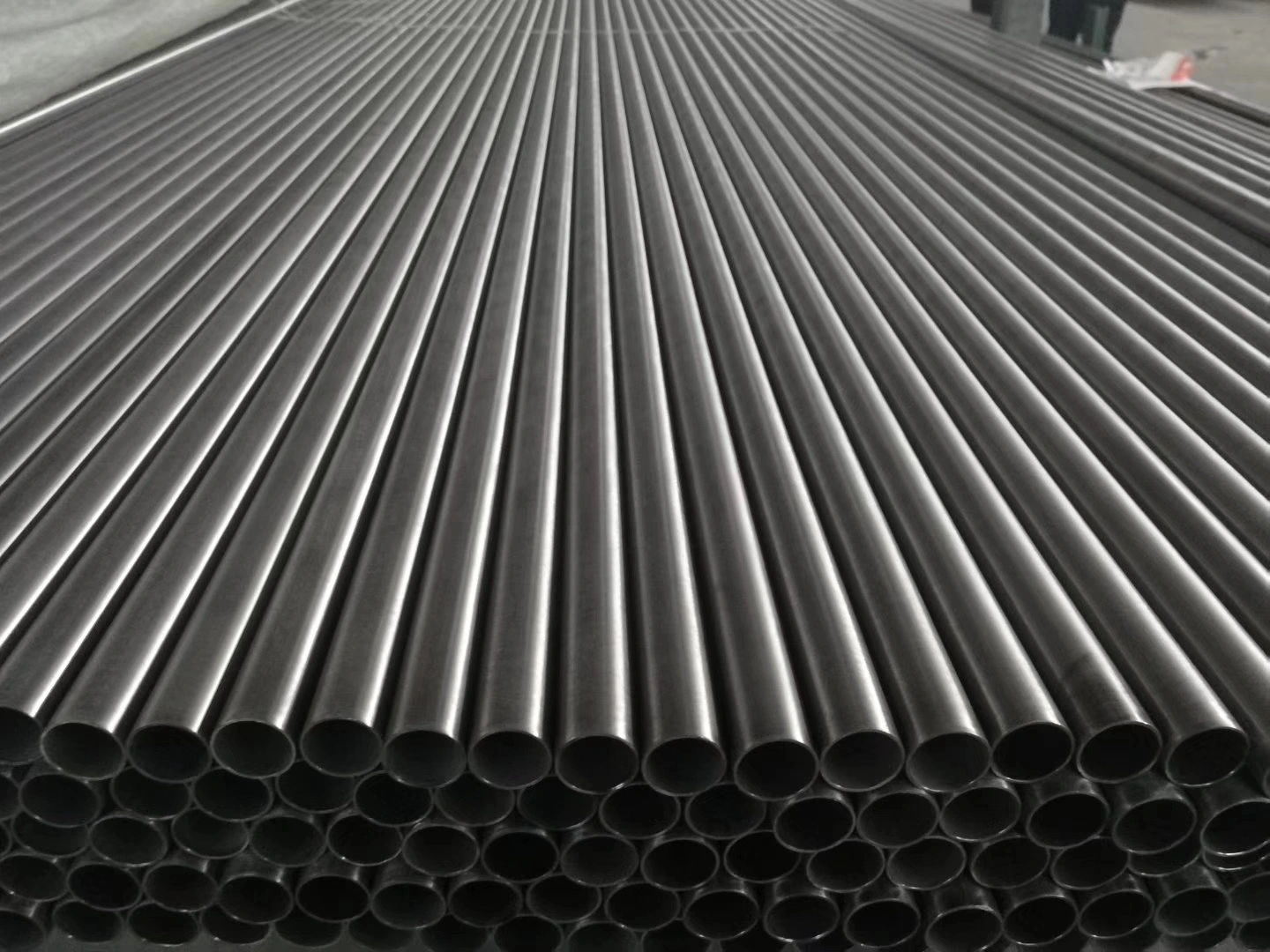
Understanding Monel 400 Tube – Composition, Properties, and Manufacturing Excellence
Chemical Composition and Core Alloy Structure
Monel 400 is a balanced nickel-copper alloy that has iron, manganese, carbon, and silicon added in small amounts. It is made up of about 63–70% nickel and 28–34% copper. This mix makes a solid-solution metal. Nickel protects against corrosion in alkaline environments, and copper makes it better at resisting rust in reducing environments. The alloy's single-phase lattice gets rid of worries about precipitation hardening, so its mechanical properties stay the same at all temperatures. TSM Technology's production method follows strict chemical rules that are checked using spectroscopic analysis. This makes sure that the products we make meet foreign standards such as DIN 17752, JIS NW 4400, and ASTM B165.
Mechanical Properties Across Operating Conditions
At room temperature, the material has a tensile strength of 70,000 to 85,000 psi and a yield strength of 25,000 to 50,000 psi. This means that it is strong enough for pressure-bearing uses. What makes this metal unique is that it keeps its hardness and flexibility even at very low temperatures, where many materials become brittle, and at high temps close to 800°F for short periods of time. Most elongation values are higher than 35%, which makes it easier to do cold working operations like bending, shaping, and curving without cracking. These qualities are improved by heating at 1600–1700°F and then quickly cooling. This gets rid of any remaining stresses and makes the material more resistant to rust.
Manufacturing Methods and Quality Standards
We use hot extrusion to make tubes that don't have any lengthwise join gaps. This is important for uses that need to withstand cycle pressure or chemical attack. Tubes can have an outer diameter of 6.0 mm to 114 mm and wall thicknesses ranging from 0.5 mm to 15 mm. This means they can be used for a wide range of technical needs, from instrument tubing to large-diameter heat exchanger parts. For continuous runs, the length can go up to 15,000 mm, which reduces the number of bonded points in pipe systems. Chemical makeup analysis, mechanical property testing, hydraulic pressure testing, and non-destructive examination using eddy current or ultrasound methods are just some of the quality checks that are done on every production lot. Each package comes with a material test certificate (MTC) that meets the requirements of EN 10204 3.1. This lets you fully track back to the sources of the raw materials.
Monel 400 vs Monel 404 and Other Alloy Tubes – Strategic Comparison for Procurement
Understanding Monel 400 and 404 Distinctions
Both metals are based on nickel and copper, but Monel 404 tube has less carbon than Nitinol 404. This is done on purpose to keep carbide from forming during welding. This change makes it less likely for intergranular rust to happen in weld heat-affected zones, which makes it better for built-up parts that need a lot of welding. The qualities of the materials stay the same, and both metals give about the same level of rust protection in most situations. When choosing between these types, fabrication needs should come first. Monel 400 is best for uses that don't require much welding or mechanical joining, while Monel 404 tube specs are better for complicated fabrications where weld consistency is key to performance.
Performance Against Stainless Steel Alternatives
Monel 400 is better than 316 stainless steel at resisting chloride-induced stress corrosion cracking, which is a major failure mode in saltwater and marine settings. The nickel-copper matrix is better at stopping pitting and crevice rust than austenitic stainless steels, especially when seawater is still or moving slowly. Corrosion rates in seawater are usually less than 0.025 mm per year, which means that systems that are built correctly can last more than 30 years. Even though Monel costs more than stainless steel at first, it is always cheaper in the long run when you look at things like how often you need to replace it, how much upkeep it needs, and how much it costs to have it shut down.
Comparison with Specialty Nickel Alloys
Inconel metals are better at withstanding high temperatures and oxidation above 1000°F. This makes them suitable for turbine parts and combustion conditions where Monel's temperature limits become a problem. Different types of Hastelloy are better at withstanding oxidising acids and chloride-containing solutions at high temperatures. This is why they are used in chemical processing where mixed acids or chlorine compounds are present. Monel 400 is a useful alloy that is in the middle. It is very resistant to seawater and reducing acids, has good mechanical qualities at low temperatures, and is cheaper than some more unusual nickel alloys. Because of this mix, it continues to be the best choice for marine, offshore, and oil handling tasks where these specific performance traits meet practical needs.
Industrial Applications and Tangible Benefits Across Critical Sectors
Marine Engineering and Offshore Infrastructure
Monel 400 tubing is used by shipbuilders and offshore platform owners for seawater pipe systems, condenser tubes, and heat exchanger bundles that must work reliably for a long time in saltwater. Because it doesn't react with biofouling organisms or speed-accelerated rust, the metal is very useful in cooling water systems. Desalination plants use these tubes in evaporator systems, which are places where high temperatures, lots of salt, and rough flow would quickly break down less durable materials. Our partnerships with marine equipment makers all over the US help with projects like naval vessel systems and offshore oil production facilities. In these places, strict quality standards set by ABS and DNV-GL are met by material traceability and certification compliance.
Chemical Processing and Petrochemical Operations
In refineries, Monel tube is used in systems that handle hydrogen sulphide and other sulphur compounds, hydrofluoric acid alkylation, and crude distillation. Because it doesn't react with hydrofluoric acid at any strength or temperature, the material is essential for HF alkylation methods that make high-octane petrol components. The alloy's wide range of rust resistance is useful for chemical plants that work with caustic solutions, organic acids, and chlorine hydrocarbons. Shell-and-tube heat exchanges use tube bundles to move heat between process lines. The bundles stay together even when acidic media are on both the shell and tube sides. When thermal conductivity (21.8 W/m·K) and rust resistance work together, they make heat movement more efficient and ensure long-term mechanical stability.
Aerospace and Power Generation Technologies
Monel 404 tube parts are used by aerospace companies in fuel systems, hydraulic lines, and engine parts that are close to the engine. These parts are resistant to rust and have good mechanical qualities. The material is cryogenic tough, which means it can be used in devices that use liquid fuel at very low temperatures. Facilities that make electricity use these tubes in feedwater heaters, moisture separator reheaters, and other systems where high-quality steam and long service intervals are important. In secondary cooling systems for nuclear power plants, the metal is useful because it doesn't produce many rust products and can handle both basic and acidic conditions. Because we have AS9100D approval, we can work with aircraft supply chains that need strict quality paperwork and limits for size.
Procurement Insights – Supplier Selection and Cost Management Strategies
Evaluating Supplier Capabilities and Certifications
To find a reliable source for Monel tubes, you should start by checking the manufacturer's credentials. These should include ISO 9001 quality management systems, ASME approval for pressure tank materials, and, if necessary, industry-specific qualifications like API, NORSOK, or PED compliance. Along with three factories that run eight production lines and have more than 100 specialised tools, TSM Technology has full certifications that cover all of these standards. This infrastructure supports a monthly production capacity of more than 300 tonnes, making sure that both short-term sales and long-term contract agreements can keep getting supplies. Material tracking systems keep track of every heat from the time the raw materials are received until they are inspected for quality. This provides full paperwork chains that meet the needs of the nuclear, aircraft, and petroleum industries.
Understanding Pricing Factors and Budget Optimization
Tubing costs depend on many things, such as the market prices of nickel and copper, the size and shape requirements, the surface finish needs, and the number of orders. When it comes to pressure levels and rust resistance, seamless tubes are more expensive than welded ones. Specialised finishes, like bright annealed or electropolished surfaces, raise the cost of processing, but they are worth it for clean or safe uses. There are several ways for procurement teams to get the best deals on materials: combining orders to get volume discounts, accepting mill-run lengths to avoid cut-to-length charges, specifying standard dimensions when design flexibility allows, and setting up blanket orders with scheduled releases to keep prices stable when the market changes. We work together with buying teams to make deals that balance low costs with on-time delivery.
Managing Lead Times and Global Logistics
Standard-sized Monel 404 tube usually ships 4 to 6 weeks after the order is placed, but custom-sized tubing may take 8 to 12 weeks, based on how complicated the dimensions are and how much is ordered. Long wait times can be avoided by strategically placing goods. For example, our distribution network keeps common sizes in stock in North American stores, which lets us send faster for urgent needs. When Asian production areas send goods to other countries, they need to make sure they have the right export paperwork, know how to clear customs, and coordinate with freight forwarders. We take care of these complicated transportation issues for our customers and give them delivery prices that make making their purchases easier. Our strategic raw material stocks and global supply chain skills make sure that we always have what you need, even when there are problems in the market that affect nickel metal sources.
Choosing the Right Monel Tube – A Practical Decision Framework for Buyers
Defining Application-Specific Technical Requirements
To choose the right material, you must first carefully record the working conditions, such as the type of fluid, the temperature range, the pressure rates, the flow rate, and the estimated service life. Corrosion experts should check to see if the conditions are reducing or oxidising, if certain acidic species are present (such as sulphides or chlorides), and how temperature and quantity affect the corrosion process. Specifications for wall thickness and measurement range are based on mechanical loads such as internal pressure, external forces, heat expansion pressures, and shaking exposures. For heat transfer tasks, you need to weigh thermal conductivity against the need to keep things clean and free of dirt and grime. This methodical evaluation sets clear performance standards that can be used to compare different materials in an unbiased way.
Verification of Standards Compliance and Material Certification
When writing engineering requirements, they should use appropriate ASTM standards (B165 for seamless pipe and tube and B725 for welded tube), ASME Boiler and Pressure Vessel Code parts when needed, and industry-specific standards like NACE MR0175 for oil and gas sour service uses. Material test results must show that the chemical make-up is within certain ranges, that the mechanical features meet minimum standards, and that the material passed certain tests, such as flaring, flattening, or hydraulic pressure testing. Inspection by a third party, such as by SGS, Bureau Veritas, or TÜV, offers an independent check that is useful for important uses. We regularly set up third-party witness tests and give our clients full paperwork packages that meet our internal quality standards and legal compliance requirements.
Looking at the performance of suppliers beyond the initial price
The total cost of ownership includes more than just the price of the materials themselves. It also includes how reliable the delivery is, how good the technical help is, how quickly questions about specifications are answered, and how problems are fixed when they happen. Suppliers who show they know a lot about manufacturing can offer extra services that add value, such as precise cutting, end preparation, testing that goes beyond standard requirements, and unique packing that fits the needs of the project. Stable supply chains are created through long-term partnerships based on regular quality and on-time delivery. This is especially helpful for ongoing production operations and building projects with multiple stages. Our technical team helps customers with everything from choosing the right materials to manufacturing. They have 14 years of experience working with precision engineering businesses and machine shops around the world.
Conclusion
In important industrial uses, choosing the right material means finding a balance between technical performance, cost, and supply stability. Monel 400 tube is resistant to rust and have good mechanical qualities in a wide range of harsh settings, from chemical processing plants to naval systems. Procurement teams can easily choose materials by knowing the changes in makeup between types like Monel 404 tube, comparing performance to other metals, and checking out the capabilities of suppliers. Organisations can get the most out of both short-term and long-term operating value by carefully evaluating application needs, checking licenses, and working with qualified makers.
FAQ
In real life, what makes Monel 400 different from Monel 404?
The main difference is the amount of carbon in the metal and how well it welds. Because Monel 404 has less carbon in it, carbides don't form as easily when it's welded, and it's less likely to rust in areas where heat is present. Monel 404 specifications are better for projects that need to do a lot of manufacturing and welding. Standard Monel 400 specifications are better for projects that only need mechanical parts or little welding.
In comparison to stainless steel, how does Monel hold up in salt water?
Compared to austenitic stainless steels like 316 types, Monel is better at resisting stress corrosion cracking and pitting caused by salt. Seawater has corrosion rates that stay below 0.025 mm per year, which means that things can be used for many decades. In seawater pipe and heat transfer uses, the nickel-copper mesh is better at resisting biofouling and speed-accelerated rusting than stainless steel options.
Where can I find reputable companies that sell Monel 404 tubes in bulk?
Qualified providers have ASME, ISO 9001, and industry-specific certifications, and they have the manufacturing skills to support steady production of big volumes. Check that the material test certificate is full, that third-party inspections are available, and that the supply chain is stable by looking at output capacity and relationships for getting raw materials. TSM Technology runs three factories that can make more than 300 tonnes of products every month. These factories have full quality standards and serve the aerospace, petroleum, and marine businesses all over North America.
Partner with TSM Technology for Reliable Monel 404 Tube Supply
By working together with TSM Technology, procurement teams looking for reliable Monel 404 tube makers can get strategic benefits. Our three factories have eight separate production lines that make tubes with diameters from 6.0mm to 114mm and wall thicknesses from 0.5mm to 15mm. The tubes can have bright, matte, or polished finishes that meet ASTM, DIN, JIS, and EN standards. Every package comes with full material certifications, such as MTC and SGS test records, and free samples can be used for suitability testing. Our technical experts help engineers choose the best specs for each job, and our AS9100D and ISO 9001 certifications make sure that the quality is always the same, which is important for aircraft and defence uses. Customised sizes and processing options can be used to meet the needs of any project. A monthly production capacity of 300 tonnes ensures a steady supply for both short-term needs and long-term contracts. Email our team at info@tsmnialloy.com to talk about your needs, get detailed data sheets, or set up samples of our products.
References
ASTM International. (2020). Standard Specification for Nickel-Copper Alloy Seamless Pipe and Tube. ASTM B165-20.
Special Metals Corporation. (2019). MONEL Alloy 400 Technical Handbook. Special Metals Technical Publications.
Rebak, R.B. (2018). Corrosion Resistance of Nickel-Copper Alloys in Marine Environments. Journal of Materials Engineering and Performance, 27(4), 1825-1838.
American Society of Mechanical Engineers. (2021). Boiler and Pressure Vessel Code Section II: Materials. ASME BPVC.II.
Craig, B.D., & Anderson, D.S. (2017). Handbook of Corrosion Data for Petrochemical Applications. ASM International Handbook Series.
International Nickel Study Group. (2022). Production and Applications of Nickel-Copper Alloys in Industrial Systems. INSG Technical Report Series.
Learn about our latest products and discounts through SMS or email