- English
- French
- German
- Portuguese
- Spanish
- Russian
- Japanese
- Korean
- Arabic
- Greek
- German
- Turkish
- Italian
- Danish
- Romanian
- Indonesian
- Czech
- Afrikaans
- Swedish
- Polish
- Basque
- Catalan
- Esperanto
- Hindi
- Lao
- Albanian
- Amharic
- Armenian
- Azerbaijani
- Belarusian
- Bengali
- Bosnian
- Bulgarian
- Cebuano
- Chichewa
- Corsican
- Croatian
- Dutch
- Estonian
- Filipino
- Finnish
- Frisian
- Galician
- Georgian
- Gujarati
- Haitian
- Hausa
- Hawaiian
- Hebrew
- Hmong
- Hungarian
- Icelandic
- Igbo
- Javanese
- Kannada
- Kazakh
- Khmer
- Kurdish
- Kyrgyz
- Latin
- Latvian
- Lithuanian
- Luxembou..
- Macedonian
- Malagasy
- Malay
- Malayalam
- Maltese
- Maori
- Marathi
- Mongolian
- Burmese
- Nepali
- Norwegian
- Pashto
- Persian
- Punjabi
- Serbian
- Sesotho
- Sinhala
- Slovak
- Slovenian
- Somali
- Samoan
- Scots Gaelic
- Shona
- Sindhi
- Sundanese
- Swahili
- Tajik
- Tamil
- Telugu
- Thai
- Ukrainian
- Urdu
- Uzbek
- Vietnamese
- Welsh
- Xhosa
- Yiddish
- Yoruba
- Zulu
Advantages and Applications of Monel Pipe
Monel pipe represents a specialized nickel-copper alloy solution that has revolutionized how industries approach corrosion challenges in extreme environments. Manufactured from a precisely balanced composition of 63-67% nickel and 27-33% copper, this Monel tube technology delivers unmatched resistance to seawater, acidic chemicals, and high-temperature conditions. Across aerospace, marine engineering, petrochemical processing, and power generation sectors, these pipes have proven indispensable for applications where material failure simply isn't an option, offering a service life that significantly exceeds conventional alternatives while maintaining structural integrity under demanding operational pressures.
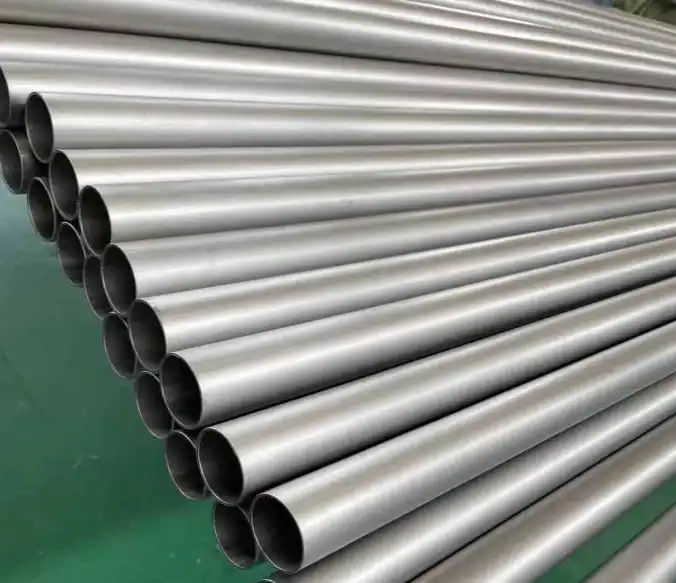
Understanding Monel Pipe: Composition, Properties, and Specifications
Monel steel has a reputation for being a high-quality material because of how it is made. When we design our products, we use nickel-copper mixtures that make a passivation film on the surface. This film actively stops corrosion and pitting, even when the product is exposed to harsh chemicals. This protected layer forms on its own and keeps growing back, so it will keep working well for a long time.
Core Metallurgical Characteristics
The most common grade, Monel 400 (UNS N04400), is very strong against rust and is also very flexible and easy to weld. The mechanical safety of this composition stays the same at temperatures ranging from -196°C to 550°C, so it can be used in both cold settings and hot ones. Even when it's below zero outside, the alloy's natural toughness stays the same, which is very important for offshore sites and polar activities.
For uses that need higher mechanical strength, Monel K500 has aluminum and titanium added to it so that it can be treated to strengthen over time. This process of precipitation strengthening through the formation of the γ' phase (Ni3Al/Ti) raises the hardness to HRC 35 while keeping the corrosion resistance of the base metal. The tensile strength is up to 1100 MPa, which means it can be used for structures just as well as or better than many steel options without being as prone to rusting.
Industry Standards and Dimensional Specifications
When we make things at TSM Technology, we follow standards that are known all over the world, like ASTM B163, ASME SB163, and EN 10095. These specs make sure that the materials can be tracked, that their mechanical properties stay the same, and that the measurements are correct, which is what procurement leaders and quality assurance teams need for certification compliance. We can make Monel tube and pipes with outer sizes ranging from 6.0 mm to 114 mm and wall thicknesses ranging from 0.5 mm to 15 mm. This means that we can meet the needs of a wide range of applications, from accurate instrumentation lines to heavy-duty process piping. With lengths up to 15,000 mm, fewer joints are needed in long runs, which means fewer places where water could leak.
Because of EDM drilling technology, we can keep margins within ±0.01mm, which is a very important quality for aircraft engineers who have to work with small assembly gaps. The surface quality hits Ra ≤1.6μm after treatment, which meets the strict cleanliness standards of the pharmaceutical industry, where preventing pollution is very important. We can make changes based on customer requests for non-standard sizes, specialized surface processes like sanding and anodizing, and application-specific changes that solve specific installation problems.
Advantages of Using Monel Pipes in Industrial Applications
Material degradation is a constant fight for industries that work in harsh settings. There are benefits to using nickel-copper alloy pipes that lead to better safety, more reliable operations, and lower lifetime costs. These benefits affect buying choices in many areas.
Superior Corrosion Resistance in Aggressive Environments
Testing done according to ASTM B117 standards shows that erosion rates are very low, at just 0.001 mm per year when exposed to seawater soaking all the time. With this level of efficiency, Monel installations in marine settings can last decades instead of years if they are properly set up. In addition to being resistant to saltwater, our material is also resistant to hydrofluoric acid and lasts about ten times longer than 316L stainless steel options.
This broad-spectrum rust resistance is good for chemical processing plants that use sulfuric acid, hydrochloric acid, and different types of alkalis. The metal can withstand both uniform corrosion and limited attack types, such as stress-corrosion cracking, pitting, and crevice corrosion. This full protection gets rid of the early failures that mess up production plans and put workers in chemical and refinery plants at risk of safety dangers.
Mechanical Robustness Under Extreme Conditions
Monel tube can handle practical pressures that would break less durable materials because they have both high tensile strength and great ductility. Going from one high temperature to another doesn't cause brittleness or structural stress. Offshore sites directly benefit from this because their equipment has to handle temperature changes from the cold ocean depths to the hot sun at the top while still keeping the pressure steady.
The strength-to-weight ratio of the metal is used in hydraulic systems and fuel supply lines in aerospace, where every gram counts and failure would be disastrous. Because the material can keep its mechanical qualities even at very high or very low temperatures, a single specification of the material can be used in many areas of complicated systems. This makes inventory management easier and makes buying simpler.
Long-Term Cost Effectiveness
Even though nickel-copper alloy options are more expensive at first than commodity choices, they are more cost-effective over their entire lifespan. Longer service intervals cut down on the amount of repair work that needs to be done and get rid of the downtime that comes with replacing parts too soon. Because the reliability has gone up, routine costs can be planned for instead of unexpected repair costs that throw off budgets and plans.
Engineers in the marine industry know that removing worries about galvanic corrosion when connecting to other system materials makes it easier to build and install. Because the material can be used with normal welding methods and Monel Filler Metal 60 consumables, fixes and tweaks can be made in the field without having to follow special steps that take longer. These useful benefits add up over the course of a project's lifetime, giving financial decision-makers return-on-investment traits that support the choice of material.
Applications of Monel Pipe Across Various Industries
The fact that this metal technology works well in a variety of real-world industries shows why materials engineers and project buyers keep choosing it for important uses.
Marine and Offshore Engineering Applications
Continuous exposure to seawater, mechanical stress, and changes in temperature present unique challenges for shipbuilders and offshore platform designs. Our Monel tube goods are used in fire suppression networks, ballast pipes, saltwater cooling systems, and parts of desalination plants where resistance to corrosion affects safety. DNV-GL approval for riser tubes on offshore platforms proves that the material can handle tough subsea jobs where entry for inspection is limited and dependability is essential.
The better performance compared to copper-nickel options is clear in high-velocity flow situations, where erosion and rust normally shorten service life. This nickel-copper alloy is used to make pump and valve systems that stay the same size and seal well for long periods of time. This means that repair work is done less often, which saves money on vessel shutdown costs.
Chemical and Petrochemical Processing
When working with toxic materials at high temperatures and pressures, refineries and chemical plants depend on the stability of the materials. Heat exchangers that work with hydrofluoric acid alkylation units have to handle a lot of stress because if the material fails, there are instant safety issues and environmental risks. Because they can stand up to both chemical attack and temperature stress cycles, these pipes are the best choice for such important work.
The metal is resistant to a wide range of chemical conditions, which is good for process pipe systems that move corrosive intermediates. Chlorides, organic acids, and alkaline liquids that would quickly break down stainless steel alternatives don't affect the material, including Monel tube. This chemical's flexibility means that a single facility doesn't have to meet the needs of multiple material standards. This makes it easier to keep track of spare parts and do upkeep.
Aerospace and Defense Manufacturing
The hydraulic systems in airplanes have to work in harsh situations with high and low temperatures and manmade fluids that can damage less durable materials. Nickel-copper alloy tubing is strong, doesn't rust, and doesn't wear down easily, so it can be used in these tough situations where part reliability directly affects flight safety. Monel is a material that is often mentioned in military standards for naval airplanes that will be operating in saltwater during carrier operations.
The metal can withstand high temperatures, which is used in turbine parts of both airplane engines and power generation systems on the ground. The material keeps its shape and doesn't rust or wear down easily in places where it's heated, which is why regular materials would need to be replaced often. For defense uses, this dependability means better operational readiness, and for business users, it means lower maintenance costs.
Power Generation and Energy Systems
Nuclear power plants need materials that don't break down when exposed to radiation and don't rust in cooling systems and equipment that makes steam. Along with tracked material approvals and strict testing methods, the alloy's stability in these conditions meets the high quality standards that are typical of nuclear acquisition. The material works well in boiler feedwater systems and condenser uses, which is also good for thermal power plants.
Fluids in renewable energy systems, like geothermal plants, are highly alkaline and quickly eat away at traditional pipe materials. The broad-spectrum corrosion resistance makes it possible for these harsh settings to work reliably, helping with the energy shift while reducing the environmental damage caused by replacing parts too soon.
How Monel Pipe Compares to Alternative Materials
To make a procurement choice, material options must be objectively evaluated based on performance needs related to the application, availability, and cost.
Performance Comparison with Stainless Steel
Certain types of austenitic stainless steel, like 316L, don't rust very easily, but they can pit and crack when exposed to chloride, which means they can't be used in coastal or high-chloride chemical settings. The nickel-copper metal stays strong in these conditions, making it reliable in situations where stainless steel would need to be inspected often and replaced too soon. The difference in performance is especially clear in situations with both acidic media and mechanical stress. This is because stainless steel can crack from stress-corrosion, which is a safety issue.
Evaluation Against Inconel Alloys
Inconel nickel-chromium superalloys work better in extremely hot, oxidizing conditions than Monel tube, especially above 550°C, where Monel tube loses some of its strength. However, the copper-containing Monel tube composition is better for uses below this limit, especially those that involve reducing acids or saltwater conditions. Which material to use depends on the working conditions, with the temperature profile and chemical surroundings helping to figure out the best option.
Monel 400 Versus K500 Grade Selection
The standards for mechanical loading should match the material specs. Monel 400 is very resistant to corrosion and has good mechanical qualities that make it useful for most pipe uses. Its age-hardened state makes it better for situations where higher strength is needed, like in high-pressure systems or structure parts that are put under mechanical loads. Because the rise in strength comes with the same level of corrosion protection, K500 is the best choice when both qualities are needed at the same time.
At our sites, we can keep making both grades, which lets buying teams choose the best material for each part of an application instead of choosing too many expensive alloys for the whole system.
Procuring Monel Pipes: What B2B Buyers Need to Know
To keep project risks to a minimum and costs as low as possible, good procurement strategies combine technical needs, quality assurance, delivery schedules, and supplier dependability.
Supplier Selection and Certification Verification
Nickel-copper alloys of good quality come from companies that have been making them for a long time and have strict quality control systems in place. Our ISO 9001, AS9100D, and NACE MR0175 certifications show that we are dedicated to maintaining high quality standards that meet the needs of the aerospace, defense, and petroleum industries. Material test certificates (MTC) and SGS test records are pieces of tracking evidence that quality assurance teams need to make sure that a project is following the rules.
Dedicated production lines, advanced testing equipment, and a smart inventory of raw materials are all parts of the industrial infrastructure that support a reliable supply. Our 50,000㎡ building has three plant sites with eight production lines and more than 100 machines. It can produce 1,500 tons of goods each year, which is enough to meet the needs of both big projects and quick deliveries of standard designs. Phase-array ultrasonic testing finds defects 100% of the time, and XRF verification checks the makeup of raw materials before they are processed.
Technical Specification Communication
For buying Monel tube to work well, it's important to be clear about what the application needs, such as the working temperature range, pressure conditions, chemical exposure, size requirements, and any special testing or approval needs. Managers of engineering projects should give suppliers information about the system design so that they can suggest the best material grades and layouts. This joint method stops over-specification, which raises costs needlessly, and makes sure that the materials chosen are suitable for the job.
When working on complicated projects with unique needs, the ability to customize is very important. Our engineering team helps with the creation of specifications for specific uses and provides expert advice that aids procurement directors in making decisions about which materials to choose. Sample supply lets you test and confirm before placing full-scale orders, which lowers the risks of execution.
Delivery Logistics and Inventory Management
Due dates depend on how complicated the specifications are and how many orders are placed. Standard dimensional configurations usually ship within 72 hours from our strategic store, which helps with project plan advancement and maintenance purchase needs. For custom orders, we clearly state the wait times for production during the quote process so that project planners can arrange material delivery around building plans.
Strategic management of nickel reserves protects against changes in the prices of raw materials, making it easier to plan a project's budget by predicting how much it will cost to buy things. This stable supply chain is good for long-term projects that need to receive materials in stages, since price changes could otherwise hurt the project's finances.
Conclusion
Monel tube technology has been used for a long time in aircraft, naval, petrochemical, and power generation uses. Its unique mix of corrosion protection, mechanical strength, and operating reliability makes it very useful. When choosing a material, you should look at its lifecycle costs instead of just its original buy price. This is because longer service life and less maintenance are both very good for the bottom line. As industries keep asking for better performance from materials that work in harsher conditions, nickel-copper alloy solutions offer the engineering features that make processes safe and reliable while keeping total ownership costs low over decades of use.
FAQ
1. How does Monel pipe outperform stainless steel in marine environments?
The nickel-copper mix makes an inactive layer on the surface that stops chloride-induced pitting and stress-corrosion cracks, two types of failure that happen a lot with stainless steel in saltwater settings. Testing results show that erosion rates are only 0.001 mm per year, compared to much higher rates of degradation in stainless steel options. This means that the material will last longer, which will lower the number of replacements needed and the costs of upkeep in marine systems.
2. Can you provide custom fabrication for complex industrial projects?
Our production skills allow us to make changes to the dimensions, the surface treatment, and the way the product works that go beyond what is listed in the catalog. Consulting an engineer can help you choose the right materials and make the best designs, and giving you samples lets you make sure everything works before you commit to buying everything. This adaptability meets the specific needs of projects in a wide range of industries.
3. What certifications verify product quality?
For tracking reasons, material test certificates and SGS reports show what the material is made of chemically and mechanically. Our ISO 9001, AS9100D, and NACE MR0175 certifications show that we have structured quality management that meets the standards of the aerospace, defense, and petrochemical industries. This meets the paperwork needs of procurement and quality inspection teams for project compliance.
Partner with TSM Technology for Superior Monel Tube Solutions
We at TSM Technology have been making high-performance nickel-copper alloys for 14 years. These alloys can solve your toughest rust and longevity problems. We have been a Monel tube supplier for a long time and our goods meet the standards set by ASTM B163, ASME SB163, and EN 10095. We do this by using modern manufacturing techniques and strict quality control systems. Our engineering team works with materials engineers, procurement directors, and project managers to make sure that the specs are as good as they can be. This way, you can be sure that you get the exact answer you need for your application. We offer full material certifications, free sample evaluations, and quick expert help that makes buying easier and lowers project risks. Please email our team at info@tsmnialloy.com to talk about your unique needs and find out how our attention to quality, excellent manufacturing, and flexible delivery times can help your project succeed.
References
1. Davis, J.R. (2000). Nickel, Cobalt, and Their Alloys. ASM International Materials Park, Ohio.
2. Rebak, R.B. & Szklarska-Smialowska, Z. (1996). The Mechanism of Stress Corrosion Cracking of Monel 400 in High Temperature Aqueous Solutions. Corrosion Science, 38(6), 971-988.
3. American Society for Testing and Materials (2021). ASTM B163/B163M - Standard Specification for Seamless Nickel and Nickel Alloy Condenser and Heat-Exchanger Tubes. ASTM International, West Conshohocken, Pennsylvania.
4. Craig, B.D. & Anderson, D.S. (1995). Handbook of Corrosion Data. ASM International, Materials Park, Ohio.
5. Boyer, H.E. & Gall, T.L. (1985). Metals Handbook: Desk Edition. American Society for Metals, Metals Park, Ohio.
6. Friend, W.Z. (1980). Corrosion of Nickel and Nickel-Base Alloys. John Wiley & Sons, New York.
Learn about our latest products and discounts through SMS or email