- English
- French
- German
- Portuguese
- Spanish
- Russian
- Japanese
- Korean
- Arabic
- Greek
- German
- Turkish
- Italian
- Danish
- Romanian
- Indonesian
- Czech
- Afrikaans
- Swedish
- Polish
- Basque
- Catalan
- Esperanto
- Hindi
- Lao
- Albanian
- Amharic
- Armenian
- Azerbaijani
- Belarusian
- Bengali
- Bosnian
- Bulgarian
- Cebuano
- Chichewa
- Corsican
- Croatian
- Dutch
- Estonian
- Filipino
- Finnish
- Frisian
- Galician
- Georgian
- Gujarati
- Haitian
- Hausa
- Hawaiian
- Hebrew
- Hmong
- Hungarian
- Icelandic
- Igbo
- Javanese
- Kannada
- Kazakh
- Khmer
- Kurdish
- Kyrgyz
- Latin
- Latvian
- Lithuanian
- Luxembou..
- Macedonian
- Malagasy
- Malay
- Malayalam
- Maltese
- Maori
- Marathi
- Mongolian
- Burmese
- Nepali
- Norwegian
- Pashto
- Persian
- Punjabi
- Serbian
- Sesotho
- Sinhala
- Slovak
- Slovenian
- Somali
- Samoan
- Scots Gaelic
- Shona
- Sindhi
- Sundanese
- Swahili
- Tajik
- Tamil
- Telugu
- Thai
- Ukrainian
- Urdu
- Uzbek
- Vietnamese
- Welsh
- Xhosa
- Yiddish
- Yoruba
- Zulu
ASTM B444 Inconel 625 Tube Applications in Critical Industries
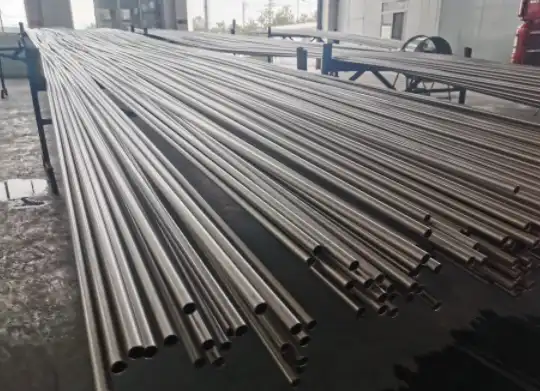
When engineers must prevent equipment failure in harsh operating environments, material selection becomes critically important. ASTM B444 Inconel 625 tube is the industry standard for seamless nickel-chromium-molybdenum tubing designed for applications requiring exceptional corrosion resistance and high-temperature stability. Manufactured in accordance with stringent industry standards, this nickel-based superalloy tubing delivers reliable performance in demanding environments such as nuclear power systems, offshore oil platforms, chemical processing plants, and aircraft engine applications where long-term reliability is essential.
Understanding ASTM B444 Inconel 625 Tube Specifications and Properties
Before choosing a material, it's important to know what makes this seamless tubing truly different from other stainless steel options. The ASTM B444 standard describes cold-worked seamless tube products made from the UNS N06625 alloy. It sets exact requirements for the alloy's chemical make-up, mechanical qualities, and size variations to make sure that the products always work well in tough industrial settings.
Chemical Composition and Alloy Balance
The effectiveness of Inconel 625 tubing comes straight from the way its chemicals are carefully balanced. With chromium levels between 20 and 23.0%, molybdenum levels between 8 and 10 percent, and niobium levels between 3.15 and 4.15%, this material has a unique structure. The high nickel content makes the material very resistant to rust, and the chromium forms a passive oxide layer that stops oxidation at high temperatures. Niobium strengthens solid solutions, making them stronger without losing their ability to bend. Molybdenum makes them more resistant to pitting and crevice rust in chloride settings. This combination of elements makes a metal that stays strong in places where other materials break down quickly.
Mechanical Properties and Temperature Performance
Purchasing managers can better match the powers of materials to the needs of applications when they understand mechanical specs. ASTM B444 Inconel 625 tube, specifically seamless Inconel 625 tubes made according to ASTM B444 standards, have a minimum tensile strength of 827 MPa, a yield strength of 414 MPa, and can stretch more than 30%. These qualities stay the same over a wide temperature range, from very cold temperatures (cryogenic) to service temperatures close to 1000°C. The alloy keeps its mechanical strength in places where austenitic stainless steels lose their ability to hold weight and titanium alloys start to rust quickly. This temperature stability is very important in places like gas engine exhaust systems and steam generator tubes, where materials are stressed over and over again by thermal cycling.
Corrosion Resistance Profile
When used in harsh chemical conditions, nickel-chromium-molybdenum metals stand out because they don't rust. Chloride-ion stress-corrosion cracking is a problem that austenitic stainless steels have in naval and industrial settings, but Inconel 625 is almost completely resistant to it. Lab tests show that it has great resistance to pitting in still seawater, sulfide stress cracks in sour gas service, and intergranular rust after being exposed to high temperatures. This corrosion resistance profile helps facilities that work with superphosphoric acid, nuclear fuel recycling streams, and ocean platforms that deal with CO2-rich formation water last for decades without having to be replaced.
Heat Treatment and Manufacturing Standards
TSM Technology uses controlled heat treatment methods to get the best qualities out of materials. Our seamless tubes are solution-annealed at temperatures above 1093°C and then quickly cooled to create the best grain structure for resistant to creep and rust. When this way of making things is paired with cold drawing, tubes are made that have tight limits of ±0.1mm on the outside diameter and ±10% on the wall thickness. Each batch of products is fully certified, with ISO9001:2008, TÜV approval, and Material Test Certificates that meet EN10204.3.1 standards. This gives the paperwork needed for uses in space and nuclear power.
Critical Industry Applications of ASTM B444 Inconel 625 Tubes
Knowing where this superalloy tubing adds measured value helps buying teams make decisions about what materials to choose. The smooth construction and metallurgical qualities deal with specific failure modes that cost a lot of money in many industries.
Aerospace and Defense Manufacturing
Materials that are light, strong at high temperatures, and resistant to rusting are needed in aerospace uses. Jet engine makers use smooth ASTM B444 Inconel 625 tubes for fuel nozzle assemblies, exhaust duct systems, and afterburner parts. These tubes have to deal with burning gases that are over 800°C, as well as vibrations and changes in temperature. The metal can be welded, which lets you make complicated manifolds, and it doesn't rust, which stops scales from forming that could block small-diameter openings. Defense companies use these tubes in military aircraft and systems that power missiles, where the reliability of the materials directly affects the success of the task. The seamless structure gets rid of the weld gaps that break when thrust loads and heat stress are applied.
Oil, Gas, and Petrochemical Processing
Operators of refineries and managers of offshore platforms are constantly exposed to acidic conditions that break down normal materials very quickly. Seamless ASTM B444 Inconel 625 tube is used in important places, like sour gas service pipes, where hydrogen sulfide and carbon dioxide can cause sulfide stress cracks. Heat exchanger tube bundles made of Inconel 625 can handle the toxic effects of acidic crude oil fractions when they are being distilled. To keep their hydraulic integrity at ocean depths, offshore underwater control line systems depend on this material's ability to fight corrosion by seawater and keep its tensile strength. Chemical companies that make chlorine, hydrochloric acid, and other strong chemicals use these tubes for the inside of reaction vessels and transfer pipes, where rust products could get into the product and make it less pure.
Marine and Offshore Engineering
Shipbuilders and companies that make naval tools choose materials carefully to protect their products from the seawater's constant corrosive effects. Nickel-chromium-molybdenum tubing is used in seawater cooling systems on both military and business ships. It is better at resisting biofouling, erosion-corrosion, and crevice corrosion than copper-nickel or titanium tubing. Operators of desalination plants choose smooth Inconel 625 tubes for high-pressure reverse osmosis and multi-stage flash evaporators where salt levels are very high. Because the material doesn't pit in still waters, upkeep can be put off longer and costs are lower over its lifetime than with stainless steel, where tubes need to be replaced more often.
Power Generation and Energy Equipment
Engineers at power plants choose materials based on how well they can handle high-pressure steam, changing temperatures, and changes in the chemistry of water. In nuclear power plants, seamless nickel-alloy tubing is used in steam generator systems. The main coolant, which contains boron and lithium, comes into touch with the tube surfaces at temperatures above 300°C. In thermal power plants, these tubes are used in the superheater and reheater sections, where steam temperatures are getting close to the design limits of regular ferritic steels. New concentrated solar power plants need this material for heat transfer fluid systems that work at temperatures where molten salts would quickly eat away at stainless steel. This metal is a good choice for next-generation energy systems because it is strong at high temperatures, doesn't rust, and works with a wide range of heat transfer surfaces.
Decision-Making Guide: How to Choose ASTM B444 Inconel 625 Tubes for Your Project
When choosing a material, it's important to match the alloy's properties to the way it will be used while also taking performance needs and project limitations into account. Engineering teams can find their way around the complicated process of buying seamless tubing with the help of an organized review process.
Evaluating Application Requirements
The working environment factors that determine material choice should be made clear in the project specifications. The alloy's high-temperature qualities are needed based on its temperature exposure, which includes both steady-state and transient thermal cycles. Corrosive media properties, such as pH, chloride content, oxidizing or reducing conditions, and the presence of sulfur compounds, determine how resistant something needs to be to corrosion. Minimum strength requirements are set by pressure ratings and mechanical loads. System design and manufacturing methods determine the necessary ductility and weldability. The expert team at TSM Technology helps customers match these application factors to the properties of the material. This makes sure that the type of tubing chosen meets the needs of the project without being too specific.
Comparing Standards and Alloy Grades
Knowing the differences between standards that are similar helps you avoid mistakes in buying and problems with compatibility. ASTM B444 Inconel 625 tube talks about cold-worked seamless tubes, and ASTM B704 and ASTM B705 talk about welded pipe and tube uses that don't need seamless construction. When you compare Inconel 625 to other metals, such as Inconel 600, you can see how cost and performance are affected by each other. Inconel 600 is cheaper and has good protection to oxidation, but it doesn't have the molybdenum ingredient that makes it stronger and less likely to pit. While Hastelloy C-276 is very resistant to rust in some chemical conditions, it is more expensive and harder to find. These comparisons help procurement managers choose the best materials based on the types of rust and weather conditions that their equipment will be exposed to over its lifetime.
Customization Options and Lead Times
Customers can choose tubes that are exactly what they need for their assembly because manufacturers are flexible. We can make things with outer sizes from 6mm to 114mm and wall thicknesses from 0.5mm to 15mm. For special uses, we can also make things to your exact measurements. Different installation and cleaning needs can be met by surface finishing like annealed and pickled, bright annealed, or polished. With a monthly production capacity of up to 200 tons and shipping times of 5 to 20 days, we can handle both small quantities for testing prototypes and big quantities for production projects. Customers can meet tight project deadlines with this level of response without sacrificing material quality or certification standards.
Procurement Insights: Sourcing ASTM B444 Inconel 625 Tubes Globally
Not only do strategic sourcing choices affect the original cost of materials, but they also affect the long-term success of a project by making sure that quality is consistent, supplies are reliable, and technical help is available. Knowing how buying works helps sellers get the best relationships with suppliers.
Identifying Certified Suppliers
Quality control starts with making sure the provider is qualified and that their credentials are valid. ISO9001:2008 certification shows that quality management is done in a planned way, and TÜV approvals show that manufacturing methods and product accuracy have been checked by a third party. Material Test Certificates that meet EN10204.3.1 standards list the chemical make-up, mechanical properties, and measurements of each production lot. This makes it possible for aircraft and nuclear uses to keep track of the materials. When you buy from integrated makers like TSM Technology, you don't have to pay markups to middlemen. Instead, you get direct access to technical knowledge and production capacity. Our 60,000㎡ building has over 100 precise machines, including vacuum arc remelting furnaces, 2500-ton forging presses, and furnaces for remelting raw materials. This gives us full control over the whole production chain, from melting the raw materials to inspecting and packing the finished goods.
Understanding Market Dynamics
The prices of nickel alloys, such as ASTM B444 Inconel 625 tube, are affected by the rates of nickel and molybdenum on the world's metal markets. Knowing about the market helps procurement teams plan when to buy things and set up contracts that keep prices stable while giving suppliers a lot of freedom. The process of making seamless tubes needs special tools and knowledge of metals, which limits the number of qualified sellers around the world and raises the risk of supply concentration. Having ties with financially stable makers who have enough production capacity lowers these risks and makes sure that projects that last more than one year have a steady supply of goods. Logistics issues in a certain area, like import taxes, shipping times, and the cost of keeping goods on hand, affect the total cost of ownership in ways that go beyond the initial buy price.
Logistics and After-Sales Support
A successful procurement process includes more than just delivering goods; it also includes professional help and the ability to solve problems. Coordinating minimum order quantities, packaging methods, and shipping plans is needed to keep things from getting damaged in transport and to get the best freight rates. TSM Technology offers full support after the sale, including information on the properties of materials, suggestions for manufacturing, and help with fixing problems that come up during field installation. Our expert team works with customers to solve problems that come up during the project, such as qualifications for the welding process, heat treatment needs, and quality paperwork needs.
Future Trends and Innovations in ASTM B444 Inconel 625 Tube Applications
By planning ahead for changes in the market and new technologies, procurement strategies can keep their competitive edge and organizational freedom. Several trends that are coming together are changing how different businesses use high-performance nickel metals.
Advanced Manufacturing Technologies
Nickel-alloy parts can be designed in more ways thanks to methods like additive production and powder metallurgy. Traditional seamless tube production is still used for most uses, but new technologies are making it possible to make complicated geometries and improve properties in specific areas. These improvements in making work well with regular tubes to make hybrid systems that get the best performance while keeping costs low. Nickel-chromium-molybdenum alloys are becoming more consistent and can do more, thanks to changes in vacuum melting and quality control technologies. This lets them be used in more difficult situations.
Emerging Market Opportunities
As the world moves toward sustainable energy sources, there is a greater need for high-performance materials in sites that use concentrated solar power, geothermal systems, and green hydrogen production. In these uses, materials are put in heat transfer fluids that are corrosive, high-temperature steam, and harsh chemical conditions. They need nickel-based superalloys that are resistant to rust and stable at high temperatures, such as ASTM B444 Inconel 625 tube. Marine corrosion is a problem for offshore wind installations, especially mobile platforms in deep water. This is similar to problems found in oil and gas installations, which is why known materials like Inconel 625 are used. When the chemical industry spends money on carbon capture systems and environmentally friendly ways to make chemicals, the choice of materials used has a direct effect on how well the process works economically and environmentally.
Supply Chain Evolution
Strategic inventory placement, multiple sourcing relationships, and digital procurement tools that make things more clear and quick are all things that manufacturers are doing to make their supply chains more stable. As supply chain tracking and environmental sustainability approval become more important, they change the way suppliers are chosen in ways other than quality and price. TSM Technology has been in business for 14 years and has the experience and combined production skills to meet these changing needs while still providing the responsiveness and technical support that is needed for project success.
Conclusion
The ASTM B444 Inconel 625 tube has been used successfully in the aircraft, petrochemical, marine, and power production industries for important tasks where failure of the material would have terrible results. The nickel-chromium-molybdenum design that is seamless is very resistant to rust and stable at high temperatures. It also has good mechanical qualities that make it a good choice for the harshest conditions. Strategic purchasing choices that take into account seller certification, production skills, and expert support resources help the project succeed after the materials are delivered. High-performance metals are finding new uses in industries that are changing all the time because new technologies and environmental concerns are changing the needs for materials.
FAQ
1. What distinguishes ASTM B444 tubes from welded alternatives?
ASTM B444 has specific rules for seamless cold-worked tubes. These tubes don't have any weld gaps, which can fail under pressure, temperature cycling, or chemical attack. Welded tubes that meet ASTM B704/B705 standards may be enough for lower-stress uses, but seamless construction is more reliable in high-pressure and high-temperature situations where weld integrity issues could make the service less safe.
2. Can these tubes withstand both oxidizing and reducing environments?
The proper alloy makeup makes it useful in a wide range of chemical environments. When the environment is oxidizing, the chromium content creates protective oxide layers. In reducing acids and chloride-containing liquids, the molybdenum content increases protection. Because it can do two things at once, the material can be used in complicated chemistry processes that need to work in a variety of situations.
3. How does material cost compare to performance benefits?
Nickel-based superalloys cost more to make than stainless steel options at first, but lifetime cost analysis usually supports their use in harsh or high-temperature settings. Longer service life, less frequent upkeep, and fewer unplanned shutdowns all save a lot of money that more than covers the initial material costs. This is especially true in important uses where failure would have very bad results.
Source High-Performance Inconel 625 Tubes from TSM Technology
TSM Technology offers factory-direct ASTM B444 Inconel 625 tube options that are backed by more than a decade of excellent manufacturing and a wide range of quality standards. Our unified production center has vacuum arc remelting furnaces and precise cold-drawing tools, which make sure that all of our orders have the same material qualities and measurements. Materials engineers and procurement directors can choose from tubes with an outer diameter of 6–114 mm and wall thicknesses of 0.5–15 mm. These tubes are supported by ISO9001:2008 and TÜV certifications that meet the strict needs of aerospace, petrochemical, and power generation applications. As an experienced Inconel 625 tube manufacturer that serves customers around the world, we offer quick shipping times of 5 to 20 days and full expert help throughout the entire lifecycle of your project. Email our team at info@tsmnialloy.com to talk about your unique application needs and get thorough specifications that are made to fit your needs.
References
1. American Society for Testing and Materials. "ASTM B444 Standard Specification for Nickel-Chromium-Molybdenum-Columbium Alloys and Nickel-Chromium-Molybdenum-Silicon Alloy Seamless Pipe and Tube." ASTM International Standards, West Conshohocken, PA, 2021.
2. Special Metals Corporation. "INCONEL Alloy 625 Technical Data Sheet." Special Metals Technical Bulletin, 2020.
3. Davis, J.R. "Nickel, Cobalt, and Their Alloys." ASM Specialty Handbook, ASM International, Materials Park, OH, 2000, pp. 265-289.
4. Mankins, W.L. and Lamb, S. "Nickel and Nickel Alloys," ASM Handbook Volume 2: Properties and Selection of Nonferrous Alloys and Special-Purpose Materials, ASM International, 1990, pp. 428-445.
5. Crum, J.R., Adkins, G.E., and Hibner, E.L. "Corrosion Resistance of Nickel-Chromium-Molybdenum Alloys in Chemical Process Environments." Materials Performance, NACE International, Houston, TX, Vol. 29, No. 4, 1990, pp. 54-59.
6. Sourmail, T. "Precipitation in Creep Resistant Austenitic Stainless Steels and Related Alloys." Materials Science and Technology, Institute of Materials, Minerals and Mining, London, Vol. 17, No. 1, 2001, pp. 1-14.
Learn about our latest products and discounts through SMS or email