- English
- French
- German
- Portuguese
- Spanish
- Russian
- Japanese
- Korean
- Arabic
- Greek
- German
- Turkish
- Italian
- Danish
- Romanian
- Indonesian
- Czech
- Afrikaans
- Swedish
- Polish
- Basque
- Catalan
- Esperanto
- Hindi
- Lao
- Albanian
- Amharic
- Armenian
- Azerbaijani
- Belarusian
- Bengali
- Bosnian
- Bulgarian
- Cebuano
- Chichewa
- Corsican
- Croatian
- Dutch
- Estonian
- Filipino
- Finnish
- Frisian
- Galician
- Georgian
- Gujarati
- Haitian
- Hausa
- Hawaiian
- Hebrew
- Hmong
- Hungarian
- Icelandic
- Igbo
- Javanese
- Kannada
- Kazakh
- Khmer
- Kurdish
- Kyrgyz
- Latin
- Latvian
- Lithuanian
- Luxembou..
- Macedonian
- Malagasy
- Malay
- Malayalam
- Maltese
- Maori
- Marathi
- Mongolian
- Burmese
- Nepali
- Norwegian
- Pashto
- Persian
- Punjabi
- Serbian
- Sesotho
- Sinhala
- Slovak
- Slovenian
- Somali
- Samoan
- Scots Gaelic
- Shona
- Sindhi
- Sundanese
- Swahili
- Tajik
- Tamil
- Telugu
- Thai
- Ukrainian
- Urdu
- Uzbek
- Vietnamese
- Welsh
- Xhosa
- Yiddish
- Yoruba
- Zulu
What are the Typical Applications of Nickel 200 Tubes?
Nickel 200 tube is used in places where other metals wouldn't work. This highly pure nickel alloy contains 99.6% nickel and performs well in food production systems, chemical processing plants, and seawater desalination units. It is very resistant to caustic alkalies and has great thermal conductivity and mechanical strength from cryogenic temperatures up to 600°C. This makes it essential for moving corrosive fluids, for heat-exchange operations, and for supporting structures in harsh industrial settings where material reliability directly affects safety and efficiency.
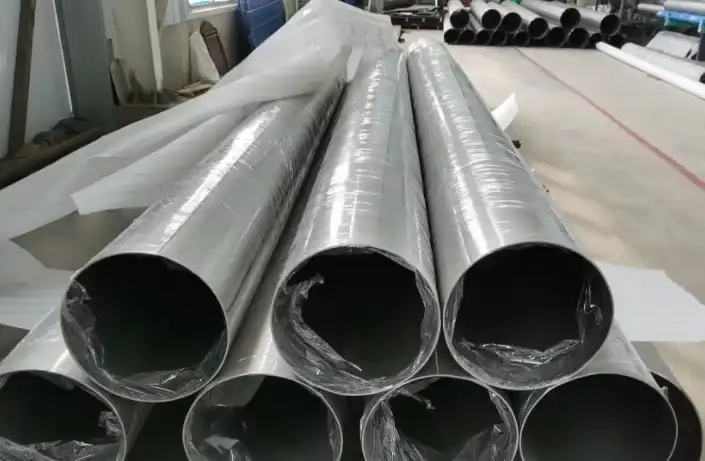
Understanding Nickel 200 Tubes: Properties and Production
Composition and Crystal Structure
We make Nickel 200 tubes at TSM Technology. It has a face-centered cubic (FCC) crystal structure that makes it very flexible and easy to shape. Nickel makes up at least 99.6% of the material, along with copper, iron, manganese, silicon, carbon, and sulfur in small amounts. This very pure mixture makes a steady passivation film on the surface. This forms a shield that keeps corrosive media from getting into the base material. The FCC structure of the material lets it keep its mechanical stability at temperatures ranging from -196°C to 600°C, meeting the needs of uses that need to work at low temperatures or high temperatures.
Manufacturing Process and Quality Standards
Our production process starts with precise melting methods that make sure that every batch has the same makeup. Depending on the application needs and size requirements, the Nickel 200 tube is either made without any seams or by welding them together. The grain structure is improved by hot working, and the mechanical properties and accuracy of the measurements are improved by cold working. We follow international rules like ASME SB-161, SB-730, SB-163, SB-751, ASTM B730, B725, and B160-163, as well as European rules like BS 3072–3076 and DIN 17740–17754. Prior to leaving our plant, every tube goes through strict checks to make sure it meets the requirements set by procurement directors and quality assurance teams for regular wall thickness, surface finish quality, dimensional tolerances, and material certification tracking.
Key Physical and Thermal Properties
Nickel 200 tubing has a thermal conductivity of 61.8 W/m·K at 20°C, which makes it easy for heat to move through exchangers. The material has an electrical resistivity of 0.48 µ·m, which meets the needs of tools used to make electronics and semiconductors. Because it is not magnetic, it can block electromagnetic waves, which is useful in some types of instruments. High ductility and great weldability work together to let makers make complicated shapes and strong joins without lowering the material's corrosion resistance. Because of these physical properties, the material can be used in a variety of technical problems that need to be solved with chemical stability and heat performance.
Typical Industrial Applications of Nickel 200 Tubes
Chemical Processing and Alkali Handling
For handling sodium hydroxide solutions, chemical plants depend on pure nickel tubing a lot. This is especially true at temperatures and concentrations above 300°C, where stainless steel types quickly break down. In caustic evaporator systems, alkali production lines, and chlor-alkali manufacturing processes, the material shows great strength. For example, refineries use these tubes to make aniline hydrochloride and chlorinate aliphatic fuels like methane, ethane, and benzene. The tubing keeps its shape even when it's in reducing environments and neutral salt solutions. This makes the equipment last longer and cuts down on unexpected repair shutdowns that mess up production plans and hurt profits.
Aerospace and Defense Systems
Nickel 200 tubing is used by aerospace OEMs and component manufacturers in places where corrosion protection and mechanical reliability are both important, like in fuel delivery systems, hydraulic lines, and environmental control parts. The material works well at temperatures ranging from very cold to very hot, so it can be used on airplanes that fly at very different altitudes. The metal is resistant to many fluids and gases that are found in propulsion systems and extra power units, which is useful for defense purposes. Materials engineers choose this tubing for uses that need to be certified to meet aerospace standards, machined consistently for precision fitting assemblies, and come with full material traceability documentation that helps with quality auditing and airworthiness approvals throughout the lifecycle of a component.
Marine and Offshore Environments
The salty air in the ocean is always a problem for shipbuilders and companies that make marine equipment. Regular materials can rust, split, and crack from stress corrosion. Nickel 200 tubes consistently work well in desalination plants, condensers, and seawater pipe systems on ships and offshore bases. The material doesn't rust in chloride-containing water and keeps its mechanical strength even when it's being shook by waves and the pressure changes. Marine engineers use these tubes for long-term projects where failure of the material could put the safety of the ship at risk or require expensive fixes in dry dock. At TSM Technology, we keep our supply chain stable so that buyers of materials for projects can be sure that materials will always be available during building phases that last for years.
Electronics and Semiconductor Manufacturing
Nickel 200 tubing is used in semiconductor processing equipment in the electronics industry. Its high purity standards keep sensitive production areas from getting dirty. The substance is used in systems for chemical vapor deposition, coolant lines for etching equipment, and gas supply pipelines. Because it conducts electricity well, it can be used in connectors, lead lines, and thermocouple safety tubes. Because it isn't magnetic, it doesn't get in the way of precision measuring tools or processes that are sensitive to magnetic fields. Manufacturers like the material because it works with ultra-high vacuum systems and can keep its surface clean after being cleaned several times. This means it meets the strict standards for contamination control that are required in modern chip production facilities.
Food and Pharmaceutical Industries
Nickel 200 tubing is used by food makers and drug producers because it meets hygiene standards and doesn't rust when cleaned with chemicals or processed through media. The substance can handle cleaning solutions that are alkaline, steam sterilization cycles, and food-grade acids without releasing metals ions that could make the product less pure. Evaporator tubing is used in the handling of cheese, heat exchangers are used in the production of drinks, and transfer lines are used in systems that clean with acids. The smooth surface finish on our tubes makes it easier to clean and lowers the chance that germs will stick to them. Validation standards in these highly controlled businesses are met by following FDA material rules and being able to provide full material certification paperwork.
Energy and Power Generation Equipment
Pure nickel tubing is used in thermal power plants, nuclear reactor cooling systems, and projects that use green energy. The material is used in boiler feedwater systems, steam condensers, and heat recovery units, all of which need to be able to fight rust over time in order to work reliably. The metal is good for nuclear uses because it can handle high-purity water at high temperatures and doesn't react badly with radiation. Nickel 200 is being looked at by project engineers and materials experts for backup cooling loops, spent fuel pool systems, and extra process pipes. The material has a history of reliable performance in high-stakes situations, which gives builders faith in projects where failure could lead to long power cuts, environmental damage, or problems with safety systems.
Procurement Insights: How to Buy Nickel 200 Tubes Efficiently
Pricing Variables and Cost Considerations
Pricing is based on three main factors: material grade certification, dimensional requirements, and order number. Due to the difficulty of production and the need to make better use of materials, seamless tube usually costs more than welded construction. Specifications for wall thickness, outside diameter, and length affect production prices by affecting the amount of material needed and the time needed to handle it. By optimizing production runs and reducing the amount of setup time needed per unit, volume agreements make it possible to get better prices. Pricing is based on the amount of quality paperwork, which can be anything from mill test records to full material traceability with third-party verification. At TSM Technology, we give clear quotes that include all of these cost factors. This helps buying directors make accurate budgets and compare competing products based on similar specifications instead of comparing products that are not the same.
Lead Times and Order Quantities
Standard sizes that are in stock make it possible to complete orders quickly, in days instead of weeks, including for Nickel 200 tube. Custom specs that need dedicated production runs make wait times longer because of where the parts are in the manufacturing line and when they need to be bought. Minimum order numbers show the smallest economic batch sizes that keep setup costs and inventory holding costs in balance. Strategic buyers plan ahead for their needs by signing yearly contracts or blanket purchase orders with set release dates. This makes sure that capacity is allocated correctly and prices stay stable across fiscal periods. During the planning stages of a project, we keep in touch with the materials engineers to get lead time information that helps us make realistic schedules. When production capacity allows, emergency requests are handled more quickly. However, rush service usually comes with higher freight and priority charges that show how much it really costs to speed up the plan.
Supplier Certification and Quality Assurance
Suppliers you can trust keep certifications like ISO 9001 for quality management systems, ASME for pressure tank materials, and approvals specific to your business like NORSOK for offshore uses or NADCAP for aircraft parts. Material certificates should include a study of the material's chemical make-up, its mechanical properties, and data from dimensional inspections that can be linked to particular production lots. Third-party inspection services offer impartial confirmation for important tasks where performance has a direct effect on safety or following the rules. International certification groups check TSM Technology's quality systems on a regular basis. This gives QA teams the detailed paperwork they need for their approval processes. Our inspection procedures make sure that products meet the requirements of the specifications before they are shipped. This makes it easier for receiving inspectors to do their jobs and helps just-in-time delivery programs, which lower the cost of keeping inventory.
Strategic Sourcing and Supply Chain Management
Global buying hubs like the USA, China, and Germany have clear benefits when it comes to price, technical support, and logistics. When you do business with a domestic source, it's easier to communicate because you speak the same language and know how to run a company. Asian makers often offer competitive pricing models that take into account the region's lower costs and larger production volumes. European sources are close to companies that make tools for chemical processing and aircraft. Cost optimization and supply chain stability are both important in diverse supply methods, which use multiple sources from different parts of the world to lower the risk of disruption. OEM relationships let customers make changes, like setting exact size limits, surface finish needs, and private labeling for wholesalers who add value. We help bulk buyers by offering vendor-managed inventory programs, barter arrangements, and integrated supply agreements that make it easier to buy things and make sure that materials are available at the right time for production plans.
Advantages of Choosing Nickel 200 Tubes in Your Projects
Choosing the right tube materials has a big impact on the success of a project because they affect how reliable the equipment is, how much upkeep it needs, and how much it costs over its entire life. Knowing the specific benefits Nickel 200 offers in industrial settings helps people make choices that match the qualities of materials with the needs of operations.
Nickel 200 is resistant to rust in a wide range of conditions, including caustic alkalies, neutral salt solutions, and reducing acids, where many other materials break down quickly. This chemical stability makes equipment last longer, so it doesn't need to be replaced as often and production doesn't have to stop as often when equipment fails because of rust. When exposed to sodium hydroxide at levels and temperatures that are known to be very bad for stainless steels and other popular metals, the material keeps its shape.
The thermal performance features help heat move efficiently in heat exchangers while keeping the mechanical traits stable at high and low temperatures. From very cold temperatures in liquid gas systems to high temperatures in steam and process heaters, the material always works as it should. This ability to work in a range of temperatures means that materials don't need to be changed for systems that work in different temperatures. This makes inventory management easier and lowers the engineering complexity in facilities that provide more than one service.
High ductility and great toughness are two mechanical qualities that make installation easier and allow for the thermal expansion, vibration, and pressure cycles that happen in working systems. Nickel 200 tube provides these qualities. Because the material is easy to shape, it can be used to make complicated routing patterns and tight-radius bends without worrying about wall thinning or cracking, which could make pressure control less effective. Weldability lets you make solid joints using standard methods, which supports field repairs and changes for the whole life of the equipment.
A cost-effectiveness study must look at more than just the initial cost of buying the product. It must also look at the total costs of ownership, such as installation work, upkeep frequency, replacement intervals, and lost production during unplanned outages. Metals like Nickel 200 cost more up front than common materials, but they usually have better lifetime economics because they last longer and need less upkeep. This material investment is especially helpful for projects that use harsh chemicals or are important to a service, since failure would have far-reaching effects that are far greater than the extra material costs.
Following international material standards like ASTM, ASME, and similar European standards makes sure that the product is accepted all over the world and makes it easier for foreign projects to buy materials across borders. The large database of material properties and many years of service experience give engineers faith in new applications and help with the regulatory approval process in industries that are regulated by the government. Material tracking paperwork meets the needs of quality assurance and lets failures be looked into in case unexpected service problems happen.
Conclusion
Nickel 200 tubes solve important material problems in the aircraft, marine, electronics, food production, power generation, and chemical processing businesses. The alloy is known to be resistant to caustic alkalies, work well at high temperatures, and be reliable mechanically. These qualities add value by making equipment last longer and requiring less upkeep. When you do effective buying, you balance the features of the material with the needs of the application. You also look at the costs over its entire life, rather than just the price of acquisition. When engineering teams know the differences between Nickel 200 and other materials, they can make specs that fit the material's capabilities to its real working conditions. As long as businesses want their process equipment to work better and last longer between repairs, commercially pure nickel tubing will be an important material choice for tough conditions where regular metals don't work well.
FAQ
1. Which Industries Use Nickel 200 Tubes Most Frequently?
Chemical processing plants are the biggest users of these tubes. They use them to move caustic soda, make chlor-alkali, and make synthetic fibers. The aerospace and defense industries choose the material for fuel systems and hydraulic lines that need to be resistant to rust and reliable mechanically. Nickel 200 is used in desalination plants and onboard systems that are open to seawater. It is important to the marine and offshore businesses. Electronics companies put the tubes in equipment used to handle semiconductors, where high purity standards keep pollution from happening. This material is chosen by food and drug companies because it works well with cleaning products and paperwork that shows they are following the rules.
2. How Does Nickel 200 Compare to Other Nickel Alloys in Corrosion Resistance?
When it comes to lowering conditions and caustic alkali solutions, Nickel 200 works better than higher-alloy formulas. The substance isn't very good at resisting reactive acids like nitric acid; metals like Hastelloy C-276 are better at this. Copper additions make Monel 400 stronger and more resistant to seawater, while Inconel types are better at resisting rusting at high temperatures. To choose the right material, you can't just assume that a bigger alloy content means better performance; you have to match the alloy's properties to the process chemistry. Corrosion testing with real process fluids helps choose the best materials for important uses.
3. What Certifications Should I Verify When Purchasing Nickel 200 Tubes?
The chemical makeup of the material should be confirmed in test results to meet ASTM B160/B161 standards, with a nickel level of at least 99.6%. Tensile strength, yield strength, and elongation numbers are checked by mechanical property verification. The outside diameter, wall thickness, and length requirements are confirmed by dimensional measurement paperwork. ASME certification is needed for uses that need to follow the rule, like pressure vessels and boilers. Depending on the end-use, approvals specific to the industry may be needed, such as NORSOK for marine service or NADCAP for aircraft parts. When a seller gets ISO 9001 approval, it means that their quality management systems meet international standards for controlling processes and keeping records.
Partner with TSM Technology for Your Nickel 200 Tube Requirements
TSM Technology has been a reliable seller of nickel alloys for 14 years, working with materials engineers, procurement leaders, and maintenance teams in the aerospace, chemical processing, marine, and power generation industries. We have a large stock of Nickel 200 tubes that are seamless and welded, and they come in round, square, and rectangular shapes. They are made to strict ASTM and ASME standards and come with full paperwork that shows where the materials came from. Because we know how important your projects are, we offer expert support that helps you match the qualities of materials to the way they will be used. Our quality control tools make sure that every tube meets the standards for certification. This makes getting inspections easier and helps your just-in-time production schedules. Email our team at info@tsmnialloy.com to talk about your needs, get thorough quotes, or ask for samples of our products. Visit tsmnialloy.com to see all of our products and learn how our knowledge of high-quality nickel alloys can help you make your equipment more reliable and improve the way it works.
References
1. ASTM International. "ASTM B160-20: Standard Specification for Nickel Rod and Bar." Annual Book of ASTM Standards, Section 2, Volume 02.04, 2020.
2. Davis, J.R., editor. "Nickel, Cobalt, and Their Alloys." ASM Specialty Handbook, ASM International, Materials Park, Ohio, 2000.
3. Rebak, R.B. "Nickel Alloys for Corrosive Environments." Advanced Materials & Processes, Volume 168, Number 2, ASM International, February 2010, pp. 37-43.
4. American Society of Mechanical Engineers. "ASME SB-161: Specification for Nickel Seamless Pipe and Tube." ASME Boiler and Pressure Vessel Code, Section II, Part B, 2021 Edition.
5. Kiser, S.D., et al. "Corrosion Resistance of Nickel and Nickel-Containing Alloys in Caustic Solutions." Corrosion Engineering Handbook, Second Edition, CRC Press, 2012, Chapter 8, pp. 289-326.
6. Shreir, L.L., Jarman, R.A., and Burstein, G.T., editors. "Corrosion of Nickel and Nickel-Base Alloys." Corrosion Volume 1: Metal/Environment Reactions, Third Edition, Butterworth-Heinemann, Oxford, 1994, pp. 1:170-1:215.
Learn about our latest products and discounts through SMS or email