- English
- French
- German
- Portuguese
- Spanish
- Russian
- Japanese
- Korean
- Arabic
- Greek
- German
- Turkish
- Italian
- Danish
- Romanian
- Indonesian
- Czech
- Afrikaans
- Swedish
- Polish
- Basque
- Catalan
- Esperanto
- Hindi
- Lao
- Albanian
- Amharic
- Armenian
- Azerbaijani
- Belarusian
- Bengali
- Bosnian
- Bulgarian
- Cebuano
- Chichewa
- Corsican
- Croatian
- Dutch
- Estonian
- Filipino
- Finnish
- Frisian
- Galician
- Georgian
- Gujarati
- Haitian
- Hausa
- Hawaiian
- Hebrew
- Hmong
- Hungarian
- Icelandic
- Igbo
- Javanese
- Kannada
- Kazakh
- Khmer
- Kurdish
- Kyrgyz
- Latin
- Latvian
- Lithuanian
- Luxembou..
- Macedonian
- Malagasy
- Malay
- Malayalam
- Maltese
- Maori
- Marathi
- Mongolian
- Burmese
- Nepali
- Norwegian
- Pashto
- Persian
- Punjabi
- Serbian
- Sesotho
- Sinhala
- Slovak
- Slovenian
- Somali
- Samoan
- Scots Gaelic
- Shona
- Sindhi
- Sundanese
- Swahili
- Tajik
- Tamil
- Telugu
- Thai
- Ukrainian
- Urdu
- Uzbek
- Vietnamese
- Welsh
- Xhosa
- Yiddish
- Yoruba
- Zulu
Benefits of Incoloy 800 Tubing in High-Temperature Applications
It's important to make the right choice when your operations need materials that won't break down in harsh environments like high heat and corrosion. Nickel-iron-chromium alloy Incoloy 800 tube stands out because it was designed to work in high-temperature areas where both thermal stability and rust protection are essential. At temperatures close to 1100°C, this superalloy keeps its structural integrity and mechanical qualities. This makes it an essential material for aircraft engine parts, industrial heat exchangers, power generation boilers, and naval systems that are exposed to harsh conditions. The balanced makeup of the material makes it very resistant to oxidation, carburisation, and stress-corrosion cracking. These properties directly lead to longer service life, shorter maintenance intervals, and higher operational safety in demanding industrial settings.
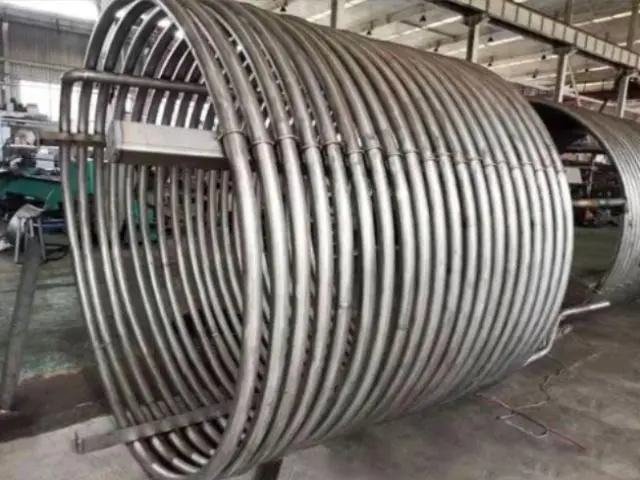
Understanding Incoloy 800 Tubing: Key Properties That Ensure Performance
Chemical Composition: The Foundation of Heat Resistance
Nickel-iron-chromium tubing works well because the elements that make it up are carefully adjusted. About 30–35% of Incoloy 800 is nickel, 19–23% is chromium, and the rest is iron. Aluminium, titanium, and carbon are added in small amounts. Each element has a specific job to do. Nickel gives the metal the thermal stability it needs to work at high temperatures for a long time, chromium makes an oxide layer that protects against chemical attack, and iron keeps the structure strong while keeping costs low. This mix makes a material that doesn't break down easily in places where normal metals would fail quickly.
The managed carbon content stops carbide from forming during welding and heat treatment, so the grain borders stay resistant to rust. Adding aluminium and titanium makes it even more resistant to oxidation by creating stable oxide films at high temperatures. This mechanical design makes sure that the tube works the same way whether it is exposed to sulphuric acid in a factory, chloride-filled air in the ocean, or high temperature changes in space uses.
Mechanical Strength Under Thermal Stress
High-temperature metal tubing needs to have consistent mechanical qualities over the course of its useful life. At room temperature, the tensile strength of Incoloy 800 is between 450 and 650 MPa, and the yield strength is between 170 and 310 MPa. Even better, the metal stays very strong at high temperatures, which is very important for parts that work under pressure in furnaces, heat exchanges, and power generation equipment.
Because the material is flexible, it can be shaped by bending, shaping, and soldering without breaking or concentrating stress. This ability to be worked with is very important during installation in complicated shapes like ethylene furnace cooling systems or nuclear steam generator tube bundles. The metal keeps its creep resistance, which means it doesn't bend under long-term load at high temperatures. This has a direct effect on how long parts last when they are used all the time.
Temperature Capabilities and Oxidation Resistance
The range of useful applications for a metal is limited by its operating temperature limits. Incoloy 800 can be used continuously up to about 1100°C without breaking. The 800H and 800HT versions (UNS N08810 and N08811) have higher creep-rupture strengths for longer periods of high-temperature contact. Because of this, the material is better than options made of stainless steel, which lose their strength above 800°C.
The chromium in Incoloy 800 tube creates a strong oxide layer that stops further rusting even when the temperature is changed. The protection film on nickel-iron-chromium metals stays in place and heals itself, unlike other materials that get flaky or scale oxide layers. This quality is very important in places where oxide spalling could lead to early failure or contamination, like in radiant tubes in heat treatment furnaces or combustion parts in power plants.
Why Incoloy 800 Tubing Excels in High-Temperature Applications?
Performance Advantages Over Conventional Materials
In places with a lot of heat and corrosion, the flaws in stainless steel and carbon steel become clear. Above 650°C, stainless steel types start to lose strength and oxidise more quickly. Carbon steel, on the other hand, suffers from fast scaling and changes in size. Incoloy 800 heat-resistant tubing keeps working well at a wider range of temperatures, so it doesn't need to be replaced as often and doesn't cause as much unexpected downtime.
When working with petrochemicals, equipment has to deal with both high temperatures and toxic chemicals at the same time. This is where the material's dual resistance really pays off. A refinery heat exchanger made of Incoloy 800 can last many more years than one made of stainless steel, with much longer periods between upkeep. This means that there will be fewer shutdowns, lower repair costs, and better production consistency. These are all things that buying teams and engineering managers look at when they figure out the total cost of ownership.
Cost-Effectiveness Compared to Premium Alloys
When looking at different types of superalloys, nickel-chromium tubing like Inconel has the best performance but costs the most. Incoloy 800 is a good middle ground because it offers strong protection to high temperatures and rust at a more reasonable price. The higher iron content of the alloy compared to Inconel grades lowers the cost of raw materials while keeping performance high enough for many demanding uses.
When hundreds of meters of tubes are needed for big projects like power plant heating systems or petroleum processing units, this cost benefit becomes very important. Directors of procurement can meet performance and design goals while also making the best use of their budgets. The material is easy to get and has well-established supply chains, which makes it even more useful for projects with short deadlines.
Manufacturing Quality and Dimensional Stability
The way TSM Technology makes things shows how important controlled handling is for getting stable material qualities. Our 3 plants, 8 production lines, and more than 100 high-tech tools make sure that every tube we make meets strict steel standards and size limits. The ASTM B163, ASTM B704, and ASTM B407 standards are followed when making Incoloy 800 tubes. They are certified with ISO 9001 and AS9100.
Precision cold drawing or continuous tube production is part of the manufacturing process. This is followed by a solution annealing heat treatment. This heat processing gets rid of any carbides that formed during production and makes sure that the tube wall has the same mechanical properties all the way through. After that, testing procedures include non-destructive examination, measurement verification, and mechanical property validation. These are quality checks that materials engineers and QA teams need for important chemical processing, nuclear, and aerospace applications.
Our factory makes Incoloy 800 tube with outside sizes from 6 mm to 114 mm and wall thicknesses from 0.5 mm to 15 mm. For custom shapes, the longest tube we can make is 15,000 mm long. Different types of applications can use this range, from small aeroplane parts to large industrial pipe systems. Customisation options let you choose exact sizes, finishes for the surface (like cleaning, brightness, and shining), and certification packages that fit the needs of your project.
Procurement Insights: How to Source High-Quality Incoloy 800 Tubing?
Supplier Qualification and Certification Requirements
Getting a solid source of materials starts with carefully evaluating the suppliers. Manufacturers with a good reputation keep certificates that show they follow international quality standards, such as ISO 9001 for quality management systems and AS9100 for aircraft uses. These certificates show that quality control, tracking, and methods for constant growth have been formed.
Each package should come with a material test certificate that shows the chemical makeup, which can be checked using spectrographic analysis, the mechanical qualities, which can be checked using tension testing, and the conformance to dimensions, which can be checked by inspection. Non-destructive testing methods, like ultrasound examination or eddy current testing, find problems inside or on the surface of something that could affect how well it works in important situations. Materials engineers should make sure that sources give them full paperwork packages that meet the needs of ASTM, ASME, or the project itself.
Since 2011, TSM Technology has been in more than 50 countries, which shows how committed we are to a reliable supply system and consistent quality. Our vertical integration gives us control over every step of the manufacturing process, from processing raw materials to inspecting produced goods. This way of doing things reduces variation as much as possible and gives buying teams faith that standards will be met regularly across multiple orders.
Customization Capabilities and Lead Time Management
To meet project deadlines, sellers often need to be able to meet specific size needs, surface finishes, or certification packages without taking too long. Manufacturers with a wide range of production options can offer setups that are seamless or soldered, different heat treatment conditions (800, 800H, or 800HT), and unique lengths or end preparations that meet the needs of the installation.
Our 300-ton monthly production capacity and 10- to 25-day normal delivery timeframe support project plans while letting you make changes to the specifications. Giving engineers free samples lets them try and confirm the materials in-house before placing large orders. This lowers the risk of qualification issues and makes sure the materials work with current systems. Delays that could affect project goals can be avoided by being clear about minimum order amounts, production schedules, and shipping processes.
Real-World Applications and Benefits of Incoloy 800 Tubing
Petrochemical and Refinery Operations
One of the main places where corrosion-resistant tubing is used is in refineries and chemical processing plants. Nickel-iron-chromium tubes are used in cracking furnaces where hydrocarbon feedstocks are cooked to temperatures close to 1100°C in places that make ethylene. Extreme heat and carburising atmospheres that would quickly break down stainless steel are not a problem for this material.
The metal in Incoloy 800 tube is resistant to sulphuric acid, hydrochloric acid, and substances that contain chloride, which is good for heat exchanges that deal with acidic process streams. This resistance keeps heat transfer working well and increases the life of the equipment by stopping corrosion-related fouling or tube wall thinning. Engineering managers say that operations are running better, with fewer repair shutdowns, fewer tube failures, and longer runs between turnarounds, all of which have a direct effect on the cost of production.
Power Generation and Energy Systems
High-temperature metal tubing is used in boilers, superheaters, and heat recovery steam generators at power plants. These parts deal with high steam temperatures and pressures, so they need materials that don't creep easily. These materials are used in nuclear power plants for steam generator tubes because they can handle high temperatures and don't rust in clean water. The material can be used in these controlled settings because it meets the standards and requirements for tracking in the nuclear business.
Heat-resistant tubing is used in receiver tubes and heat transfer systems that work at high temperatures in renewable energy systems, especially concentrated solar power sites. The temperature stability and rust resistance of the material help make green energy production more reliable and cost-effective.
Aerospace and Defense Applications
Superalloy tubing is used by aerospace companies in jet engines, exhaust systems, and environmental control parts that need to be light, strong, and resistant to high temperatures. The material can be easily shaped into the complicated shapes needed for small aircraft parts. Its mechanical qualities also make sure that the structure stays strong when it is subjected to shaking, temperature changes, and pressure loads.
For defence purposes, you need materials that can be tracked, have confirmed mechanical qualities, and have been used successfully in harsh conditions before. These needs are met by our AS9100 approval and strict quality control methods. This gives aircraft buying teams faith in the stability and performance of the materials they buy.
Marine and Offshore Environments
When ocean rust and high temperatures in engine exhaust systems, heat exchangers, and processing equipment come together, they create unique problems for shipbuilders and offshore platform owners. Monel metals are often used for parts that will be submerged in seawater, but nickel-iron-chromium tubing works better in situations where heat and acidic contact go together.
Marine engineers like the material because it doesn't crack easily when exposed to chloride, which is a type of failure that can happen to stainless steel parts without warning. The alloy's dependability under both heat and chemical stress conditions improves operating safety and makes servicing easier during remote operations where parts are hard to get to and replace.
Conclusion
The high temperature strength, rust resistance, and low cost of Incoloy 800 tubes make it a great choice for challenging industrial uses. The balanced makeup of the material makes it reliable in situations where regular metals don't work well. Its set manufacturing standards and easy access make it easy to get and use for projects. This nickel-iron-chromium metal has been used in industrial heat exchangers, aircraft engine parts, power generation boilers, and naval systems. Its value has been shown by its longer service life, lower upkeep needs, and higher level of safety. Heat-resistant tubing is a realistic option that has been used in industry for decades and is recommended by engineering teams and procurement professionals looking for materials that meet strict performance standards and have the lowest total cost of ownership.
FAQ
1.What range of temperatures can Incoloy 800 tube handle?
Incoloy 800 can be used continuously up to about 1100°C without breaking. The types 800H (UNS N08810) and 800HT (UNS N08811) have higher creep-rupture strengths for longer periods of time in high temperatures. The material keeps its functional qualities and resistance to rust over this temperature range. This means it can be used for furnace parts, heat exchanges, and power production equipment that is constantly exposed to high temperatures.
2.How does the price of Incoloy 800 relate to the price of Inconel?
Incoloy 800 is a good compromise between stainless steel and high-end nickel metals like Inconel. Its higher iron content lowers the cost of the material while still making it strong enough to withstand high temperatures and rust in a wide range of challenging situations. This cost advantage becomes important for big projects that need a lot of tubes. It lets buying teams meet performance standards while making the best use of their budgets.
3.Which fields get the most out of using Incoloy 800 tubing?
The main places where this product is used are petrochemical companies, power plants, rocket factories, and chemical processing plants. The material works very well in places with both high temperatures and corrosive conditions, like furnaces for cracking ethylene, boiler systems, turbine parts, and heat exchanges that handle strong chemical streams. It can be used in many different ways, which makes it useful in places like nuclear power plants, food processing plants, and sea systems where dependability is very important.
Partner with TSM Technology for Reliable Incoloy 800 Tube Supply
With more than 14 years of experience making superalloys, TSM Technology is the company you can trust to make your Incoloy 800 tubes. Our three plants and eight production lines, each with more than 100 high-tech tools, make sure that grades 800, 800H, and 800HT (UNS N08800/N08810/N08811) meet the standards set by ASTM B163, B704, and B407, and the quality is always the same. We offer seamless tubes with outside diameters ranging from 6.0 mm to 114 mm and wall thicknesses ranging from 0.5 mm to 15 mm. These tubes can be customised to fit the needs of your project. Our ISO 9001 and AS9100 certifications make sure that every tube meets your quality standards. Each order comes with full tracking paperwork and material test reports. We can meet the precise needs of the aircraft, petroleum, power production, and marine industries with a monthly capacity of 300 tonnes and a delivery timeframe of 10 to 25 days on average. You can talk to our team at info@tsmnialloy.com about your needs, get detailed specs, or set up a free sample. As a specialised Incoloy 800 tube provider that works with more than 50 countries, we know how hard it is for you to find the right products and help for your operations.
References
Davis, J.R. (2000). Nickel, Cobalt, and Their Alloys. ASM International Handbook Committee.
Special Metals Corporation. (2004). High-Performance Alloys for Resistance to Aqueous Corrosion. Technical Bulletin.
Lai, G.Y. (2007). High-Temperature Corrosion and Materials Applications. ASM International.
ASTM International. (2021). ASTM B163-21: Standard Specification for Seamless Nickel and Nickel Alloy Condenser and Heat-Exchanger Tubes.
Tawancy, H.M., Ul-Hamid, A., and Abbas, N.M. (2004). Practical Engineering Failure Analysis. Marcel Dekker Inc.
DuPont, J.N., Lippold, J.C., and Kiser, S.D. (2009). Welding Metallurgy and Weldability of Nickel-Base Alloys. John Wiley & Sons.
Learn about our latest products and discounts through SMS or email