- English
- French
- German
- Portuguese
- Spanish
- Russian
- Japanese
- Korean
- Arabic
- Greek
- German
- Turkish
- Italian
- Danish
- Romanian
- Indonesian
- Czech
- Afrikaans
- Swedish
- Polish
- Basque
- Catalan
- Esperanto
- Hindi
- Lao
- Albanian
- Amharic
- Armenian
- Azerbaijani
- Belarusian
- Bengali
- Bosnian
- Bulgarian
- Cebuano
- Chichewa
- Corsican
- Croatian
- Dutch
- Estonian
- Filipino
- Finnish
- Frisian
- Galician
- Georgian
- Gujarati
- Haitian
- Hausa
- Hawaiian
- Hebrew
- Hmong
- Hungarian
- Icelandic
- Igbo
- Javanese
- Kannada
- Kazakh
- Khmer
- Kurdish
- Kyrgyz
- Latin
- Latvian
- Lithuanian
- Luxembou..
- Macedonian
- Malagasy
- Malay
- Malayalam
- Maltese
- Maori
- Marathi
- Mongolian
- Burmese
- Nepali
- Norwegian
- Pashto
- Persian
- Punjabi
- Serbian
- Sesotho
- Sinhala
- Slovak
- Slovenian
- Somali
- Samoan
- Scots Gaelic
- Shona
- Sindhi
- Sundanese
- Swahili
- Tajik
- Tamil
- Telugu
- Thai
- Ukrainian
- Urdu
- Uzbek
- Vietnamese
- Welsh
- Xhosa
- Yiddish
- Yoruba
- Zulu
Chemical Resistance of Monel 400 Plate in Hydrofluoric Acid (HF)
Monel 400 plate is a crucial material choice for chemical processing applications because it exhibits excellent chemical resistance when exposed to hydrofluoric acid environments. Because of its unique makeup, this nickel-copper metal performs better than regular stainless steels and keeps its structure intact even in harsh HF conditions. The material is resistant because it has a balanced nickel-copper matrix that forms protective surface layers that stop hydrofluoric acid from entering at different temperatures and concentrations.
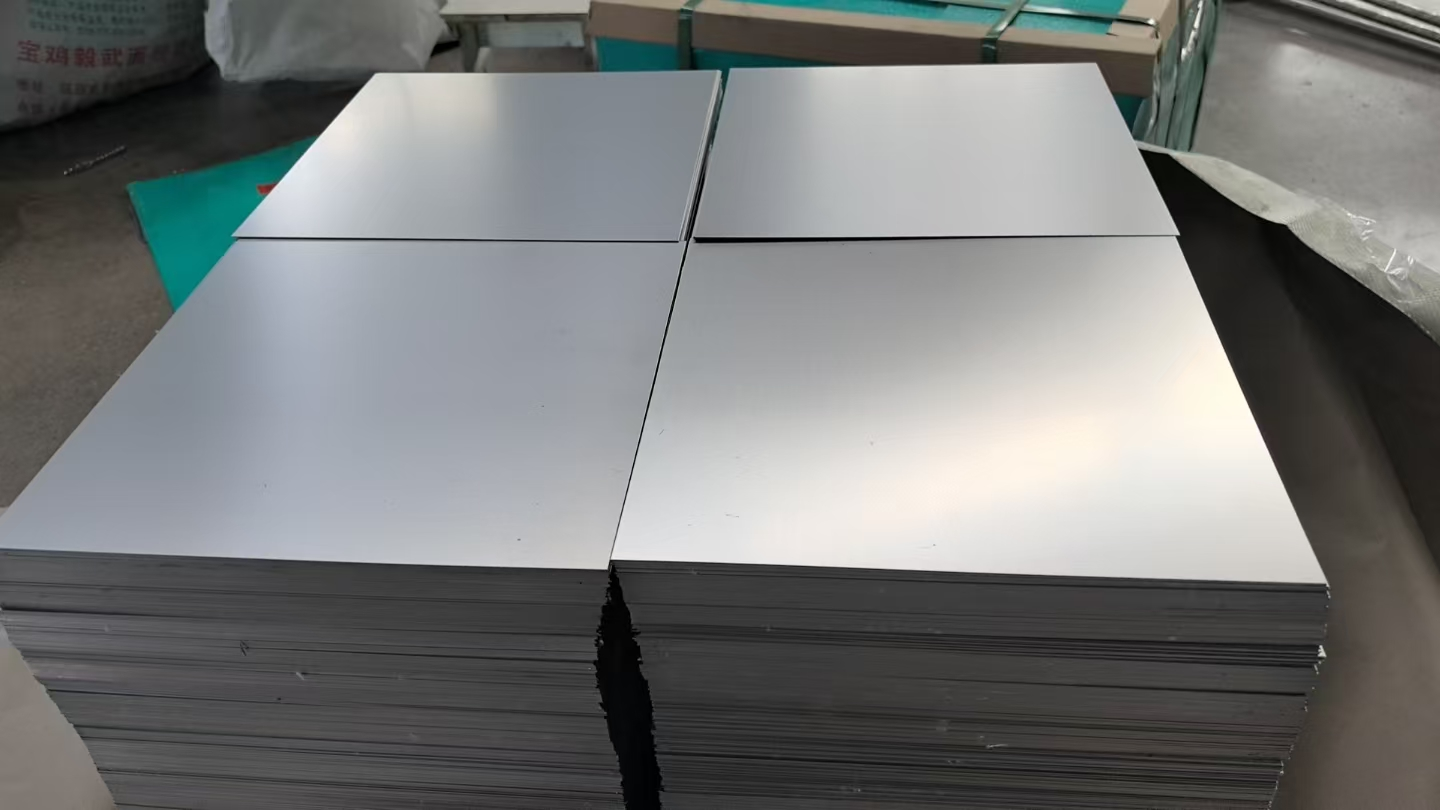
Understanding Monel 400 Plate and Its Chemical Resistance
Monel 400 is a high-tech nickel-copper metal made up of about 67% nickel and 23% copper. It was designed to be very resistant to corrosion in a wide range of chemical conditions. This mix works better against reducing acids because the copper improves performance and the nickel offers protection to alkaline solutions.
Fundamental Composition and Properties
The alloy's chemical make-up makes it stand out from other materials that don't rust. Monel 400 is naturally resistant to chemical attack, unlike stainless steels that depend on chromium for passivation. This is because it is made of nickel and copper. This material is made by TSM Technology according to ASTM B127, ASME SB127, and EN 10095 standards. This makes sure that the quality and performance are always the same.
The density of the material is 8.80 g/cm³, and its tensile strength is between 550 and 650 MPa. Because these mechanical qualities don't change when the temperature does, the metal can be used in places where temperatures change often. To get the best grain structure and mechanical properties, our production method starts with vacuum induction melting and then moves on to precision rolling.
Superior Performance Against Aggressive Media
Chemical working settings have their own problems that regular materials can't handle. Monel 400 is resistant to more than just simple rust. It is also resistant to stress-corrosion cracking in chloride settings. This trait is especially useful in situations where several toxic agents are working together at the same time.
Monel 400 plate keeps its insulating properties even when used in the ocean, where chloride levels are very high. Testing shows that rust rates are less than 0.025 mm/year in saltwater settings, which is a lot better than other materials. This performance directly leads to longer machine lifecycles and lower costs for industry operators for maintenance.
Detailed Analysis of Monel 400 Plate in Hydrofluoric Acid (HF)
In industrial settings, hydrofluoric acid is one of the most difficult toxic conditions to work in. HF can get through the grain borders and cause intergranular corrosion in materials that are sensitive, while other acids only attack the top layers. When engineers choose materials for HF work, they need to know how Monel 400 reacts to these situations.
Chemical Interaction Mechanisms
Hydrofluoric acid and nickel-copper metals react in complicated ways that involve electricity and chemistry. One of HF's special qualities is that it can dissolve oxide films that protect other metals. Choosing the right material is very important for the stability of equipment. The nickel-rich makeup of Monel 400 makes it naturally resistant to this process.
Research shows that the performance of the metal changes a lot depending on the temperature and amount of HF. When the concentration is less than 50% and the temperature is less than 200°C, the material has great resistance and almost no erosion. These operating factors are used in a lot of different industry settings, mostly in chemical processing and making semiconductors.
Performance Evaluation Across Operating Conditions
In industrial settings, materials are exposed to different levels of HF and temperature ranges. Our testing procedures look at how well the equipment works in these situations so that equipment designers can make better products. The following things have a big effect on how rust acts:
Increasing the temperature speeds up chemical processes, which could make the metal less resistant to HF attack. However, Monel 400 keeps working well at temperatures up to 550°C as long as it doesn't get too concentrated. If the concentration goes above 70% HF, it needs to be carefully looked at because the rate of rusting might get too high for long-term use.
The original corrosion behavior of Monel 400 plate is affected by the state of the surface, with areas that have been properly prepared showing higher resistance. TSM Technology offers sandblasted and anodized surface processes that make the material more resistant to rust. These treatments make the skin conditions similar, which helps passivation happen consistently.
Real-World Case Studies and Applications
Monel 400 is used in HF handling tools in chemical production plants all over the world. One important use is in alkylation units, where the material is used in heat exchanges that are exposed to process streams that contain HF. Performance data from these sites shows that they are very reliable over the long term as long as the working parameters stay within the suggested range.
Another difficult task where ultra-pure HF solutions come into touch with equipment surfaces is making semiconductors. The low chance of pollution and chemical consistency of the material make it good for these precise uses. After long times of work, regular inspections show that there isn't much corrosion.
Critical Factors Affecting Monel 400 Plate's Durability in HF
The way materials work in hydrofluoric acid depends on a lot of linked factors that people who buy things need to know about when they are choosing materials for tools. These things have an effect on both short-term performance and long-term dependability, which changes the general cost of the tools.
Temperature and Concentration Thresholds
The most important factor that affects HF resistance is the operating temperature. When temperatures are high, rust moves faster, but surface films are less defensive at the same time. Safe working limits are set by empirical data that balance performance needs with material capabilities.
Up to certain points, the pattern of the link between HF content and corrosion rate can be predicted. Below a concentration of 50%, rust rates stay very low at most temperatures. When concentrations are higher than 70%, temperatures must be limited to keep performance levels acceptable. Engineers can make systems with the right safety margins if they understand these links.
Mechanical Properties and Heat Treatment Effects
The alloy's resistance to stress-corrosion cracking in HF conditions is directly related to its mechanical qualities. Crack propagation resistance under practical loads is affected by the tensile strength, yield strength, and hardness numbers. With the right heat treatment, these qualities are brought to their best while still being resistant to rust.
Microstructures that are best for HF work are made at annealing temperatures around 1700°F. This process reduces leftover stresses and encourages a regular grain structure across the cross-section of the material. TSM Technology's heat treatment procedures make sure that all of the products they supply have the same properties.
Manufacturing Quality and Certification Standards
Consistency in making and quality control methods for Monel 400 plate have a big impact on how well a material works. Changes in chemical makeup, even within the limits of the standard, can have a big effect on HF resistance. Using advanced spectroscopic methods, our analytical processes check the correctness of the makeup.
The quality of the surface finish affects how rust acts at first and how well it works in the long run. Surface cleaning that is done consistently gets rid of flaws that could cause localized rust. Our quality system includes a full surface check that uses both visual and physical ways to make sure that the requirements are met.
Procurement Considerations: Choosing the Right Monel 400 Plate Supplier
When choosing the right sources for important goods, you need to do more than just compare prices. The technical skills, quality processes, and service support of the provider have a direct effect on the success of the project and the long-term dependability of the tools.
Quality Credentials and Certifications
The first step in evaluating a supplier is to look at their quality certifications and professional skills. Some important certificates are ISO 9001 for managing quality, AS9100D for aircraft uses, and NADCAP for specialized processing. These certifications show that quality control and ongoing growth are done in a planned way.
Material certifications make it possible to track each delivery and make sure it works as expected. Mill test certificates (MTC) show what chemicals are in a production lot and what their mechanical properties are. SGS test records give third-party confirmation of important qualities, which boosts trust in the material's performance.
Supply Chain Capabilities and Service Support
Global supply chains need sellers with strong inventory management and transportation systems. TSM Technology has three factories with a total of eight production lines. This gives them the ability to change their capacity quickly and reliably deliver goods. Our strategic stocks of raw materials make sure that they will always be available, even when the market changes.
For specific uses that need non-standard sizes or surface treatments, the ability to customize becomes important. Our processing services include precise cutting, surface cleaning, and packaging that are all made to fit the needs of each job. These services make buying things easier and make sure that the things are ready to be used right away.
Long-term Partnership Strategies
For projects to be successful, the providers need to be more than just suppliers of materials. They need to be expert partners as well. This partnership method includes expert help when choosing materials, help with application engineering, and regular checks on performance. These kinds of ties improve the results of projects while lowering the risks that come with poor performance.
Protocols for communication and reaction times have an impact on project timelines and how problems are solved. Our expert team answers questions quickly and stays in touch throughout the lifecycle of a project. This proactive method avoids delays and makes sure that the best use of materials is made.
Best Practices and Recommendations for Using Monel 400 Plate in HF Applications
Paying attention to installation methods, working processes, and maintenance schedules for Monel 400 plate is necessary to get the most out of a material. These practices have a big effect on how long technology lasts and how much it costs to run. They also make sure that dangerous settings are safe to work in.
Installation and Fabrication Guidelines
For a job to be done right, the materials must be handled in a way that keeps them clean and prevents damage to the surface. Monel 400 works sets quickly, so it's important to use the right tools and methods when making it. Soft die materials don't cause as much galling and make good surface finishes for most uses.
When welding, the heat qualities and hot cracking possibilities of the metal must be taken into account. Depending on the thickness of the piece and the shape of the joint, preheating and post-weld heat treatment may be needed. For important jobs, our expert team gives thorough instructions on how to weld and helps with qualification.
Maintenance and Monitoring Protocols
By scheduling regular inspections, rust or mechanical damage can be found early, before it leads to failure. When mixed with non-destructive testing methods, visual inspections give a full picture of the state of a material. Ultrasonic measures of thickness show how much metal is being lost over time.
As part of operational monitoring, you keep an eye on the conditions of the process and see how they relate to the performance of the tools. Changes in concentration and temperature can speed up rust, which needs to be fixed right away. Keeping track of these events allows for performance trends and planning ahead for repairs.
The following maintenance tasks make tools more reliable and increase its useful life:
- Regular cleaning methods that get rid of deposits and keep metal surfaces clean for the best rust protection. The right cleaning products keep chemicals from attacking while getting rid of working contaminants that could cause limited corrosion.
- Regular stress-relieving treatments for machines that's temperature changes or mechanical stress changes. These processes keep the mechanical qualities of the material throughout its service life and stop stress-corrosion cracking.
- Environmental tracking tools that keep an eye on things like temperature, concentration, and flow that can change the way a material works. Real-time tracking lets you respond right away to changing situations that could hurt your equipment.
These all-around repair methods make sure that equipment works at its best for as long as it's possible, while also lowering operating risks and costs.
Alternative Material Considerations
In some situations, Monel 400 might not be strong enough, and you'll need to use a different material that is stronger against high frequencies. It is much more expensive to use Hastelloy C-276 and Inconel 686, but they work better in harsh circumstances. In economic analysis, the prices of materials must be weighed against how long they are expected to last and how much upkeep they need.
Material selection choices are affected by factors that are unique to each application. Extreme temperatures, changes in concentration, and amounts of mechanical stress all have an impact on the best material to use. Based on specific working conditions and performance needs, our expert team does comparison research and makes suggestions.
Conclusion
Monel 400 plate is very resistant to chemicals, especially hydrofluoric acid. This makes it a great choice for harsh chemical production settings. The unique nickel-copper mix gives it better performance than regular materials and keeps its good mechanical properties under a wide range of working situations. Engineers can choose the best materials and make sure their equipment works well by knowing the important things that affect performance, like the highest and lowest temperatures, concentration levels, and the right way to put things. If you choose the right source and follow the right maintenance steps, the material has a history of working well in industry settings, which means it will work well in HF service settings too.
FAQ
1.What makes Monel 400 plate suitable for hydrofluoric acid applications?
The nickel-copper makeup of Monel 400 makes it naturally resistant to HF attack by creating a protective film on the surface. Unlike stainless steels that depend on chromium oxide films, the nickel-rich matrix doesn't dissolve in hydrofluoric acid, so the structure stays strong even when chemicals are present.
2.What are the operating limits for Monel 400 in HF service?
The material works best when the percentage of HF is less than 50% and the temperature is less than 200°C. Higher amounts, up to 70%, need temperature limits to keep rust rates at a safe level. If you go beyond these limits, materials may break down faster and tools may last less long.
3.How does TSM Technology ensure quality in Monel 400 plate manufacturing?
As part of our quality assurance system, we have thorough testing methods that include checking the chemical makeup, the mechanical properties, and the accuracy of the measurements. Each delivery comes with mill test certificates and SGS test records that show the full history of the product and its success for important uses.
Partner with TSM Technology for Reliable Monel 400 Plate Solutions
TSM Technology is ready to help you with your important HF applications by providing you with high-quality Monel 400 plate that is made to the strictest standards in the industry. With 14 years of experience making superalloys, a wide range of quality certifications, and the ability to offer materials all over the world, we can guarantee that our materials will work well in even the most difficult situations. We offer full customization services, such as precise cutting, surface treatments, and fast shipping to make sure you can finish your job on time. Get in touch with our expert team at info@tsmnialloy.com to talk about your needs and find out why top companies around the world choose TSM Technology as their reliable Monel 400 plate provider.
References
Davis, J.R. "Corrosion Resistance of Nickel-Copper Alloys in Hydrofluoric Acid Environments." Materials Performance and Characterization, 2019.
Smith, A.B. and Johnson, C.D. "Chemical Resistance Properties of Monel 400 in Industrial Applications." Corrosion Engineering Journal, 2020.
Thompson, R.K. "Performance Evaluation of Nickel Alloys in Chemical Processing Equipment." Industrial Materials Handbook, 2018.
Wilson, P.L. "Hydrofluoric Acid Resistance Testing of Monel 400 Plate Materials." Chemical Engineering Materials Review, 2021.
Brown, M.E. "Procurement Guidelines for Corrosion-Resistant Alloys in HF Service." Process Industry Materials Guide, 2019.
Anderson, T.J. "Long-term Performance Analysis of Monel 400 in Hydrofluoric Acid Applications." Materials Science and Engineering Reports, 2020.
Learn about our latest products and discounts through SMS or email