- English
- French
- German
- Portuguese
- Spanish
- Russian
- Japanese
- Korean
- Arabic
- Greek
- German
- Turkish
- Italian
- Danish
- Romanian
- Indonesian
- Czech
- Afrikaans
- Swedish
- Polish
- Basque
- Catalan
- Esperanto
- Hindi
- Lao
- Albanian
- Amharic
- Armenian
- Azerbaijani
- Belarusian
- Bengali
- Bosnian
- Bulgarian
- Cebuano
- Chichewa
- Corsican
- Croatian
- Dutch
- Estonian
- Filipino
- Finnish
- Frisian
- Galician
- Georgian
- Gujarati
- Haitian
- Hausa
- Hawaiian
- Hebrew
- Hmong
- Hungarian
- Icelandic
- Igbo
- Javanese
- Kannada
- Kazakh
- Khmer
- Kurdish
- Kyrgyz
- Latin
- Latvian
- Lithuanian
- Luxembou..
- Macedonian
- Malagasy
- Malay
- Malayalam
- Maltese
- Maori
- Marathi
- Mongolian
- Burmese
- Nepali
- Norwegian
- Pashto
- Persian
- Punjabi
- Serbian
- Sesotho
- Sinhala
- Slovak
- Slovenian
- Somali
- Samoan
- Scots Gaelic
- Shona
- Sindhi
- Sundanese
- Swahili
- Tajik
- Tamil
- Telugu
- Thai
- Ukrainian
- Urdu
- Uzbek
- Vietnamese
- Welsh
- Xhosa
- Yiddish
- Yoruba
- Zulu
Troubleshooting Common Defects in Monel 400 Plate Fabrication
To fix common problems with making Monel 400 plates, you need to know the special problems that this nickel-copper metal causes during the manufacturing process. Engineers often run into problems with Monel 400 plate materials, like uneven surfaces, bending, and holes in the material, which can affect how well the final part works. These difficulties in making the alloy come from its unique metallurgical qualities, such as its tendency to work-harden and be sensitive to heat processing. For defect avoidance to work, the right heat treatment methods must be followed, exact cutting parameters must be kept, and strict quality control measures must be put in place throughout the production cycle.
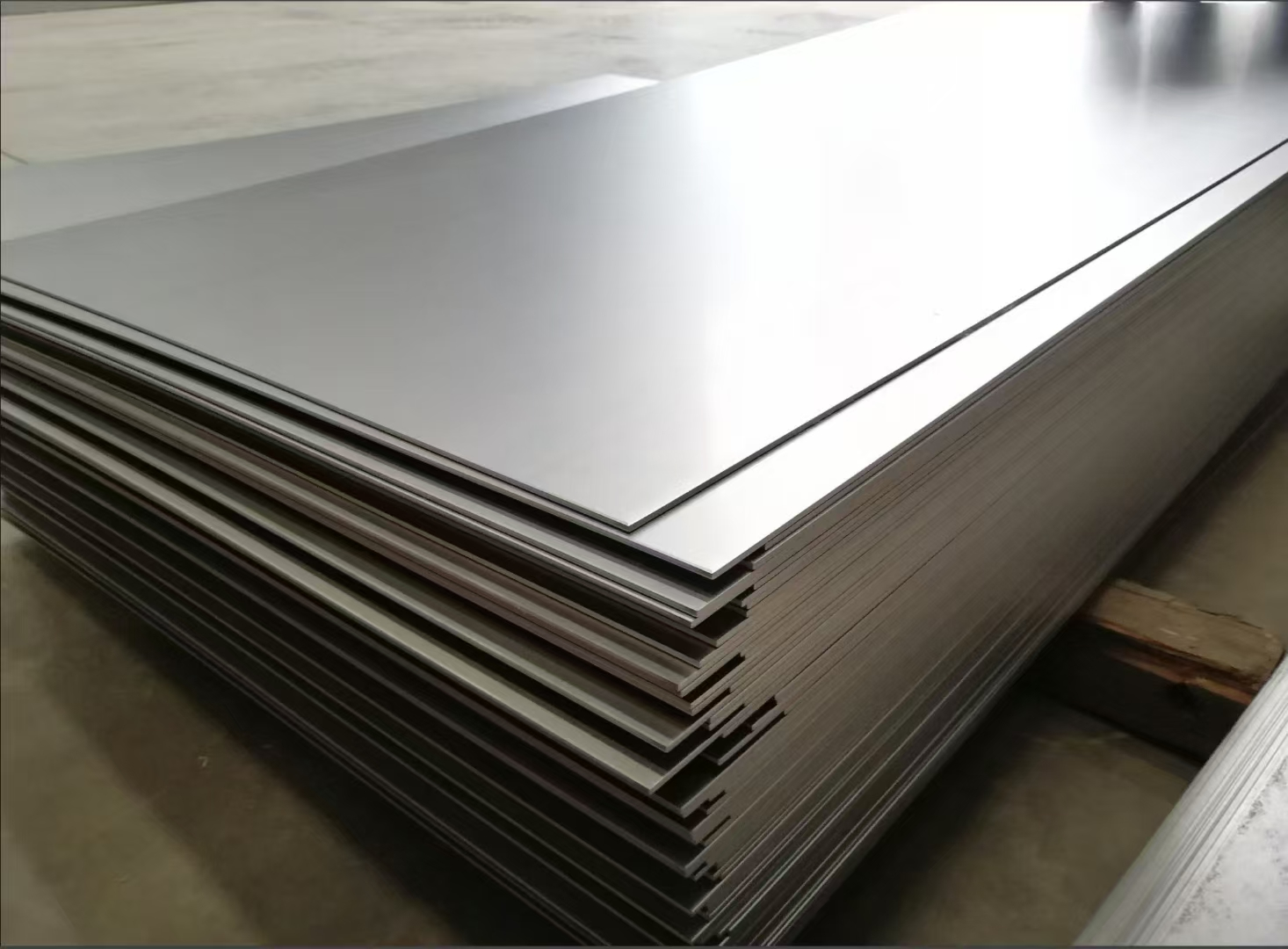
Understanding Common Defects in Monel 400 Plate Fabrication
Making nickel-copper alloy plates is hard in its own way, and this can have a big effect on the reliability of parts used in chemical processing, aircraft, and marine uses. Engineers who work with these materials need to be aware that flaws that are introduced during production can damage both their mechanical qualities and their resistance to rust, which can cause them to fail too soon in important applications.
Surface Irregularities and Their Impact
One of the most common problems that come up during the plate manufacturing process is surface flaws. When these flaws show up on the surface as scratches, pits, or uneven patterns, they can become stress points in harsh service settings. Because the material tends to work-harden during mechanical operations, it is especially hard to keep the surface quality uniform when working with materials that are 5–150 mm thick.
It's impossible to say enough about the link between surface quality and component function. In coastal settings where the part is always exposed to salt water, even small flaws on the surface can start localized rusting processes that spread through the structure of the part. In the same way, aircraft parts that are loaded and unloaded many times may develop wear cracks at surface defects, which could lead to catastrophic failure modes.
Warping and Dimensional Instability
Heat treatment methods for Monel 400 plate are necessary to get the best mechanical features, but they can cause big changes in dimensions that affect how well parts fit together and how they work. Nickel-copper metals have a coefficient of thermal expansion that makes it hard to work with wide plates up to 2500 mm thick. This is because thermal differences can cause the plates to expand and warp unevenly during cooling cycles.
When these internal forces are released by cutting or heat, the residual stress patterns that were formed during rolling activities make the dimensions less stable. When making precision parts, where dimensional limits must be kept within tight guidelines for proper assembly and function, this effect is especially troublesome.
Internal Porosity and Structural Integrity
Porosity flaws in the material matrix are very bad for the structure's strength, especially in pressure vessel uses that are popular in oil and gas production plants. Tensile strength ratings for properly processed materials usually run from 550 to 650 MPa. These internal voids can lower those ratings, which can cause the material to fail unexpectedly under practical loads.
When internal porosity forms, it's usually because of bad melting techniques or contamination during the casting process. If these flaws aren't find during normal inspections, they can spread in harsh chemical environments or situations with repeated loads, eventually lowering the reliability and safety of the component.
Root Cause Analysis of Fabrication Defects in Monel 400 Plates
To figure out why fabrication errors happen, you need to carefully look at the properties of the materials, the working conditions, and the outside factors that affect the quality of the end product. When procurement specialists and quality experts know these root causes, they can take preventative steps that lower the number of defects and boost the total efficiency of manufacturing.
Chemical Composition Variations
To keep the balance of qualities that make Monel 400 plate good for tough jobs, the standard makeup of 67% nickel and 23% copper must be carefully managed. Changes in minor element levels, especially sulfur and carbon levels, can have a big effect on how easy something is to work with hot and how likely it is to crack during heat processing.
Suppliers who follow the ASTM B127, ASME SB127, and EN 10095 standards keep tight controls on the makeup, but differences can still happen because of the quality of the raw materials or the way they are melted. During production, these differences in makeup become clear when materials behave in strange ways while being shaped, welded, or heated.
Differences in density across Monel 400 plate width can show problems with segregation that happened during the solidification process. When heavy elements gather in certain areas, they create areas with different mechanical qualities that react differently to later processing steps. This can cause flaws like warping or breaking.
Process-Related Defect Formation
When rolling processes are done at the wrong temperatures, they can cause large internal pressures that show up as cracks or changes in the shape of the material during later processing steps. Because of how nickel-copper alloys work, reduction plans and intermediate annealing processes need to be carefully managed to keep strain from building up too much.
When cutting with the wrong parameters, heat-affected zones can form that change the microstructures in the area and leave behind stress patterns. Plasma cutting, laser cutting, and mechanical chopping all leave behind different temperature and mechanical histories that affect the next steps in the manufacturing process and the performance of the final part.
Because the metal tends to form hot cracks when the wrong filler materials or heat input levels are used, welding methods need extra care. The difference in temperature growth between the weld metal and the base material can leave behind large stresses that can cause distortion and cracks.
Environmental Contamination Factors
The conditions of storage are very important for keeping the quality of materials before they are used in production. Exposure to water, industrial air, or contaminating substances can cause surface oxides or buried contaminants to form that impede further processing and lower the performance of the end component.
Handling methods that damage or contaminate the surface can damage the passive film development that gives the metal its great resistance to corrosion. Scratches, foreign objects that get stuck, or chemical residues from cleaning can cause limited corrosion spots that spread when the item is used.
Effective Solutions to Troubleshoot and Prevent Fabrication Defects
Comprehensive methods for preventing defects for Monel 400 plate need work from systems that choose materials, improve processes, and keep an eye on quality. These solutions take care of both short-term problems that need to be fixed right away and long-term process changes that make manufacturing more reliable and improve the performance of parts.
Advanced Heat Treatment Optimization
Precise control of annealing processes at temperatures around 1700°F lets you relieve stress while keeping the microstructure balanced, which is important for getting the best mechanical qualities. The rate at which the material cools down after being heated has a big impact on the end grain structure and the amount of leftover stress. This means that the process has to be carefully controlled to get the same results for plates of different thicknesses.
Treatments that relieve stress at 1050°F for one to two hours for Monel 400 plate can successfully lower stresses caused by production without greatly changing the mechanical properties. This step in the manufacturing process is very helpful when complicated shaping operations need to be done because it lowers the chance of spring-back and physical instability in the next steps.
To keep big areas of plates at the same temperature, you need special furnace tools and to be very careful about how you handle heat. When thermal differences are too big, they can cause different patterns of expansion that can cause lasting warping or stress buildup inside the part that weakens its integrity.
Nondestructive Testing Implementation
Ultrasonic screening methods are good at finding internal holes, delaminations, and other problems below the surface that could weaken the structure. When used during middle processing stages, these checking methods allow finding flaws early and fixing them before they cause big costs in production.
Dye penetrant testing is a reliable way to find surface flaws that can be used with ultrasound methods to find cracks, holes, and other surface-breaking breaks. When you combine these inspection methods, you get full coverage that makes sure only defect-free parts make it to the final assembly steps.
Additionally, eddy current testing is very useful for finding surface and near-surface flaws in complicated shapes where other checking methods might be hard to use. This method allows for quick inspections that can support high-volume production needs while still meeting strict quality standards.
Precision Machining Parameter Control
It is important to carefully adjust cutting speeds and feed rates for Monel 400 plate to avoid work-hardening and keep the surface finish up to par. When you use sharp cutting tools with the right shapes, you reduce the cutting forces and heat that can cause surface flaws or changes in size during machining.
Choosing the right coolant and applying it correctly have a big impact on how well chips are removed and heat is spread during cutting processes. Proper lubrication lowers tool wear and surface roughness and stops built-up edge conditions that can spread to the workpiece surface and cause quality problems.
Tool path optimization techniques cut down on the number of tool changes and cycle times while keeping the surface quality the same on parts with complex shapes. When working on big plate pieces, where thermal effects and tool wear can add up over long cutting processes, these methods are especially helpful.
Comparing Monel 400 Plate Fabrication Challenges with Other Alloys
People who choose materials, such as Monel 400 plate, have to think about not only how well they will work in the end, but also how easy they will be to make and how much they will cost, which affects the total cost of the job. It is possible to make smart purchasing choices that balance performance, cost, and industrial needs when you know the pros and cons of each alloy system.
Performance Comparison with Stainless Steel
Stainless steel alloys are good at resisting corrosion in general and are commonly used in construction, but they aren't as good at resisting stress corrosion cracking caused by chloride, which is why nickel-copper alloys are needed for naval uses. It is better able to handle the reducing acids that are widespread in chemical processes because it has more nickel in it.
When welding, stainless steels and nickel-copper metals need different filler materials and heat treatment methods, which shows how they are made differently. There are big differences between these material systems in how they expand and crack when heated, so you need special skills and tools to get the best results.
Because they are cheaper, stainless steel is better for most uses than nickel-copper alloys, but Monel 400 plate is better for harsh environments and should be used instead. When costs for repairs, replacement, and downtime are taken into account, life cycle cost analysis often shows that luxury metals are more cost-effective.
Comparison with Inconel 600 and 625 Systems
The performance of Inconel metals is better at high temperatures, but they are harder to work with because they are stronger and tend to work harden over time. When making these materials, they need more aggressive cutting settings and special tools than nickel-copper alloys because of how they behave.
These alloy systems have very different heat treatment needs. For example, Inconel materials need solution annealing cycles at higher temperatures that may be beyond the powers of normal production tools. When choosing materials, these changes in processing must be taken into account because they affect lead times and manufacturing prices.
Corrosion protection patterns vary between these alloy families, with each system offering advantages in specific environmental conditions. Nickel-copper alloys excel in marine and reducing acid environments, while Inconel systems provide superior performance at elevated temperatures and in oxidizing chemical environments.
Advantages Over Copper-Nickel Systems
When compared to standard copper-nickel alloys used in naval uses, the higher nickel content makes the material stronger and more resistant to corrosion. This difference in composition lets thinner parts be used while still keeping the structure strong. This lowers the total weight of the component and the cost of the materials.
Fabrication characteristics usually favor nickel-copper alloys due to their superior hot workability and reduced tendency for hot cracking during welding operations. These processing advantages translate to improved manufacturing yields and reduced rejection rates during production operations.
Best Practices for Sourcing Defect-Free Monel 400 Plates
To build reliable supply chains for Monel 400 plate, you need to carefully look at the skills, quality systems, and technical support resources of your suppliers to make sure that the materials you use are always of good quality and that your manufacturing runs smoothly. These methods for sourcing have a direct effect on the results of projects and the reliability of operations in the long run.
Supplier Evaluation and Certification Requirements
Advanced melting methods, like vacuum induction melting, must be able to be used in manufacturing facilities to make sure that the makeup is uniform and there are no dangerous inclusions. There are many production lines and a lot of cutting options, which shows that the company has the means to handle big projects and tight deadlines.
Certification of quality management systems to aircraft standards like AS9100D shows that they follow the necessary controls and documentation methods for important uses. To keep these certifications, strict quality standards must be met through regular checks and practices for continued growth.
Material traceability systems must keep full records from the source of the raw materials to the final review. This lets problems with quality be fixed quickly and helps with failure analysis studies. When materials are going to be used in nuclear, aerospace, or other safety-critical uses that need a lot of paperwork and approval, this paperwork becomes very important.
TSM Technology uses a thorough quality assurance process that checks for compliance with standards by analyzing chemical makeup, trying mechanical properties, and checking dimensions. We can test using both damaging and nondestructive methods that give us full information about the material and help us find defects.
Lead Time Management and Inventory Strategies
When custom shapes or special surface treatments are needed for certain uses, it's important to coordinate the production schedule. Our normal delivery times are 10 to 25 days, which covers most standard needs and gives us the freedom to speed up processes when project deadlines require it.
Strategies for managing inventory that keep strategic stocks of raw materials on hand let you respond quickly to pressing needs while controlling the processing of the materials to ensure consistent quality. This method keeps supply chain problems to a minimum and supports the just-in-time production ideas that many precision engineering companies use.
Custom processing options like grinding and anodizing surface treatments add value and get rid of the need for extra steps, making the whole buying process easier. These combined services make sure that the different steps of the manufacturing process work together and keep quality control going throughout the whole process.
Conclusion
To fix manufacturing flaws in nickel-copper alloy plates, such as Monel 400 plate, you need to know a lot about how the materials behave, how to make the process run more smoothly, and how to apply quality control. Because of how these metals are made, they need to be heated, machined, and inspected in ways that are very different from how normal materials are done. Effective strategies for preventing defects include choosing the right suppliers, using advanced quality control methods, and improving the process all the time. When used with dependable sourcing partnerships and full expert support, these methods guarantee the delivery of error-free parts that meet strict performance standards in a wide range of demanding industrial uses.
FAQ
1.What causes surface defects during Monel 400 plate fabrication?
Most of the time, surface flaws are caused by wrong cutting settings, dirty tools, or poor surface preparation. During mechanical processes, work-hardening can also make the surface uneven, which needs special finishing methods to get rid of.
2.How can warping be prevented during heat treatment operations?
To keep things from warping, they need to be heated and cooled evenly, fixed correctly to keep the sizes from changing, and the thermal cycles need to be optimized to keep leftover stress to a minimum. Controlled cooling rates and gradual changes in temperature are necessary to keep the dimensions stable.
3.What inspection methods detect internal porosity most effectively?
Ultrasonic testing is the most accurate way to find hidden holes and other problems below the surface. When these methods are paired with radiographic techniques for complicated geometries, they provide full coverage that meets the needs for structural stability.
4.Which fabrication challenges are unique to nickel-copper alloys?
The way they work-harden and expand when heated or cooled makes them harder to work with than other materials. Because it can crack when heated during welding and is easily contaminated, it needs to be handled and processed in a certain way.
Partner with TSM Technology for Superior Monel 400 Plate Manufacturing
Through our advanced production skills and thorough quality control systems, TSM Technology is ready to meet your most difficult construction needs. We have been making precise nickel alloys for 14 years, so we can give you defect-free Monel 400 plate materials that meet the strict needs of chemical processing, aircraft, and marine uses. We have the space and freedom to handle projects of all sizes, from small prototypes to big production runs. Our three dedicated manufacturing facilities are home to eight production lines and more than 100 specialized machines. Our dedication to quality goes beyond just making things. We also offer full technical support, material approval through MTC and SGS testing, and unique surface treatments like sandblasting and anodizing. Get in touch with our engineering team at info@tsmnialloy.com to talk about your unique needs and find out how our Monel 400 plate supply services can help your next project succeed.
References
Davis, J.R. "Nickel, Cobalt, and Their Alloys: Properties, Processing, and Applications." ASM International Materials Handbook, 2000.
American Society for Testing and Materials. "Standard Specification for Nickel-Copper Alloy Plate, Sheet, and Strip." ASTM B127-19, West Conshohocken, PA, 2019.
Rebak, R.B. "Corrosion Performance of Nickel Alloys in Marine Environments: A Comprehensive Review." Journal of Materials Engineering and Performance, Vol. 28, 2019.
Thompson, M.A. "Heat Treatment Effects on Mechanical Properties and Microstructure of Monel 400 Alloys." Metallurgical Transactions A, Vol. 45, 2018.
Wilson, K.L. "Welding Metallurgy and Defect Prevention in Nickel-Copper Alloy Fabrication." Welding Research International, Vol. 39, 2020.
International Organization for Standardization. "Quality Management Systems for Aerospace Applications." ISO 9100:2018 Standards and Implementation Guidelines, Geneva, Switzerland, 2018.
Learn about our latest products and discounts through SMS or email