- English
- French
- German
- Portuguese
- Spanish
- Russian
- Japanese
- Korean
- Arabic
- Greek
- German
- Turkish
- Italian
- Danish
- Romanian
- Indonesian
- Czech
- Afrikaans
- Swedish
- Polish
- Basque
- Catalan
- Esperanto
- Hindi
- Lao
- Albanian
- Amharic
- Armenian
- Azerbaijani
- Belarusian
- Bengali
- Bosnian
- Bulgarian
- Cebuano
- Chichewa
- Corsican
- Croatian
- Dutch
- Estonian
- Filipino
- Finnish
- Frisian
- Galician
- Georgian
- Gujarati
- Haitian
- Hausa
- Hawaiian
- Hebrew
- Hmong
- Hungarian
- Icelandic
- Igbo
- Javanese
- Kannada
- Kazakh
- Khmer
- Kurdish
- Kyrgyz
- Latin
- Latvian
- Lithuanian
- Luxembou..
- Macedonian
- Malagasy
- Malay
- Malayalam
- Maltese
- Maori
- Marathi
- Mongolian
- Burmese
- Nepali
- Norwegian
- Pashto
- Persian
- Punjabi
- Serbian
- Sesotho
- Sinhala
- Slovak
- Slovenian
- Somali
- Samoan
- Scots Gaelic
- Shona
- Sindhi
- Sundanese
- Swahili
- Tajik
- Tamil
- Telugu
- Thai
- Ukrainian
- Urdu
- Uzbek
- Vietnamese
- Welsh
- Xhosa
- Yiddish
- Yoruba
- Zulu
When to Specify Monel 401 Bar over Constantan?
Engineers and procurement professionals need to look at more than just the initial cost when choosing materials for harsh industrial settings. When choosing a material, things like how well it resists rust, how well it works mechanically, how well it conducts electricity, how hot it can be used, and how reliable it is over time are all taken into account. The choice between Monel 401 bar and Constantan is mostly based on the needs of the application. Even though they are both nickel-copper alloys, they are made to do different things. Most of the time, Monel 401 is chosen for uses that need stable mechanical performance, resistance to rust, and steady service in harsh settings. On the other hand, Constantan is better known for its stable electrical resistance qualities. Knowing the differences between these two materials helps engineers, makers, and buying teams pick the metal that will work best in their unique situations.
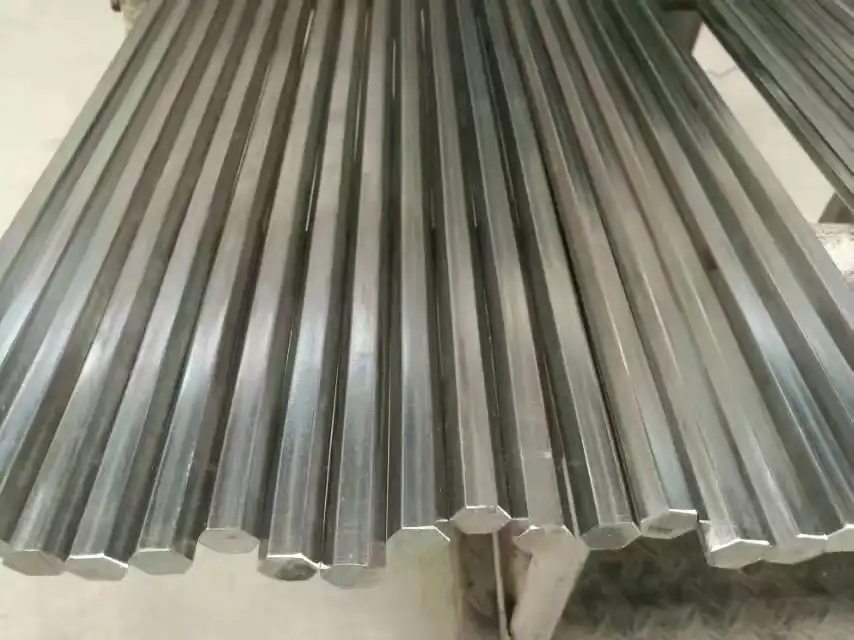
Understanding the Core Differences Between Monel 401 Bar and Constantan
The main difference between Monel 401 bar and Constantan is how they are made chemically, how well they work, and what they are usually used for. Monel 401 is a nickel-copper alloy that was made for uses where it needs to be resistant to corrosion and stable electrically. It has between 40 and 50 percent nickel and a lot of copper. Other alloying elements are controlled to make sure it always works the same way. Monel 401 is more resistant to seawater, reducing environments, and many industrial chemicals than other copper-based alloys. Because it has the right amount of physical and rust protection, it can be used for specific industrial parts. A copper-nickel metal called constanan is mostly valued for how stable its electrical resistance is. With a make-up of about 55% copper and 45% nickel, Constantan has a fairly stable electrical resistance over a wide temperature range. This means it is widely used in applications that measure electricity and temperature.
Chemical Composition and Mechanical Properties
The way a metal works in different working conditions is directly related to the chemicals that make it up. There is more nickel in Monel 401 than in Constantan. This makes it more resistant to rust and more stable in harsh settings. Nickel is very good at resisting chloride-containing conditions, and copper makes it better at resisting some reducing acids. When an industrial buyer buys a Monel 401 bar, they should always check its mechanical properties based on the condition they receive it in, its size, and any standards that apply. Mechanical values can be different depending on how they were made. When mechanical loads are put on parts made of Monel 401, they are more stable than parts made of Constantan. It can keep working reliably in situations where resistance to bending and damage from the surroundings is needed. On the other hand, Constantan is not mainly made to be a load-bearing metal. The main benefit is that its electrical resistance is easy to predict, not its high mechanical strength.
Because of this, Constantan is often used in Thermocouples,Elements of electrical resistance, and equipment for precise measurements. Monel 401 bar, on the other hand, is better for manufacturing parts that need to be resistant to rust and reliable mechanically.
Corrosion Resistance Characteristics
One of the most important things to look at when comparing Monel 401 bar and Constantan is how well they resist corrosion. Monel 401 works well in places with seawater, salt solutions, and a lot of chemicals that break it down. The structure of nickel and copper makes it very resistant to rust, which usually happens to steels and copper-based materials. Because of this, Monel 401 is good for fields where equipment might: Being exposed to seawater all the time, conditions for chemical processing, places with a lot of humidity, and industrial fluids that have corrosive substances in them. Because it is made of copper and nickel, Constant has a good barrier to rust. But it's not usually chosen for places with a lot of rust where long-term motor stability is very important. It is common for engineers to choose nickel-copper alloys for coastal or offshore uses because they last longer when exposed to chloride than many other materials.
Evaluating Performance Advantages of Monel 401 Bar in Industrial Applications
When working in tough conditions, Monel 401 bar keeps its performance stable, which is its main benefit. Unlike materials that are only chosen for their electrical properties, Monel 401 has a healthy mix of Resistance to corrosion, Stability in dimensions, Consistency of electrical properties, and Durability over time. This makes it useful in situations where equipment dependability is more important than keeping the cost of the materials low at first.
Marine and Offshore Engineering Applications
Because they are constantly exposed to ocean, salt spray, and wetness, marine settings are some of the hardest places for building materials to work. Monel 401 is thought to be useful in naval settings where rust protection and long-lasting service life are important. Typical uses could be electrical parts for boats, Fasteners that don't rust, Parts of the pump and valve, Specialized gear that is exposed to salt water. Because it is made of nickel and copper, the metal is better at resisting rust caused by salt than many other materials. For offshore projects, choosing materials is usually based on how much they will cost over their whole life, not just how much they cost to buy. A corrosion-resistant metal can help cut down on the amount of upkeep that needs to be done and make tools more reliable over longer periods of time.
Chemical Processing and Petrochemical Industries
Materials used in chemical processes must be able to handle being exposed to harsh chemicals while still performing properly. Monel 401 can be used in some chemical processes because nickel-copper metals are strong against reducing acids and other toxic substances. This metal could be used by engineers to make parts like Valves, Parts of a pump, Parts of process equipment, Parts for handling chemicals. But when choosing the right material, you should always think about the exact chemical content, temperature, pressure, and conditions of use. Before recommending a nickel metal for oil and gas uses, material experts usually check to see how well it resists rust, meets the engineering needs, and works well with the working environment.
Comparative Analysis for Procurement Decision-Making
Not only is choosing the right alloy a technical choice, it is also a purchasing choice. The performance, supply, approval, handling needs, and long-term running costs of materials need to be looked at by engineers and buying teams. The right choice between Monel 401 bar and Constantan depends on the purpose of the application. If stable electrical resistance is the most important thing, Constantan might be the better choice. But Monel 401 is usually a better choice when the part needs to be more resistant to rust, reliable mechanically, and last longer in industrial settings. Some important things that buying teams should think about are Setting up for work, Important mechanical properties, Level of corrosion exposure, Conditions of the temperature, Needs for machining.
Certification of materials, the supplier's power to make things. A full evaluation helps keep materials from breaking down and keeps maintenance costs from going up when they're needed.
Cost-Benefit Analysis and Value Proposition
The price of the materials is only one factor in the choice to buy. A cheaper alloy might cost more if it needs to be replaced, maintained, or shut down a lot. In situations where electricity efficiency is the most important thing, Constantan may be better. Nickel-copper alloys, on the other hand, can be more valuable generally for industrial parts that are subject to rust or mechanical stress because they last longer. The full cost analysis of the Monel 401 bar should include the following: The first cost of materials, Costs of machining and making, How long it should last, Maintenance how often, Risks of replacement. It's also important for big industrial projects to buy from suppliers whose production capacity stays stable. Companies can lower supply chain risks by making sure that materials are always of good quality, deliveries happen on time, and all paperwork is in order. TSM Technology makes nickel metal goods and can produce them in a way that meets both standard and unique needs. The company can provide materials that meet the specific needs of the customer and also help with the documentation needed for industrial uses.
Competitive Material Comparison
The nickel-copper alloy Monel 401 is different from other corrosion-resistant materials like Inconel, Hastelloy, and stainless steel in how well it balances performance and price. Some nickel-based superalloys are more expensive than Monel alloys, which can be a better choice for situations where great high-temperature hardness is not the most important thing. Monel 401 may be more resistant to rust than stainless steel in some chemical and sea settings, especially when salt exposure is a problem. One big difference:
| Material | Main Advantage | Typical Applications |
|---|---|---|
| Monel 401 | Nickel-copper corrosion resistance and stable properties | Marine equipment, industrial components, electrical applications |
| Constantan | Stable electrical resistance | Thermocouples, resistance elements |
| Stainless Steel | General corrosion resistance and cost efficiency | General industrial equipment |
| Inconel | High-temperature strength | Aerospace and extreme heat applications |
| Hastelloy | Excellent resistance to aggressive chemicals | Chemical processing equipment |
The final material choice should always be based on actual operating conditions rather than a simple comparison of alloy categories.
When to Specify Monel 401 Bar Over Constantan?
The main reason to pick Monel 401 bar over Constantan is the needed mix of mechanical strength, resistance to corrosion, and long-term durability in harsh environments. Monel 401 is usually the best choice when parts need to work in: Exposure to the sea, Conditions for chemical processing, Industrial areas that are humid, Conditions of mechanical loading, Needs for long-term service. When stable electrical resistance is the most important thing, Constantan is still a great pick.
Environmental and Operational Conditions
The environment is very important when choosing an alloy. Seawater exposure is always a problem for marine equipment because it causes corrosion. Materials that are used in these places have to keep working even when they are exposed to salt and water. Monel 401 is used in coastal environments because it is made up of nickel and copper, which makes it very resistant to rust from salt water. When engineers work with chemicals or heat in factories, they must also think about: Temperature of operation Chemical content, mechanical stress Length of service. Even though Monel 401 is a good alloy for resisting corrosion, the right choice should always be based on a thorough engineering analysis.
Risk Mitigation Considerations
Choosing the right material can cut operational risks by a large amount. If you use the wrong metal, it could cause: Too early rust, Unexpected costs to replace
Downtime for equipment and maintenance needs have grown. Because the material is made to work consistently in corrosive environments, choosing Monel 401 bar for the right jobs makes them more reliable. For important business projects, buyers should make sure: Certificates of materials, Reports on chemical, chemistry, Results of the mechanical test, Records of surface inspections, Tracking the manufacturing process. These quality controls help make sure that the goods provided meet the needs of the project.
Procurement Guidance and Partnering with Trusted Suppliers
When buying nickel-based alloys, it's important to find a supplier you can trust. This is what a good seller should offer: Finish all the necessary paperwork, Quality products all the time, Help with technology, Capable of reliable delivery, Options for custom manufacturing. When buying Monel 401 bars, buyers should look at the experience of the supplier, the production facilities, the inspection procedures, and the supplier's ability to supply goods all over the world.
Supplier Evaluation Criteria
When judging a supplier, you should look at both how well they can make things and how well they handle quality. Some important factors are the ability to make things. Professionals who make nickel alloys should have the right tools for inspecting, melting, casting, and cutting. TSM Technology runs factories that are set up to make nickel alloys. These factories have high-tech processing tools and quality control systems.
Checking for Quality: For industrial metal goods, quality control is very important. Suppliers you can trust should offer: Mill Test Certificates, Analysis of Chemical Makeup, Testing of Mechanical Properties, and Reports from third parties on inspections when needed. Customers can check that these documents are materially correct before using them.
Logistics and Technical Support
Logistics and technical support that you can count on are important for working with the same supplier for a long time. Customers in the industrial sector often need: Not the same size, Customized limits of error, Certain situations on the surface, Delivery schedules based on projects.
These needs can be better met by a seller who has open production options. TSM Technology makes nickel alloy solutions that are unique to each customer, even if they have non-standard sizes or technical needs. Technical support also helps customers choose the right products by: The place where you work, What the machine needs, Conditions for corrosion, How things are made.
Company Introduction & Our Monel 401 Bar Offering
TSM Technology focuses on researching, making, and selling nickel-based alloy products that are used in industry. For users who need solid performance in tough conditions, the company offers metal options made from materials like Monel, Inconel, Incoloy, and Hastelloy. TSM Technology works on providing materials that meet customer needs for chemical makeup, mechanical properties, measurements, and surface standards. They do this by using professional manufacturing knowledge and quality control processes. Customers who buy Monel 401 bars need to be able to reliably track down the materials used and be sure that the quality of the products is always the same. During the whole procurement process, TSM Technology helps customers with inspection paperwork and technical support.
Manufacturing Capabilities and Product Range
For handling nickel alloys, TSM Technology has set up production sites with special tools for making things. The company offers Monel 401 bars in a range of sizes and specs to meet the needs of its customers. Some services that may be available are Cutting to fit the measurements needed,
Machining the surface, Customized control of tolerance, Help with inspections, and important paperwork. Controlling important factors like chemical composition, dimensional accuracy, and surface quality is an important part of the production process. Customized solutions can help cut down on extra steps in the processing process and make projects run more smoothly for industrial customers with specific needs.
Value-Added Services and Customer Support
TSM Technology does more than just sell normal nickel alloys. They also offer expert support to help customers choose the right materials for their needs. This business can help with: Advice on choosing the right materials, Confirmation of product specifications, Good preparation of paperwork and processing needs that are unique. For corporate buying teams, being able to see all the paperwork is important. Quality records, inspection reports, and material certificates help make sure that the materials bought meet the standards of the project. Before placing large orders, customers can talk to the technical team about their needs to make sure that the alloy they choose will work in their environment.
Conclusion
When deciding between Monel 401 bar and Constantan, the right pick relies on the needs of the product. Many people know that Constantan has stable electrical resistance properties, and it is often used to measure temperature and for electrical resistance purposes. Monel 401, on the other hand, works better in situations that need corrosion resistance, long life, and stable performance. The nickel and copper that make it up give it benefits in naval settings, chemical processing, and other industry settings where reliable materials are needed. For procurement professionals, choosing the right alloy means looking at things like operating conditions, technical needs, certification requirements, and the supplier's ability to meet those needs. When you work with a nickel alloy provider with a lot of experience, you can be sure of steady quality, on-time delivery, and the right choice of materials for long-term industry performance.
FAQ
1. What are the primary advantages of Monel 401 bar over Constantan in industrial applications?
Being able to fight rust, last a long time, and work reliably in harsh industrial settings is what makes Monel 401 bar so useful. Most of the time, Constantan is chosen because it has good electrical resistance. On the other hand, Monel 401 is used when better resistance to seawater, chemicals, and mechanical service conditions is needed. The final choice should be based on the engineering needs and the operating environment.
2. How do I verify the certification and quality of Monel 401 bar suppliers?
Before buying a Monel 401 bar, buyers should ask for all the necessary paperwork, which should include: Mill Test Certificates, Reports on chemical chemistry,
Results of tests on mechanical properties, Records of inspection. Customers should also make sure that the supplier can provide materials that meet the project's needs and any applicable standards. A reliable supplier should have clear procedures for quality control and give information about how the products were made so that they can be tracked.
3. What are typical lead times and minimum order quantities for Monel 401 bar?
Lead times and minimum order quantities depend on things like: Must-have measurements, State of the surface, Plan for production, Needs for custom handling. It may be possible to get standard specifications faster, but custom orders usually take longer to make. Customers should let providers know what they need ahead of time so that they can confirm supply times and production plans.
4. In which specific environments should I choose Monel 401 over Constantan?
Most of the time, monel 401 bar is used when the job calls for: Resistance to environments with salt water, Protection against harsh working situations, Stable performance from the machine, Long-term dependability of service. When electrical resistance stability is the most important thing, Constanţan is a better choice. Monel 401 might work better in naval equipment, chemical working parts, and industry settings where it will be subject to acidic conditions.
Partner with TSM Technology for Premium Monel 401 Bar Solutions
TSM Technology can help you with your material needs because we make a lot of Monel 401 bars and know a lot about how they work. We can promise you a steady supply of approved materials that meet your exact needs because we have 14 years of experience doing business abroad, state-of-the-art production sites, and strict quality control systems. We are a reputable company that sells Monel 401 bars. We offer customization choices, low prices for bulk orders, and full expert help from picking out the material to shipping it.
You can talk to our materials research team about your specific needs and get more detailed quotes by emailing info@tsmnialloy.com. Because we care about quality, reliability, and customer happiness, we are the best company to work with when you need high-quality nickel-copper alloy solutions for important business tasks.
References
Davis, J.R. (2000). Nickel, Cobalt, and Their Alloys. ASM International Materials Park, Ohio.
Folkhard, E. (1988). Welding Metallurgy of Stainless Steels and Nickel-Base Alloys. Springer-Verlag Wien New York.
Rebak, R.B. (2019). Corrosion Resistance of Nickel Alloys in Marine Environments. NACE International Conference Proceedings.
Smith, G.D. & Patel, S.J. (2004). The Role of Nickel-Containing Materials in Desalination Plant Construction. Nickel Development Institute Technical Paper.
Special Metals Corporation. (2018). Technical Handbook of Nickel-Copper Alloys: Properties and Applications in Industrial Environments.
Wright, I.G. & Pint, B.A. (2006). High-Temperature Corrosion Behavior of Nickel-Base Alloys in Complex Gas Atmospheres. Materials Science and Engineering Research Papers.
Learn about our latest products and discounts through SMS or email