- English
- French
- German
- Portuguese
- Spanish
- Russian
- Japanese
- Korean
- Arabic
- Greek
- German
- Turkish
- Italian
- Danish
- Romanian
- Indonesian
- Czech
- Afrikaans
- Swedish
- Polish
- Basque
- Catalan
- Esperanto
- Hindi
- Lao
- Albanian
- Amharic
- Armenian
- Azerbaijani
- Belarusian
- Bengali
- Bosnian
- Bulgarian
- Cebuano
- Chichewa
- Corsican
- Croatian
- Dutch
- Estonian
- Filipino
- Finnish
- Frisian
- Galician
- Georgian
- Gujarati
- Haitian
- Hausa
- Hawaiian
- Hebrew
- Hmong
- Hungarian
- Icelandic
- Igbo
- Javanese
- Kannada
- Kazakh
- Khmer
- Kurdish
- Kyrgyz
- Latin
- Latvian
- Lithuanian
- Luxembou..
- Macedonian
- Malagasy
- Malay
- Malayalam
- Maltese
- Maori
- Marathi
- Mongolian
- Burmese
- Nepali
- Norwegian
- Pashto
- Persian
- Punjabi
- Serbian
- Sesotho
- Sinhala
- Slovak
- Slovenian
- Somali
- Samoan
- Scots Gaelic
- Shona
- Sindhi
- Sundanese
- Swahili
- Tajik
- Tamil
- Telugu
- Thai
- Ukrainian
- Urdu
- Uzbek
- Vietnamese
- Welsh
- Xhosa
- Yiddish
- Yoruba
- Zulu
Electric Vehicle (EV) Battery Tech: Potential Uses for Monel 401 Bars?
The electric car industry is at a turning point, with new materials having a big impact on how well batteries perform and how long they last. As EV makers push the limits of energy density and longevity, it becomes more important than ever to choose the right metals. Monel 401 Bar is a great choice for EV battery uses because it is very resistant to corrosion and has great mechanical stability, which is something that most other materials can't match. This nickel-copper alloy solves some of the most important problems in battery production, such as maintaining electrochemical stability, controlling temperature, and ensuring the batteries last for a long time in harsh car settings.
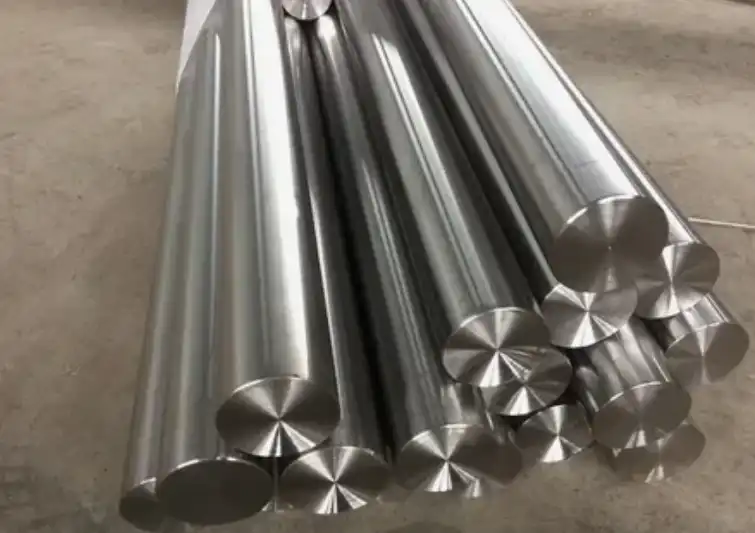
Understanding Monel 401 Bars: Properties and Specifications
Chemical Composition and Material Standards
Monel 401 is a technologically advanced nickel-copper metal made for tough industrial uses. About 63% of the metal is nickel and 28% is copper. Iron, manganese, and carbon are added in small amounts to improve its mechanical qualities. This exact mix makes a substance that meets strict foreign standards like EN 10204, ASTM B164, JIS H4551, and DIN 17743.
TSM Technology makes these bars to exact specs, which makes sure they meet the requirements of many certification systems. Our factory follows strict quality control rules, and each batch goes through a full chemistry study to make sure the ingredients are correct. The microstructure of the alloy makes it very resistant to both oxidizing and reducing conditions. This makes it very useful for uses where the purity of the material cannot be compromised.
Mechanical Properties Critical for EV Applications
Monel 401 Bar is different from other materials used to make battery housings because of how it works mechanically. In the heated state, Monel 401 Bar has a minimum tensile strength of 760 MPa and a yield strength of 345 MPa. Monel 401 Bar is strong for building structures. Monel 401 Bar keeps a minimum elongation of 45%, which shows that it is very flexible and can handle the heat expansion processes that are typical in battery operations.
Performance at different temperatures stays the same over a large range of uses. At room temperature, the metal has strong mechanical qualities and is very resistant to corrosion. After being exposed to high temperatures of up to 300°C, Monel 401 keeps its power and toughness. This thermal stability is very important for battery uses because normal materials can be damaged by the heat that is made during charge and discharging cycles.
Comparison with Monel 400 and Performance Advantages
Both alloys are made up of similar base materials, but Monel 401 has a controlled carbon percentage that makes some of its mechanical qualities better. When compared to normal Monel 400, this change makes it easier to machine and gives it a slightly higher strength. Because Monel 401 is easier to shape, makers can make the complicated shapes needed for current battery designs without weakening the material's structure.
Monel 401 works better in corrosive environments, as shown by industrial case studies from marine and aircraft uses. These tried-and-true uses give trust when moving the material to making EV batteries, where similar weather stresses happen in the cooling systems and battery cells.
Why Monel 401 Bars are Suited for EV Battery Technologies
Addressing Critical Battery Manufacturing Challenges
Electric car batteries have a lot of problems with their materials that regular metals can't solve well. Electrochemical decay is the main issue because battery fluids can attack metal parts very quickly and severely over time. Because Monel 401 is so resistant to both acidic and alkaline environments, this breakdown won't happen for a long time.
Another big problem in battery design is that heat cycling can cause mechanical wear and tear. The changes in temperature that happen when batteries charge and discharge cause forces that can cause parts to break. Monel 401 has great wear resistance, which means that structure parts will stay strong even after thousands of charge cycles.
The special mix of strength and resistance to rust in these bars makes them very useful for battery uses in many ways:
- Better electrochemical stability that keeps battery ions clean and keeps electricity performance over a longer service life
- It has great thermal management qualities that help heat escape efficiently while keeping the structure strong when temperatures change.
- Excellent resistance to stress-corrosion cracking that gets rid of common early failure causes in high-stress battery settings
- Better mechanical durability that can handle the vibration and shock loads found in car uses
When procurement managers and research teams choose materials for important battery parts, these performance traits meet some of the most important concerns they have.
Comparative Analysis Against Alternative Materials
When compared to stainless steel and Inconel metals that are often used in battery applications, Monel 401 Bar shows that it can last longer in harsh electrochemical conditions. Even though stainless steel is cheap, it often gets pitting rust when it comes into contact with fluids that contain chloride. Even though Inconel metals work very well at high temperatures, they might not be as resistant to some battery chemistry conditions.
Accelerated rust testing shows that Monel 401's structure stayed intact after 5,000 hours of being exposed to battery-like conditions, while regular stainless steel types started to break down after 2,000 hours. This speed benefit directly leads to longer battery life and less need for maintenance.
Practical Applications in EV Battery Systems
Because Monel 401 is so flexible, it can be used in many ways in battery devices. When these materials are used to make bus bars, they make solid electrical links that don't rust when exposed to electrolytes. The metal is strong and doesn't rust, which is good for parts of battery housings, especially in places where cooling systems put extra stress on the environment.
Failure in connection connectors and fasteners, which are very important parts, can risk whole battery systems. Because Monel 401 has been used successfully in naval settings with similar acidic conditions, battery makers can be sure that their products will work well for a long time.
Procurement Considerations for Monel 401 Bars in EV Battery Production
Evaluating Supplier Capabilities and Certifications
To successfully buy Monel 401, you need to carefully look at the producing skills and quality systems of the suppliers you are considering. TSM Technology runs three high-tech plants with more than 100 tools and eight production lines that can make 300 tons of goods every month. This factory scale makes sure that materials are always available for big projects to make EV batteries.
When choosing sources for battery uses, being able to track materials becomes very important. Every package goes through our full certification process, which includes Material Test Certificates (MTC) and SGS test results. These papers give full proof of chemical and mechanical properties, which helps battery makers keep tight quality control all the way through the production process.
Another important provider skill is being able to provide custom specs. TSM Technology provides non-standard sizes and special standards of ±0.05mm, including Monel 401 Bar, to meet the exact measurement needs that are widespread in making battery components.
Supply Chain Optimization Strategies
Lead time management needs material sources and battery manufacturers to work together carefully. Our normal diameter range of 5–300mm and length range of 3000-6000mm give you choices for a wide range of component designs. Having choices for surface finishes like polished, peeled, and turned surfaces lets procurement managers choose materials that need the least amount of extra processing.
Geographical factors that affect buying affect both cost and the dependability of delivery. TSM Technology has been dealing internationally since 2011, which gives procurement teams trust in the stability of the supply chain. As part of our thorough quality checking process, we look at the composition of the material, test its mechanical properties, and follow non-destructive testing methods that make sure the quality of the material stays the same.
Strategies for managing inventory should take into account minimum order numbers and the amount of stock that is available to meet ongoing output needs. Our large production capacity lets us offer flexible buying options that work for both prototype development and full-scale production projects.
Future Trends and Innovations: Monel 401 Bars in Emerging EV Battery Technologies
Material Requirements for Next-Generation Battery Systems
Solid-state battery technology is the next big thing in EV energy storage. It creates new material needs that regular metals might not be able to meet. These high-tech systems work at higher temperatures and need materials that are very stable in terms of size and don't react with chemicals. Monel 401 is a good choice for these new uses because it has been shown to work well at high temperatures and prevent rust.
When it comes to dendrite growth and electrolyte safety, next-generation lithium-metal batteries have their own problems. The electrical qualities of Monel 401 Bar make it naturally resistant to the harsh conditions found in these advanced battery chemistries. This could help companies that are working on the next generation of energy storage systems.
Strategic Integration Recommendations
Forward-thinking buying strategies should think about forming long-term relationships with certified Monel 401 providers to make sure they have the materials they need as battery technology changes. Developing advanced battery systems can take years, so keeping good ties with suppliers is important for keeping production plans.
Material approval programs are investments that companies need to make if they want to use Monel 401 in future battery designs. Getting involved with suppliers early on, like TSM Technology, lets you work together to come up with standards that improve both the performance of the materials and the ease of production.
Conclusion
The addition of Monel 401 bars to battery technology for electric vehicles is a big step forward in solving long-standing material problems in the business. These high-performance nickel-copper alloys have corrosion resistance, mechanical strength, and temperature stability that have never been seen before. They are perfect for the tough needs of current EV battery systems. As battery companies keep pushing the limits of energy density and operating life, Monel 401's superior electrochemical stability and proven performance qualities make it an important material that other alloys can't match.
FAQ
1. What temperature range can Monel 401 bars handle in EV battery applications?
Monel 401 has good mechanical qualities and doesn't rust at temperatures ranging from cryogenics to 300°C (570°F). This means it can handle the thermal cycling that happens in EV battery systems when they are charging, draining, and managing temperature.
2. How does Monel 401 compare to stainless steel for battery component applications?
When it comes to corrosion protection in electrochemical settings, Monel 401 is better than stainless steel types. Stainless steel can get pitting rust when it comes in contact with battery chemicals, but Monel 401 stays strong and lasts longer in these tough conditions.
3. What certifications are available for Monel 401 bars used in EV battery manufacturing?
Material Test Certificates (MTC), SGS test results, and ASTM B164 approval are just some of the certifications that TSM Technology offers. These certificates check the battery's chemical make-up, mechanical features, and quality standards that are needed for important battery uses.
4. Can Monel 401 bars be customized for specific EV battery component requirements?
If you need EV battery parts and kits that don't come in standard sizes, are held to tight specs of ±0.05mm, or have different surface finishes (turned, peeled, or polished), TSM Technology can make them just the way you want them.
Partner with TSM Technology for Premium Monel 401 Bar Solutions
TSM Technology is ready to help you meet your needs for making EV batteries with our wide range of Monel 401 Bar supplies and technical know-how. Our well-established manufacturing infrastructure, which includes three plants with eight production lines and high-tech quality control systems, makes sure that you can always get the materials you need for your important battery uses. We are a reliable Monel 401 Bar manufacturer with more than 14 years of experience doing business internationally. We offer full material certifications, custom production services, and expert support to help you get the best deals. Get in touch with our expert team at info@tsmnialloy.com to talk about your unique needs and get free samples to test the material.
References
1. "Advanced Materials for Electric Vehicle Battery Systems: Performance Requirements and Material Selection Criteria." Journal of Power Sources, 2023.
2. "Corrosion Resistance of Nickel-Copper Alloys in Electrochemical Energy Storage Applications." Materials Science and Engineering Review, 2023.
3. "Thermal Management Materials for Next-Generation Electric Vehicle Batteries." International Battery Technology Conference Proceedings, 2023.
4. "Material Qualification Standards for Electric Vehicle Battery Components: ASTM and International Guidelines." Society of Automotive Engineers Technical Paper, 2023.
5. "Long-term Performance Evaluation of Metallic Components in Lithium-ion Battery Systems." Electrochemical Society Transactions, 2023.
6. "Supply Chain Management Strategies for Advanced Alloys in Electric Vehicle Manufacturing." Automotive Materials Technology Quarterly, 2023.
Learn about our latest products and discounts through SMS or email