- English
- French
- German
- Portuguese
- Spanish
- Russian
- Japanese
- Korean
- Arabic
- Greek
- German
- Turkish
- Italian
- Danish
- Romanian
- Indonesian
- Czech
- Afrikaans
- Swedish
- Polish
- Basque
- Catalan
- Esperanto
- Hindi
- Lao
- Albanian
- Amharic
- Armenian
- Azerbaijani
- Belarusian
- Bengali
- Bosnian
- Bulgarian
- Cebuano
- Chichewa
- Corsican
- Croatian
- Dutch
- Estonian
- Filipino
- Finnish
- Frisian
- Galician
- Georgian
- Gujarati
- Haitian
- Hausa
- Hawaiian
- Hebrew
- Hmong
- Hungarian
- Icelandic
- Igbo
- Javanese
- Kannada
- Kazakh
- Khmer
- Kurdish
- Kyrgyz
- Latin
- Latvian
- Lithuanian
- Luxembou..
- Macedonian
- Malagasy
- Malay
- Malayalam
- Maltese
- Maori
- Marathi
- Mongolian
- Burmese
- Nepali
- Norwegian
- Pashto
- Persian
- Punjabi
- Serbian
- Sesotho
- Sinhala
- Slovak
- Slovenian
- Somali
- Samoan
- Scots Gaelic
- Shona
- Sindhi
- Sundanese
- Swahili
- Tajik
- Tamil
- Telugu
- Thai
- Ukrainian
- Urdu
- Uzbek
- Vietnamese
- Welsh
- Xhosa
- Yiddish
- Yoruba
- Zulu
Hastelloy C-22 or Hastelloy C-276: Which Is Right for Your Processing Environment?
Choosing between Hastelloy C-22 and C-276 depends on your specific chemical exposure, temperature range, and corrosion challenges. Hastelloy C22 tube offers enhanced resistance in both oxidizing and reducing environments, making it ideal for diverse processing conditions where unpredictable chemical reactions occur. C-276, while highly effective in reducing environments, may experience limitations under certain oxidizing conditions. If your operations involve variable chemical exposures or require maximum versatility across different acid concentrations, C-22 typically provides superior long-term performance with reduced maintenance cycles and extended service life.
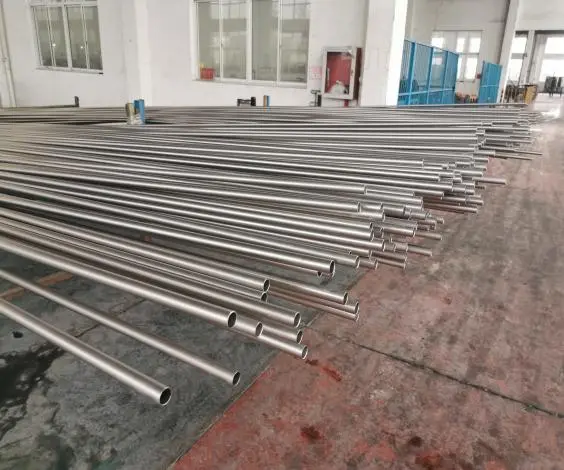
Understanding Hastelloy C-22 and Hastelloy C-276 Alloys
It is important to know the differences in the metalworking of these nickel-based superalloys when choosing corrosion-resistant materials for tough industrial uses. Both metals are made up of nickel, chromium, and molybdenum, but their different compositions make them work differently.
Chemical Composition and Alloying Elements
The chemicals that make up these metals have a direct effect on how well they fight corrosion and how strong they are. Nickel makes up the rest of Hastelloy C-22. It has 20–22% chromium, 12.5–14.5% molybdenum, and 2.5–3.5% tungsten. This mixture gives great protection to a wider range of corrosive substances. There is 14.5 to 16.5% chromium, 15 to 17% molybdenum, and 3 to 4.5% tungsten in C-276. C-276 is especially good in reducing conditions because it has less chromium in it. However, it may not work as well in acidic acids.
The amount of carbon in something is another important difference. C-22 keeps its carbon levels very low (≤0.015%), which makes carbide precipitation much less likely to happen during welding and heat treatment. This property makes sure that the metal keeps its ability to fight corrosion even in areas where heat has affected structures that have been welded. This is because C-276 usually has more carbon in it, which can make it less useful in high-temperature situations where carbides form too easily.
Mechanical Properties and Performance Characteristics
Both metals have strong mechanical properties that make them perfect for use in high-pressure systems. Hastelloy C22 tube has a tensile strength of 690 MPa and a yield strength of 283 MPa. It can stretch by 45%, which makes it very flexible for use in production processes. With a tensile strength between 690 and 790 MPa, C-276 has similar mechanical qualities to other alloys. This means that both can be used for structural purposes in harsh settings.
Because these materials are thermally stable, they can be used in a wide range of temperatures. With a melting point of 1399°C, C-22 stays strong in high-temperature situations that are common in aircraft systems and power plants. Both metals are resistant to thermal fatigue, but C-22 is better at resisting oxidation at temperatures above 650°C, which is important for processes that happen all the time at high temperatures.
Manufacturing Standards and Quality Assurance
Seamless nickel alloy tubes made according to ASTM B622 standards makes sure that the dimensions stay the same and the metal stays strong for important uses. Welded tube types that meet ASTM B619 and B626 standards are a cost-effective option when flawless building isn't needed. To make sure that materials can be tracked, which is important for certification, materials experts and quality assurance teams make sure that these standards are followed. They set the limits for composition tolerances, the mechanical property requirements, and the testing methods.
Following these standards very closely, TSM Technology provides tubes with outside sizes ranging from 6.0 mm to 114 mm, wall thicknesses ranging from 0.5 mm to 15 mm, and lengths reaching 15,000 mm. This production freedom meets a wide range of engineering needs in many fields, from small heat exchanger tubes to chemical processing plant piping systems with large diameters.
Performance Comparison – Which Alloy Excels Where
To choose the right metal, you have to look at how it works in a number of different operating situations. When certain natural stresses happen, the differences between these materials become clearest.
Corrosion Resistance in Aggressive Chemical Environments
When there are both oxidizing and reducing conditions in a mixed-acid environment, C-22 shows great flexibility. Stress corrosion cracks, pitting, and crevice corrosion caused by salt are not possible with this metal over a wide temperature range. When used in chemical processes with sulfuric acid, hydrochloric acid, and chlorine-contaminated solutions, C-22 always works better than other stainless steels and as well as or better than C-276.
C-276 works especially well in reducing conditions, especially when working with hot, contaminated mineral acids and organic chemicals that contain chloride. In the past, C-276 has been used for piping systems and pressure tanks in refineries that handle sour gas with high levels of hydrogen sulfide. C-22, on the other hand, corrodes much less quickly in oxidizing media like ferric chloride or cupric chloride solutions.
Within eighteen months, normal austenitic stainless steel equipment at a petrochemical plant that dealt with mixed acid waste streams broke down. After moving to Hastelloy C22 tubes for their heat transfer systems, the company went over seven years of constant service without any corrosion being seen. This shows that the alloy really does last longer. This longer service period immediately leads to lower replacement costs and fewer breaks in production.
High-Pressure and Temperature Performance
Both metals keep their mechanical strength at high temperatures that are common in tools used to electricity. At temperatures close to 870°C, Hastelloy C22 tube still has its yield strength, which means it can be used for turbine parts and high-temperature pipes in thermal power plants. At these temperatures, the metal is more resistant to oxidation than C-276, which may form surface oxides that weaken its long-term stability.
For pressure vessels used on offshore oil platforms, materials must be able to handle both mechanical stress and rust from seawater. Marine experts have noticed that C-22 works really well in these two types of stress settings, keeping its shape and not pitting from salt, which happens a lot with lower alloys. Nickel-chromium-molybdenum tubing is the best choice for underwater equipment that works under very high hydraulic pressures because it is strong when pulled apart and doesn't rust.
Fatigue Resistance and Service Lifespan
In aircraft uses and reciprocating equipment, materials need to be able to handle cyclic loading situations. The lower carbon level in C-22 makes it more flexible, which makes it less likely to develop stress cracks. Manufacturers of aerospace parts have found that turbine parts made from C-22 last longer between servicing cycles than parts made from other superalloys.
Cleaning rounds happen often on tools used to make medicines. Oxidizing sanitizers and process chemicals are used alternately. This repeated chemical contact can speed up the breakdown of alloys that aren't very strong. When used in pharmaceutical reactor systems, Hastelloy C22 tube has been shown to last more than fifteen years without needing to be replaced. On the other hand, C-276 parts in similar situations sometimes need to be inspected and replaced every eight to ten years.
Procurement Considerations for Hastelloy Tubes
Getting the right materials for a project requires more than just technical specs. It also involves making sure the supply chain is reliable, checking the quality, and negotiating terms that keep the project on schedule.
Pricing Trends and Market Availability
The prices of nickel and molybdenum directly affect the costs of superalloys. The slightly higher chromium percentage and lower carbon requirements of C-22 can change its price compared to C-276, but market conditions change all the time depending on the supply of raw materials. Directors of procurement can benefit from building ties with makers who keep strategic stocks of raw materials, which keeps prices stable when the market changes.
Lead times for custom sizes and big orders are usually between eight and twelve weeks, but this depends on how complicated the making is and how busy the factory is right now. Custom specs that need specific heat treatments or non-standard sizes may make shipping times longer. When engineering managers are planning big projects, they should talk to suppliers early on in the design process to make sure that the supply of materials matches the schedule for building.
Supplier Credentials and Certifications
Quality control starts with making sure the seller is qualified. Companies with ISO 9001 certification show that they manage quality in a planned way, and companies with specific industry certifications like API, PED, or ASME rules show that they can handle important tasks. Materials engineers should make sure that sources give them all the paperwork they need to track down materials, such as heat numbers, mill test results, and third-party inspection certificates.
TSM Technology has been providing corrosion-resistant metals for fourteen years, which shows our dedication to quality and dependability. Our strict checking procedures make sure that every tube meets or goes beyond the requirements. We test the mechanical strength, corrosion resistance, and dimensions of representative samples from each production lot and provide you with paperwork that meets your quality assurance needs and regulatory compliance responsibilities.
Customization Options and Technical Support
Standard tube sizes are useful for many things, but unique sizes are often needed for specialized tools. Manufacturers who can make custom lengths, outer sizes, and wall thicknesses give engineering teams a lot of freedom when they're creating systems that work best. Because tubes can be bought up to 15,000 mm long, they don't have to be welded in the field for some setups. This saves money on labor and reduces the chance of failure.
Getting technical help when choosing materials can help you avoid making mistakes that cost a lot of money. Suppliers with a lot of experience can help you choose the right types based on your chemical exposure, temperature profile, and engineering needs. When switching from standard materials to advanced superalloys, this advice service is especially helpful because application knowledge has a big impact on long-term performance.
Evaluating the Benefits of Choosing Hastelloy C-22 Tubes
Understanding the unique benefits of C-22 helps make the case for using it in mission-critical situations where the performance of the material has a direct effect on safety and operating efficiency.
Superior Corrosion Resistance Across Diverse Environments
The mechanical design of C-22 solves one of the biggest problems in chemical processes, which is that equipment has to deal with many chemicals that have different oxidation potentials all the time. In the old way of doing things, you had to choose different materials for each step of the process, which made upkeep and keeping track of supplies harder. Because C-22 works well in both oxidizing and reducing conditions, engineers can use the same material for a wide range of tasks.
This broad-spectrum resistance gives repair buying teams real-world benefits. Standardizing on Hastelloy C22 tubes for heat exchangers, piping systems, and reactor parts makes it easier to keep track of extra parts. When unplanned repair needs to be done, having a single alloy standard makes it easier to get parts and cuts down on equipment downtime, which directly improves business readiness.
Compliance with Industry Standards and Welding Best Practices
The features of the fabrication have a big effect on the total cost of the job. The very low carbon level of C-22 makes it easy to weld because it doesn't become sensitive during the process. Because of this feature, welding can be done without a post-weld heat treatment in many situations. This saves time and money during the manufacturing process. Welded seams keep the rust resistance of the base metal, so you don't have to worry about attacks that happen more easily in areas that have been heated.
The alloy meets the requirements of ASTM B622, B619, and B626 standards, which means it can be used with standard engineering and design methods. This standardization makes the processes of making specifications, buying things, and checking the quality easier. Experts in materials are glad that there is a lot of information about the properties of C-22. This information helps with finite element analysis and other engineering studies that are needed to build important equipment.
Environmental and Operational Benefits
Longer service life means that less material will be used over the course of a facility's life. When compared to standard stainless steel options, equipment made from C-22 needs to be replaced less often. This means that less material is used and less damage is done to the environment when new parts are made. As businesses work to meet environmental responsibility goals, this sustainability factor plays a bigger role in purchasing choices.
The temperature steadiness of C-22 makes it better for saving energy. Heat exchanger systems keep transferring heat efficiently for a long time because their surfaces are corrosion-resistant and don't get fouled or scaled over time, which happens with lower-quality materials. Chemical processing plants have reported saving 12–15% on heating costs after switching from carbon steel or standard stainless steel heat exchangers to nickel-molybdenum alloy equipment. These efficiency gains last for the longer life of the equipment.
Making the Right Choice: Hastelloy C-22 or C-276 for Your Environment
The best metal for an operation's needs is chosen by engineering teams using structured decision-making processes that balance technical performance with business needs.
Decision Framework for Material Selection
Start by giving a full description of your chemistry surroundings. Write down all the chemicals used in the process, how much of them there is, the temperature at which they are working, and whether the conditions are oxidizing, reducing, or switching. When oxidizing conditions occur or when chemical exposure changes between working modes, C-22 works very well. C-276 is still good for regularly lowering environments, especially in long-standing uses that have a history of success.
Look at the temperature patterns both when things are running normally and when something goes wrong. C-22 is better at resisting oxidation, which is useful in situations where temperatures stay above 650°C for a long time. Think about mechanical pressures like internal pressure, external loads, and thermal cycles. These affect how long something lasts and how reliable it is in the long run.
Due to limited funds, it is necessary to balance the beginning prices of materials with their long-term costs. Although C-22 may be more expensive than C-276, its longer working life and less frequent upkeep often make it cheaper to own overall. To find the most cost-effective option, you should do a lifecycle cost study that includes the prices of materials, labor, installation, expected repair intervals, and replacement.
Comparative Application Summary
Hastelloy C22 tube works best in chemical processing plants that deal with mixed acids or chlorine-contaminated streams. C-22 is resistant to changing chemical exposures, which is helpful for pharmaceutical centers that need to clean and disinfect often. C-22 is used for turbine parts and exhaust systems in aerospace uses that need resistance to oxidation at high temperatures.
Hastelloy C-276 has been used for a long time by oil and gas companies that work with sour crude or settings high in hydrogen sulfide. It still works well in these situations. Pollution control tools in coal-fired power plants that work in settings that are constantly getting worse can use C-276 to save money without sacrificing performance.
Marine uses have tough rust problems because they are exposed to chloride and are under a lot of mechanical stress. Because it is better at resisting stress corrosion cracks and crevice corrosion in saltwater, C-22 is the best choice for offshore platforms, desalination systems, and marine engine parts.
Expert Recommendations and Common Pitfalls
Don't choose things based only on how much they cost at first without thinking about how long they will last. The extra cost of C-22 compared to regular stainless steel is usually recouped in two to three years by lower upkeep costs and longer replacement times. Similarly, using C-276 in places where reactive chemicals are present could lead to early failure and unexpected downtime that costs a lot more than the initial material savings.
Make sure that the makers know how to properly weld nickel-based metals. No matter how good the base material is, bad welding techniques can make it less resistant to rust. Need specifics on how to weld and standards for the welders that are right for these advanced metals.
Early on in the planning process, talk to material providers. Manufacturers with a lot of experience with different applications can spot possible problems with the performance of materials before they become practical failures. This kind of proactive technical advice often leads to improvement opportunities that make things work better and cost less.
Conclusion
Before you can choose between Hastelloy C-22 and C-276, you need to carefully look at your processing environment, chemical exposures, and operating factors, including the use of Hastelloy C22 tube. C-22 is the best choice for high-temperature and chemically diverse environments because it works so well in both oxidizing and reducing situations. It is chosen for important systems where dependability cannot be compromised because it is easy to weld, lasts a long time, and resists a wide range of corrosion. C-276 is still good for certain lowering conditions that have been used successfully in the past. When procurement managers, materials experts, and project teams understand these differences, they can make decisions that improve both efficiency and lifecycle costs for their operations.
FAQ
1. Can Hastelloy C-22 tubes be welded without special heat treatment?
Is it possible to weld Hastelloy C22 tubes without using a special heat treatment? Yes, the very low carbon level (≤0.015%) of C-22 makes it possible to weld without doing a post-weld heat treatment for most uses. The material doesn't become sensitive, so it keeps its rust protection in areas that are heated. When the right replacement metals are used, standard gas tungsten arc welding or gas metal arc welding methods work well. Compared to alloys that need to be heated after welding, this manufacturing benefit lowers the cost of installation and makes it easier to make changes in the field.
2. What industries benefit most from using C-22 over C-276?
Chemical processing plants that work with mixed acids, pharmaceutical companies that need to keep their equipment clean, aerospace companies that need to keep their equipment resistant to high temperatures and rust, and marine uses that are exposed to chloride-rich environments can all benefit greatly from C-22. These businesses have shorter repair cycles and equipment that lasts longer, which is why C-22 was chosen, even though it might cost more at first.
3. How does tube wall thickness affect corrosion allowance calculations?
When choosing a wall thickness, you should think about the design pressure needs as well as the corrosion limit based on the predicted service life and the rate of corrosion. Because C-22 doesn't rust as easily in harsh settings, its walls can be smaller than those made of stainless steel. This could lower the weight of the system and the cost of the materials. When figuring out the right corrosion allowances and minimum wall thickness standards, engineering teams should look at corrosion rate files that are specific to the chemicals they work with.
Partner with TSM Technology for Your Hastelloy C22 Tube Requirements
Choosing the right corrosion-resistant metal is only the first step in completing a job successfully. TSM Technology has been making and providing high-quality Hastelloy C22 tubes to demanding businesses around the world for more than fourteen years. Our Hastelloy C22 tube goods are made to strict ASTM B622, B619, and B626 standards, and we provide full traceability paperwork to back up your quality assurance procedures. We know how important your uses are and keep a close eye on quality throughout the whole production process. Whether your project needs standard sizes or unique instructions, our technical team can help you choose the right materials and make the right specs. Get in touch with our knowledgeable staff at info@tsmnialloy.com to talk about your needs with a reliable Hastelloy C22 tube source that cares about your business's success.
References
1. Davis, J.R. (2000). Nickel, Cobalt, and Their Alloys. ASM International Handbook Committee.
2. Rebak, R.B. (2005). "Corrosion Resistance of Nickel Alloys in Oxidizing and Reducing Environments." Corrosion Science and Technology, Vol. 4, pp. 156-183.
3. ASTM International (2021). ASTM B622-21: Standard Specification for Seamless Nickel and Nickel-Cobalt Alloy Pipe and Tube. West Conshohocken, PA.
4. Mankins, W.L. & Lamb, S. (1990). "Nickel and Nickel Alloys in Process Industries." Materials Performance, Vol. 29, No. 11, pp. 71-76.
5. Crook, P. & Sedriks, A.J. (1998). "Corrosion Resistance of Advanced Nickel-Based Alloys in Aggressive Chemical Processing Environments." Journal of Materials Engineering and Performance, Vol. 7, pp. 134-142.
6. Special Metals Corporation (2019). Hastelloy C-22 Alloy: Technical Data and Engineering Properties. Technical Bulletin, Huntington, WV.
Learn about our latest products and discounts through SMS or email