- English
- French
- German
- Portuguese
- Spanish
- Russian
- Japanese
- Korean
- Arabic
- Greek
- German
- Turkish
- Italian
- Danish
- Romanian
- Indonesian
- Czech
- Afrikaans
- Swedish
- Polish
- Basque
- Catalan
- Esperanto
- Hindi
- Lao
- Albanian
- Amharic
- Armenian
- Azerbaijani
- Belarusian
- Bengali
- Bosnian
- Bulgarian
- Cebuano
- Chichewa
- Corsican
- Croatian
- Dutch
- Estonian
- Filipino
- Finnish
- Frisian
- Galician
- Georgian
- Gujarati
- Haitian
- Hausa
- Hawaiian
- Hebrew
- Hmong
- Hungarian
- Icelandic
- Igbo
- Javanese
- Kannada
- Kazakh
- Khmer
- Kurdish
- Kyrgyz
- Latin
- Latvian
- Lithuanian
- Luxembou..
- Macedonian
- Malagasy
- Malay
- Malayalam
- Maltese
- Maori
- Marathi
- Mongolian
- Burmese
- Nepali
- Norwegian
- Pashto
- Persian
- Punjabi
- Serbian
- Sesotho
- Sinhala
- Slovak
- Slovenian
- Somali
- Samoan
- Scots Gaelic
- Shona
- Sindhi
- Sundanese
- Swahili
- Tajik
- Tamil
- Telugu
- Thai
- Ukrainian
- Urdu
- Uzbek
- Vietnamese
- Welsh
- Xhosa
- Yiddish
- Yoruba
- Zulu
Monel Pipes Guide: Types, Uses & Key Properties
Selecting the right piping material for harsh industrial environments can mean the difference between reliable operations and costly failures. Monel tube represents a specialized nickel-copper alloy solution that delivers exceptional performance where corrosion, extreme temperatures, and aggressive chemicals threaten conventional materials. Used extensively across marine, chemical processing, aerospace, and energy sectors, these alloy pipes offer proven durability backed by decades of field performance. Understanding Monel's composition, available grades, and practical application benefits enables procurement teams and engineering managers to make confident material selections that protect critical infrastructure investments.
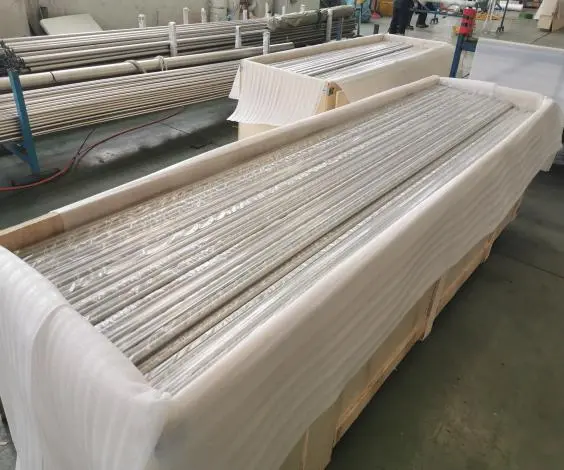
Understanding Monel Pipes: Composition, Properties & Benefits
The Metallurgical Foundation of Monel Alloys
Monel tubes have amazing qualities because they are made of a perfectly balanced nickel-copper alloy that has 63-67% nickel and 27-33% copper. This basic structure of the metal makes it naturally resistant to the corrosion processes that break down regular steels and many stainless grades very quickly. Adding aluminum and titanium to some types makes it possible to use age-hardening processes that make the metal much stronger without lowering its resistance to rust. This mixture of metals makes a substance that can survive long-term contact with seawater, hydrofluoric acid, and alkaline solutions that would eat away at other substances in months.
Mechanical Performance Under Extreme Conditions
Because of how it is made, Monel tube can be used in difficult situations where temperatures are very high or very low. These metal tubes can work at temperatures ranging from -196°C to 550°C and have a tensile strength of up to 1100 MPa. They keep their structural integrity where heat cycling and mechanical stress meet. Even at freezing temperatures, the material is very flexible and tough, which makes it useful for processing LNG and other low-temperature uses. Testing done according to ASTM B117 standards shows that ocean damage rates are as low as 0.001 mm per year. This means that offshore platforms and marine installations will last longer and need to be replaced less often.
Comparative Advantages Over Conventional Materials
When compared to 316L stainless steel in hydrofluoric acid service, Monel tubes last about ten times longer, which lowers lifetime costs even though it costs more to buy at first. The alloy is better than austenitic stainless steels at resisting stress corrosion cracking in chloride settings. This means that catastrophic failures in heat exchangers in refineries and offshore pumps are no longer a risk. Monel stays strong at high temperatures, unlike copper-based options, and it doesn't dezincify or react with other types of selective corrosion. Because of its performance profile, nickel-copper alloy tubing is the most cost-effective choice for uses where failure too soon could have major practical and safety effects.
Types of Monel Pipes and Their Industrial Applications
Monel 400: The Workhorse Grade
According to UNS N04400 standards, Monel 400 is the most commonly used grade. It can be made in seamless Monel tubes that meet ASTM B163, ASME SB163, and EN 10095 standards. This grade is made by TSM Technology and comes in outer sizes from 6.0 mm to 114 mm and wall thicknesses from 0.5 mm to 15 mm. It can be used for a wide range of pipe needs, from instrument tubing to process piping. The material is easy to work with because it can be welded and machined easily. It also keeps its mechanical qualities even in areas that have been heated. We can make pipes up to 15,000 mm long, which means that long pipe runs don't need as many joints and there are fewer places where they could leak.
Monel K-500: Enhanced Strength Through Precipitation Hardening
The K-500 version has aluminum and titanium added to it, which allows for precipitation hardening heat processes. This makes the alloy harder (around HRC 35), but it still has the base alloy's corrosion protection. This grade is mostly used in high-strength naval parts, pump shafts, and valve stems that are subjected to both mechanical stress and toxic environments. The age-hardening process makes γ' phase precipitates (Ni₃Al/Ti) that stop dislocations from moving. This greatly increases yield strength without making the material weak like cold-working does. Aerospace companies use K-500 for turbine parts that need to be resistant to rust and strong enough to handle repeated loads.
Customization Capabilities and Dimensional Standards
These days, buying things from other businesses online (B2B) requires that product specs be flexible so that they can meet exact engineering needs. We allow for customization in terms of dimensions, surface processes like grinding and anodizing, and specific testing methods. Every shipment comes with material proof. Mill Test Certificates (MTC) and SGS test results show the exact chemical make-up and mechanical properties of the material. This tracking meets the quality assurance needs for aircraft (AS9100D), nuclear (ASME Section III), and marine uses (NACE MR0175). Precision EDM cutting and cold drawing allow us to keep tolerances for dimensions within ±0.01mm, which helps procurement teams make sure that parts will fit correctly when they are installed in the field.
Sector-Specific Applications Driving Demand
Monel tubes are used in marine engineering for cooling systems with seawater, desalination plants, and moving brine. These are all places where the salty water from the sea causes active rusting. Chemical processing plants use these metal tubes in areas that handle hydrofluoric acid, chlorinated hydrocarbons, and alkali processing. The choice of material has a direct effect on the safety of the plant and its ability to keep running. Monel is used in the oil and gas industry for underwater pipeline joints, wellhead parts, and risers on offshore platforms that are exposed to sour gas with hydrogen sulfide in it. Nickel-copper tubing is used in nuclear reactor cooling systems, geothermal sites, and ship condensers to keep costs down by allowing for longer periods of time between service. Our offshore approval standards for our DNV-GL certified riser tubes are very strict, which gives buyers trust in buying them for important infrastructure projects.
Monel Pipes vs. Other Metal Tubes: Making the Right Choice
Performance Metrics Comparison Framework
When materials engineers look at different piping choices, they have to weigh a lot of different performance criteria against the project's price and the pipes' availability. Comparing Monel tube to Type 316 stainless steel in saltwater uses, the nickel-copper alloy is better at resisting pitting and doesn't have the stress corrosion cracking problems that happen with austenitic stainless grades in chloride settings. While Inconel metals can handle higher temperatures, Monel is a cheaper alternative that offers the same level of corrosion protection for uses below 550°C. Alternatives made of copper and brass aren't strong enough for high-pressure systems and break down easily in acidic environments. Aluminum pipes can't handle the acidic pH ranges that are widespread in chemical processes, so they can't be used in refineries, where Monel works best.
Cost-Benefit Analysis for Long-Term Operations
Even though the starting costs of getting Monel are higher than those of common stainless steels, a lifecycle cost study shows that it has big economic benefits in corrosive service. Reducing the number of replacements leads directly to less upkeep work, less system downtime, and no more emergency repairs. Offshore platform managers say that properly specified Monel tubes last longer than 20 years, while poorly specified stainless options need to be replaced every 5 to 7 years. This edge in durability is especially important in remote sites where the cost of getting to them makes the total cost of material failures higher.
Application-Specific Selection Guidance
When designing systems that will be exposed to seawater all the time, hydrofluoric acid, or high-speed fluid flow that speeds up erosion and rust, procurement managers should select Monel. Because the metal doesn't get damaged by cavitation, it can be used for naval pump suction pipes and impeller parts. Monel is resistant to sulfidation attack at high temperatures, which is good for refineries that process natural oils that have a lot of sulfur in them. On the other hand, uses with only oxidizing acids at high temperatures might be better for other materials, like Hastelloy C-276. On the other hand, carbon steel specs can be more cost-effective when used with dry steam that doesn't contain acidic condensate.
Procuring Monel Pipes: Pricing, Suppliers & Custom Solutions
Understanding Price Structures in Nickel Alloy Markets
Costs of raw materials, order quantities, size requirements, and certifications are just a few of the interconnected factors that affect Monel tube price. The amount of nickel and copper in a base material determines its price, which is affected by how much that metal is worth on the London Metal Exchange. Prices are higher for custom sizes that need special tools than for standard sizes that are kept in stock. When planning output and buying raw materials, economies of scale help with bulk orders. This is why consolidated procurement methods are good for big projects. TSM Technology keeps strategic nickel stocks that protect against short-term price changes. This helps buying teams better predict how much multi-phase projects will cost.
Global Supplier Landscape and Quality Assurance
Specialty nickel alloys come from authorized producers in North America, Europe, and Asia. Each has its own benefits when it comes to capacity, wait times, and expert support. U.S. manufacturers often stress their aerospace certifications and ability to make quick prototypes, while Asian manufacturers offer reasonable prices and large production numbers. TSM Technology has three factories that make things. These factories have eight production lines with more than 100 tools that make 1,500 tons of Monel goods every year. Our 50,000㎡ building has smart quality control systems that make sure the quality of all of our products is the same. These systems include phase-array ultrasonic testing with 100% coverage and XRF proof of raw materials.
Customization Options and Lead Time Considerations
More and more, modern industrial projects need custom solutions that can't be found in a store. We can work with minimum order numbers that are right for both large-scale projects and one-of-a-kind uses that need small amounts. Surface treatments like sandblasting and anodizing get tubes ready for particular locations where they will be used or make the coating process easier. Lead times depend on the size requirements. Standard sizes can be ordered within 72 hours from stock, while special configurations usually need between 4 and 6 weeks to be made and tested. By giving suppliers clear specs early on in the procurement process, such as size requirements, certification needs, and delivery schedules, buyers can help suppliers plan production more efficiently and reliably meet project deadlines.
Procurement Best Practices for Industrial Buyers
To buy nickel metal successfully, you need detailed material specs that list not only the sizes you need, but also the certifications, testing methods, and paperwork that are needed. Including providers in the design process can lead to value engineering chances that could lower costs without lowering performance. By asking for free samples, you can check the accuracy of the measurements and quality of the surface before placing a full-scale order. Building relationships with suppliers that can handle multi-year projects is important for continuity because it ensures that material qualities stay the same, reordering is easier, and technical support is available throughout the lifetime of a product.
Technical Support: Installation, Welding & Maintenance of Monel Pipes
Welding Techniques and Filler Material Selection
To keep the mechanical qualities and corrosion protection of Monel tube systems, it is important to use the right welding methods. Monel Filler Metal 60 is the best composition match for welding Monel tube because it makes sure that the weld layers have the same corrosion protection as the base material. If you follow the right steps, both gas tungsten arc welding (GTAW) and gas metal arc welding (GMAW) will give you good results. Most uses don't need much preheating, but thick-wall parts may benefit from a little preheating to even out the temperature. Because the metal tends to work-harden during welding, it's important to use the right method to keep heat-affected areas from becoming too hard. Backing gases keep the internal surface quality high, which is important for corrosive service uses, by stopping oxidation on root passes.
Installation Practices for Industrial Environments
When installing nickel-copper alloy pipes in the field, it's important to follow certain handling steps to keep them clean and avoid mechanical damage. Staying away from carbon steel tools and work surfaces keeps iron from getting contaminated, which could start localized rusting. The alloy's thermal expansion properties are taken into account by the right support space, especially in systems where temperatures change quickly. According to ASTM B829, hydrostatic testing at 1.5 times working pressure checks the stability of the system before it is put into service. This finds any fitting problems that need to be fixed. For long-lasting binding, flange joints should use gasket materials that are compatible with both the process fluid and the Monel flanges.
Maintenance Protocols and Inspection Intervals
Visual checks for signs of mechanical damage, surface corrosion (which is rare but can happen in some chemical settings), and proper support function should be part of regular inspection programs. While Monel's natural resistance to rust keeps it from breaking down too quickly during its intended use, keeping an eye out for changes in the process conditions that might go beyond what was originally planned helps prevent mistakes that were not expected. Ultrasonic thickness readings taken at regular inspection places keep track of any metal loss over time, though in most cases, the rates are so small that they don't matter. Cathodic protection tracking is useful for offshore sites because it keeps the electricity away from different metals that could form galvanic corrosion cells. When used correctly, engineering teams can expect materials to last more than twenty years, which means they will need a lot less upkeep over their lifetimes than materials that aren't as durable.
Conclusion
Monel tube systems have been shown to work well in the toughest industrial settings, where the choice of material has a direct effect on how reliable the system is and how much it costs over its lifetime. Its nickel-copper makeup makes it very resistant to corrosion in marine, chemical, aircraft, and energy uses. It works better than other materials in acidic conditions, seawater, and high temperatures. When buying teams know the differences between Monel 400 and K-500 grades, they can fit the features of the materials perfectly to the needs of the application. With the right welding and fitting methods, and with little upkeep, these alloy tubes will last for decades and provide solid service. They also have a lower total cost of ownership because they don't need to be replaced as often and are less likely to break down.
FAQ
What industries commonly use Monel pipes?
The main businesses that need Monel tubes are marine engineering, chemical processing, oil and gas production, and power creation. Because it doesn't rust in salt water, the alloy is essential for offshore platforms, naval systems, and seaside facilities. Monel is chemically stable, which is important for chemical plants that work with hydrofluoric acid, alkalis, and chlorine liquids. Manufacturers of aerospace parts define the material for parts that need to be strong and resistant to rust.
How does Monel compare to stainless steel in corrosive environments?
When it comes to corrosion protection, Monel is better than 316L stainless steel in chloride-containing settings and acidic conditions, especially hydrofluoric acid, where it lasts ten times longer than stainless steel. The nickel-copper alloy doesn't crack under stress corrosion, which is what happens when chlorides are added to austenitic stainless steels that are under tension stress.
Can standard welding equipment be used with Monel tubes?
When used with the right filler metals, like Monel Filler Metal 60, standard GTAW and GMAW welding tools work well with Monel tubes. Because the alloy is easy to weld, makers can use current tools as long as they make the right parameter and method changes to work with the way the material hardens. Corrosion resistance is maintained across welded parts with backing gases and cleaning rules.
Partner with TSM Technology for Superior Monel Tube Solutions
For 14 years, TSM Technology has been making high-performance nickel alloy goods for the world's most challenging markets. We have been making Monel tubes for a long time and have three factories where we can make them. We also have strict quality control measures in place, such as AI-powered defect detection and full material tracking through MTC and SGS verification. Our engineering team is there for you from the first specification to the final installation. They offer customization choices, free samples for you to try, and expert advice on how to choose the right materials. Please email our experts at info@tsmnialloy.com to talk about your unique needs and find out how our precision-engineered Monel tube products can make your important pipe systems more reliable and last longer.
References
ASM International Handbook Committee. "Properties and Selection: Nonferrous Alloys and Special-Purpose Materials." ASM Handbook Volume 2, Materials Park, Ohio, 1990.
Copson, H.R. "Effects of Velocity on Corrosion by Water." Industrial and Engineering Chemistry Journal, Volume 44, 1952.
Friend, W.Z. "Corrosion of Nickel and Nickel-Base Alloys." Wiley-Interscience Publication, New York, 1980.
Tuthill, Arthur H. "Guidelines for Selection of Marine Materials." Materials Performance Journal, NACE International, Houston, Texas, 1987.
Davis, J.R. "Nickel, Cobalt, and Their Alloys." ASM Specialty Handbook, ASM International, Materials Park, Ohio, 2000.
Sedricks, A. John. "Corrosion of Stainless Steels in Marine Environments: A Comparison with Nickel Alloys." Corrosion Science Monograph Series, International Nickel Company, 1979.
Learn about our latest products and discounts through SMS or email