- English
- French
- German
- Portuguese
- Spanish
- Russian
- Japanese
- Korean
- Arabic
- Greek
- German
- Turkish
- Italian
- Danish
- Romanian
- Indonesian
- Czech
- Afrikaans
- Swedish
- Polish
- Basque
- Catalan
- Esperanto
- Hindi
- Lao
- Albanian
- Amharic
- Armenian
- Azerbaijani
- Belarusian
- Bengali
- Bosnian
- Bulgarian
- Cebuano
- Chichewa
- Corsican
- Croatian
- Dutch
- Estonian
- Filipino
- Finnish
- Frisian
- Galician
- Georgian
- Gujarati
- Haitian
- Hausa
- Hawaiian
- Hebrew
- Hmong
- Hungarian
- Icelandic
- Igbo
- Javanese
- Kannada
- Kazakh
- Khmer
- Kurdish
- Kyrgyz
- Latin
- Latvian
- Lithuanian
- Luxembou..
- Macedonian
- Malagasy
- Malay
- Malayalam
- Maltese
- Maori
- Marathi
- Mongolian
- Burmese
- Nepali
- Norwegian
- Pashto
- Persian
- Punjabi
- Serbian
- Sesotho
- Sinhala
- Slovak
- Slovenian
- Somali
- Samoan
- Scots Gaelic
- Shona
- Sindhi
- Sundanese
- Swahili
- Tajik
- Tamil
- Telugu
- Thai
- Ukrainian
- Urdu
- Uzbek
- Vietnamese
- Welsh
- Xhosa
- Yiddish
- Yoruba
- Zulu
How to Weld Monel 400 Plate Without Cracking: Expert Tips
Monel 400 plate welding requires precise control over heat input, joint preparation, and filler metal selection. While maintaining exceptional strength and toughness, the solid-solution nickel-copper alloy Monel 400 provides exceptional resistance to seawater, numerous acids, and alkaline environments. Because of these qualities, it is frequently used in chemical processing, power generation equipment, oil and gas, and marine engineering. Although Monel 400 is thought to be weldable, poor welding techniques can result in flaws like contamination, distortion, hot cracking, or decreased corrosion resistance. Producing dependable welded connections requires maintaining a clean welding environment, choosing appropriate filler metals, and adhering to approved welding techniques.
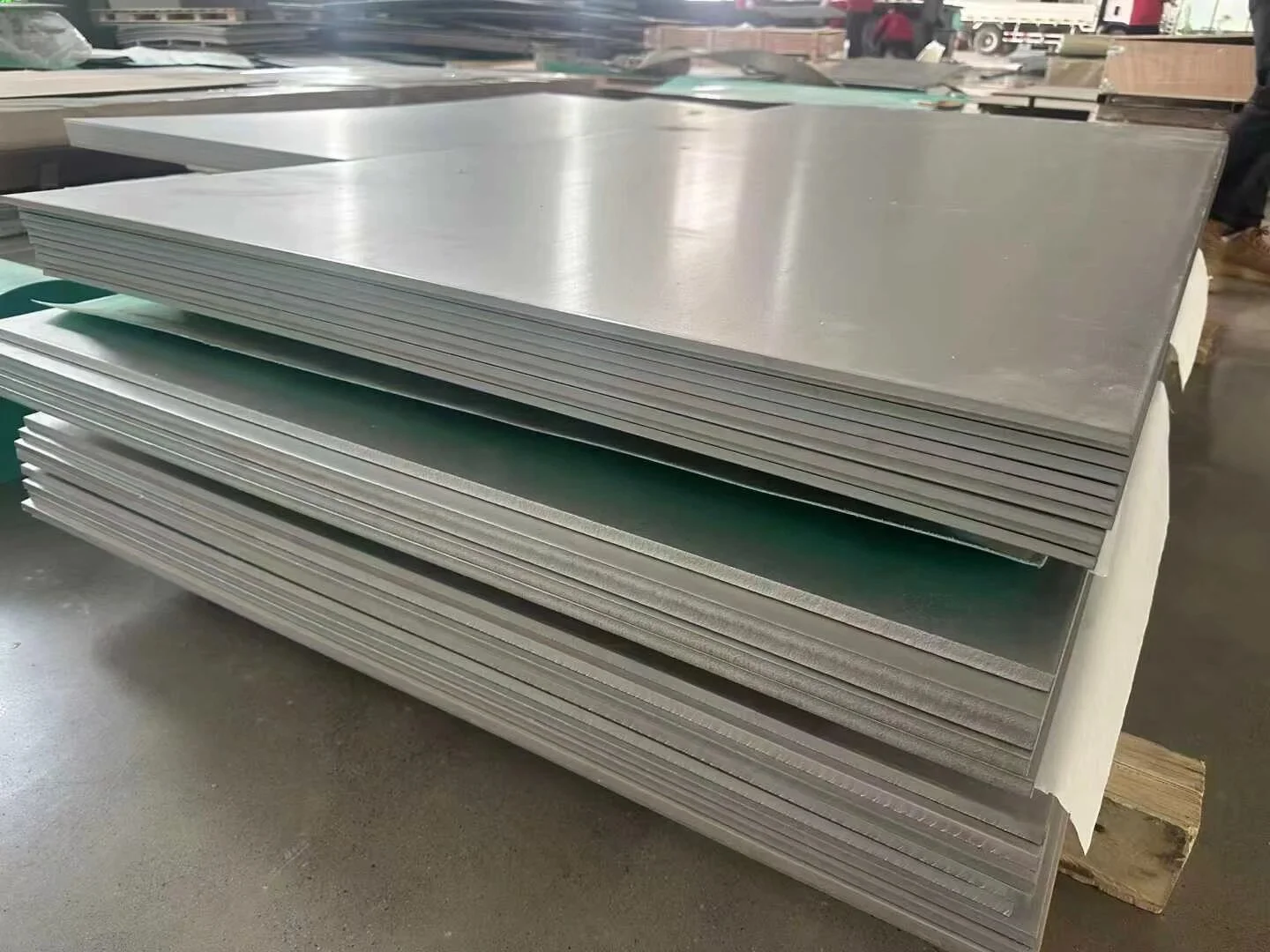
Understanding Monel 400 Plate and Its Welding Challenges
Monel 400, a wrought nickel-copper alloy, is highly valued for its exceptional corrosion resistance and reliable mechanical properties throughout a wide temperature range. Unlike precipitation-hardened nickel alloys, its strength is primarily achieved by solid-solution strengthening, which allows for great weldability provided the proper procedures are followed. Manufacturers and fabricators may reduce fabrication risks while maintaining long-term service performance by comprehending the physical characteristics and welding behavior of Monel 400 plate.
Chemical Composition and Mechanical Properties
Monel 400 typically contains 63–70% nickel and 28–34% copper, with trace amounts of iron, manganese, carbon, silicon, and other residual elements. This well-balanced composition offers excellent resistance to conditions that include alkalis, hydrofluoric acid, chlorides, and seawater. Typical mechanical properties include:
Tensile strength: about 550–620 MPa
Yield strength: around 240 MPa
Density: around 8.8 g/cm³
Thermal conductivity: about 21.8 W/m·K
Compared to austenitic stainless steels, Monel 400 plate is more resistant to saltwater corrosion and chloride attack. When contrasted to high-temperature nickel alloys like Inconel grades, it is usually selected for corrosion resistance rather than elevated-temperature strength.
Root Causes of Cracking During Welding
Monel 400 plate has strong weldability, but if the welding process is not carefully regulated, a variety of variables might increase the likelihood of weld flaws. One common cause is contamination. Surface contaminants such as paint, oil, grease, sulfur, lead, phosphorus, zinc, and others may degrade weld quality and promote hot cracking. Cleaning thoroughly is thus essential before welding. Another cause is excessive heat intake. Overheating the welding process can increase the heat-affected zone, cause distortion, and deteriorate mechanical performance. Maintaining the appropriate interpass temperature and transit speed helps lower these dangers. Additionally, residual stress from uneven heating and cooling may cause distortion, particularly when welding large sections of Monel 400 plate. Appropriate fixturing, balanced welding sequences, and joint design may reduce stress concentration. Additionally, Monel 400 exhibits noticeable work hardening after cold forming. If extensively cold-worked material is welded without considering its fabrication history, localized strains may increase the likelihood of cracking.
Best Practices for Welding Monel 400 Plate Without Cracking
Reliable welds on Monel 400 plate require careful preparation before welding, strong process control during welding, and appropriate inspection after fabrication. Maintaining mechanical characteristics and corrosion resistance is facilitated by using recognized welding processes.
Pre-Welding Preparation and Environment Control
Surface preparation is one of the most important steps before welding Monel 400 plate. Use appropriate cleaning methods to remove paint, oil, grease, moisture, oxide coatings, and other contaminants before welding begins. Specialized stainless steel or nickel-alloy wire brushes and sanitary grinding equipment should be used to avoid cross-contamination with carbon steel. Appropriate joint fit-up is equally important. Uniform root spacing, accurate alignment, and proper edge preparation all contribute to stable penetration and consistent weld quality. Unlike certain alloy steels, Monel 400 usually doesn't need preheating. Instead, fabricators should focus on controlling heat input and maintaining a clean welding environment throughout the welding process.
Optimal Welding Methods and Parameters
Monel 400 plate is frequently welded using gas tungsten arc welding (GTAW/TIG), which offers superior weld pool control and reduces contamination. When the right welding techniques are used, gas metal arc welding (GMAW/MIG) may also be useful for increased production efficiency. For GTAW applications, high-purity argon is frequently employed as the shielding gas. Maintaining corrosion resistance and preventing oxidation require stable shielding gas coverage. In order to avoid weld flaws and distortion, welders should:
Keep the heat input at a moderate level.
Maintain control over interpass temperatures in accordance with the welding procedure standard (WPS).
Don't weave too much.
Maintain a steady speed of travel.
Before applying the subsequent coat, clean each weld pass.
Based on plate thickness and joint arrangement, competent welding techniques should always be followed when determining the precise welding current, voltage, travel speed, and heat input.
Filler Material Selection and Post-Weld Treatment
Maintaining the mechanical performance and corrosion resistance of welded Monel 400 plate depends on the use of a suitable filler metal. Because its chemical makeup closely resembles that of the base material, ERNiCu-7 is one of the filler metals frequently used to join Monel 400. To provide stable deposition and appropriate penetration, the filler diameter should be chosen in accordance with the plate thickness and welding position. Monel 400 often doesn't need regular post-weld heat treatment after welding, in contrast to certain precipitation-hardened nickel alloys. Appropriate welding techniques alone can produce adequate mechanical and corrosion characteristics in the majority of manufacturing applications. The process should adhere to the applicable design code if post-weld heat treatment is mandated by project specifications or applicable engineering standards. Depending on the needs of the project, non-destructive testing (NDT) techniques like liquid penetrant testing (PT) or ultrasonic testing (UT) may be performed after welding to confirm weld integrity before the component is put into operation.
Comparing Monel 400 Plate Welding to Other Alloys
Engineers and buying teams can choose the best material for particular operating situations by knowing how Monel 400 plate stacks up against other corrosion-resistant alloys. The primary reason for choosing Monel 400 is its superior resistance to corrosion, particularly in seawater, chemical processing, and marine settings. It offers superior resistance to corrosion caused by chloride when compared to several stainless steels. When exceptional high-temperature strength is not the primary requirement, it can provide a more cost-effective option than higher-alloy nickel materials. Each alloy has different welding properties based on its chemical makeup, strengthening method, and service environment. Corrosion resistance should therefore be taken into account when choosing a material, along with welding specifications, operating temperature, mechanical loads, and the overall project cost.
Weldability Characteristics Across Superalloys
The welding characteristics of various nickel-based alloys vary. Because Monel 400 plate does not require precipitation hardening for strength, it is typically easier to weld than precipitation-hardened alloys like Monel K-500. Contamination prevention and careful heat management are still necessary, though. Applications needing greater oxidation resistance and thermal strength are the focus of Inconel alloys like Inconel 625. Because of their alloying components and service conditions, they could need more specific welding techniques. In harsh chemical environments, Hastelloy C-276 is renowned for its exceptional resistance to corrosion. However, welding techniques need to be carefully managed due to its increased alloy concentration and unique metallurgical properties. Instead of just comparing alloy grades, engineers should consider the actual application while selecting amongst these materials.
Economic and Supply Chain Considerations
In addition to being a technical choice, material selection also takes supply chain and pricing into account. Monel 400 plate is frequently chosen over some high-alloy nickel materials because it offers a sensible compromise between material cost, mechanical performance, and corrosion resistance. Over the course of the equipment's lifetime, its extended service life in chemical and marine conditions can help lower maintenance needs. When buying nickel alloy plates, consumers ought to consider:
Certification and traceability of materials
Adherence to the necessary standards
Dimensions and availability of plates
Requirements for inspection
Technical assistance from suppliers
For industrial projects, where material quality directly impacts fabrication efficiency and final equipment performance, a dependable supply chain is crucial.
Procurement Insights for Monel 400 Plate Buyers
It takes more than just price comparison for industrial buyers to choose the best Monel 400 plate supplier. Project success is influenced by a number of factors, including technical assistance, documentation, material quality, and customizability. Purchasing teams should make sure the supplier can meet the requirements for the planned application and supply the necessary material documentation before placing an order.
Supplier Evaluation and Certification Standards
Buyers should take into account a number of important elements when assessing a Monel 400 plate supplier:
Knowledge of providing materials for nickel alloys
Capacity to offer material test certificates (MTC)
System for managing quality
Capability for dimensional inspection
Raw material traceability
Technical assistance for fabrication needs
ASTM B127, which covers nickel-copper alloy plate, sheet, and strip products, is one specification that Monel 400 plate is frequently supplied in accordance with. Customers can lower the risks associated with material identification, fabrication problems, and project delays by working with suppliers who have established quality control procedures. In accordance with client specifications, TSM Technology offers Monel alloy material options along with accompanying paperwork, such as material certificates and inspection records.
Custom Specifications and Delivery Optimization
Monel 400 plate with certain dimensions, surface characteristics, or machining requirements is needed for numerous industrial tasks. Custom plate options could consist of:
Personalized width and thickness
Making cuts in accordance with drawings
Requirements for surface preparation
Documentation for inspections
Packaging appropriate for shipping internationally
Giving suppliers precise specifications at the inquiry stage enables them to suggest appropriate production techniques and prevent needless processing delays. Early communication about necessary delivery dates, inspection specifications, and application requirements enables suppliers to create more effective production plans for urgent projects.
Expert Tips Summary and Key Takeaways
Three essential elements are necessary for the successful welding of Monel 400 plate: appropriate material selection, regulated welding techniques, and appropriate preparation. Maintaining Monel 400's corrosion resistance after fabrication is equally as crucial as gaining mechanical strength because it is frequently utilized in harsh locations.
Critical Success Factors for Crack-Free Welding
Fabricators should concentrate on the following to reduce welding flaws in Monel 400 plate:
1. Keeping surfaces clean
Weld quality may be impacted by contamination from sulfur, lead, oil, or other foreign substances. It is crucial to clean properly before welding.
2. Managing the heat during welding
The heat-affected zone may be impacted, and distortion may increase with excessive heat input. Consistent outcomes are maintained with the aid of qualified welding techniques.
3. Choosing a suitable filler metal
Maintaining corrosion resistance and joint performance is made easier by using appropriate filler materials like ERNiCu-7.
4. Conducting the necessary inspection
Inspection techniques including liquid penetrant testing, visual testing, and other NDT techniques can help verify weld reliability, depending on the needs of the application.
Collaborative Approaches with Technical Partners
Engineers and procurement teams can make better material choices by collaborating with a knowledgeable nickel alloy supplier. Technical assistance can lower project risks and increase production efficiency throughout material selection, fabrication planning, and inspection needs. Reliable material supply and technical communication are critical for long-term performance in sectors like industrial equipment production, chemical processing, and marine engineering.
Conclusion
It takes careful planning, regulated heat input, suitable filler materials, and efficient quality control to weld Monel 400 plate without cracking. Even though Monel 400 is more weldable than many nickel alloys, proper fabrication techniques are necessary to preserve its mechanical performance and corrosion resistance. Manufacturers can produce dependable welded components for demanding applications, such as industrial machinery, chemical processing systems, and marine equipment, by choosing the right welding technique and collaborating with knowledgeable material suppliers.
FAQ
1. What is the best way to weld Monel 400 plate?
One of the most popular techniques for welding Monel 400 plate is gas tungsten arc welding (GTAW/TIG), which offers superior control over heat input and weld quality. However, a number of variables, including plate thickness, joint design, production needs, and relevant welding standards, determine the best welding technique. Reliable welds require proper cleaning, appropriate filler metal selection, and skilled welding techniques.
2. After the weld, what kind of heat treatment do you need to do?
In most applications, Monel 400 plate does not require routine post-weld heat treatment. The final requirement depends on the application, design specifications, and applicable engineering standards. When stress relief or other thermal treatment is required, it should be performed according to an approved procedure to avoid affecting material performance.
3. What effect does rust protection have on the way we weld?
Monel 400 has excellent corrosion resistance because of its nickel-copper composition. However, welding can affect the corrosion performance if the material surface becomes contaminated or the welding procedure is not properly controlled. Keeping the welding area clean and preventing contamination from sulfur, lead, grease, and other substances helps maintain the alloy's corrosion resistance after fabrication.
Partner with TSM Technology for Premium Monel 400 Plate Solutions
For clients in need of corrosion-resistant nickel alloy materials for industrial applications, TSM Technology offers Monel 400 plate options. We assist clients with material selection, specification confirmation, quality verification, and tailored supply requirements thanks to our expertise in nickel alloy products. To assist clients in assessing materials for their projects, our staff can offer pertinent technical data, such as material certificates and inspection records. TSM Technology collaborates with clients to deliver dependable nickel alloy materials for industrial, chemical processing, and marine applications, whether you require conventional plates or customized solutions. For material requirements or project inquiries, please get in touch with: Email address: info@tsmnialloy.com
References
ASTM B127 – Standard Specification for Nickel-Copper Alloy Plate, Sheet, and Strip.
ASM Handbook, Volume 6: Welding, Brazing, and Soldering.
AWS Welding Handbook – Welding Processes and Materials.
ASME Boiler and Pressure Vessel Code, Section IX – Welding, Brazing, and Fusing Qualifications.
Learn about our latest products and discounts through SMS or email