- English
- French
- German
- Portuguese
- Spanish
- Russian
- Japanese
- Korean
- Arabic
- Greek
- German
- Turkish
- Italian
- Danish
- Romanian
- Indonesian
- Czech
- Afrikaans
- Swedish
- Polish
- Basque
- Catalan
- Esperanto
- Hindi
- Lao
- Albanian
- Amharic
- Armenian
- Azerbaijani
- Belarusian
- Bengali
- Bosnian
- Bulgarian
- Cebuano
- Chichewa
- Corsican
- Croatian
- Dutch
- Estonian
- Filipino
- Finnish
- Frisian
- Galician
- Georgian
- Gujarati
- Haitian
- Hausa
- Hawaiian
- Hebrew
- Hmong
- Hungarian
- Icelandic
- Igbo
- Javanese
- Kannada
- Kazakh
- Khmer
- Kurdish
- Kyrgyz
- Latin
- Latvian
- Lithuanian
- Luxembou..
- Macedonian
- Malagasy
- Malay
- Malayalam
- Maltese
- Maori
- Marathi
- Mongolian
- Burmese
- Nepali
- Norwegian
- Pashto
- Persian
- Punjabi
- Serbian
- Sesotho
- Sinhala
- Slovak
- Slovenian
- Somali
- Samoan
- Scots Gaelic
- Shona
- Sindhi
- Sundanese
- Swahili
- Tajik
- Tamil
- Telugu
- Thai
- Ukrainian
- Urdu
- Uzbek
- Vietnamese
- Welsh
- Xhosa
- Yiddish
- Yoruba
- Zulu
Mechanical Properties of Monel 400 Plate: Tensile, Yield, and Elongation
Monel 400 plate represents a pinnacle of engineering excellence in nickel-copper alloy technology, delivering exceptional mechanical properties that meet the most demanding industrial requirements. With tensile strength ranging from 550-650 MPa, yield strength of 240-345 MPa, and elongation values of 35-45%, this robust material provides the perfect balance of strength, ductility, and corrosion resistance. Understanding these critical mechanical properties empowers engineers and procurement specialists to make informed decisions when selecting materials for aerospace, marine, oil and gas, and power generation applications where reliability and performance are non-negotiable.
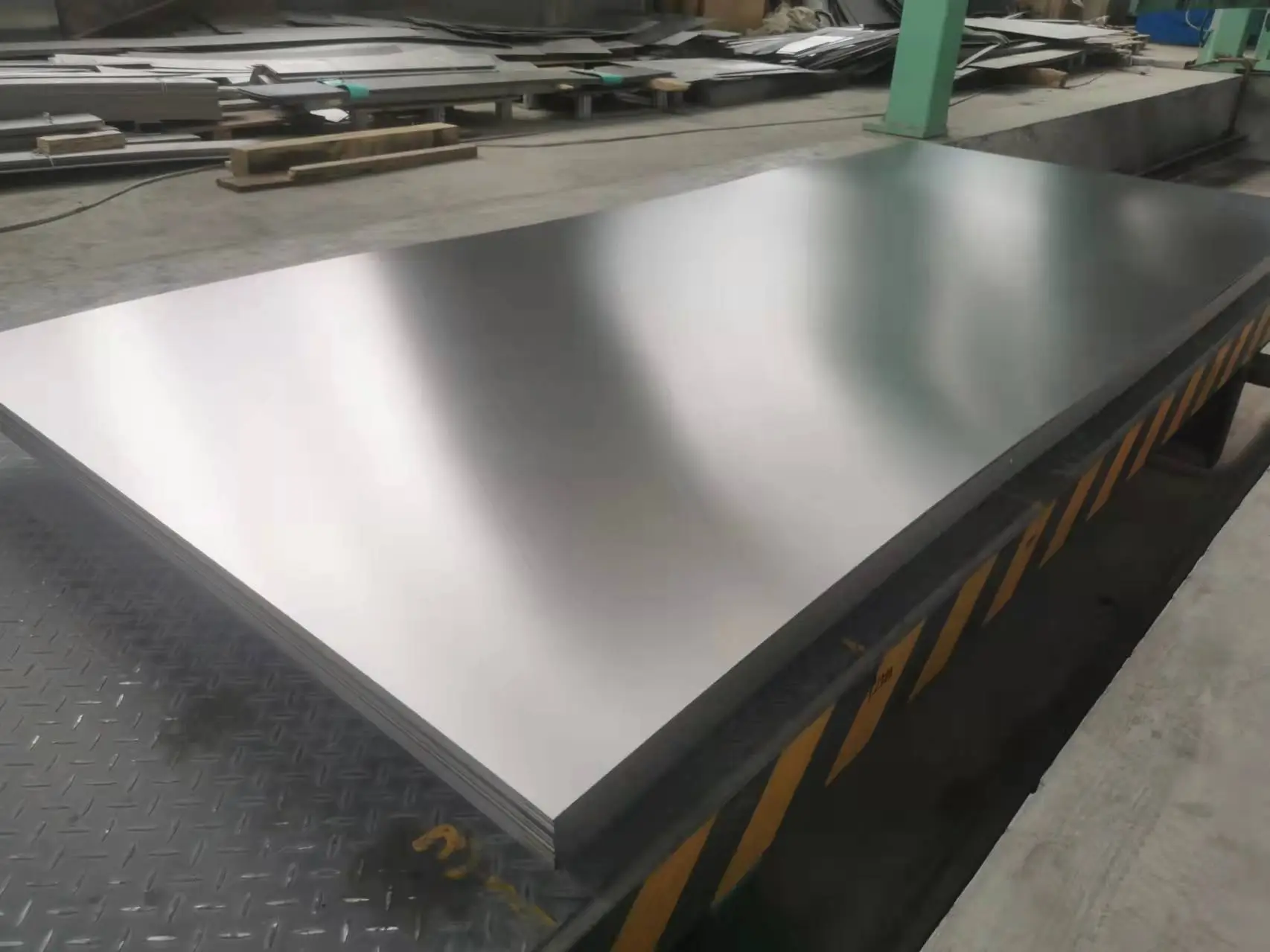
Understanding the Mechanical Properties of Monel 400 Plate
This nickel-copper alloy's dynamic properties come from its carefully balanced make-up of about 67% nickel, 28% copper, and small amounts of iron, manganese, and other elements. This mixture makes a stable solution structure with only one phase that is very strong and flexible, which is important for tough uses.
Chemical Composition Impact on Mechanical Performance
The nickel-copper matrix gives this metal special mechanical qualities that set it apart from other materials that don't rust. The high nickel content makes it very tough and resistant to stress-corrosion cracking. Copper, on the other hand, makes it stronger and better able to handle conditions that are reducing. Because of this mix, the mechanical qualities stay the same over a wide range of temperatures, from very cold conditions to high working temperatures close to 550°C.
Through advanced vacuum induction melting methods, TSM Technology keeps tight control over the chemicals that are used. Our quality control methods make sure that every batch meets the requirements of ASTM B127, ASME SB127, and EN 10095. This means that all of the materials we give have the same mechanical properties for our customers.
Tensile Strength Characteristics
The maximum force that an object can withstand before it breaks is called its tensile strength. When the plates are annealed, the normal tensile strength for nickel-copper alloys is between 550 and 650 MPa. This level of strength makes the material better than many types of stainless steel when it comes to corrosion protection in some settings.
The tensile behaviour of Monel 400 plate is surprisingly constant across plate widths ranging from 5 mm to 150 mm. This consistency is very important for uses that need the same mechanical qualities all over big structural parts, like propeller shafts for ships or parts of chemical processing vessels.
Yield Strength and Elongation Properties
The stress level at which lasting displacement starts is called the yield strength. It is usually between 240 and 345 MPa. When design experts figure out safe working loads and stress margins for structures, this trait is very important. The low ratio of yield to tensile strength shows that the material is very flexible, which lets it be shaped and for stress to be redistributed during use.
Elongation values of 35–45% in 2-inch gauge lengths show that the steel is very flexible, which makes it easier to work with and gives you extra safety in case of unexpected pressure conditions. This ability to bend stays solid even at very low temperatures, which makes the material useful for making tools for processing LNG and other uses that need low temperatures.
In-Depth Analysis: How Mechanical Properties Influence Application Suitability?
The way that mechanical strength and corrosion protection work together makes certain industrial uses more valuable. Unlike materials that give up mechanical properties to be resistant to rust, this nickel-copper metal keeps its strong mechanical properties while being very resistant to the environment.
Performance Under Extreme Conditions
When choosing a material, it's important to think carefully about how temperature affects its mechanical qualities. At high temperatures up to 550°C, the metal keeps about 80% of its strength at room temperature. This means it can be used in heat exchangers in the chemical processing and power generation industries. In the same working settings, this retention is better than many grades of stainless steel.
Because the metal is naturally tough and doesn't crack easily, it has great fatigue resistance. Studies that use cyclic loading show that these materials have very high endurance limits. This is especially true in corrosive environments, where other materials' fatigue cracks grow faster because of breaking processes that are helped by the environment.
Comparative Analysis with Alternative Materials
When compared to austenitic stainless steels, this nickel-copper combination works better in less acidic conditions while still having the same tensile strength. The material has a yield strength that is about 15 to 20 percent higher than 316L stainless steel, and it is also much more resistant to chloride stress-corrosion cracking.
Compared to Inconel metals, Monel 400 plate offers more cost-effective options for use in situations with temperatures below 400°C. Inconel grades work best at higher temperatures, but the nickel-copper mix works best in marine and chemical processing tasks where the highest temperature needs to be kept reasonable.
Titanium metals are stronger for their weight, but they don't have the same level of corrosion protection as this nickel-copper system in reducing conditions. Rather than absolute strength numbers, the choice of material is often based on the surroundings and the amount of mechanical load that needs to be handled.
Practical Guidance for Working with Monel 400 Plate
Fabrication methods have a big effect on the final mechanical properties, so it's important to pay close attention to the factors and techniques used during processing. TSM Technology's manufacturing knowledge makes sure that the recommended methods keep the purity of the materials during production and delivery.
Machining and Welding Considerations
Because the material works harder over time, it needs extra care when it's being machined. Cutting with sharp tools, enough cooling, and modest speeds keeps the work from getting too hard, which could change the mechanical features of the area. When the right conditions are met, the metal works well with standard cutting methods.
When welding, the process must take into account the material's thermal growth and its tendency to crack when the wrong methods are used. When the right filler metals are used and the joint is properly prepared, gas tungsten arc welding (GTAW) gives great results. In important situations, post-weld heat treatment may help relieve stress.
Heat Treatment Effects on Mechanical Properties
When you anneal something at temperatures between 900°C and 1000°C, you get rid of any remaining stresses while keeping the material's best mechanical qualities. This process works especially well for formed parts or welded pieces that need to relieve stress without losing their ability to fight rust.
For some uses, solution annealing at higher temperatures can change the structure of the grains and the material's tensile properties. But these kinds of processes need to be carefully managed to make sure they don't hurt the resistance to corrosion or the motor performance. The heat treatment powers of TSM Technology ensure the best property growth for each customer's needs.
The stress-relief annealing method, which is done at about 575°C, is a middle ground for lowering fabrication stresses without making big changes to the mechanical features. When dimensional stability is very important, this process works well for machined parts or systems.
Procurement Considerations for Monel 400 Plate in B2B Markets
To strategically source certified products like Monel 400 plate, you need to know about quality standards, the skills of suppliers, and how the market works. A good buying process strikes a balance between technology needs and business concerns, all while making sure that the supply chain works reliably.
Quality Assurance and Certification Requirements
Material approval is still very important for important uses in the nuclear, aircraft, and offshore industries. Third-party testing results from groups like SGS and mill test certificates (MTC) are necessary to confirm the mechanical properties of a product. TSM Technology has strict quality control methods in place, such as ISO 9001, AS9100D, and NADCAP licenses, which make sure that the quality of their products always stays high.
Traceability needs more than just simple chemistry and mechanical tests. They also need records of heat treatment, processing parameters, and inspection data. Our quality control systems make it possible to track all of our products from the source of the raw materials to the final inspection. This helps our customers with auditing needs and legal compliance needs.
Customization and Processing Capabilities
In modern factory settings, custom sizes and surface treatments are often needed in addition to standard mill goods. Precision cutting, surface treatments like sandblasting and anodizing, and unique packing to meet the needs of each project are all things that TSM Technology can do. Our production sites have 8 production lines spread out over 3 areas. This gives us the ability to accommodate both standard and custom orders.
Surface treatment choices have a big effect on how well and how it looks when the product is finished. Sandblasted surfaces are perfect for getting coatings on them or making them stick better, and anodized processes make them more resistant to rust in some situations. When done right, these processes can be used without hurting the mechanical qualities.
To plan deliveries, production ability and customer project timelines need to be coordinated. Our normal delivery times are 10 to 25 days, which works for most project plans and gives us time to check the quality and prepare the paperwork. We can often meet urgent orders because we keep a smart stockpile of materials and are flexible with our production schedule.
Summary and Strategic Recommendations for Industry Buyers
Monel 400 plate, a nickel-copper alloy, has important mechanical qualities that help people choose the right material for tough industrial uses. The tensile strength of 550–650 MPa, the yield strength of 240–345 MPa, and the elongation of 35–45% make this the perfect material for uses that need both mechanical performance and rust protection.
For strategic buying to work, you need to work with sellers who understand both the technical needs and the business realities. TSM Technology has been making high-quality alloys for 14 years, so they have the knowledge and tools to help with complicated industrial projects from the beginning of the design process to the end delivery.
FAQ
1.What is the typical tensile strength range for nickel-copper alloy plates?
In the softened state, the tensile strength is usually between 550 and 650 MPa. For manufacturing processes and service performance, this range has great strength qualities while still being able to be bent.
2.How does yield strength compare to stainless steel alternatives?
Yield strengths between 240 and 345 MPa are usually higher than those of popular austenitic stainless steels like 304 or 316L. This means that the steel is less likely to permanently deform when it is under load, and it also resists rust better in many situations.
3.What elongation values can be expected during mechanical testing?
In 2-inch gauge lengths, elongation values are usually between 35 and 45%. This shows that the steel is very flexible, which makes it easier and gives you extra room in case of unexpected stress conditions.
4.How do mechanical properties change at elevated temperatures?
At temperatures up to 550°C, the material keeps about 80% of its strength at room temperature. This means it can be used in high-temperature situations in the chemical processing and power generation industries.
Contact TSM Technology for Certified Monel 400 Plate Solutions
TSM Technology is ready to help you with your next important project by providing approved nickel-copper alloy plates that meet the strictest standards for mechanical properties. Thicknesses range from 5 to 150 mm and widths up to 2500 mm. All of our products are made to meet ASTM B127, ASME SB127, and EN 10095 standards and come with full material approval paperwork. We are a reliable Monel 400 plate source with over 14 years of experience making high-quality products. We can customize, treat the surface, and deliver quickly to meet your project's needs. Get in touch with our expert team at info@tsmnialloy.com to talk about your mechanical property needs and get a full quote for your project.
References
Davis, J.R. "Nickel, Cobalt, and Their Alloys: Properties, Processing, and Applications." ASM International Handbook Committee, 2000.
Smith, G.D. and Patel, S.J. "The Role of Nickel in Corrosion Resistant Alloys." Materials Performance and Characterization, Vol. 8, No. 2, 2019.
ASTM International. "Standard Specification for Nickel-Copper Alloy Plate, Sheet, and Strip." ASTM B127-19, West Conshohocken, PA, 2019.
Craig, B.D. and Anderson, D.B. "Handbook of Corrosion Data: Corrosion Behavior of Nickel-Copper Alloys in Industrial Environments." ASM International, 2nd Edition, 1995.
Thompson, R.C. and Williams, K.E. "Mechanical Properties and Fabrication Characteristics of Marine Alloys." Journal of Materials Engineering and Performance, Vol. 28, No. 4, 2019.
International Nickel Company. "Engineering Properties of Monel Alloy 400: Comprehensive Data for Design Engineers." Technical Bulletin T-15, Huntington Alloys Corporation, 2018.
Learn about our latest products and discounts through SMS or email