- English
- French
- German
- Portuguese
- Spanish
- Russian
- Japanese
- Korean
- Arabic
- Greek
- German
- Turkish
- Italian
- Danish
- Romanian
- Indonesian
- Czech
- Afrikaans
- Swedish
- Polish
- Basque
- Catalan
- Esperanto
- Hindi
- Lao
- Albanian
- Amharic
- Armenian
- Azerbaijani
- Belarusian
- Bengali
- Bosnian
- Bulgarian
- Cebuano
- Chichewa
- Corsican
- Croatian
- Dutch
- Estonian
- Filipino
- Finnish
- Frisian
- Galician
- Georgian
- Gujarati
- Haitian
- Hausa
- Hawaiian
- Hebrew
- Hmong
- Hungarian
- Icelandic
- Igbo
- Javanese
- Kannada
- Kazakh
- Khmer
- Kurdish
- Kyrgyz
- Latin
- Latvian
- Lithuanian
- Luxembou..
- Macedonian
- Malagasy
- Malay
- Malayalam
- Maltese
- Maori
- Marathi
- Mongolian
- Burmese
- Nepali
- Norwegian
- Pashto
- Persian
- Punjabi
- Serbian
- Sesotho
- Sinhala
- Slovak
- Slovenian
- Somali
- Samoan
- Scots Gaelic
- Shona
- Sindhi
- Sundanese
- Swahili
- Tajik
- Tamil
- Telugu
- Thai
- Ukrainian
- Urdu
- Uzbek
- Vietnamese
- Welsh
- Xhosa
- Yiddish
- Yoruba
- Zulu
Monel 400 Sheet vs Stainless Steel: Which Material Is Better?
Introduction
Corrosion resistance, service life, and total cost are often the most important considerations when engineers and purchasing teams choose materials for challenging industrial projects. Monel 400 Sheet is well known for being a dependable nickel-copper alloy for challenging conditions where normal metals could break. However, stainless steel continues to be one of the metal materials commonly used in many industries.
Which material is better, stainless steel or Monel 400 sheet?
The location and method of application of the substance will influence response. While Monel 400 performs exceptionally well in seawater, chemical processing, and chloride-rich environments, stainless steel offers great flexibility and economic advantages.
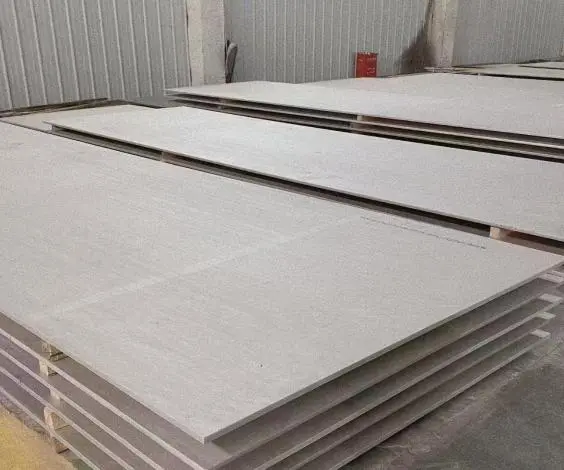
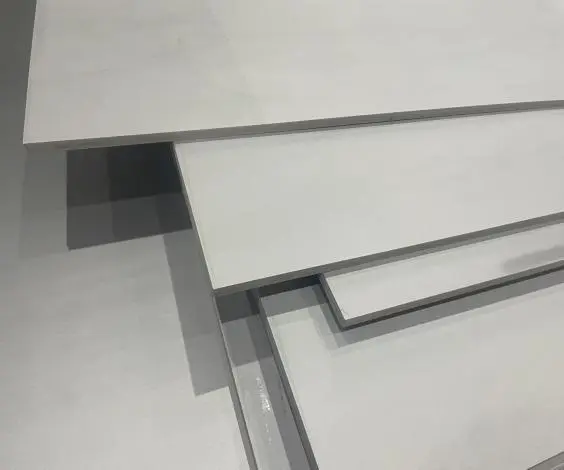
Understanding Monel 400 Sheet and Stainless Steel Materials
Before comparing these two materials, it is important to understand their basic characteristics.
What Is Monel 400 Sheet? |
What Is Stainless Steel? |
| Monel 400 is a nickel-copper alloy containing mainly nickel and copper. It is known for its excellent resistance to seawater, hydrofluoric acid, alkalis, and many other corrosive media. | Stainless steel is an iron-based alloy that contains chromium. The chromium content creates a passive oxide layer that protects the surface from corrosion. |
| A Monel 400 Sheet is manufactured from Monel 400 alloy and is commonly supplied according to ASTM B127 specifications. It is available in different thicknesses and sizes for industrial applications that require high corrosion resistance. |
Common stainless steel grades include: · 304 stainless steel · 316 stainless steel · 321 stainless steel · Duplex stainless steel Among these grades, 316 stainless steel is often compared with Monel 400 because both materials perform well in corrosive environments. |
|
Key features of Monel 400 include: · Excellent seawater corrosion resistance · Good resistance to chloride stress corrosion cracking · Stable performance in acidic and alkaline environments · Good mechanical strength over a wide temperature range · Good weldability and machinability Because of these advantages, Monel 400 Sheet is often selected for marine equipment, chemical processing systems, oil and gas components, and heat exchanger applications. |
Stainless steel is popular because it provides: · Good corrosion resistance · Easy fabrication · Wide availability · Competitive cost · Good appearance and surface finish However, stainless steel performance can decrease in some aggressive chloride environments. |
Monel 400 Sheet vs Stainless Steel: Key Performance Comparison
Choosing between Monel 400 Sheet and stainless steel requires a detailed understanding of their performance differences.
1. Corrosion Resistance: Monel 400 Has an Advantage in Harsh Environments
Corrosion resistance is one of the biggest differences between these materials.
Monel 400 Sheet performs extremely well in environments containing:
· Seawater
· Salt solutions
· Hydrofluoric acid
· Alkali solutions
· Marine atmospheres
The high nickel content gives Monel 400 excellent resistance against many corrosive chemicals.
Stainless steel also offers good corrosion resistance. However, some grades may experience pitting or crevice corrosion when exposed to high chloride levels.
For example:
· A stainless steel component used in seawater may require additional protection.
· A Monel 400 component can maintain stable performance in many seawater applications.
For marine engineering and chemical processing industries, Monel 400 alloy sheet is often the preferred choice.
2. Mechanical Properties: Both Materials Offer Reliable Strength
Both Monel 400 and stainless steel provide good mechanical performance.
Typical Monel 400 properties include:
· Tensile strength: approximately 480 MPa minimum in annealed condition
· Yield strength: approximately 170 MPa minimum
· Good toughness at low temperatures
Stainless steel properties depend on the grade and heat treatment.
For example:
· 316 stainless steel has good tensile strength and toughness.
· Duplex stainless steel offers higher strength than many standard stainless grades.
The best choice depends on the required strength level, operating temperature, and environmental conditions.
3. Temperature Performance: Material Selection Depends on Service Conditions
Temperature capability is another important consideration.
Monel 400 maintains good mechanical properties from sub-zero temperatures up to elevated temperatures. It performs especially well where corrosion resistance is more important than extreme heat resistance.
Stainless steel grades have different temperature capabilities:
· 304 stainless steel performs well in general high-temperature applications.
· 316 stainless steel provides better corrosion resistance.
· Specialized stainless grades are designed for higher temperature service.
For applications involving both high temperature and aggressive chemicals, engineers often evaluate nickel alloys instead of standard stainless steel.
4. Fabrication and Welding: Stainless Steel Is Easier to Process
Fabrication requirements can influence material selection.
Stainless steel has advantages because:
· It is widely available.
· Many fabricators have experience processing it.
· Welding procedures are well established.
Monel 400 can also be fabricated and welded successfully. However, it requires proper welding techniques and suitable filler materials.
Professional Monel 400 Sheet manufacturers usually provide material certificates and technical support to help customers achieve reliable fabrication results.
5. Cost and Long-Term Value: Initial Price Is Not the Only Factor
Stainless steel usually has a lower purchase cost compared with Monel 400.
This makes stainless steel attractive for:
· General industrial equipment
· Construction projects
· Food processing systems
· Indoor applications
However, the initial material price does not always represent the total project cost.
In highly corrosive environments, replacing failed components can create:
· Production downtime
· Maintenance costs
· Safety risks
Monel 400 Sheet may have a higher upfront cost, but its longer service life can provide better value in demanding applications.
Why Choose Monel 400 Sheet for Severe Corrosion Environments?
Many industries choose Monel 400 because it solves corrosion problems that stainless steel may not handle effectively.

Marine Applications
Seawater contains chloride ions that can accelerate corrosion.
Monel 400 Sheet is commonly used for:
· Marine engineering components
· Pump parts
· Valve components
· Heat exchanger parts
· Seawater piping systems
Its excellent seawater resistance makes it a trusted material for marine environments.

Chemical Processing Applications
Chemical plants often require materials that can resist aggressive chemicals.
Monel 400 is suitable for equipment handling:
· Hydrofluoric acid
· Alkalis
· Salt solutions
Its chemical stability helps improve equipment reliability.

Oil and Gas Applications
Oil and gas systems may face corrosion from seawater, chemicals, and harsh operating conditions.
Monel 400 components can be used in:
· Offshore equipment
· Process systems
· Valve components
· Instrumentation parts
|
Contact us: info@tsmnialloy.com |
When Is Stainless Steel a Better Choice?
Although Monel 400 has excellent corrosion resistance, stainless steel remains the better option for many applications.
Stainless steel is often preferred when:
The Environment Is Mild
For indoor equipment or non-aggressive environments, stainless steel usually provides enough corrosion protection.
Budget Is a Major Consideration
Projects with strict cost requirements may choose stainless steel because of its lower material cost and wider availability.
Standard Fabrication Is Required
Many workshops and manufacturers have extensive experience with stainless steel processing.
Common stainless steel applications include:
· Food processing equipment
· Architectural structures
· General industrial machinery
· Medical equipment
Monel 400 Sheet vs Stainless Steel: How to Select the Right Material?
Selecting the right alloy requires evaluating the complete operating environment.
You should consider:
1. Corrosion Environment
Ask:
· Is the material exposed to seawater?
· Are chlorides present?
· Are chemicals involved?
For severe corrosion, Monel 400 may provide better protection.
2. Operating Temperature
Check:
· Maximum temperature
· Temperature changes
· Mechanical requirements
Different materials perform differently under heat.
3. Service Life Expectations
A cheaper material may require more maintenance.
A corrosion-resistant alloy may reduce replacement frequency.
4. Required Standards and Certification
For industrial projects, buyers often require:
· ASTM standards
· Material test certificates
· Traceability documents
A reliable Monel 400 Sheet supplier should provide complete quality documentation.
Why Choose TSM Nialloy as Your Monel 400 Sheet Supplier?
TSM Technology Co., Ltd. specializes in nickel alloy materials and provides solutions for industries requiring reliable corrosion-resistant alloys.
As an experienced nickel alloy manufacturer, TSM Nialloy focuses on:
· Stable material quality
· Strict quality control
· Professional manufacturing processes
· Complete material traceability
Our Monel 400 Sheet products are supplied for industrial applications where corrosion resistance and long-term performance are important.
We support customers with technical information, material documentation, and customized supply solutions.
If you are looking for a reliable Monel 400 Sheet manufacturer for marine, chemical, oil and gas, or industrial applications, our team can help you select the right material.
Conclusion
Monel 400 Sheet and stainless steel both provide valuable advantages, but they serve different purposes.
Stainless steel is an excellent choice for general applications where cost, availability, and easy fabrication are important.
Monel 400 Sheet is the better solution for challenging environments where seawater corrosion, chloride exposure, and chemical resistance are critical.
Choosing the right material depends on your operating conditions, performance requirements, and long-term goals.
If you need technical support or a quotation for Monel 400 Sheet, please get in touch with TSM Technology at info@tsmnialloy.com.
References
1. ASTM B127 — Standard Specification for Nickel-Copper Alloy Plate, Sheet, and Strip
2. ASM Handbook Volume 13A — Corrosion: Fundamentals, Testing, and Protection
3. ASM Specialty Handbook: Nickel, Cobalt, and Their Alloys
4. Nickel Development Institute — Corrosion Resistance of Nickel-Containing Alloys
5. Stainless Steel Information Center — Stainless Steel Properties and Applications
6. NACE International — Corrosion Control and Material Selection Guidelines
Learn about our latest products and discounts through SMS or email