- English
- French
- German
- Portuguese
- Spanish
- Russian
- Japanese
- Korean
- Arabic
- Greek
- German
- Turkish
- Italian
- Danish
- Romanian
- Indonesian
- Czech
- Afrikaans
- Swedish
- Polish
- Basque
- Catalan
- Esperanto
- Hindi
- Lao
- Albanian
- Amharic
- Armenian
- Azerbaijani
- Belarusian
- Bengali
- Bosnian
- Bulgarian
- Cebuano
- Chichewa
- Corsican
- Croatian
- Dutch
- Estonian
- Filipino
- Finnish
- Frisian
- Galician
- Georgian
- Gujarati
- Haitian
- Hausa
- Hawaiian
- Hebrew
- Hmong
- Hungarian
- Icelandic
- Igbo
- Javanese
- Kannada
- Kazakh
- Khmer
- Kurdish
- Kyrgyz
- Latin
- Latvian
- Lithuanian
- Luxembou..
- Macedonian
- Malagasy
- Malay
- Malayalam
- Maltese
- Maori
- Marathi
- Mongolian
- Burmese
- Nepali
- Norwegian
- Pashto
- Persian
- Punjabi
- Serbian
- Sesotho
- Sinhala
- Slovak
- Slovenian
- Somali
- Samoan
- Scots Gaelic
- Shona
- Sindhi
- Sundanese
- Swahili
- Tajik
- Tamil
- Telugu
- Thai
- Ukrainian
- Urdu
- Uzbek
- Vietnamese
- Welsh
- Xhosa
- Yiddish
- Yoruba
- Zulu
What Is Monel 400 Sheet? Properties, Applications, and Benefits
When engineers need a metal sheet that can handle seawater, chemicals, and harsh industrial conditions, Monel 400 Sheet is often considered a reliable material choice. This nickel-copper alloy provides excellent corrosion resistance, good mechanical strength, and stable performance across a wide range of environments.
Unlike many conventional metals, Monel 400 maintains its performance in marine and chemical applications where chloride exposure and corrosive fluids are common. Its combination of strength and corrosion resistance makes it suitable for industries such as marine engineering, chemical processing, oil and gas, and power generation.
At TSM Technology, we supply nickel alloy products for demanding industrial applications. Our Monel alloy materials are manufactured with strict quality control and support customers requiring reliable corrosion-resistant solutions.
This guide explains what Monel 400 Sheet is, its key properties, common applications, and why many industries choose this nickel-copper alloy.
What Is Monel 400 Sheet?
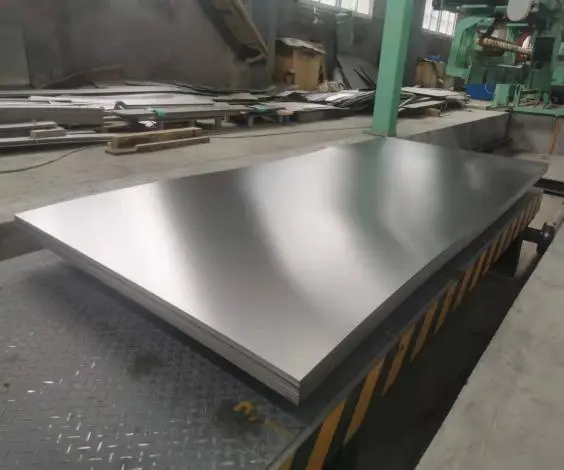
Monel 400 Sheet is a flat-rolled nickel-copper alloy sheet made primarily from nickel and copper, with small amounts of other elements.
The alloy was developed to provide strong corrosion resistance while maintaining good mechanical properties.
The typical composition of Monel 400 includes:
· Nickel: approximately 63% minimum
· Copper: approximately 28–34%
· Small amounts of iron, manganese, carbon, and silicon
The combination of nickel and copper gives Monel 400 excellent resistance in many marine and chemical environments. Monel 400 Sheet is available in different thicknesses and sizes to meet industrial requirements. It can be processed through cutting, forming, machining, and fabrication depending on the application.
Key Properties of Monel 400 Sheet
The popularity of Monel 400 comes from its balanced material properties.
Excellent Corrosion Resistance
Strong Resistance to Seawater
Good Mechanical Strength
Good Performance at Low Temperatures
Excellent Weldability and Fabrication Performance
One of the most important advantages of Monel 400 is corrosion resistance.
It performs well in:
· Seawater
· Saltwater systems
· Marine atmospheres
· Hydrofluoric acid environments
· Alkali solutions
This makes it suitable for applications where carbon steel and many stainless steels may experience faster corrosion.
Monel 400 has a long history of use in marine environments.
It can resist:
· Saltwater corrosion
· High-velocity seawater
· Marine fouling conditions
This property makes it a popular choice for shipbuilding and offshore equipment.
Monel 400 maintains good mechanical performance across a wide temperature range.
Important mechanical properties include:
· High tensile strength
· Good toughness
· Good ductility
· Resistance to stress corrosion cracking
These properties allow Monel 400 Sheet to be used in demanding industrial structures and components.
Monel 400 maintains toughness at sub-zero temperatures.
This makes it suitable for applications where materials must continue working in cold environments.
Monel 400 can be fabricated using common industrial methods.
It can be:
· Welded
· Cut
· Formed
· Machined
Proper processing methods help maintain the alloy’s corrosion resistance and mechanical properties.
Chemical Composition of Monel 400 Sheet
The chemical composition gives Monel 400 its unique performance.
|
Element |
Content |
|
Nickel |
Balance |
|
Copper |
28–34% |
|
Iron |
Up to about 2.5% |
|
Manganese |
Up to about 2% |
|
Carbon |
Up to about 0.3% |
|
Silicon |
Up to about 0.5% |
The high nickel content improves corrosion resistance, while copper contributes to resistance against certain chemical environments.
Why Choose Monel 400 Sheet Over Stainless Steel?
Stainless steel is widely used in industrial applications, but some environments require higher corrosion resistance.
Compared with common stainless steel grades, Monel 400 offers advantages in specific conditions.
|
Feature |
Stainless Steel |
Monel 400 Sheet |
|
Seawater Resistance |
Good |
Excellent |
|
Chloride Resistance |
Moderate |
Excellent |
|
Hydrofluoric Acid Resistance |
Limited |
Excellent |
|
Marine Applications |
Common |
Widely Used |
|
Low Temperature Toughness |
Good |
Excellent |
The best material depends on the operating environment.
Monel 400 is often selected when seawater corrosion or chemical resistance is the main concern.
Common Applications of Monel 400 Sheet
Monel 400 Sheet is used across industries that require corrosion-resistant materials.
Marine Industry Applications
Marine environments are one of the most common application areas.
Uses include:
· Ship components
· Marine piping systems
· Pump parts
· Valve components
· Heat exchanger parts
Its seawater resistance helps improve service life.
Chemical Processing Equipment
Chemical plants use Monel 400 in systems exposed to corrosive substances.
Applications include:
· Chemical tanks
· Processing equipment
· Piping components
· Heat exchangers
Monel 400 is especially useful in environments containing certain acids and alkalis.
Oil and Gas Industry
Oil and gas equipment often faces corrosive fluids and harsh operating conditions.
Monel 400 Sheet may be used for:
· Offshore components
· Valve parts
· Pump components
· Process equipment
Material selection depends on the specific production environment.
Power Generation Systems
Power plants require materials that can withstand heat, pressure, and corrosion.
Monel 400 applications include:
· Condenser components
· Heat exchanger parts
· Steam system components
Electrical and Instrumentation Applications
Monel 400 is also used in some electrical and instrumentation components because of its reliable mechanical performance and corrosion resistance.
Monel 400 Sheet Manufacturing and Processing
Producing high-quality Monel 400 Sheet requires controlled manufacturing processes.
Common production steps include:
· Alloy melting
· Hot rolling
· Cold rolling
· Heat treatment
· Surface finishing
· Inspection
Hot Rolling
Hot rolling helps produce the initial sheet thickness and improves material structure.
Cold Rolling
Cold rolling provides:
· Better thickness accuracy
· Improved surface finish
· Enhanced mechanical properties
Heat Treatment
Heat treatment helps optimize:
· Mechanical properties
· Material stability
· Internal stress control
Surface Finishes Available for Monel 400 Sheet
Different applications require different surface conditions.
Common finishes include:
Mill Finish
Suitable for general industrial applications.
Polished Finish
Used where appearance or smooth surfaces are important.
Pickled and Passivated Surface
Used to remove surface oxides and improve cleanliness.
The correct finish depends on fabrication requirements and service conditions.
Quality Standards for Monel 400 Sheet
Industrial buyers usually require products that meet recognized specifications.
Common standards include:
· ASTM B127 – Specification for Nickel-Copper Alloy Plate, Sheet, and Strip
· ASME SB127 – Nickel-Copper Alloy Plate, Sheet, and Strip
These standards define requirements related to:
· Chemical composition
· Mechanical properties
· Dimensions
· Testing procedures
Customers should confirm the required specification before ordering.
How to Select the Right Monel 400 Sheet Supplier
Choosing a reliable supplier is important for industrial projects.
Important factors include:
Manufacturing Capability
A qualified supplier should have experience with:
· Nickel alloy processing
· Sheet production
· Heat treatment
· Surface finishing
Quality Documentation
Customers may require:
· Material test certificates
· Chemical analysis reports
· Mechanical test results
· Traceability records
Size and Customization Options
Projects may require customized:
· Thickness
· Width
· Length
· Surface finish
A supplier with flexible production capability can better support different requirements.
Benefits of Using Monel 400 Sheet
The main benefits of Monel 400 Sheet include:
Long Service Life
Strong corrosion resistance helps reduce replacement frequency.
Reliable Performance
The alloy maintains mechanical properties in challenging environments.
Reduced Maintenance
Better corrosion resistance can lower maintenance requirements.
Wide Application Range
Monel 400 can be used in:
· Marine systems
· Chemical equipment
· Offshore applications
· Industrial components
Why Monel 400 Sheet Remains a Preferred Nickel Alloy Material
Monel 400 Sheet continues to be selected for applications where corrosion resistance and mechanical reliability are essential.
Its main advantages include:
· Excellent seawater resistance
· Good mechanical strength
· Reliable low-temperature performance
· Good fabrication ability
From marine equipment to chemical processing systems, Monel 400 provides dependable performance in environments where ordinary materials may not be suitable.
TSM Technology provides Monel 400 Sheet solutions for industrial customers requiring consistent quality and reliable material performance.
For specifications, quotations, or customized Monel 400 Sheet requirements, contact us at info@tsmnialloy.com.
Frequently Asked Questions
What is Monel 400 Sheet made of?
Monel 400 Sheet is a nickel-copper alloy containing mainly nickel and copper with small amounts of iron, manganese, carbon, and silicon.
Is Monel 400 suitable for seawater applications?
Yes. Monel 400 has excellent resistance to seawater corrosion and is widely used in marine environments.
What industries use Monel 400 Sheet?
Common industries include marine engineering, chemical processing, oil and gas, power generation, and industrial equipment.
Is Monel 400 better than stainless steel?
Monel 400 offers better performance in some seawater and chemical environments, while stainless steel may be suitable for other applications.
Can Monel 400 Sheet be customized?
Yes. Suppliers can provide different sizes, thicknesses, and surface finishes based on project requirements.
References
1. ASTM International. ASTM B127 Standard Specification for Nickel-Copper Alloy Plate, Sheet, and Strip.
2. ASME. ASME SB127 Specification for Nickel-Copper Alloy Plate, Sheet, and Strip.
3. ASM International. Properties and Selection: Nonferrous Alloys and Special-Purpose Materials.
4. Davis, Joseph R. Copper and Copper Alloys. ASM International.
5. Special Metals Corporation. Monel Alloy Technical Data and Applications.
6. Nickel Institute. Nickel Alloy Corrosion Resistance and Industrial Applications.
Learn about our latest products and discounts through SMS or email