- English
- French
- German
- Portuguese
- Spanish
- Russian
- Japanese
- Korean
- Arabic
- Greek
- German
- Turkish
- Italian
- Danish
- Romanian
- Indonesian
- Czech
- Afrikaans
- Swedish
- Polish
- Basque
- Catalan
- Esperanto
- Hindi
- Lao
- Albanian
- Amharic
- Armenian
- Azerbaijani
- Belarusian
- Bengali
- Bosnian
- Bulgarian
- Cebuano
- Chichewa
- Corsican
- Croatian
- Dutch
- Estonian
- Filipino
- Finnish
- Frisian
- Galician
- Georgian
- Gujarati
- Haitian
- Hausa
- Hawaiian
- Hebrew
- Hmong
- Hungarian
- Icelandic
- Igbo
- Javanese
- Kannada
- Kazakh
- Khmer
- Kurdish
- Kyrgyz
- Latin
- Latvian
- Lithuanian
- Luxembou..
- Macedonian
- Malagasy
- Malay
- Malayalam
- Maltese
- Maori
- Marathi
- Mongolian
- Burmese
- Nepali
- Norwegian
- Pashto
- Persian
- Punjabi
- Serbian
- Sesotho
- Sinhala
- Slovak
- Slovenian
- Somali
- Samoan
- Scots Gaelic
- Shona
- Sindhi
- Sundanese
- Swahili
- Tajik
- Tamil
- Telugu
- Thai
- Ukrainian
- Urdu
- Uzbek
- Vietnamese
- Welsh
- Xhosa
- Yiddish
- Yoruba
- Zulu
What are the Key Properties of Inconel 690 Tubing?
Inconel 690 tubing is made of a nickel-chromium-iron superalloy that was carefully developed to work in the harshest industrial settings. Important features of Inconel 690 tube include its high resistance to stress corrosion cracking, its high oxidation resistance at temperatures above 1000°C, its high mechanical strength (at least 655 MPa), and its remarkable stability in harsh chemical environments. With a nickel content of more than 58%, a chromium content of between 28% and 31%, and iron levels that are carefully controlled, it forms a protective chromium-rich oxide layer that lasts for a long time in places like nuclear reactors, petrochemical plants, and marine applications where failure of the material is not an option.
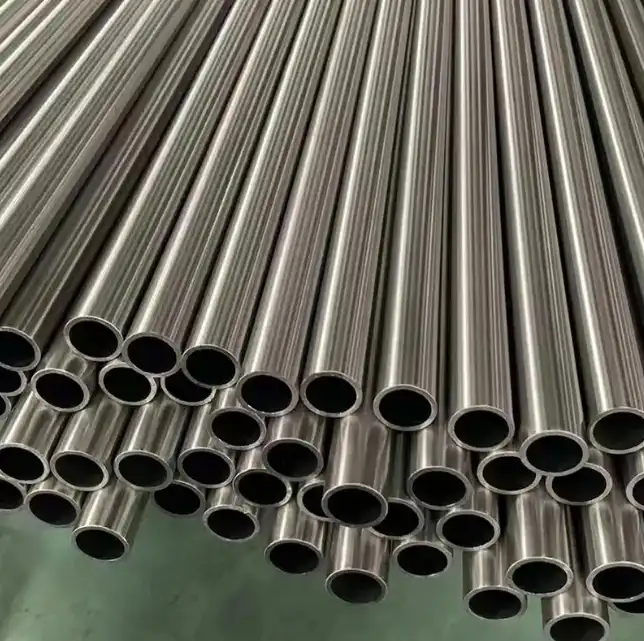
Understanding Inconel 690 Tubing: Composition and Manufacturing
The molecular level is where the performance stability of nickel-chromium metals starts. Knowing the chemicals that make this stuff up helps you see why it always works better than options in serious situations.
Chemical Composition and Alloy Engineering
UNS N06690's superior skills are based on the strategic balance of its parts. This metal has a steady microstructure that doesn't break down when heated because it has a minimum nickel content of 58%, chromium levels between 28% and 31%, and iron levels kept at 9 to 11%. The carbon content stays below 0.05%, preventing carbides from forming and potentially weakening rust resistance. This carefully controlled chemistry makes it possible for a strong chromium oxide film to form on the surface. This film can fix itself if it gets broken, protecting it from the harsh environments found in steam engines and chemical reactors.
Advanced Manufacturing and Heat Treatment
We use cutting-edge methods in three separate sites as part of our manufacturing approach. Starting with vacuum induction melting, we make sure that the makeup is stable and get rid of any dangerous inclusions. The hot-working step turns billets into hollow shapes. The next step is precision cold drawing, which makes sure that the dimensions are very close to each other. An annealing process at 925–980°C reduces internal stresses and improves the structure of the grains so that the metal is as flexible as possible. When materials engineers choose parts for high-stakes uses like nuclear steam generator tubing or ocean platform heat exchangers, they need to make sure that the tubes have the same mechanical properties all the way along their length. This is a very important thing to keep in mind.
Quality Standards and Certifications
Following foreign standards gives procurement leaders the peace of mind they need. Our seamless tubes meet the standards set by ASTM B622, ASME SB622, and EN 10095. They come with all the paperwork you need to track them, like Material Test Certificates and SGS reports. Nuclear-grade production meets RCC-M standards, which means that every tube can survive strict non-destructive testing procedures like ultrasonic inspection, eddy current examination, and hydraulic pressure testing. This complete quality framework takes the guesswork out of choosing materials, so QA teams can be sure that the finished products will work the way the engineers intended.
Mechanical and Physical Properties of Inconel 690 Tubing
The performance of a material under stress is what sets good options apart from great ones. This superalloy's mechanical properties explain why it is used in so many important ways across many businesses.
Strength and Ductility Parameters
These tubes are strong enough to hold up under heavy loads; their minimum tensile strength is 655 MPa and their minimum yield strength is 275 MPa. The minimum 30% extension number shows good ductility, which lets the construction be flexible during installation and stops brittle failure modes. This mix works really well in places with a lot of heat cycling, where things keep getting bigger and smaller, like power mills and petrochemical reformer Inconel 690 tubes. The material's density of 8.19 g/cm³ makes it better than heavier options because it lowers structural stress in aircraft uses that care about weight.
High-Temperature Performance Characteristics
The operating range goes far beyond what is possible with normal materials. The melting point range of 1343–1377°C gives a lot of safety margin for uses that will be exposed to high heat for a long time. This nickel-based alloy keeps its mechanical qualities and makes a stable protective scale at temperatures where austenitic stainless steels lose strength and oxidation speeds up. In pressurized water reactors, the steam generator tubes are always working at 320°C and 15 MPa pressure, which is so hot and so high that less durable materials would break down in months. The high chromium content makes an oxide layer that sticks to the metal and stops it from oxidizing further. This makes the alloy last much longer than competing alloys.
Corrosion Resistance in Aggressive Media
Chemical resistance tells you how long something will last in an acidic process setting. The metal is very good at resisting stress corrosion breaking in hot water with chlorides, which is a type of failure that happens a lot with Inconel 600 in nuclear uses. The material is resistant to intergranular attack, which helps equipment that makes nitric acid. Hydrocracking units in factories depend on its resistance to sulfidation and carburization. Marine engineers choose this metal for parts that will be exposed to saltwater because it doesn't rust or pit like regular stainless steel does when it's used in saltwater. This all-around resistance to rust means less upkeep and lower costs over the product's lifetime.
Comparing Inconel 690 Tubing with Alternative Materials
To choose the best material, you need to know how to balance efficiency. By comparing this metal to other options, it becomes clear when the investment will pay off in real ways.
Inconel 690 versus Inconel 600
The higher amount of chromium in Inconel 690 makes it much better than its predecessor. Inconel 600 only has 14–17% chromium, but Inconel 690 has 28–31% chromium, which makes it much more resistant to stress corrosion cracking in settings with pressured water. After cracking early on, nuclear workers changed thousands of Inconel 600 steam generator tubes with Inconel 690 tubes. The higher chromium level also makes it more resistant to oxidation at high temperatures. This makes it better for parts that will be exposed to temperature changes above 650°C, where Inconel 600 would form too much scale.
Performance Comparison with Inconel 625
Both metals are used for tough jobs, but their best uses are different. Inconel 625 is strong because it has molybdenum and niobium added to it, which allows it to precipitation harden. This makes it perfect for structure parts that need to be very strong. Because of how it is made, Inconel 690 is better for heat exchanger tubes and piping systems that come into touch with process fluids because it resists corrosion better in wet conditions than it is strong. For mechanical parts like fasteners and structure supports, procurement managers should choose Inconel 625. For fluid-handling uses, where corrosion is the main risk of failure, they should choose Inconel 690.
Advantages Over Stainless Steel and Titanium
Austenitic stainless steels are cheaper to make, but they break quickly in chloride-containing settings above 60°C due to stress corrosion cracking, which means they need to be replaced too soon. Titanium doesn't rust in seawater very well, but it loses strength above 315°C and can become weak from hydrogen in some situations. The nickel-chromium metal gets around these problems by having corrosion protection similar to titanium while keeping its mechanical qualities at temperatures where titanium isn't useful. This flexibility makes it easier for maintenance teams to keep track of a wide range of equipment in chemical plants and refineries, since a single material standard can handle a number of different service conditions.
Practical Applications and Industry Use Cases of Inconel 690 Tubing
Knowing how Inconel 690 tube solves problems that are unique to a certain business helps procurement workers match properties to needs. Real-world success backs up choices about what materials to use.
Nuclear Power Generation Applications
The most important use is for steam engine heat transfer tubes. Nuclear power plants all over the world use this material because it has been used for decades and has been shown to be very resistant to main water stress corrosion cracking. The tubes move heat from the reactor's cooling loop to the secondary steam system. They do this constantly in 320°C high-purity water with big differences in pressure. If the material fails, the reactor has to be shut down and expensive tube plugging operations have to be done. Plants that use this metal say that tube breakdown rates are much lower than with older materials. This means that steam generators can be used for longer than 40 years and cost less to run.
Chemical and Petrochemical Processing Equipment
The process of making nitric acid is very toxic, and few materials can handle it without losing value. This metal can be used to make reactors, condensers, and pipe systems that can withstand the combined effects of strong acids and high temperatures that quickly damage stainless steels. The material is resistant to hydrogen attack and sulfidation in high-pressure hydrogen settings with hydrogen sulfide, which helps hydrocracking units in plants. When corrosion protection and high-temperature strength are combined, thinner-walled designs are possible. These designs improve heat transfer efficiency while lowering equipment weight. Process engineers know that these benefits lead to better plant economics over many decades of service.
Marine and Offshore Engineering Solutions
Corrosion in seawater is a constant problem for people who build ships and run platforms abroad. The alloy's high chromium content makes it very resistant to pitting and crevice rust caused by chloride. However, its real strength shows up in parts that are exposed to both seawater and high temperatures. This dual ability is useful for heat exchanges in desalination plants, systems that heat ballast water, and process equipment on offshore platforms. Marine experts like that the material isn't magnetic, which is important for ships that need to have low magnetic fingerprints. With a monthly capacity of 300 tons, our stable supply supports long-term building projects that need materials with the same qualities throughout multiple delivery phases.
Power Generation and Energy Systems
This superalloy is used for important parts in thermal power plants and green energy systems as well as nuclear uses. Coal gasification equipment works in very corrosive settings with high temperatures and sulfur chemicals, which quickly wears down normal materials. In petroleum plants, flare stack systems go from room temperature to very high temperatures during emergency escapes. This means that the materials used need to be able to fight thermal fatigue cracking. The hydrogen generator tubes in fuel cell systems are very resistant to metal dusting and carburization. These different uses all need materials that can stay strong even when exposed to harsh mixtures of temperature, pressure, and corrosive media.
Procurement Considerations for Inconel 690 Tubing
Purchasing workers can improve cost, quality, and service performance by understanding how procurement works. Strategic buying is more than just finding good sources.
Supplier Selection and Quality Verification
Picking the right factory partner has a big effect on the success of a project. Over the past 14 years, TSM Technology has built up its knowledge of nickel-based superalloys by running three sites with eight production lines and more than 100 precision tools. Our 50,000㎡ production complex is certified by both ISO 9001 and AS9100D, which shows that we follow the systematic quality control standards that aerospace and defense customers need. Procurement leaders should check providers' manufacturing capacity, quality certifications, and methods for tracking products when they are reviewing them. Material Test Certificates, SGS third-party test results, and full chemical and mechanical property verification are all part of our complete paperwork package. These are necessary for uses that need to follow regulations and keep records for audits.
Specification and Customization Capabilities
Standard sizes work for a lot of uses, but the industry needs to be able to adapt to special needs. We make seamless tubes with outside diameters from 6.0mm to 114mm, wall thicknesses from 0.5mm to 15mm, and lengths of up to 15,000mm. Some surface finishing methods are grinding, which makes surfaces stick better, electropolishing, which makes surfaces very smooth for medicinal use, and chemical pickling, which is used in general industry. When the product needs very tight tolerances for concentricity or surface finish, materials engineers can set tolerances that are tighter than normal. This ability to customize gets rid of the need to make decisions during the design process. Instead of changing designs to fit available stock sizes, engineers can focus on improving the performance of components.
Lead Times and Supply Chain Planning
The supply of materials has a huge effect on project plans. With a monthly production capacity of 300 tons, we can handle both large-volume contracts and smaller orders that need to be filled quickly. Standard sizes usually ship 4 to 6 weeks after the order is confirmed, while special sizes can take 8 to 12 weeks, based on how complicated the dimensions are and how many are needed. Material orders should be coordinated well in advance by maintenance procurement teams in charge of planned breaks, since Inconel 690 tube production can't be sped up without lowering quality. We keep a strategic stockpile of popular sizes on hand in case of an emergency, because we know that unplanned equipment problems can sometimes require fast delivery. Clear communication during the quote stage makes sure that delivery promises are reasonable and in line with project goals.
Conclusion
When choosing materials for high-stakes uses, you need to know a lot about their qualities, the trade-offs between performance and cost, and what the seller can do. When it comes to mechanical strength, stress corrosion cracking resistance, and high-temperature oxidation resistance, Inconel 690 tubing is the best choice for nuclear steam generators, chemical processing equipment, marine systems, and power generation parts. Its well-balanced make-up and long history of reliable use give engineering teams faith that the materials they specify will work well for the whole time they are supposed to. At TSM Technology, we offer advanced production skills, thorough quality systems, and helpful customer service to make sure that our superalloy solutions meet the exact requirements of your most important uses.
FAQ
What makes Inconel 690 superior to Inconel 600 for nuclear applications?
Inconel 690 has a lot more chromium than Inconel 600 (28–31% versus 14-17%). This makes the protective oxide layer much more stable, which makes it much more resistant to main water stress corrosion cracks. Nuclear companies saw a big drop in tube degradation after switching from Inconel 690 tubes, which increased the service life of steam generators and lowered the risk of forced outages.
Can this alloy be welded, and what filler metal should be used?
Gas tungsten arc welding or gas metal arc welding are both great ways to join the material together. ERNiCrFe-7 (AWS A5.14), a matching filler metal, keeps its mechanical qualities and resistance to rust in weld zones. Some important uses benefit from solution annealing after welding to improve corrosion protection, but many installations work fine as they are.
How does tube pricing compare to austenitic stainless steel alternatives?
Nickel-based superalloys are very expensive because they are made of special materials and have complicated manufacturing processes. Even though the original cost of the materials is much higher than those of austenitic stainless steels, the superalloy is often more cost-effective over its lifetime because it lasts longer, needs less upkeep, and doesn't need to be replaced as often. Total cost of ownership research should help you choose what materials to use.
Partner with TSM Technology for Premium Inconel 690 Tube Solutions
TSM Technology is ready to meet your most specific superalloy needs with their proven manufacturing skills and quick expert help. As a well-known Inconel 690 tube provider that has been specializing in nickel-based metals for 14 years, we can give your important projects the quality consistency, certification compliance, and supply reliability they need. Our engineering team works with materials engineers and procurement leaders to come up with the best answers for your specific needs. You can email us at info@tsmnialloy.com to talk about your needs, get full technical data sheets, or get project quotes that are backed by our promise of quality and on-time delivery.
References
Special Metals Corporation. "INCONEL® Alloy 690 Technical Bulletin," Materials Engineering Department, 2019.
American Society of Mechanical Engineers. "ASME SB-622: Specification for Seamless Nickel and Nickel-Alloy Pipe and Tube," ASME Boiler and Pressure Vessel Code Section II, 2021 Edition.
Rebak, R.B. "Alloy Selection for Service in Supercritical Water," Corrosion Journal of Science and Engineering, Volume 67, 2011.
Electric Power Research Institute. "Steam Generator Management Program: Materials Reliability Program," EPRI Technical Report 1020987, 2019.
Davis, J.R. "Nickel, Cobalt, and Their Alloys," ASM International Handbook Committee, ASM Specialty Handbook, 2000.
Crum, J.R. and Smith, G.D. "Nickel-Chromium-Iron Alloys for Heat Exchanger Tubing in Aggressive Environments," Materials Performance Journal, NACE International, 1998.
Learn about our latest products and discounts through SMS or email