- English
- French
- German
- Portuguese
- Spanish
- Russian
- Japanese
- Korean
- Arabic
- Greek
- German
- Turkish
- Italian
- Danish
- Romanian
- Indonesian
- Czech
- Afrikaans
- Swedish
- Polish
- Basque
- Catalan
- Esperanto
- Hindi
- Lao
- Albanian
- Amharic
- Armenian
- Azerbaijani
- Belarusian
- Bengali
- Bosnian
- Bulgarian
- Cebuano
- Chichewa
- Corsican
- Croatian
- Dutch
- Estonian
- Filipino
- Finnish
- Frisian
- Galician
- Georgian
- Gujarati
- Haitian
- Hausa
- Hawaiian
- Hebrew
- Hmong
- Hungarian
- Icelandic
- Igbo
- Javanese
- Kannada
- Kazakh
- Khmer
- Kurdish
- Kyrgyz
- Latin
- Latvian
- Lithuanian
- Luxembou..
- Macedonian
- Malagasy
- Malay
- Malayalam
- Maltese
- Maori
- Marathi
- Mongolian
- Burmese
- Nepali
- Norwegian
- Pashto
- Persian
- Punjabi
- Serbian
- Sesotho
- Sinhala
- Slovak
- Slovenian
- Somali
- Samoan
- Scots Gaelic
- Shona
- Sindhi
- Sundanese
- Swahili
- Tajik
- Tamil
- Telugu
- Thai
- Ukrainian
- Urdu
- Uzbek
- Vietnamese
- Welsh
- Xhosa
- Yiddish
- Yoruba
- Zulu
Sealing Inconel 686 Flanges in High-Pressure Systems
Sealing Inconel 686 flanges in high-pressure systems is a difficult engineering task that needs careful material choice and skilled execution. The unique nickel-chromium-molybdenum-tungsten makeup of the Inconel 686 flange makes it very resistant to both oxidizing and reducing media. This is why these parts are so important for nuclear power generation equipment, aircraft engine systems, and offshore drilling platforms. Understanding how these superalloy parts seal and the benefits of the materials they are made of has a direct effect on system stability, operating safety, and long-term upkeep costs in a wide range of difficult industrial settings.
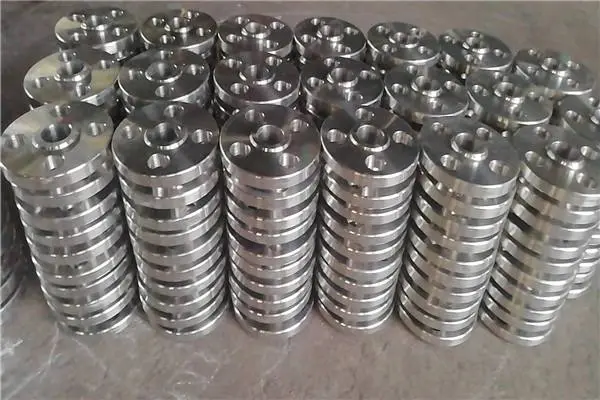
Understanding Inconel 686 Flanges and Their Properties
Understanding the unique physical properties of Inconel 686 that make it different from other flange materials is the first step to making a good fit. This nickel-based superalloy has a carefully balanced makeup with nickel as the main element and chromium reaching 19–23%, molybdenum reaching 15–17%, and tungsten reaching 3–4.4%. This exact mix of chemicals makes a thick passive film that protects against harsh chemical conditions better than anything else.
Chemical Composition and Metallurgical Advantages
Molybdenum and tungsten are strategically added to the alloy matrix of Inconel 686 flanges to make it much more resistant to pitting and crevice corrosion. This is especially true in chloride-rich environments like those found in marine and industrial uses. The chromium presence makes it very resistant to rusting at high temperatures, and the nickel base keeps the shape stable as the temperature changes. The material has a tensile strength of over 655 MPa and a yield strength of over 310 MPa. This is because these parts work together to keep the structure strong under high pressure.
Manufacturing Standards and Dimensional Precision
When TSM Technology makes Inconel 686 flanges, they make sure they meet foreign standards like ASME B16.5, B16.47, and EN 1092. We can make products in a range of shapes and sizes, from 1/2" to 24". These shapes and sizes include welding neck (WN), slip-on (SO), socket weld (SW), blind (BL), and lap joint (LJ). The precise forging method works at temperatures between 1150°C and 1200°C, and then the microstructure is optimized for better resistance to corrosion and mechanical qualities by solution annealing at 1175°C.
Challenges in Sealing Inconel 686 Flanges in High-Pressure Systems
High-pressure sealing tasks involve many difficulties that need a thorough knowledge of how materials behave, how well they work with gaskets, and how to place them. The main problems that come up in industrial settings are temperature cycle effects, changes in pressure, and the harsh chemical conditions that these systems usually have to deal with.
Surface Finish and Gasket Compatibility Issues
It can be hard to get consistent closing performance when the surface finish is different. To stop micro-leakage paths, the stated surface roughness must match the properties of the gasket material. This problem can be solved by TSM Technology's precise cutting and controlled surface processes, such as sandblasting, electropolishing (EP), and chemical polishing (CP). These processes make the surfaces in the best way possible, which improves gasket contact and lowers stress collection points.
Thermal Expansion and Material Stress Factors
When the temperature changes, the different coefficients of thermal expansion between materials used for flanges, such as Inconel 686 flanges, and linked pipe systems can cause large areas of stress to build up. With a coefficient of thermal expansion of about 13.3 × 10^-6 /°C, Inconel 686 is very stable at high temperatures and stays that way throughout its working temperature range. Mismatched growth rates with neighboring materials, on the other hand, can weaken seal integrity over long periods of service.
Bolt Loading and Torque Distribution Challenges
To get even gasket compression across the whole sealing surface, the bolts need to be loaded in the right way and with the right amount of force. When bolts are loaded unevenly, they create stress accumulation in certain areas that can cause the gasket to fail or the flange to bend. Because Inconel 686 is very strong, it can handle large bolt loads. However, the right torque sequence is still needed for the best sealing performance.
Best Practices and Solutions for Sealing Inconel 686 Flanges
To use effective sealing strategies, you need to pay close attention to the materials you choose, how they are installed, and the quality control measures you use. The steps below have been shown to work well in a number of high-pressure situations and have been developed through a lot of field experience to become industry best practices.
Gasket Material Selection and Compatibility
When working with Inconel 686 flanges in high-pressure situations, metal seals work better because they can keep their sealing integrity in harsh conditions. Spiral wrapped gaskets with stainless steel coils and bendable graphite filler are very strong and don't react badly with chemicals. When made from similar superalloy materials, ring joint gaskets work very well in the toughest situations, especially when there are a lot of changes in temperature and pressure.
Non-metallic gaskets might work in some situations where chemical compatibility and pressure values meet the needs of the system. To keep things from breaking down too soon, it is still important to carefully look at the temperature limits and chemical protection qualities.
Installation Procedures and Torque Management
The right way to put Inconel 686 flanges together starts with a close look at the surface to make sure it meets the standards for size and finish. To make sure the gasket is compressed evenly, the bolts should be tightened in a star design, with force applied in steps. Initial torque values are usually between 30 and 50 percent of the final standard. They are then raised gradually until they reach the stated value.
When flanges will go through a lot of thermal cycles during fitting, temperature adjustment is very important. Preheating flanges to a temperature in the middle can help spread stress more evenly and improve the sealing performance over time.
Quality Assurance and Testing Protocols
Before the system is put into service, thorough testing methods make sure that the seals are intact. Testing the sealing system under 1.5 times the original pressure with hydrostatic pressure gives faith in its ability to work in real life. Using helium mass spectrometry or bubble testing to find leaks can show possible leak paths that weren't seen during the first pressure test.
Comparing Sealing Performance: Inconel 686 Flanges vs Other Materials
Choosing the right base material has a big effect on how well it seals, how much upkeep it needs, and how reliable the whole system is. Comparative study of material properties helps with making choices about what to buy and writing engineering specs.
Performance Comparison with Inconel 625 and Inconel 600
Inconel 686 is more resistant to rust than Inconel 625 and Inconel 600, especially in acidic settings with sulfuric, hydrochloric, and phosphoric acids. Inconel 686 is much more resistant to localized corrosion processes like pitting and crevice corrosion because it has higher amounts of molybdenum and tungsten. Inconel 625 is very strong at high temperatures, but Inconel 686 is more resistant to a wider range of chemicals that are bad for metal.
Stainless Steel and Titanium Alternatives
Even though regular stainless steel flanges are cheaper, they can't compete with Inconel 686 flanges when it comes to resistance to rust and performance at high temperatures. Austenitic stainless steels that are often used for flanges have problems with salt stress corrosion cracking and can't handle as high of temperatures as superalloys.
Titanium flanges are very resistant to rust in oxidizing environments, but they aren't as good in reducing environments, where Inconel 686 is better. Inconel 686 is often the best choice for uses that need to seal reliably in harsh situations because it has better heat conductivity and mechanical qualities.
Procurement Insights: Sourcing Trusted Inconel 686 Flange Suppliers
Choosing a strategic seller has a direct effect on the quality of the product, the dependability of delivery, and the long-term security of the supply chain. With three facilities, eight production lines, and more than 100 precise tools, TSM Technology has set up a full range of manufacturing skills that allow them to make 300 tons of goods every month.
Manufacturing Capabilities and Quality Certifications
Advanced vacuum induction melting and vacuum arc remelting technologies are built into our production infrastructure to make sure that all of our materials are chemically uniform and pure. To get the best grain structure and mechanical qualities, the hot forging method uses precise hydraulic presses that work at a controlled temperature. According to ASTM and ASME standards, each output lot goes through a full set of tests, such as chemical analysis, proof of mechanical properties, and non-destructive examination.
Every package of Inconel 686 flanges comes with Material Test Certificates (MTC) and third-party SGS test results, which show that the goods can be tracked and are of good quality. X-ray fluorescence spectrometry is used to check the chemical makeup of every sample 100% of the time, and all mechanical properties are tested to make sure they meet the requirements of the standard.
Supply Chain Management and Delivery Performance
Delivery times are usually between 10 and 25 days, but they can be longer or shorter based on how complicated the order is and how much customization is needed. Our inventory management system keeps strategic amounts of popular configurations in stock while also being adaptable for projects that need to be made to order. The global supply network makes sure that materials are always available and that customers can get help quickly in all foreign markets.
Bulk purchases have big benefits when it comes to controlling costs and making sure deliveries happen on time. Long-term partnership deals keep prices stable and give partners first choice during times of high market demand.
Conclusion
To properly seal Inconel 686 flanges in high-pressure systems, you need to know a lot about the material's qualities, the best ways to install it, and what the provider can do. This nickel-chromium-molybdenum-tungsten alloy is very strong and doesn't rust. It is used in the aircraft, petrochemical, naval, and power generation industries, among others, for very difficult tasks. For execution to go well, you need to choose the right gaskets, follow exact installation steps, and work with qualified sellers who stick to strict quality standards and deliver on time.
FAQ
1. What makes Inconel 686 flanges superior for high-pressure sealing applications?
Inconel 686 flanges are great for high-pressure sealing because they don't rust, have a tensile strength of over 655 MPa, and work well in both oxidizing and reducing media. The unique mix of molybdenum and tungsten makes it more resistant to pitting and stress corrosion cracks than other materials.
2. Which gasket materials work best with Inconel 686 flanges?
When used with Inconel 686 flanges, metal gaskets work best, especially spiral wound gaskets with stainless steel windings and flexible graphite filler. When used in high-pressure situations that are very strict, ring joint gaskets made from suitable superalloy materials offer better sealing.
3. What quality certifications should buyers require from suppliers?
Material Test Certificates (MTC) and third-party SGS test results should be given to buyers to prove the chemical composition and mechanical qualities. Product quality and tracking are guaranteed by following ASTM B564, ASME SB564, and other related international standards.
4. How do thermal cycling effects impact sealing performance?
Because flange materials and linked systems expand and contract at different rates, temperature cycling can cause stress concentrations. Using the right fitting steps, like adjusting for temperature changes and making sure the bolts are torqued in the right order, helps keep the seal's integrity even when the temperature changes.
5. What surface finish requirements are critical for effective sealing?
To stop micro-leakage paths, the requirements for the surface finish must match the requirements for the gasket material. To get the best conditions for sealing, TSM Technology offers controlled surface processes like sanding, electropolishing, and chemical polishing.
Partner with TSM Technology for Superior Inconel 686 Flange Solutions
Advanced closing solutions need experts with a track record and reliable production skills. TSM Technology makes Inconel 686 flanges that are precisely designed to meet the highest performance standards in aircraft, petrochemical, and power generation settings. With MTC and SGS certifications, our thorough quality management system makes sure that everything can be tracked, and our production skills are flexible enough to handle both standard configurations and custom specs. As a reliable maker of Inconel 686 flanges, we mix advanced metalworking knowledge with helpful customer service to make sure you get the best results from your purchase. Get in touch with our expert team at info@tsmnialloy.com to talk about your unique needs and find out how our better alloy solutions improve the reliability and operating performance of your system.
References
1. Davis, J.R. In the 2000 ASM International Handbook Series, there is a book called "Nickel, Cobalt, and Their Alloys: Properties, Processing, and Applications."
2. Paul, S.J., drafting G.D., Smith, G.D. Paper presented at the 2019 Materials Science and Engineering Conference on "The Role of Molybdenum and Tungsten in Nickel-Based Superalloys for Corrosion Resistance."
3. Rhodes, R.C. The Journal of Materials Engineering and Performance has an article called "High-Temperature Sealing Technologies for Aerospace Applications." 28th, 2018.
4. Williams, K.A., et al. "Gasket Performance and Material Compatibility in High-Pressure Chemical Processing Systems." Process Safety and Environmental Protection, 2020.
5. Anderson, Mark L. The 2019 ASME Pressure Vessels and Piping Division Technical Conference will have a paper called "Flange Joint Design and Analysis for Critical Applications."
6. Chen, L.K., and Roberts, P.H. "Corrosion Behavior of Nickel-Based Alloys in Marine and Offshore Environments." Corrosion Engineering Science and Technology, Vol. 55, 2021.
Learn about our latest products and discounts through SMS or email