- English
- French
- German
- Portuguese
- Spanish
- Russian
- Japanese
- Korean
- Arabic
- Greek
- German
- Turkish
- Italian
- Danish
- Romanian
- Indonesian
- Czech
- Afrikaans
- Swedish
- Polish
- Basque
- Catalan
- Esperanto
- Hindi
- Lao
- Albanian
- Amharic
- Armenian
- Azerbaijani
- Belarusian
- Bengali
- Bosnian
- Bulgarian
- Cebuano
- Chichewa
- Corsican
- Croatian
- Dutch
- Estonian
- Filipino
- Finnish
- Frisian
- Galician
- Georgian
- Gujarati
- Haitian
- Hausa
- Hawaiian
- Hebrew
- Hmong
- Hungarian
- Icelandic
- Igbo
- Javanese
- Kannada
- Kazakh
- Khmer
- Kurdish
- Kyrgyz
- Latin
- Latvian
- Lithuanian
- Luxembou..
- Macedonian
- Malagasy
- Malay
- Malayalam
- Maltese
- Maori
- Marathi
- Mongolian
- Burmese
- Nepali
- Norwegian
- Pashto
- Persian
- Punjabi
- Serbian
- Sesotho
- Sinhala
- Slovak
- Slovenian
- Somali
- Samoan
- Scots Gaelic
- Shona
- Sindhi
- Sundanese
- Swahili
- Tajik
- Tamil
- Telugu
- Thai
- Ukrainian
- Urdu
- Uzbek
- Vietnamese
- Welsh
- Xhosa
- Yiddish
- Yoruba
- Zulu
Why Inconel 686 Flanges Are Critical for Scrubbers & Stack Liners?
It is very important for scrubber and stack liner systems to have Inconel 686 flanges because they can stand up to harsh conditions and high temperatures. These premium alloy flanges are made of a special mix of nickel, chromium, molybdenum, and tungsten. This makes them very resistant to sulfuric acid, hydrochloric acid, and other harsh chemicals that are often found in systems that remove sulfur from waste gas. Unlike standard stainless steel alternatives, Inconel 686 flange solutions keep their structural integrity when temperatures change and don't crack from stress rust. This makes them essential for making sure operations are safe and reducing costly downtime in important industrial settings.
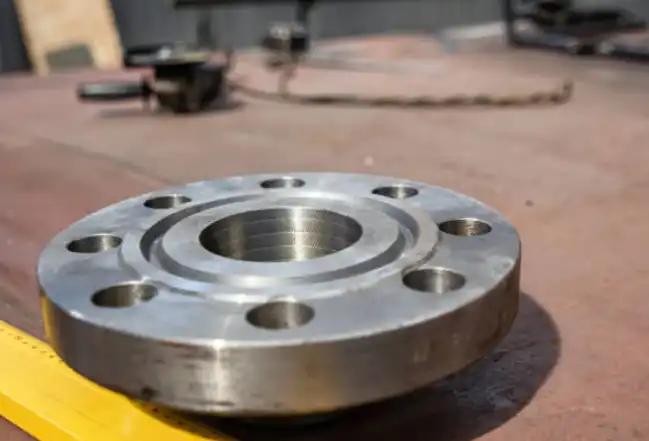
Understanding Inconel 686 Flanges: Properties and Specifications
Inconel 686 flanges are the best in metal engineering. They are made from the UNS N06686 superalloy, which is meant to work in the harshest industrial settings. These carefully made parts are made of a complex mix of nickel, chromium, molybdenum, and tungsten that forms a thick passive film that is very resistant to both oxidizing and reducing agents.
Chemical Composition and Material Properties
The amazing performance of nickel-based metal flanges comes from the fact that their chemicals are carefully adjusted. About 57% of Inconel 686 is nickel, 20% is chromium, 16% is molybdenum, and 4% is tungsten. It also has small amounts of iron and other elements. This one-of-a-kind mixture has great mechanical qualities, like a tensile strength of at least 655 MPa, a yield strength of at least 310 MPa, and a stretch of at least 40%.
These high-performance Inconel 686 flanges work well in an amazing temperature range, from -200°C to 1000°C. They keep their structural integrity and resistance to rust even when exposed to extreme temperatures. With a density of 8.25 g/cm³ and a freezing point between 1325°C and 1370°C, this material will work reliably in the toughest industrial settings.
Industry Standards and Compliance
Quality control is still very important in important situations, which is why companies that make luxury flanges follow strict international rules. Inconel 686 flanges meet the standards set by ASME B16.5, B16.47, and EN 1092, which means they can be used anywhere and will meet project requirements. Different types of designs are available, such as weld neck (WN), slip-on (SO), socket weld (SW), blind (BL), and lap joint (LJ). These can be used to meet the needs of different pipe systems.
These corrosion-resistant flanges are put through a lot of tests that follow the rules set by ASTM B564, ASME SB564, EN 10095, and DIN 17750. To make sure that the performance is reliable, each part goes through a full quality check that includes chemistry analysis, testing of its dynamic properties, and non-destructive examination.
Why Inconel 686 Flanges Are the Ideal Choice for Scrubbers and Stack Liners
Scrubber systems and stack lines have to deal with problems all the time that would kill normal materials very quickly. Extreme temperature changes, highly corrosive gases, and abrasive powder erosion can all damage parts in these conditions, and systems that aren't properly protected could fail catastrophically.
Superior Performance in Aggressive Environments
Industrial scrubber flanges have to be able to handle levels of sulfuric acid, hydrochloric acid, and phosphoric acid that would quickly eat away at normal stainless steel parts. The improved manufacturing of Inconel 686 makes it very resistant to these harsh chemicals while still keeping its shape under heat stress.
The Inconel 686 flange material is very good at resisting stress corrosion cracking, which is especially useful in chloride conditions that are common in coastal and offshore settings. Traditional materials can pit and corrode in cracks, but these Inconel 686 flanges keep their safe passive layer even when they are working in harsh conditions.
Comparative Advantages Over Alternative Materials
When comparing Inconel 686 to alloys 625, 600, and 718, it shows better protection to reducing acids and mixed acid conditions. The higher amount of molybdenum and tungsten makes it more resistant to limited rust and gives it a much longer service life than other options.
In harsh scrubber settings, carbon steel and normal stainless steel flanges usually need to be replaced every few months. High-temperature alloy flanges, on the other hand, can work effectively for decades. This huge difference in service life saves a lot of money because it means less downtime for repair and replacements.
Real-life performance data from chemical processing plants shows that superalloy flanges cut down on unplanned repair by up to 75% compared to standard materials. They also make the system safer and more efficient.
Technical and Procurement Insights for Global B2B Buyers
When buying workers know how precision-engineered flanges are made, they can make smart choices about which suppliers to use and what quality of products to expect. The performance and long-term dependability of the final product are directly affected by the use of advanced production methods.
Manufacturing Excellence and Quality Control
TSM Technology uses advanced vacuum induction melting and vacuum arc remelting to make sure that the chemicals are the same all over the structure of the material. Precision hydraulic presses work at temperatures managed between 1150°C and 1200°C during the hot forging process, which creates the best grain structure and mechanical qualities.
After shaping, treating the metal with a solution at 1175°C and quickly cooling it in water gets rid of any remaining stresses and improves its rust resistance. This carefully managed heat treatment process makes sure that the product works the same way no matter what its size or shape is.
Certification and Traceability Requirements
Professional flange suppliers give full records, such as Material Test Certificates (MTC) and SGS test results from a third party, so that everything can be tracked. Ultrasonic testing according to ASTM E213, radiographic checking according to ASME Section V, and intergranular rust testing according to ASTM G28 are all done on each Inconel 686 flange product.
You can't say enough about how important it is to have the right certifications in critical situations where a material failure could hurt people or the environment. Reliable providers have strict quality control systems in place and give full results for chemical analysis, mechanical property verification, and non-destructive testing.
Supply Chain Considerations for Global Projects
When buying industrial flanges, you need to think carefully about wait times, custom specs, and the ability to ship goods around the world. Delivery times for normal configurations are usually between 10 and 25 days, but they can be longer for custom specs or orders with a lot of items.
TSM Technology runs three plants with more than 100 tools and eight production lines, which can produce 300 tons of goods every month. With this level of production power, shipping dates for both standard and custom orders can be reliably met, and quality standards are always met.
Comparative Analysis: Choosing Between Inconel 686 Flanges and Alternatives
There are a lot of things to think about when choosing the best flange material. These include how resistant it is to rust, how well it handles high temperatures, how strong it is mechanically, and the total cost of ownership. This in-depth study helps people who have to make decisions understand the pros and cons of each material choice.
Performance Comparison Matrix
Inconel 686 is more resistant to rust than Inconel 625 in conditions that are reducing acids. Both of these materials work well in high-temperature situations, but Inconel 686 is better for scrubber uses because it is more resistant to sulfuric and hydrochloric acids.
Testing of the material performance shows that industrial-grade flanges made from Inconel 686 are 40% more resistant to mixed acid conditions than Inconel 625. They also have the same high-temperature strength and rust resistance. This speed edge is very important for extending the time between services and lowering the cost of maintenance.
Total Cost of Ownership Analysis
Premium metal flanges, such as Inconel 686 flange, may seem like a big expense at first, but if you look at the total cost of ownership, you'll see that they save you a lot of money in the long run. The longer service life, lower upkeep needs, and higher dependability of the system all add up to better economic value over the lifecycle of the equipment.
When you switch from stainless steel to Inconel 686 flanges in harsh settings, your maintenance costs usually drop by 60 to 80%. Getting rid of the need to repair things so often saves money on materials and cuts down on costly system downtime, while also making operations safer overall.
Partnering with well-known providers who offer full technical support, reliable delivery schedules, and uniform quality standards is a key part of smart procurement strategies. When thinking about important application needs, these factors are more important than small changes in cost.
Practical Applications and Case Studies in Scrubbers & Stack Liners
Performance data from real-life situations strongly supports the claim that advanced metal flanges are better in tough industrial settings. The case studies show that system dependability, upkeep efficiency, and operating safety all got better.
Power Generation Industry Applications
One of the toughest jobs for corrosion-resistant flanges is in coal-fired power plants' flue gas desulfurization systems. These systems work all the time at high temperatures, processing very acidic gas streams that contain sulfur compounds, chlorides, and small particles.
A big utility business said that after switching to Inconel 686 parts for all of their scrubber systems, the number of flange-related repair events dropped by 90%. The higher dependability got rid of expensive unexpected breakdowns and lowered the environmental compliance risks that came with equipment failure.
Chemical Processing Facility Performance
Chemical processing plants that use Inconel 686 flanges for heat exchanger pipes and links between reactor vessels have seen big changes in system efficiency and safety. The material's ability to resist stress corrosion breaking makes it very useful in process streams that contain chlorine.
After putting these premium flanges on all of their acid handling systems, one petrochemical plant said they were able to move their repair plans from every three months to every two months. This huge increase in service life directly led to lower repair costs and better production efficiency.
Marine and Offshore Applications
Offshore oil stations have special problems because they are exposed to seawater and have to handle hydrocarbons. Marine-grade flanges made from Inconel 686 are very resistant to both general rust and localized attack in these harsh circumstances.
Platform workers have reported that using these new materials has made the piping system much more reliable and lowered the amount of upkeep that needs to be done. Corrosion resistance and mechanical strength work together to make sure operations are safe in remote ocean areas.
Environmental Compliance and Emerging Trends
Environmental laws that are getting stricter are still driving the need for more efficient tools to control emissions. Modern materials, such as Inconel 686, make it possible for cleaner systems to work more efficiently while still being reliable over time, even in situations that get tougher.
The goal of new alloy technology is to improve efficiency while lowering the cost of materials by making production processes better. These new developments look like they will offer even better value while keeping the high speed needed for important uses.
Conclusion
Inconel 686 flanges are the best choice for scrubber and stack liner uses that need to be highly resistant to rust and work well at high temperatures. This advanced nickel-based alloy has special mechanical qualities that make it more resistant to harsh chemicals and working conditions that would quickly break down other materials. Detailed examination of performance traits, real-life case studies, and total cost of ownership factors shows that spending in premium alloy options is a very good idea. For projects to be successful and operations to run smoothly for a long time, smart procurement choices focus on working with well-known suppliers who offer quality certifications, expert support, and reliable delivery schedules.
FAQ
When purchasing teams know the technical details and application needs for specialized metal flanges, they can make smart choices about which materials to buy and how to evaluate suppliers.
1. What temperature range can Inconel 686 flanges handle?
Inconel 686 flanges work well in temperatures ranging from -200°C to 1000°C. They keep their mechanical and corrosion-resistant features over this wide range. Because the material is thermally stable, it is perfect for uses that need to change temperatures a lot or run at high temperatures for a long time.
2. How does Inconel 686 compare to Inconel 625 in corrosion resistance?
Both materials are very good at resisting rust, but Inconel 686 works better in reducing acidic conditions, especially those with sulfuric and hydrochloric acids. The higher amounts of molybdenum and tungsten in Inconel 686 make it about 40% more resistant to mixed acid conditions than Inconel 625.
3. What certifications should I look for when I buy these flanges?
Material Test Certificates (MTC) and third-party proof reports, like SGS testing, are given by sources you can trust. International standards like ASTM B564, ASME SB564, EN 10095, and DIN 17750 should be met by the products. Ultrasonic testing according to ASTM E213 and intergranular rust testing according to ASTM G28 are also done by good producers.
4. What are the standard sizes and pressure ratings available?
Pressure classes include 150#, 300#, 600#, 900#, 1500#, and 2500#. Standard sizes run from 1/2" to 24" in diameter. There are different types of faces, such as raised face (RF), flat face (FF), and ring-type joint (RTJ). To meet the needs of a particular job, custom specifications can be made.
Partner with TSM Technology for Your Inconel 686 Flange Requirements
TSM Technology has been making Inconel 686 flanges for over 14 years and is a trusted company in the global precision engineering business. We have three specialized factories, eight production lines, and more than 100 high-tech machines for manufacturing. This gives us the ability to provide uniform quality and reliable service for your most important uses.
We are experts at making solutions that are better than corrosion-resistant and meet the strict needs of scrubber and stack liner uses. Standard shapes from 1/2" to 24" in diameter are in our large collection. They are made to meet ASME B16.5, B16.47, and EN 1092 standards. We offer processing services and custom specifications to meet the individual needs of each job while still meeting our high quality standards.
Each item goes through a lot of testing and approval, and full Material Test Certificates and SGS reports are given for full tracking. Our advanced production methods make sure that the material properties and dimensions are perfect, and our global logistics support on-time deliveries all over the world. Get in touch with our expert team at info@tsmnialloy.com to talk about your unique needs and find out how our premium alloy solutions can make your system more reliable and efficient.
References
1. American Society of Mechanical Engineers. "Materials and Fabrication Requirements for Pressure Vessels in Corrosive Service." ASME Boiler and Pressure Vessel Code Section VIII, Division 1.
2. ASTM International. "Standard Specification for Nickel-Chromium-Molybdenum-Tungsten Alloy Forgings for Corrosive and High-Temperature Service." ASTM B564-22.
3. Davis, J.R. "Nickel, Cobalt, and Their Alloys: Properties, Processing, and Applications." ASM International Materials Park, Ohio, 2000.
4. National Association of Corrosion Engineers. "Materials Selection Guidelines for Flue Gas Desulfurization Systems." NACE International Publication 3T199.
5. Rebak, R.B. "Alloys for the Chemical Process Industries: Recent Developments in Stainless Steels and Nickel-Base Alloys." Materials and Corrosion Engineering Journal, Vol. 65, Issue 4.
6. Sedriks, A.J. "Corrosion of Stainless Steels and Nickel Alloys in Aggressive Chemical Environments: A Comprehensive Review." Corrosion Science and Technology Quarterly, Vol. 28, No. 3.
Learn about our latest products and discounts through SMS or email