- English
- French
- German
- Portuguese
- Spanish
- Russian
- Japanese
- Korean
- Arabic
- Greek
- German
- Turkish
- Italian
- Danish
- Romanian
- Indonesian
- Czech
- Afrikaans
- Swedish
- Polish
- Basque
- Catalan
- Esperanto
- Hindi
- Lao
- Albanian
- Amharic
- Armenian
- Azerbaijani
- Belarusian
- Bengali
- Bosnian
- Bulgarian
- Cebuano
- Chichewa
- Corsican
- Croatian
- Dutch
- Estonian
- Filipino
- Finnish
- Frisian
- Galician
- Georgian
- Gujarati
- Haitian
- Hausa
- Hawaiian
- Hebrew
- Hmong
- Hungarian
- Icelandic
- Igbo
- Javanese
- Kannada
- Kazakh
- Khmer
- Kurdish
- Kyrgyz
- Latin
- Latvian
- Lithuanian
- Luxembou..
- Macedonian
- Malagasy
- Malay
- Malayalam
- Maltese
- Maori
- Marathi
- Mongolian
- Burmese
- Nepali
- Norwegian
- Pashto
- Persian
- Punjabi
- Serbian
- Sesotho
- Sinhala
- Slovak
- Slovenian
- Somali
- Samoan
- Scots Gaelic
- Shona
- Sindhi
- Sundanese
- Swahili
- Tajik
- Tamil
- Telugu
- Thai
- Ukrainian
- Urdu
- Uzbek
- Vietnamese
- Welsh
- Xhosa
- Yiddish
- Yoruba
- Zulu
Seamless Nickel Alloy Pipe: Advantages and Applications in Industry
When industrial operations demand materials that withstand extreme conditions, nickel alloy seamless pipe stands as the premier solution for critical applications across aerospace, energy, and chemical processing sectors. These precision-engineered tubular products combine exceptional corrosion resistance with superior mechanical properties, making them indispensable for environments where traditional materials fail. Unlike welded alternatives, seamless construction eliminates weak points while delivering consistent performance under high pressure and temperature extremes.
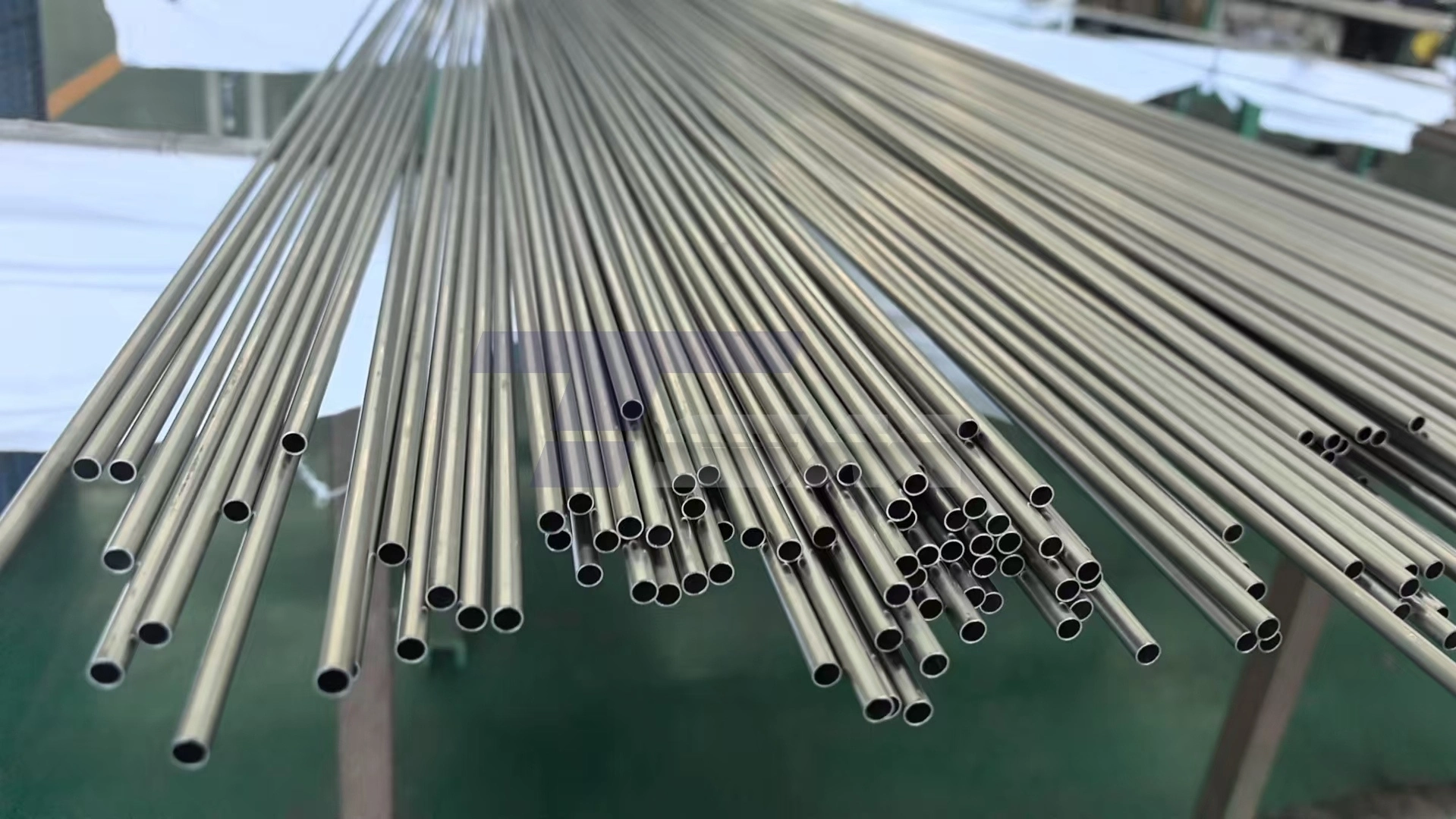
Understanding Seamless Nickel Alloy Pipes
Manufacturing Process and Structural Integrity
Hot extrusion and cold drawing are used to make seamless pipes, which means they don't need to be longitudinally welded. This method makes the wall thickness regular and gets rid of the heat-affected zones that are common in soldered versions. Precision shaping of solid billets is done at TSM Technology by rotating piercing. This is followed by controlled drawing and heat treatment to get the best mechanical qualities.
The smooth design is much better than welded pipes in a number of important ways. Not having any weld gaps means there are no possible weak spots. This is especially important in high-pressure situations where a buildup of stress can cause catastrophic breakdowns. Our factories follow strict dimensional standards, with outer sizes ranging from 6 to 114 mm and wall thickness ranging from 0.5 to 15 mm. This makes sure that our products work the same way in all situations.
Chemical Composition and Alloy Grades
To get certain performance qualities, modern nickel alloy seamless pipe uses complex engineering. Depending on the grade, nickel content is usually between 35% and 99%. Chromium additions of 15% to 30% make it resistant to tarnishing. A molybdenum percentage of 2 to 28 percent makes the steel more resistant to corrosion in reducing conditions. Adding tungsten, niobium, and titanium makes the steel stronger at high temperatures.
TSM Technology makes pipes out of different types of metals, such as Inconel, Hastelloy, Incoloy, and Monel. Each grade is designed to meet specific operating needs. For example, Inconel 625 works very well in settings with high temperatures and oxidizing substances, Hastelloy C-276 is very resistant to chemicals, and Monel 400 is the best choice for marine uses. Our metals meet the requirements of ASTM B163 and ASTM B166, which makes sure that the materials can be tracked and that certifications are followed.
Quality Standards and Certifications
International guidelines are very strict when it comes to making seamless nickel alloy pipes. The ASTM standards spell out the limits for chemical composition, mechanical qualities, and testing needs. EN standards make sure that European rules are followed, and ASME codes describe how pressure vessels should be used. Our production keeps both ISO 9001:2008 certification and TÜV approval, which makes sure that quality control stays the same throughout the whole process.
Mill Test Certificates (MTC) show the results of chemical analysis and mechanical tests and are part of material approval. Third-party verification by SGS adds to the quality guarantee for important uses. Ultrasonic testing (UT) and eddy current examination (ET) are used to look for flaws inside each batch of pipes. Tensile strength and impact traits are checked using mechanical testing that meets ASTM E8/E23 standards.
Advantages of Seamless Nickel Alloy Pipes in Industrial Use
Superior Corrosion Resistance Performance
The main benefit that is driving industry usage is its high resistance to corrosion in a wide range of environments. In chloride-containing media, nickel alloy seamless tube works better than stainless steel because it doesn't crack from stress corrosion, which happens a lot with austenitic stainless steels. For top types, pitting resistance equivalent numbers (PREN) usually go over 40, which means they have better localized corrosion resistance.
Chemical working areas have their own problems, and regular materials don't last long in those settings. When exposed to sulfuric acid, hydrochloric acid, and organic acids at high temperatures, nickel metals keep their shape. The passive oxide film that forms on nickel alloy surfaces fixes itself when it gets broken, so it keeps protecting the metal for its whole useful life. It is especially useful for this feature in petrochemical uses where servicing access is limited.
High-Temperature Strength Retention
Materials that keep their mechanical features under thermal stress are needed for uses that involve high temperatures. Superalloys made of nickel stay strong at temps above 800°C, while regular steels lose a lot of their power at those temperatures. In power production, where materials are exposed to high temperatures and stress for a long time, creep resistance becomes very important.
TSM Technology's heat treatment methods improve high-temperature efficiency by fine-tuning grain structure. Solution annealing at controlled temperatures breaks down carbides and evens out the makeup. Aging treatments can then form stronger phases. Even at high temperatures, our pipes keep their tensile strengths above 600 MPa, which means they can be used for structural purposes in gas engines and nuclear reactors.
Enhanced Mechanical Durability
When you build something without seams, there are no metal breaks like there are in soldered pipes. Weld heat-affected zones cause limited changes in microstructure and properties, and they are usually the weaker link in pipe systems. Because seamless making creates a uniform grain structure, the mechanical features of the pipe wall are the same all the way through its length.
Because the insides are smooth and there are no stress concentrators, fatigue resistance goes up a lot. Better fatigue life is helpful in situations with changing loads, like those found on offshore platforms and in aircraft uses. Even at cryogenic temperatures, impact toughness stays high. This makes it useful for LNG and liquid hydrogen uses where brittleness worries rule out other materials.
Key Applications of Seamless Nickel Alloy Pipes
Aerospace and Defense Applications
The aerospace business needs materials that are both light and very good at working in harsh situations. Nickel alloy seamless pipe is very important in gas turbine engines because the hot section parts work at temperatures that are getting close to the limits of the material. Piping that doesn't rust or corrode is needed for fuel injection systems, hydraulic lines, and air control systems to work properly.
For example, rocket guidance systems, submarine parts, and airplane environmental systems are all military uses. The ability to fight corrosion and be strong mechanically is very important for military ships that work in saltwater. Materials used in space uses need to be able to handle changes in temperature, radiation, and long periods of use without any upkeep.
Oil, Gas, and Petrochemical Processing
Chemicals that are harsh and quickly break down normal materials are used in downstream processing plants. Some of the things that are used in refineries are hydrotreating units, catalyst renewal systems, and corrosive service pipes that have to deal with hydrogen sulfide and organic acids. Nickel alloys are used on offshore platforms for underwater uses where they are exposed to seawater and hydrocarbons, which creates unique corrosion processes.
Pipes made of nickel alloy are used for important process lines in petrochemical plants that handle ethylene, propylene, and aromatics. High-temperature crackers that work above 800°C need materials that can keep their shape when temperatures change. It is better at resisting chemicals than stainless steel, which makes it a better choice for acid service uses like alkylation units and catalytic reformers.
Power Generation and Energy Infrastructure
Working with metals in nuclear power plants might be the toughest work setting there is. Radiation, temperature, and chemical stress are all put on steam engines, nuclear coolant systems, and tools for handling spent fuel. The nickel alloy seamless pipe makes the reactor safe to use while reducing the amount of upkeep that needs to be done during planned downtime.
In supercritical steam conditions, where higher temperatures and pressures are needed for better efficiency, conventional power plants use nickel metals. In combined cycle plants, heat recovery steam generators (HRSG) go through a lot of rapid temperature switching, which is hard on most materials. Concentrated solar power systems and geothermal setups are two examples of renewable energy uses that make it hard to choose the right materials because of the corrosive fluids and high temperatures.
Marine and Chemical Processing Industries
One of the most toxic conditions that industrial equipment has to deal with is seawater service. Better resistance to chloride is useful for marine systems like desalination plants, offshore platforms, and ships. When salt, high temperatures, and stress come together, they make conditions that encourage stress corrosion cracking in materials that are prone to it.
Pharmaceutical production, specialty chemical production, and fine chemical synthesis are all uses for chemical processing. High-purity standards get rid of materials that could get into product lines and damage them, and harsh cleaning chemicals need materials that are very resistant to chemicals. Nickel alloy pipes are used in process equipment like reactors, distillation columns, and heat exchanges to make sure the quality of the product and the dependability of the equipment's operation.
Comparing Nickel Alloy Seamless Pipes with Alternative Materials
Performance Against Stainless Steel Options
Austenitic stainless steels are good at resisting rust in many situations, but they fall short in chloride-containing settings. Stress corrosion cracking happens in 316L stainless steel when there are more than 50 parts per million of chloride, tension stress, and temperatures above 60°C. Even in harsh situations, nickel alloy seamless pipe doesn't crack from chloride stress corrosion.
Temperature power is another important factor that sets them apart. Above 900°C, stainless steel 316L oxidizes quickly, but nickel-based superalloys keep their protective oxide films even at temperatures above 1000°C. Nickel metals are better at keeping their mechanical strength at high temperatures. This is especially important in creep-limited situations where long-term dimensional stability is very important.
At first, cost makes stainless steel look better, but lifetime research often shows that nickel alloys are more valuable. better material costs are balanced out by lower maintenance needs, longer service life, and better dependability. When choosing a material, it's important to choose a good one for critical uses where failure could cause safety risks or production losses.
Comparison with Titanium and Specialty Alloys
Titanium metals are very strong for their weight and are biocompatible, but they can't be used in some chemical conditions. Titanium can't be used in high-temperature hydrogen because it can become weak from the hydrogen, and it can also cause galvanic rust when it comes into touch with different metals. The costs of making titanium smooth pipes are much higher than those of nickel alloy pipes.
Duplex stainless steels are better at resisting chlorides than austenitic types, but they can't handle high temperatures. Precipitation hardening stainless steels are very strong, but they lose their ability to fight rust and bend. Cobalt-based superalloys work great in uses that need to withstand high temperatures, but they are more expensive and harder to get.
To optimize material selection, you have to find a balance between performance needs and cost concerns. Many times, nickel alloys have the best mix of qualities for tough jobs where other materials can't be used because of multiple stress factors.
Buying Guide and Procurement Tips for B2B Clients
Supplier Selection and Quality Verification
When you buy nickel alloy seamless tube, you have to carefully check out each seller to make sure the material is real and the quality is always the same. Established makers with thorough certification programs lower the risks in the supply chain and offer expert help throughout the project's completion. The fact that TSM Technology is ISO 9001:2008 certified and TÜV approved shows that they are dedicated to quality management systems that meet international standards.
For important uses that need to track materials heat by heat, material traceability paperwork is a must. Chemical analysis and mechanical property checks are done by Mill Test Certificates. Third-party testing by SGS or similar groups adds more quality guarantee. Positive material identification (PMI) testing during the receiving check shows that the alloy's composition meets the requirements.
When you do a manufacturing capability review, you look at things like production capacity, dimensional skills, and delivery performance. TSM Technology's monthly capacity of 200 tons guarantees a steady supply for big projects, and our size range from 6 to 114 mm in diameter meets a wide range of application needs. Standard shipping times of 5 to 20 days keep projects on track, and custom size choices meet specific needs.
Technical Specification Development
For procurement to work well, there must be detailed technical specs that include information about the grade of the material, its size, its mechanical qualities, and the tests that must be done. Standardized specifications are given by ASTM standards, but more factors are often needed for particular applications. Specifications for the surface finish affect how fluids flow and how often they need to be cleaned in safe settings.
The conditions of the heat treatment have a big effect on the mechanical qualities and resistance to rust. Solution-annealed conditions make metals more flexible and resistant to rust in general, while precipitation-hardened conditions make them stronger. Materials that have been cold worked are stronger but less flexible. To get the best results, TSM Technology offers a number of heat treatment choices, such as annealing and solution treatment.
Additional corrosion tests, non-destructive examination, or mechanical property verification may be needed in addition to normal specs. The ASTM G48 pitting corrosion test checks for salt protection, and the ASTM G28 intergranular corrosion test checks for proper heat treatment. Ultrasonic testing finds problems inside that might make it less able to hold pressure.
Cost Optimization Strategies
Nickel alloy materials are very expensive, but smart buying methods can lower the overall cost of a project. When you buy in bulk, you can often get big price cuts, especially if you plan your purchases across multiple project stages. By sticking to a few standard metal types, you can simplify your inventory and get better prices by buying in larger quantities.
Managing lead times has an effect on both the cost of materials and the plan of a project. When compared to custom measures, standard sizes usually have faster shipping times and lower prices. Planning early on what materials you will need lets you make the best use of your factory plans and cuts down on the costs of expediting. Just-in-time shipping is made possible by TSM Technology's inventory control, which also keeps prices low.
By evaluating different grades, you might find that the same materials are cheaper without sacrificing function. When compared to older types, newer alloys can sometimes offer better qualities at comparable prices. Talking to skilled providers about technical issues can help you find ways to improve specifications.
Conclusion
Nickel alloy seamless pipe represents the pinnacle of material engineering for tough industrial uses. Because they don't rust, are strong at high temperatures, and can be built without any problems, these materials are essential in the aircraft, energy, chemical, and naval industries. Even though the starting prices are higher than with regular materials, the better performance, longer service life, and lower maintenance needs make them a strong economic case for important uses. As businesses keep moving toward harsher working conditions, nickel alloy seamless pipes will stay necessary to keep things running safely and reliably.
FAQ
1.What industries benefit most from seamless nickel alloy pipes?
Aerospace, oil and gas, petroleum processing, power generation, and marine businesses derive the greatest benefits. These sectors face extreme temperature, pressure, and corrosive environments where material failure carries significant safety and economic consequences.
2.How do seamless nickel alloy pipes compare to stainless steel in corrosion resistance?
Compared to stainless steel, nickel alloy seamless pipe is better at resisting cracking, pitting, and pocket corrosion caused by chloride stress corrosion. Nickel alloys work best in harsh chemical environments and high temperatures, while stainless steel may be enough for mild settings.
3.What are typical lead times for custom seamless nickel alloy pipe orders?
Standard sizes usually take 5 to 20 days, but based on how complicated they are, special sizes can take up to 8 to 12 weeks. In order to meet urgent needs, TSM Technology keeps a collection of popular sizes.
4.Which testing methods verify seamless pipe quality?
Eddy current testing (ET) and ultrasonic testing (UT) find problems inside a product. The tension and impact qualities are checked by mechanical testing according to ASTM E8/E23. Chemical protection is proven by corrosion tests like ASTM G48 and G28.
Partner with TSM Technology for Premium Nickel Alloy Seamless Pipe Solutions
TSM Technology stands ready to support your most demanding applications with our comprehensive nickel alloy seamless pipe manufacturer capabilities. Our 14 years of experience serving aerospace, energy, and chemical industries ensures deep understanding of your performance requirements. With ISO 9001:2008 certification, 200-ton monthly production capacity, and complete material traceability, we deliver the reliability your projects demand. Our technical team provides expert consultation on material selection, specification optimization, and quality assurance. Contact us at info@tsmnialloy.com to discuss your requirements and experience the TSM Technology advantage in superior alloy solutions.
References
Davis, J.R. "Nickel, Cobalt, and Their Alloys." ASM International Handbook Series, Materials Park, OH, 2000.
Rebak, R.B. "Nickel Alloys for Corrosive Environments." Advanced Materials & Processes, ASM International, 2019.
Crook, P. "Nickel-Based Superalloys for Advanced Turbine Engines." Journal of Materials Engineering and Performance, Vol. 14, 2005.
Fontana, M.G. "Corrosion Engineering Handbook: Nickel and Nickel Alloys." McGraw-Hill Professional, New York, 2018.
Special Metals Corporation. "High-Performance Alloys for Resistance to Aqueous Corrosion." Technical Bulletin, 2020.
ASTM International. "Standard Specification for Seamless Nickel and Nickel-Cobalt Alloy Condenser and Heat-Exchanger Tubes." ASTM B163-21, West Conshohocken, PA, 2021.
Learn about our latest products and discounts through SMS or email