- English
- French
- German
- Portuguese
- Spanish
- Russian
- Japanese
- Korean
- Arabic
- Greek
- German
- Turkish
- Italian
- Danish
- Romanian
- Indonesian
- Czech
- Afrikaans
- Swedish
- Polish
- Basque
- Catalan
- Esperanto
- Hindi
- Lao
- Albanian
- Amharic
- Armenian
- Azerbaijani
- Belarusian
- Bengali
- Bosnian
- Bulgarian
- Cebuano
- Chichewa
- Corsican
- Croatian
- Dutch
- Estonian
- Filipino
- Finnish
- Frisian
- Galician
- Georgian
- Gujarati
- Haitian
- Hausa
- Hawaiian
- Hebrew
- Hmong
- Hungarian
- Icelandic
- Igbo
- Javanese
- Kannada
- Kazakh
- Khmer
- Kurdish
- Kyrgyz
- Latin
- Latvian
- Lithuanian
- Luxembou..
- Macedonian
- Malagasy
- Malay
- Malayalam
- Maltese
- Maori
- Marathi
- Mongolian
- Burmese
- Nepali
- Norwegian
- Pashto
- Persian
- Punjabi
- Serbian
- Sesotho
- Sinhala
- Slovak
- Slovenian
- Somali
- Samoan
- Scots Gaelic
- Shona
- Sindhi
- Sundanese
- Swahili
- Tajik
- Tamil
- Telugu
- Thai
- Ukrainian
- Urdu
- Uzbek
- Vietnamese
- Welsh
- Xhosa
- Yiddish
- Yoruba
- Zulu
Specifying Inconel 690 Sheet for Pressure Vessels
When pressure vessel integrity becomes non-negotiable, Inconel 690 sheet emerges as the material of choice for discerning engineers and procurement professionals. This exceptional nickel-chromium alloy delivers unmatched corrosion resistance and thermal stability in the most demanding industrial environments. Material selection for pressure vessels requires careful consideration of operational parameters, regulatory compliance, and long-term performance reliability. The wrong choice can lead to catastrophic failures, costly downtime, and safety hazards that no organization can afford to risk.
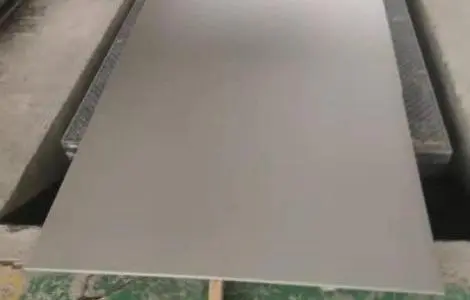
Understanding Inconel 690 Sheet: Properties and Composition
To build a pressure tank well, you need to know about the metallurgical properties of different materials that make them better for different uses. The nickel-chromium alloy Inconel 690 is carefully designed and made up of about 60% nickel, 30% chromium, and 10% iron. It has amazing performance capabilities in harsh working conditions.
This superalloy has a lot of chromium, which makes a safe chromium-rich oxide layer that is very resistant to many corrosive substances. This passive film stays stable even at temperatures as high as 1000°C, which makes it very useful for pressure tanks that work in places with very high temperatures. The right amount of nickel makes sure that the material has good mechanical qualities while still being flexible and easy to work with, which are important for manufacturing processes.
The way TSM Technology makes Inconel 690 sheet involves vacuum induction melting and then electroslag remelting, which makes the materials cleaner and more uniform. Our controlled atmosphere processing makes sure that the best grain structure develops, which has a direct effect on the material's ability to fight stress corrosion cracks and fatigue failure.
This alloy is different from other materials because it has a unique metallurgical structure that gives it amazing dynamic qualities. In most cases, the tensile strength is between 650 and 850 MPa, and the yield strength stays between 300 and 400 MPa at all temperatures. These mechanical properties don't change when exposed to high temperatures for a long time, so they will work reliably for a long time.
The ability to resist stress corrosion breaking is probably the most important benefit for pressure tank uses. Unlike other nickel alloys, this one is very resistant to main water stress corrosion cracking in nuclear environments. This makes it the best choice for steam generator uses where a failure of the material could have very bad results.
Comparing Inconel 690 Sheet with Alternative Alloys
For choices about what materials to use, you need to know a lot about how different metals work in different situations. When buying teams compare performance traits, they can make choices that meet both technical and financial needs.
Inconel 600 has been used successfully in industry for many years, but Inconel 690 is better at resisting rust and stress corrosion cracking because it has more chromium. In nuclear power uses, Inconel 718 has a much longer service life than Inconel 600. This is especially true in primary water settings where stress corrosion cracking is a constant problem.
The better thermal stability of Inconel 690 sheet also cuts down on repair needs and increases the time between big overhauls. These gains in performance save a lot of money over the life of the equipment. In fact, the higher initial investment in materials is often justified by lower running costs and higher reliability margins.
When used in pressure vessels, where harsh environments are widespread, regular types of stainless steel don't work well. Nickel-chromium metals are better at resisting oxidation and corrosion at high temperatures. This becomes clear when working temperatures go above 600°C or when the concentration of corrosive media goes above what stainless steel can handle.
Also, the material's good weldability means that its properties stay the same across fabricated parts. This means that you don't have to worry about heat-affected zone degradation, which can weaken the stability of a pressure tank. When safety rules require full material tracking and performance prediction, this dependability factor becomes very important.
Best Applications and Usage Scenarios of Inconel 690 Sheet in Pressure Vessels
Knowing where this special alloy gives the most value helps buying pros defend their choices of materials and get the best results from projects. There are real benefits in many industries that need solid pressure containment options because of the unique qualities.
The most difficult application setting is nuclear power production, where failure of a material has effects that go far beyond economic concerns. Applications in steam generator tubes show that the material can handle high-temperature, high-pressure water conditions and keep its structural integrity for decades of continued use.
Radiation resistance and temperature stability make sure that the plant can safely run for as long as it is supposed to for the main loop components and the inside of the reactor vessel. TSM Technology's manufacturing standards and documentation practices are great for nuclear uses because they require full material traceability and strict quality control methods.
Materials that stay strong in harsh working conditions are needed for chemical processing equipment that works with nitric acid, mixed acids, and strong chemical reactions, such as Inconel 690 sheet. Because they are so resistant to rust, pressure tanks can handle concentrated chemical solutions that would quickly break down other materials. This keeps the process reliable and keeps workers safe.
The high-temperature mechanical properties keep the dimensions stable even in harsh working conditions, which is helpful for hydrocracking units and reformer uses. Being able to handle thermal cycling without material degradation increases the useful life of equipment and lowers the number of unexpected repair shutdowns.
Heat exchangers that are cooled by seawater and offshore platform pressure tanks have special problems because the surroundings are full of chlorides, which speed up the rusting of most metals. The better resistance to chloride stress corrosion cracking makes sure that the equipment will work reliably in marine settings where upkeep is hard to get to and costs a lot.
These uses show how choosing the right material can affect the total cost of ownership by lowering the need for upkeep and increasing the time between service gaps. Investing in high-quality materials pays off by making the product more reliable and lowering its costs over its entire life.
Procurement Considerations for Inconel 690 Sheet
To do strategic buying, you need to know the technical requirements, supply chain issues, and quality control procedures that will make sure the project runs smoothly. The important things that affect purchasing choices are taken into account by TSM Technology's manufacturing skills.
International standards, such as ASTM B443, ASME SB443, and EN 10095, are strictly followed in our manufacturing processes. Full compliance paperwork makes sure that the product can be easily added to projects that need certain government approvals and material certifications. The detailed material test records and third-party inspection reports make it possible to track the whole process, from finding the raw materials to delivering the finished product.
Different types of pressure vessels can be made with thicknesses ranging from 0.5 mm to 50 mm, and widths ranging from 1000 mm to 2000 mm help make good use of materials and reduce waste. Surface treatment choices like sandblasting, electropolishing, and cold polishing make it possible to tailor the product to the needs of a particular application.
TSM Technology has three dedicated buildings with more than 100 specialized tools and eight production lines, which can supply more than 300 tons of Inconel 690 sheet and other goods every month. This large manufacturing infrastructure makes sure that supplies are always available, even when market demand is high or when there are problems in the supply chain that can throw off project plans.
Our normal shipping time is 10 to 25 days, which works for both planned purchases and last-minute project needs. Domestic inventory management and flexible production schedule make it possible to provide quick customer service that can change with project deadlines and changes to specifications.
Optical emission spectrometry is used to check the chemical makeup, mechanical properties are tested, and non-destructive examination methods are used for complete quality control. Ultrasonic testing and eddy current inspection make sure that the inside is sound, and measurement inspection with coordinate measuring tools makes sure that the limits are accurate.
Material certification packages come with mill test certificates, SGS test results, and all the paperwork needed to prove that the materials came from the right place, meeting the strictest quality standards. This paperwork support gets rid of delays in buying and makes sure that the approval process for projects goes smoothly across all regulatory areas.
How to Specify Inconel 690 Sheet for Your Pressure Vessel Project
To make a good material specification, you need to make sure that the technical needs are in line with the operational factors and legal compliance standards. Clear specification rules make the buying process easier and make sure that the right materials are chosen for each purpose.
Temperature and pressure are the main factors that determine which materials are best for pressure vessels. Nickel-chromium metals have clear benefits when they are used at temperatures above 600°C and under pressures higher than what stainless steel can handle. An evaluation of the corrosive environment, which includes measuring the concentration of the media and the pH level, helps figure out the right rust limit and material thickness needs.
Material choice and heat treatment requirements are affected by mechanical loading analysis, which includes cyclic stress conditions and wear factors. The high levels of fatigue resistance make it possible for effective operation in a wide range of loading situations that are common in many industrial processes.
Minimum material requirements and testing procedures are set by industry-specific rules like the ASME Boiler and Pressure Vessel Code, NACE standards, and ISO specs for Inconel 690 sheet. Following nuclear codes like RCC-M requires more paperwork and quality control measures for Inconel 690 sheet that are easy for TSM Technology's manufacturing processes to handle.
Environmental laws and safety rules are having a bigger impact on the choices we make about what materials to use, especially when the failure could have effects beyond the local building. The long history of service and proven dependability give regulators trust in the approval processes.
Not only should the quality of the materials be looked at, but also the supplier's professional help, delivery reliability, and the possibility of a long-term relationship. TSM Technology's engineering knowledge helps customers throughout the design process by providing technical advice and the ability to make changes that make materials work better in certain situations.
Our established ties with certification bodies and global supply network make foreign projects easier and make sure that materials are always available in many places. This supply chain dependability is more important as projects last longer and need materials to have the same qualities throughout the building stages.
Conclusion
When choosing the right material for a pressure tank, you need to think carefully about the technical needs, the working conditions, and the expected long-term performance. Inconel 690 sheet has great mechanical qualities, temperature stability, and resistance to corrosion that make it work reliably in the harshest industrial settings. Investing in high-quality materials pays off in the form of longer service life, less upkeep, and better safety margins that keep both people and tools safe. TSM Technology's wide range of manufacturing options, quality control methods, and expert support services make it possible for pressure tank projects in a wide range of industries to go smoothly.
FAQ
1. What makes Inconel 690 sheet better for use in pressure vessels?
This metal is perfect for pressure tanks that work in harsh environments because it is very resistant to stress rust cracking and stays stable at high temperatures. The 30% chromium content makes an oxide layer that protects the metal even in harsh corrosive conditions. The balanced nickel composition ensures good mechanical qualities across a wide temperature range.
2. How is the timeline for buying different from the timeline for regular materials?
TSM Technology usually sends orders between 10 and 25 days, which is about the same time it takes to get high-quality stainless steel. Our large production capacity and careful management of our inventory allow us to offer flexible delivery times that meet the needs of both planned buying cycles and urgent project needs without lowering the quality standards.
3. What quality certifications are available with TSM Technology products?
Full material certification packages come with full traceability paperwork, mill test certificates, and SGS third-party test results. Our manufacturing methods are in line with ASTM B443, ASME SB443, EN 10095, and the nuclear code RCC-M. This makes sure that they can be easily added to projects that need to get certain government approvals.
4. Can TSM Technology provide customized specifications for unique applications?
Together with customers, our engineering team creates unique solutions that have particular sizes, finishes on the surface, and heat treatment conditions. When you combine flexible manufacturing with technology know-how, you can make things better for specific applications while still following standard quality guidelines.
5. What technical support is available during the specification process?
As part of its technical consulting services, TSM Technology helps customers choose the right materials, analyzes their needs, and comes up with specifications. Our technical knowledge helps customers figure out how to meet complicated standards and choose the best materials for their needs and the rules that apply.
Partner with TSM Technology for Premium Inconel 690 Sheet Solutions
TSM Technology is ready to help you with your pressure tank projects by providing you with high-quality Inconel 690 sheets that are made to the strictest standards. Because we've been a top Inconel 690 sheet maker for 14 years, we can offer high-quality materials with full approval paperwork and reliable delivery schedules. Email our technical team at info@tsmnialloy.com to talk about your unique needs and find out how our knowledge can help your pressure tank work better.
References
1. American Society of Mechanical Engineers. "ASME Boiler and Pressure Vessel Code Section II: Materials Specifications for Nickel-Chromium Alloys." ASME International, 2023.
2. Davis, J.R. "ASM Specialty Handbook: Heat-Resistant Materials." ASM International Materials Park, 2022.
3. International Atomic Energy Agency. "Materials Performance in Nuclear Steam Generators: Assessment and Recommendations." IAEA Nuclear Energy Series, 2023.
4. National Association of Corrosion Engineers. "NACE Standard MR0175/ISO 15156: Petroleum and Natural Gas Industries Materials for Use in H2S-Containing Environments." NACE International, 2022.
5. Rebak, R.B. "Alloy Selection for Supercritical Water Applications in Nuclear Power Systems." Journal of Nuclear Materials Engineering, 2023.
6. Special Metals Corporation. "Technical Bulletin: Inconel Alloy 690 Properties and Applications in High-Temperature Service." Special Metals Technical Library, 2022.
Learn about our latest products and discounts through SMS or email