- English
- French
- German
- Portuguese
- Spanish
- Russian
- Japanese
- Korean
- Arabic
- Greek
- German
- Turkish
- Italian
- Danish
- Romanian
- Indonesian
- Czech
- Afrikaans
- Swedish
- Polish
- Basque
- Catalan
- Esperanto
- Hindi
- Lao
- Albanian
- Amharic
- Armenian
- Azerbaijani
- Belarusian
- Bengali
- Bosnian
- Bulgarian
- Cebuano
- Chichewa
- Corsican
- Croatian
- Dutch
- Estonian
- Filipino
- Finnish
- Frisian
- Galician
- Georgian
- Gujarati
- Haitian
- Hausa
- Hawaiian
- Hebrew
- Hmong
- Hungarian
- Icelandic
- Igbo
- Javanese
- Kannada
- Kazakh
- Khmer
- Kurdish
- Kyrgyz
- Latin
- Latvian
- Lithuanian
- Luxembou..
- Macedonian
- Malagasy
- Malay
- Malayalam
- Maltese
- Maori
- Marathi
- Mongolian
- Burmese
- Nepali
- Norwegian
- Pashto
- Persian
- Punjabi
- Serbian
- Sesotho
- Sinhala
- Slovak
- Slovenian
- Somali
- Samoan
- Scots Gaelic
- Shona
- Sindhi
- Sundanese
- Swahili
- Tajik
- Tamil
- Telugu
- Thai
- Ukrainian
- Urdu
- Uzbek
- Vietnamese
- Welsh
- Xhosa
- Yiddish
- Yoruba
- Zulu
8 Types of Corrosion and Protection Strategies for Industrial Fasteners
Introduction
Corrosion is a natural degradation process of metallic materials in the environment. It not only causes significant economic losses but can also lead to serious safety accidents. For applications requiring long-term corrosion resistance, choosing the right corrosion resistant fasteners made from materials such as titanium, nickel alloys, or advanced stainless steels is essential. This article will systematically introduce eight major types of corrosion to help you identify risks and make the right decisions.
What is Corrosion?
Corrosion is a gradual degradation process caused by a chemical reaction between a metal and its environment. Essentially, it is an electrochemical process where metal atoms lose electrons and are oxidized, forming more stable compounds (such as oxides and hydroxides). This process impairs the strength, appearance, and integrity of materials, potentially leading to catastrophic failure.
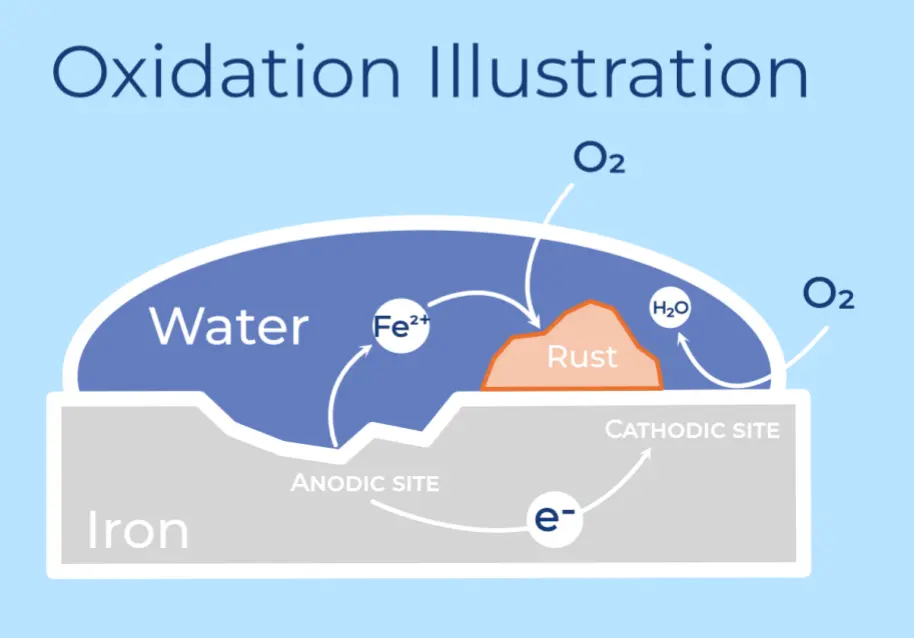
The basic conditions for corrosion to occur include:
- Anode: The region of metal that undergoes oxidation (loss of electrons).
- Cathode: The region where a reduction reaction occurs (gain of electrons).
- Electrolyte: The medium that provides a conductive path for ions (such as water or a salt solution).
- Conductive Path: The metallic pathway connecting the anode and cathode.
1. Uniform Corrosion
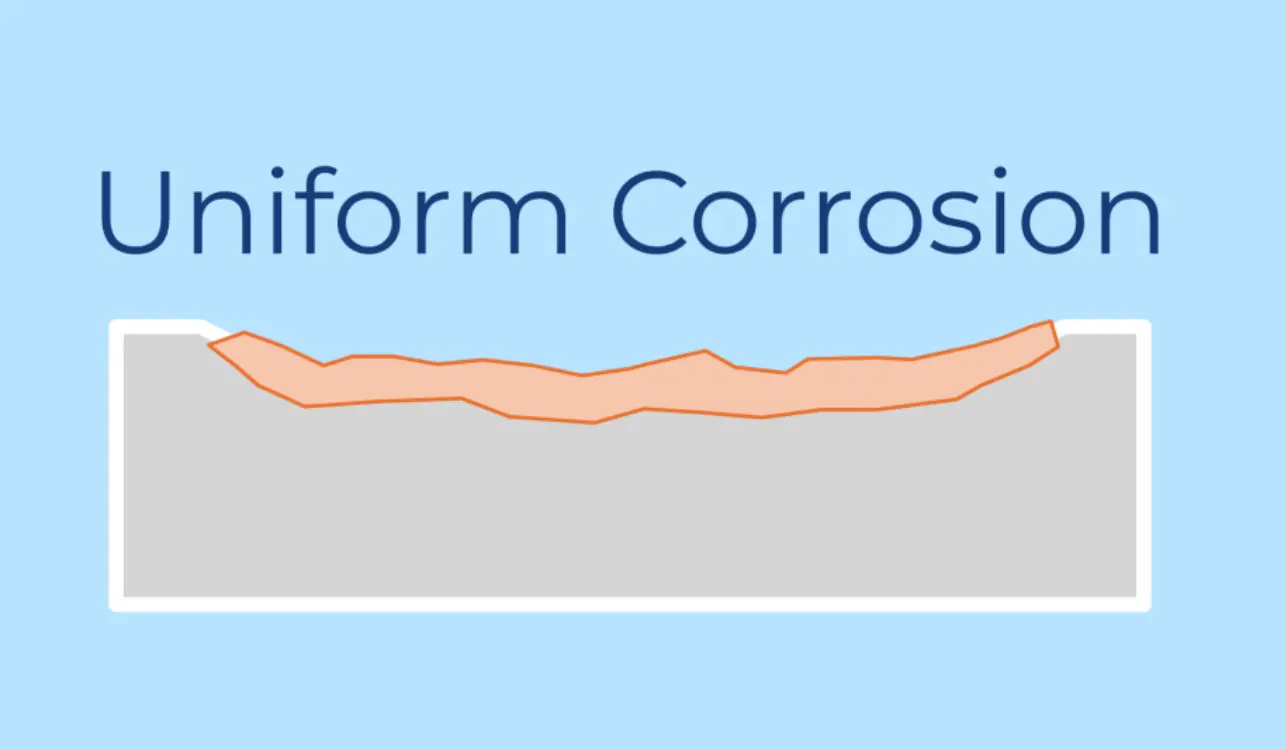
Uniform corrosion occurs when corrosion spreads evenly across the entire metal surface.
Typical Environments:
Humid atmosphere
Industrial areas
Acid rain exposure
Chemical processing environments
Impact on Fasteners:
For bolts and screws, uniform corrosion gradually reduces diameter and material thickness, lowering load capacity and clamping force.
Although predictable, severe uniform corrosion can eventually cause mechanical failure.
2. Pitting Corrosion
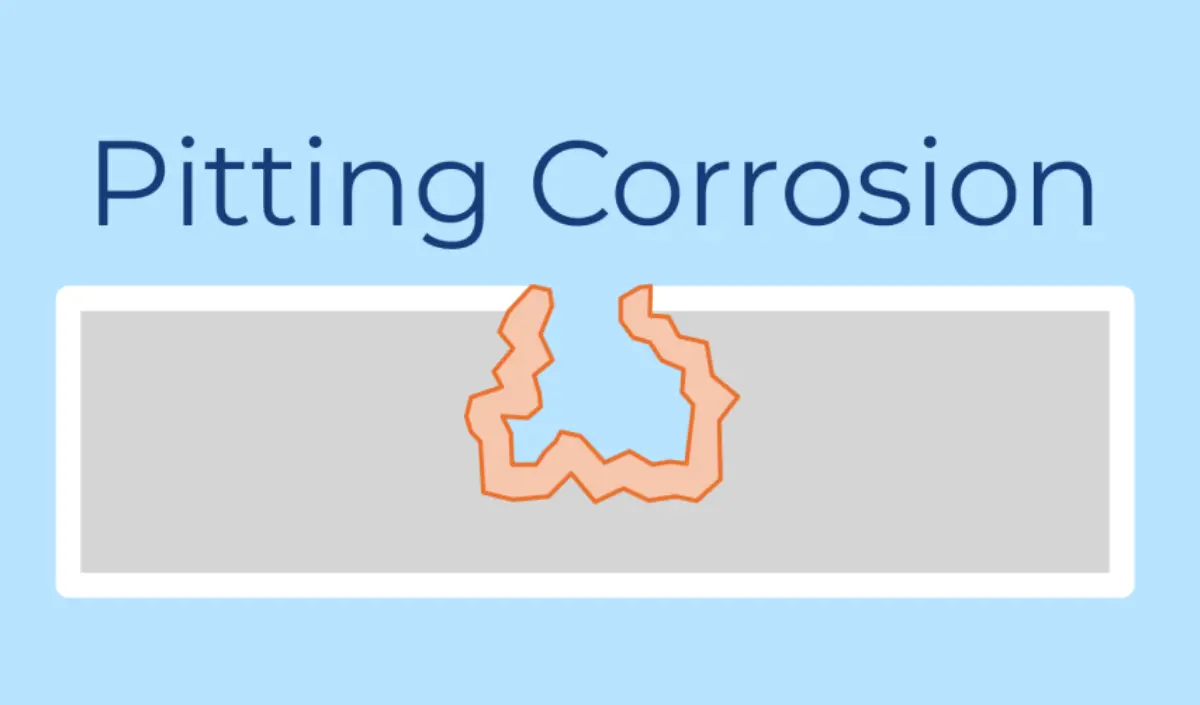
Pitting corrosion is a localized corrosion process that creates small but deep cavities on metal surfaces.
Typical Environments:
Seawater
Coastal environments
Chloride-containing chemicals
Offshore platforms
Impact on Fasteners:
Pits can become stress concentration points. Even a small corrosion pit on a bolt surface may initiate cracks under cyclic loading.
For marine applications, engineers often select high corrosion-resistant materials such as:
Nickel alloy fasteners
Super duplex stainless steel fasteners
to minimize pitting risks.
3. Stress Corrosion Cracking (SCC)
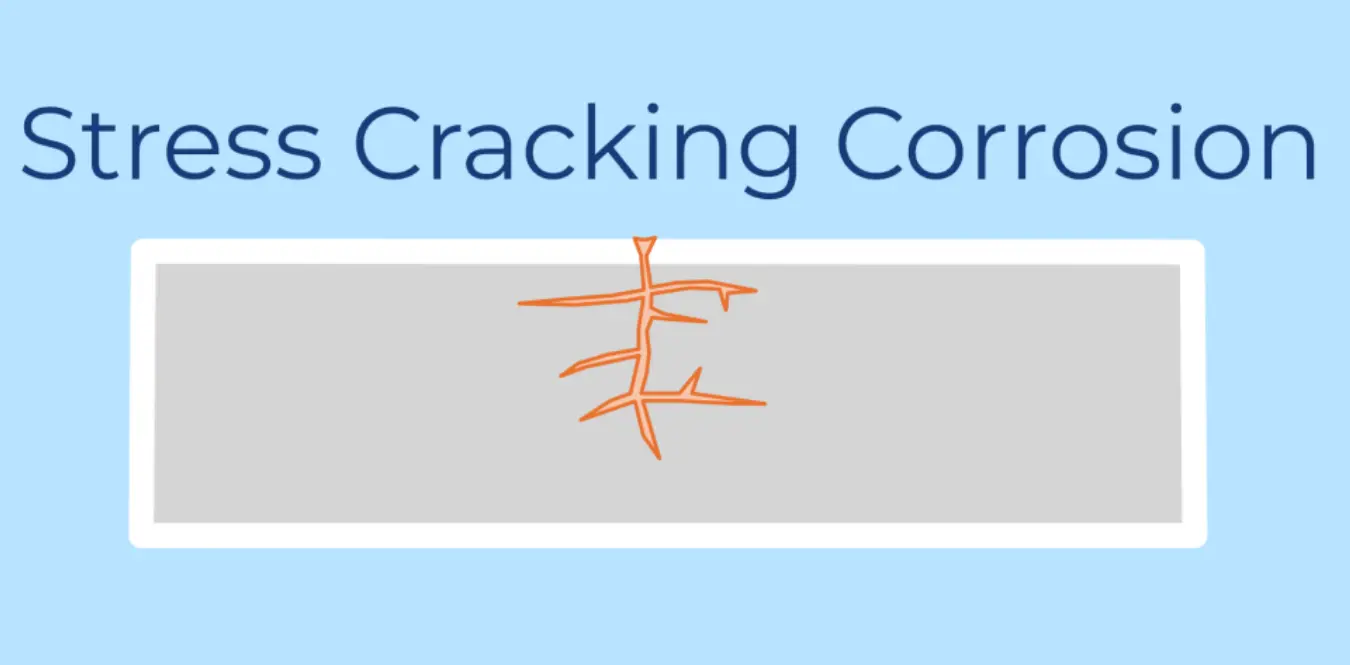
Stress corrosion cracking occurs when tensile stress combines with a specific corrosive environment.
This type of corrosion is particularly dangerous because failure may occur suddenly without obvious external damage.
Common Causes:
Chloride environments
High tensile stress
Sensitive alloy combinations
Impact on Fasteners:
Fasteners experience significant tensile stress after installation. In aggressive environments, SCC may lead to unexpected bolt fracture.
Proper material selection and stress control are essential.
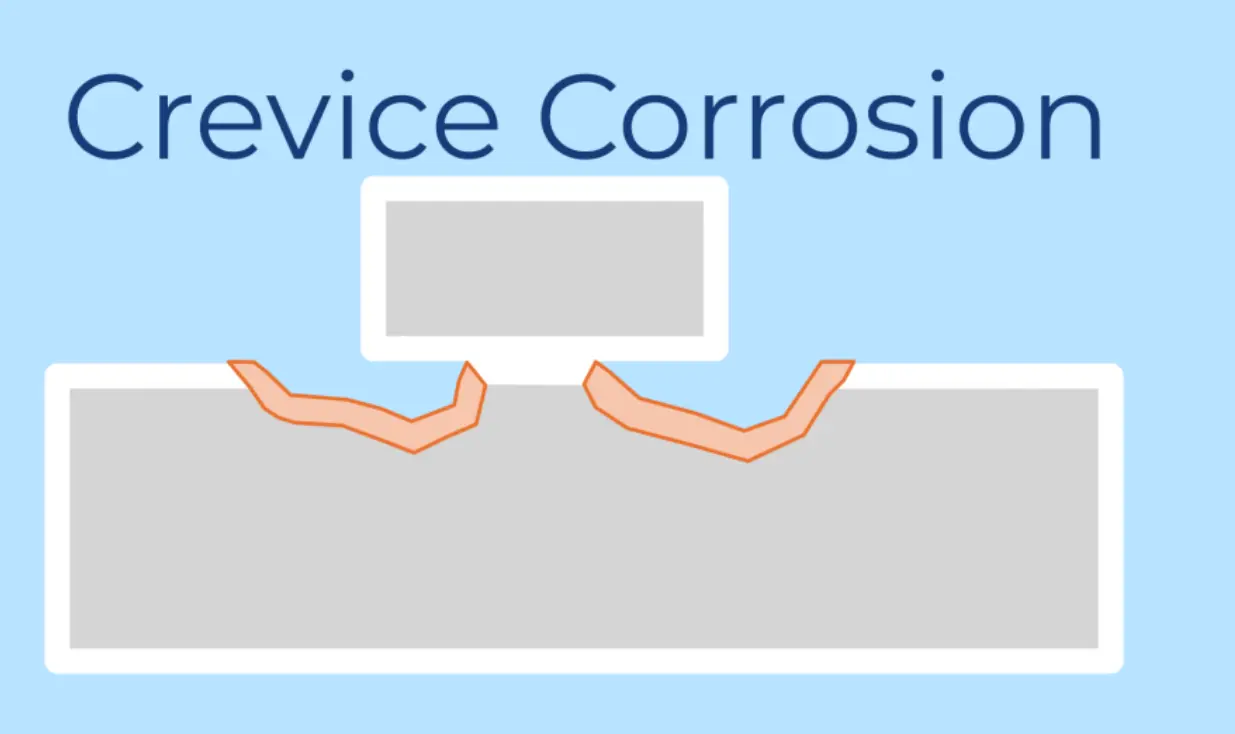
4. Crevice Corrosion
Crevice corrosion occurs in narrow spaces where stagnant liquids become trapped.
Typical locations include:
Under bolt heads
Between washers and surfaces
Thread contact areas
Gasket interfaces
Why It Happens:
Limited oxygen availability inside crevices creates different electrochemical conditions, accelerating localized corrosion.
Fastener Protection:
Using corrosion-resistant alloys and proper joint design helps reduce crevice corrosion risks.
5. Galvanic Corrosion
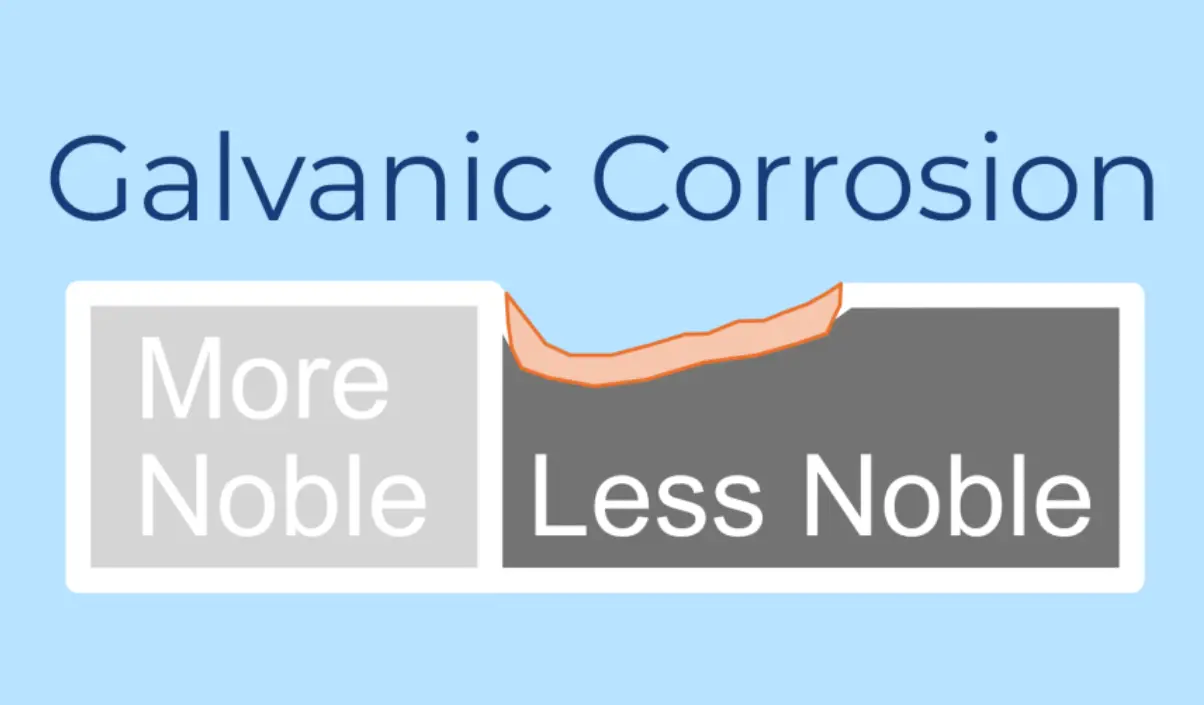
Galvanic corrosion occurs when two different metals are electrically connected in the presence of an electrolyte.
The less noble metal becomes the anode and corrodes faster.
Common Examples:
Steel bolts installed on aluminum structures
Stainless steel fasteners contacting carbon steel
Mixed metal marine assemblies
Prevention Methods:
Select compatible materials
Use insulation barriers
Apply protective coatings
Choose suitable alloy fasteners
6. Intergranular Corrosion
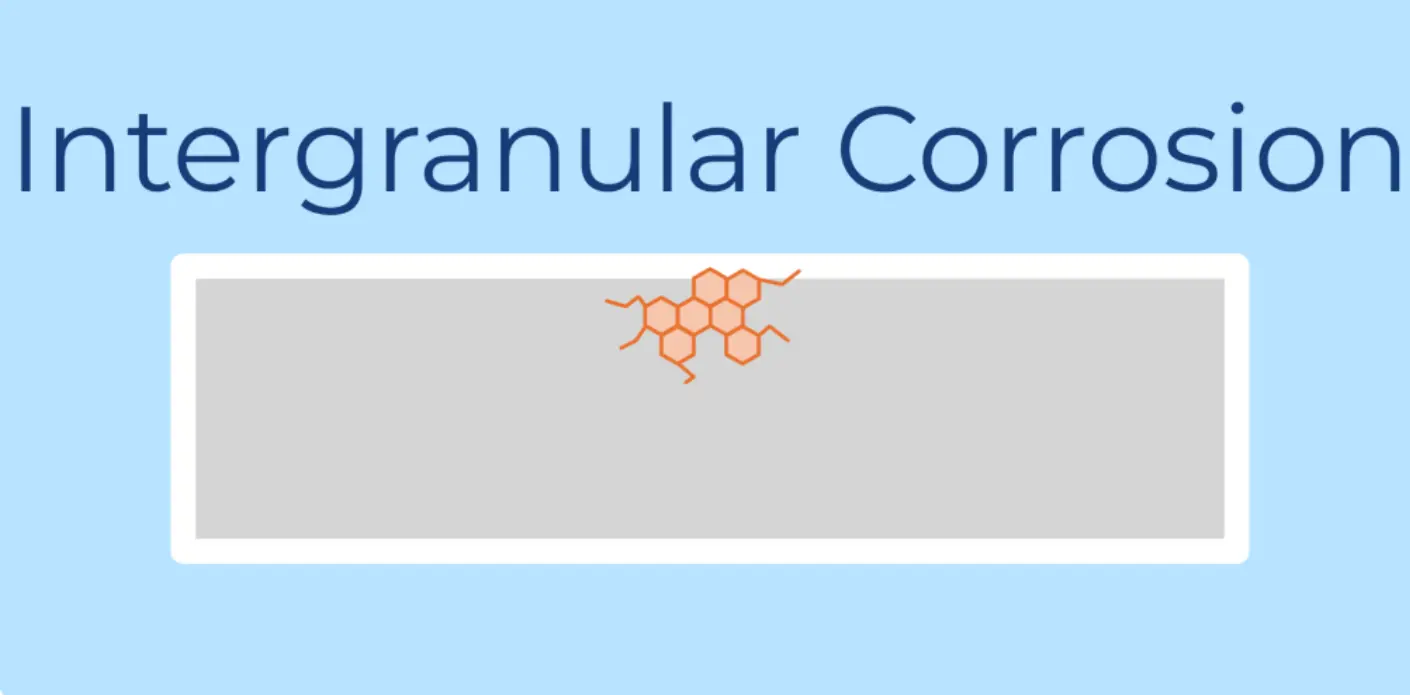
Intergranular corrosion attacks the boundaries between metal grains.
It is commonly associated with:
Improper heat treatment
Welding processes
Chromium depletion in stainless steels
Impact:
Loss of grain boundary strength can reduce mechanical performance and cause unexpected fracture.
7. Fretting Corrosion
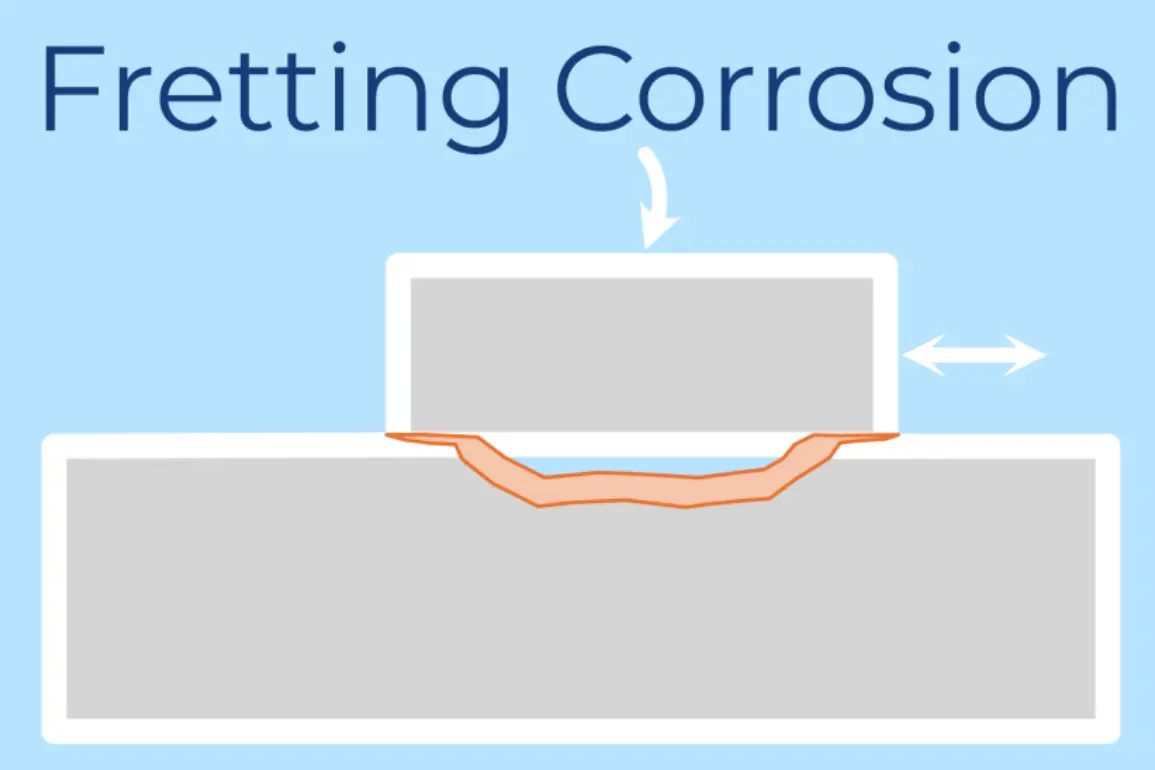
Fretting corrosion occurs when two contacting surfaces experience repeated small movements.
Common Applications:
Mechanical joints
Rotating equipment
Vibration environments
Impact on Fasteners:
Fretting can cause:
Thread damage
Loss of preload
Surface wear
Reduced fatigue life
8. Hydrogen Embrittlement
Hydrogen embrittlement occurs when hydrogen atoms penetrate metal structures and reduce ductility.
Common Sources:
- Electroplating
- Acid cleaning
- Pickling processes
- Oil and gas environments
Impact on Fasteners:
High-strength bolts are especially vulnerable because hydrogen absorption may cause delayed brittle fracture.
Why Corrosion Resistance Matters for Fasteners
Corrosion-resistant materials provide several important advantages:
1.Longer Service Life
High-performance alloys reduce replacement frequency and maintenance costs.
2.Improved Safety
Reliable fasteners help prevent structural failures in critical systems.
3.Reduced Downtime
Corrosion-related failures can stop production and create significant economic losses.
4.Better Performance in Extreme Environments
Materials designed for corrosion resistance perform better in:
- Marine environments
- Chemical plants
- Offshore platforms
- Oil and gas systems
- Power generation facilities
How to Prevent Corrosion in Industrial Fasteners
1. Choose the Right Material
Material selection is the most effective corrosion prevention method.
Common choices include:
Stainless Steel Fasteners
Suitable for general industrial and outdoor applications.
Titanium Fasteners
Excellent resistance to seawater and chloride environments with lightweight advantages.
Nickel Alloy Fasteners
Ideal for chemical processing and high-temperature corrosive environments.
2. Consider Environmental Conditions
Before selecting fasteners, evaluate:
Temperature
Chemical exposure
Chloride concentration
Mechanical stress
Service lifetime requirements
3. Use Proper Surface Protection
Additional protection methods include:
Passivation
Coatings
Plating
Protective barriers
Choosing Corrosion Resistant Fasteners for Critical Applications
Selecting the correct fastener material is essential for long-term reliability.
For marine, chemical, offshore, and industrial applications, conventional materials may not provide sufficient corrosion resistance.
TSM Technology supplies high-performance corrosion resistant fasteners including:
Titanium Fasteners
Nickel Alloy Fasteners
Hastelloy Fasteners
Inconel Fasteners
Custom machined fasteners
Our fasteners are manufactured for demanding environments where corrosion resistance, strength, and reliability are critical.
Conclusion
Corrosion is a complex process influenced by material properties, environmental conditions, and mechanical stresses.
Understanding corrosion mechanisms allows engineers to select suitable materials and protection strategies before failures occur.
For critical industrial applications, using corrosion-resistant fasteners made from titanium and nickel alloys is one of the most effective ways to improve equipment reliability and service life.
Contact us
If you are looking for high-quality corrosion resistant fasteners, our experienced manufacturing team can provide reliable material solutions for demanding industrial applications.
Email: info@tsmnialloy.com
Learn about our latest products and discounts through SMS or email