- English
- French
- German
- Portuguese
- Spanish
- Russian
- Japanese
- Korean
- Arabic
- Greek
- German
- Turkish
- Italian
- Danish
- Romanian
- Indonesian
- Czech
- Afrikaans
- Swedish
- Polish
- Basque
- Catalan
- Esperanto
- Hindi
- Lao
- Albanian
- Amharic
- Armenian
- Azerbaijani
- Belarusian
- Bengali
- Bosnian
- Bulgarian
- Cebuano
- Chichewa
- Corsican
- Croatian
- Dutch
- Estonian
- Filipino
- Finnish
- Frisian
- Galician
- Georgian
- Gujarati
- Haitian
- Hausa
- Hawaiian
- Hebrew
- Hmong
- Hungarian
- Icelandic
- Igbo
- Javanese
- Kannada
- Kazakh
- Khmer
- Kurdish
- Kyrgyz
- Latin
- Latvian
- Lithuanian
- Luxembou..
- Macedonian
- Malagasy
- Malay
- Malayalam
- Maltese
- Maori
- Marathi
- Mongolian
- Burmese
- Nepali
- Norwegian
- Pashto
- Persian
- Punjabi
- Serbian
- Sesotho
- Sinhala
- Slovak
- Slovenian
- Somali
- Samoan
- Scots Gaelic
- Shona
- Sindhi
- Sundanese
- Swahili
- Tajik
- Tamil
- Telugu
- Thai
- Ukrainian
- Urdu
- Uzbek
- Vietnamese
- Welsh
- Xhosa
- Yiddish
- Yoruba
- Zulu
What is the Difference Between Incoloy 800 and 840?
It is very important for procurement managers, materials experts, and quality assurance teams to know the differences between Incoloy 800 and 840 when they are looking at nickel-iron-chromium superalloys. The Incoloy 800 tube has equal oxidation and carburisation resistance, making it perfect for long-term use in high-temperature environments. The Incoloy 840 tube, on the other hand, has better rust resistance in harsh chemical environments but can only be used at lower temperatures. The compositions and performance traits of these two metals are different, so choosing the right material is a strategic choice that affects operating life, upkeep costs, and safety compliance.
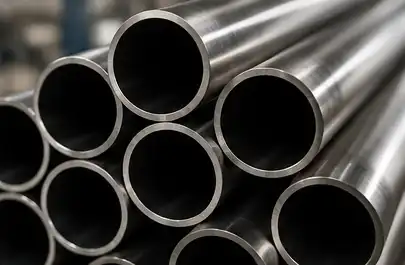
Overview of Incoloy 800 and Incoloy 840
Chemical Composition Fundamentals
The chemical make-up and mechanical structure of Incoloy 800 and 840 are very different, which affects how well they work in different industrial settings. Incoloy 800 has a balanced composition with 30–35% nickel, 19–23% chromium, and 39.5% minimum iron. Aluminium and titanium are added in small amounts to make it more stable at high temperatures. This mix gives the material strong resistance to oxidation and carburisation, which is important for use in ethylene production plants and petrochemical breaking furnaces.
When compared to other alloys, Incoloy 840 has a higher chromium content (20–24%) and slightly higher iron levels. This makes it more resistant to rusting in settings that are acidic or contain salt. The higher chromium content makes the metal better at creating safe oxide layers when it comes in contact with harsh chemicals. This makes it very useful for processing sulphuric acid and moving chemicals around in the ocean.
Mechanical Properties and Temperature Ranges
Different metals have different mechanical qualities, such as tensile strength, yield strength, and flexibility, which affects how well they work at different temperatures. Incoloy 800 has great resistance to creep and can withstand temperatures up to about 1100°F (593°C) in constant service. It can also handle temperatures up to 1300°F (704°C) for short periods of time. At room temperature, the metal has a minimum tensile strength of 75 ksi. As the temperature rises, the strength gradually decreases, but it still has good enough mechanical qualities for structure uses.
Knowing these differences is important for picking the right metal that can withstand high temperatures, keep its shape, and last for a long time in hard places like power plants, chemical plants, and space propulsion systems. The process of choosing a material has to take into account the temperature ranges, stress loading conditions, and specific damaging agents that are present in the service area.
Key Differences Between Incoloy 800 and Incoloy 840
High-Temperature Performance Characteristics
The main differences between Incoloy 800 and 840 are how well they work in situations of high heat and stress. Incoloy 800 is very resistant to thermal wear and scaling. It can keep its shape and mechanical strength at temperatures up to 1100°F (593°C) in environments that are oxidising. This material is very good at not getting carbonised in places with a lot of carbon, which is very important for tools used to process hydrocarbons and tubes for petrochemical reactors.
Incoloy 840, on the other hand, resists rust better in harsher chemical conditions than Incoloy 800 tube but only works well at lower maximum service temperatures, usually not going above 1000°F (538°C) for long periods of time. Because it has more chromium, Incoloy 840 makes a more solid passive film when it comes into contact with acidic solutions, chloride ions, and compounds that contain sulphur. This makes it a better choice for chemical storage tanks, acid transport pipes, and coastal offshore platforms.
Environmental Response and Application Selection
Their different reactions to oxidising and reducing atmospheres affect how they are used in fields like nuclear power, chemical processing, and aircraft. Incoloy 800 works very well in both oxidising and slightly reducing environments. It can withstand sulfidation and chlorine attack at high temperatures. Because of this, it is the best material for nuclear steam generating tubes, aircraft exhaust systems, and parts of industrial furnaces.
This part shows where each alloy really shines, which helps people in the business match the properties of an alloy to the needs of an application. When engineers choose materials for critical service uses, they have to think about more than just the temperature needs. They also have to think about the chemical makeup of the process streams, repetitive thermal stressing, and long-term creep.
Comparison with Other Alloy Tubes Relevant to Procurement
Material Selection and Cost-Benefit Analysis
Incoloy 800 and 840 alloys stand out among alternatives like stainless steel 304/316, Inconel 600/625, and carbon steel tubes due to their optimized balance of strength, corrosion resistance, and cost-effectiveness. Stainless steel may be cheaper in less-demanding situations where temperatures stay below 800°F and corrosion isn't too bad. On the other hand, Inconel alloys work best at temperatures above 1200°F, but they cost more and can raise material costs by 40–70% compared to other options.
When procurement officers are in charge of big projects that involve thousands of feet of tubes or many heat exchanger bundles, this economic factor becomes even more important. In the mid-temperature range (900–1100°F), the Incoloy 800 tube is the best value. It bridges the performance gap between austenitic stainless steels and high-end nickel-chromium superalloys.
Supply Chain and Procurement Considerations
For purchase plans to work, you need to understand how the supply chain works. Incoloy 800 is usually easier to get than Incoloy 840 because it can be used in more situations and is made in larger quantities by approved makers. Lead times for standard-dimension seamless tubes made to ASTM B163 specifications are 10 to 25 days for established suppliers who keep stock. For custom specifications, delivery times may be 6 to 10 weeks, depending on the size requirements and heat treatment requirements.
Minimum order numbers depend on the seller and the type of product. For example, because seamless tube is easier to make, it usually has lower minimums than soldered pipe. Nickel prices change around the world, which affects where to get raw materials and when to make things all along the supply chain. People who work in procurement should build ties with vertically integrated producers that can keep track of materials from the time they are melted down to the time they are tested as finished products.
Manufacturing, Quality, and Certification Considerations
Production Methods and Quality Control
Advanced manufacturing methods, like smooth or welded construction, are very important for making sure that the microstructure and dynamic qualities of Incoloy 800 tube work well. To get the end size of a seamless tube, cast billets are pierced with a rotary tool, and then the tube is pilgered or cold drawn. Welded tubing, on the other hand, uses strip forming and automatic welding methods that can handle bigger widths and thinner walls.
Our manufacturing process at TSM Technology includes three plants with a total of eight production lines and more than 100 high-tech machines spread out over a 3,200 production base. This vertical merger gives the company full control, from inspecting the raw materials to certifying the finished product. To make sure they meet the standards, each output batch goes through a lot of tests, such as chemistry analysis, mechanical property verification, non-destructive examination, and measurement inspection.
Standards Compliance and Certification Requirements
To meet the high quality standards needed by the aircraft, nuclear, and petroleum industries, it is important to follow foreign standards like ASTM B163, ASTM B407, ASME SB163, and ISO 9001. AS9100 quality management systems must also be followed for materials that are going to be used in aircraft. These systems include better tracking, special process controls, and first article inspection routines.
Since 2011, TSM Technology has been certified to these worldwide standards and has been learning more about nickel-based superalloys like Hastelloy, Inconel, Monel, and Inconel. Our quality control procedures include checking all dimensions one hundred percent of the time, making sure the material is what it says it is, and giving full test certificates that list the chemical make-up, mechanical properties, and heat treatment settings. This paperwork gives the tracking that is needed in controlled fields and vital service uses where the performance of materials has a direct effect on safety and the continuation of operations.
Advantages of Choosing Incoloy 800 or 840 Tubes for Your Applications
Operational Benefits and Long-Term Value
If you choose the right Incoloy metal, you can save money in the long run because it will last longer, need less upkeep, and be safer in high-temperature, acidic settings. People love Incoloy 800 because it can be used in a lot of different ways and doesn't cost a lot of money. It works reliably in ethylene breaking furnaces and nuclear steam engines, among other places. Because the metal is so easy to work with, it can be formed into complicated shapes, welded orbitally, and changed in the field without needing a special heat treatment after the welding process in many situations.
When engineers test the performance of Incoloy 800 tube materials, they always say that Incoloy 800 parts that are properly defined last 5 to 10 years longer than austenitic stainless steel options in similar high-temperature uses. Because of this longer service period, there will be fewer repair shutdowns, fewer extra parts will need to be kept on hand, and overall costs will be lower, even though the materials cost more at first.
Application-Specific Performance Advantages
The properties of these metals' materials make them good at solving certain problems in industry. Here are the main benefits that are pushing key businesses to adopt:
Thermal Stability and Mechanical Strength: Incoloy 800 keeps its shape even when it is subjected to repeated cycles of high and low temperatures. It doesn't crack or grow, which happens with other materials. This thermal stability is very important for heat exchangers that have to deal with temperature changes during starting, shutdown, and process upsets.
Resistance to Corrosion and Oxidation: The balanced chromium-nickel mix makes protective oxide layers that grow back when they are harmed. This gives long-lasting protection against oxidising atmospheres, carburising gases, and chemicals that contain sulphur. When petrochemical plants switched from using stainless steel to Incoloy products in high-temperature service, tube failures went down by a lot.
Fabrication Flexibility: While some high-nickel alloys need special welding methods and a lot of cleaning after the weld, Incoloy 800 can be made using standard methods and filler metals that match. This makes manufacturing easier, which lowers the cost of installation and lets fixes be done in the field when they're needed, which cuts down on downtime during maintenance.
Because of these benefits, power plants, chemical plants, and aircraft makers can effectively solve output problems. With a monthly production capacity of 300 tonnes, TSM Technology can consistently meet the needs of both large-scale projects and ongoing maintenance. Our presence in over 50 countries and partnerships with engineering firms, equipment manufacturers, and industrial distributors around the world also help.
Conclusion
The choice between Incoloy 800 tube and 840 is mostly based on the required working temperature, the chemical exposure conditions, and the expected long-term performance. Incoloy 800 is very flexible and can be used in a wide range of situations at temperatures up to 1100°F. It also has great resistance to rust and carburisation. On the other hand, Incoloy 840 is better at resisting corrosion in harsh chemical conditions at normal temperatures. Materials experts and buying workers have to compare these performance traits to the needs of each application, while also taking into account the original cost of the material and its value over its lifetime. Working with well-known companies that offer full testing, approval compliance, and expert help is the best way to make sure that you get the right materials for important commercial uses.
FAQ
1.Can Incoloy 800 and 840 tubes be used in most situations instead of each other?
How well these metals work together depends on the specifics of the job. Incoloy 800 is used in places where high-temperature strength and resistance to oxidation are needed, up to 1100°F. This means it can be used in heat exchangers, turbine parts, and industrial breaking furnaces. The higher chromium level in Incoloy 840 makes it better at protecting against harmful chemicals at lower temperatures. When you replace one for the other without first doing some technical research, you run the risk of either over-specification, which adds cost, or underperformance, which causes failure before it should.
2.How long does it usually take to get a custom Incoloy tube order?
Standard sizes that are made to ASTM B163 standards usually ship within 10 to 25 days from sources who keep popular sizes in stock. Custom specs that call for different outside sizes, wall thicknesses, or lengths may make wait times 6 to 10 weeks longer, based on when the parts are made and how they need to be heated. TSM Technology keeps stock of commonly bought sizes and can also make custom parts for unique uses. Delivery times are confirmed during the quote process based on the company's current production capacity.
3.How do the maximum and minimum working temperatures affect the expected service life?
When you work near the highest temperatures, rust, creep deformation, and microstructural changes happen faster, which lowers the mechanical properties over time. If you keep Incoloy 800 tubes running constantly at 1000°F, they should last between 15 and 20 years in clean oxidising environments. If you keep them running at 1100°F, the projected life may drop to 10 to 15 years. Intermittent exposure above continuous rates during process upsets usually doesn't cause too much of a problem as long as the exposure times are short and the material was designed to handle short-term overtemperature conditions.
Partner with TSM Technology for Certified Incoloy Solutions
TSM Technology can help you with your material buying plan by providing you with approved, high-quality Incoloy 800 and 840 tubes that are made to strict international standards. We have been making Incoloy 800 tubes for the aircraft, petroleum, power generation, and marine industries around the world since 2011. We have the technical know-how and production capacity that your projects need. To meet the specific needs of each application, we can make tubes with outside diameters ranging from 6.0mm to 114mm, wall thicknesses ranging from 0.5mm to 15mm, and lengths of up to 15,000mm. Email our engineering team at info@tsmnialloy.com to talk about your needs, get material test certificates, or set up a free review of a sample. We offer in-depth scientific advice to help you choose the best metal, reasonable prices that reflect the current state of the market, and dependable delivery plans backed by our 300-ton monthly production capacity.
References
ASM International. "Properties and Selection: Nonferrous Alloys and Special-Purpose Materials." ASM Handbook Volume 2, Materials Park, Ohio, 1990.
Special Metals Corporation. "High-Performance Alloys for Resistance to Aqueous Corrosion." Technical Bulletin, 2019.
ASTM International. "Standard Specification for Nickel-Iron-Chromium Alloy Seamless Pipe and Tube." ASTM B163/B163M, West Conshohocken, Pennsylvania.
Davis, J.R. "Nickel, Cobalt, and Their Alloys." ASM Specialty Handbook, ASM International, Materials Park, Ohio, 2000.
Metallurgical Consultants Inc. "Corrosion Resistance of Nickel-Containing Alloys in Process Industries." Industrial Corrosion Journal, Vol. 45, 2018.
Tawancy, H.M., et al. "Thermal Stability of Advanced High-Temperature Alloys." Journal of Materials Engineering and Performance, Vol. 12, 2003.
Learn about our latest products and discounts through SMS or email