- English
- French
- German
- Portuguese
- Spanish
- Russian
- Japanese
- Korean
- Arabic
- Greek
- German
- Turkish
- Italian
- Danish
- Romanian
- Indonesian
- Czech
- Afrikaans
- Swedish
- Polish
- Basque
- Catalan
- Esperanto
- Hindi
- Lao
- Albanian
- Amharic
- Armenian
- Azerbaijani
- Belarusian
- Bengali
- Bosnian
- Bulgarian
- Cebuano
- Chichewa
- Corsican
- Croatian
- Dutch
- Estonian
- Filipino
- Finnish
- Frisian
- Galician
- Georgian
- Gujarati
- Haitian
- Hausa
- Hawaiian
- Hebrew
- Hmong
- Hungarian
- Icelandic
- Igbo
- Javanese
- Kannada
- Kazakh
- Khmer
- Kurdish
- Kyrgyz
- Latin
- Latvian
- Lithuanian
- Luxembou..
- Macedonian
- Malagasy
- Malay
- Malayalam
- Maltese
- Maori
- Marathi
- Mongolian
- Burmese
- Nepali
- Norwegian
- Pashto
- Persian
- Punjabi
- Serbian
- Sesotho
- Sinhala
- Slovak
- Slovenian
- Somali
- Samoan
- Scots Gaelic
- Shona
- Sindhi
- Sundanese
- Swahili
- Tajik
- Tamil
- Telugu
- Thai
- Ukrainian
- Urdu
- Uzbek
- Vietnamese
- Welsh
- Xhosa
- Yiddish
- Yoruba
- Zulu
How to Verify Monel 400 Plate Quality (ASTM B127)?
According to ASTM B127 standards, checking the quality of a Monel 400 plate involves a planned process that includes analyzing the plate's chemical makeup, trying its mechanical properties, checking its dimensions, and reading through its paperwork. To make sure that this nickel-copper alloy meets industry standards, strict quality control procedures must be followed. This is especially important for flight, marine, and petrochemical uses where the stability of the material directly affects safety and performance. Visual inspection is the first step in making sure the quality of something. Next, tensile strength, rust resistance, and chemical makeup are tested in a lab. People who work in procurement need to know that real ASTM B127-approved materials go through a lot of tests to make sure they can be used in harsh industrial settings.
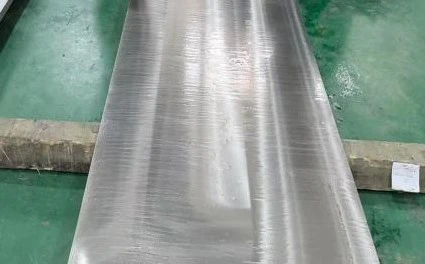
Understanding ASTM B127 and Monel 400 Plate Quality Standards
The ASTM B127 standard sets high quality standards for nickel-copper alloy plates that are used in important manufacturing settings. In this standard, exact guidelines are set for chemical makeup, mechanical qualities, and dimensional tolerances that are needed to keep materials reliable in harsh working conditions.
Chemical Composition Requirements
The standard requires certain combinations of elements that describe the real qualities of materials. The nickel content is usually between 63 and 70%, and the copper content is between 28 and 34%. The iron content stays below 2.5%, and the manganese content can't be more than 2.0%. These exact ratios make sure that this metal has the unique rust resistance and mechanical strength that make it useful in chemical processing and the marine industry.
Carbon content limits are still very important, with 0.30% being the most that can be allowed to keep the material weldable and stop carbide precipitation during the manufacturing process. Impurities of sulfur and phosphorus are carefully controlled below 0.024% and 0.04%, respectively. This keeps the material from becoming less flexible and less resistant to rust.
Mechanical Property Standards
As per ASTM B127, the minimum tensile strength for annealed conditions is 70 ksi (483 MPa), but superior materials can achieve 550–650 MPa, which is better for many industry uses. Specifications for yield strength usually call for a minimum of 25 ksi (172 MPa), which is strong enough for pressure vessels and naval parts.
Elongation standards say that 2-inch gauge lengths must be at least 35% longer than they were before. This makes sure that the steel is flexible enough for forming and resistant to thermal cycles. Specifications for hardness usually fall between 65 and 85 HRB, which is a good range for mixing machinability and wear protection when making parts.
Dimensional Tolerance and Surface Quality
The standard sets exact width limits that change depending on the size of the material and what it will be used for. Monel 400 plate with thicknesses between 5 and 150 mm needs specific tolerance bands that take into account changes in rolling and heat processing. For 1000–2500 mm plates, width limits keep the tight control over dimensions that is needed for precise production.
Surface finish standards cover both visual and practical needs. They include sandblasted and anodized processes that make the metal more resistant to corrosion while keeping the measurements the same. In marine settings, where better protection against saltwater contact is important, these surface treatments are especially useful.
Step-by-Step Process to Verify Monel 400 Plate Quality
Using a systematic verification method makes sure that the quality is fully evaluated and that purchase processes stay smooth. Through written testing methods, this structured approach helps procurement managers and quality experts make sure that materials meet the standards of ASTM B127.
Visual and Dimensional Inspection Protocol
The first step in verifying something is to look at it carefully to find any flaws, spots, or irregularities on the surface that could affect how well it works. Inspectors with a lot of experience look at the surface to see if there are any pits, scratches, or changes in color that could mean the item wasn't handled properly or was processed incorrectly.
Dimensional verification uses standard measurement methods and standardized tools to make sure that the specified thickness, width, and length are met. To make sure that the width is spread out evenly, measurements should be taken in several places across the surface of the plate. Measurements of edge straightness and corner squareness confirm the quality of the production and show if the part can be used for precision cutting.
Assessing the surface finish means looking at and touching the uniformity of the material, especially for plates that need special surface treatments. Keeping track of any changes that were made to the conditions that were originally set up lets people make smart choices about whether to accept or reject a material based on the needs of the application.
Chemical Composition Analysis Methods
Spectrometric study is the most accurate way to make sure that the elemental makeup meets the standards set by ASTM B127. Optical emission spectroscopy (OES) and X-ray fluorescence (XRF) give quick, exact readings for all the main alloying elements that are within acceptable error ranges.
To get a good sample, you need to pay close attention to how you remove surface contamination and pick samples that are representative of the whole. Multiple measures taken at different plate positions make sure that the makeup is uniform and find any segregation problems that might affect the performance qualities.
Mill test papers from the supplier give useful information about the composition of the material, but for Monel 400 plate, independent verification through third-party labs gives even more confidence for important uses. Comparing supplier data with results from a separate study proves that the materials are real and that the provider can be trusted.
Mechanical Property Validation Testing
Tensile testing that follows ASTM E8 guidelines makes sure that the material has the strength and flexibility that are needed for structural uses. To get accurate results that reflect the real qualities of the material, when you prepare a test piece, you need to pay close attention to its orientation and surface finish.
Using the Rockwell B scale to measure hardness is a quick way to figure out how bad a material is and how well heat treatment is working. Taking many measures across the surfaces of a plate can show any differences in its mechanical qualities that might affect the cutting or shaping process.
Corrosion resistance tests with salt spray or immersion studies confirm that the product will work as expected in certain business settings. These tests that last a long time give important information for uses that involve being exposed to seawater or working with chemicals.
Common Challenges in Verifying Monel 400 Plates and How to Overcome Them
Problems with suppliers' variations and problems figuring out what the specifications mean are common problems that procurement teams face when they try to check the quality of goods. Knowing about these common problems lets you come up with effective solutions that lower the risks of buying while keeping quality standards for materials.
Supplier Variability and Standardization Issues
Different providers often use different quality control and production methods, which can cause differences in the material's properties even when it meets the basic standards of ASTM B127. These differences could have an effect on how easy it is to machine, join, or finish the surface in ways that are important for certain uses.
Setting up standard acceptance criteria that go beyond the basic requirements set by ASTM helps make sure that the quality of materials from different sources is always the same. Specifications for buying something should be very detailed about the surface finish, the range of mechanical properties, and the testing methods that will work best for that purpose.
Facility checks and capability tests that are part of supplier qualification programs can tell you a lot about how consistent your production is and how well your quality management is working. Regular reviews of suppliers' work based on quality measures for given materials help with efforts to keep getting better.
Specification Interpretation and Compliance Verification
There are a lot of technical requirements in ASTM B127 that need to be carefully interpreted to make sure they are applied correctly in different buying situations. If you don't understand the tolerance standards or testing methods, you might decide to accept or reject materials in the wrong way.
Staff education programs that cover ASTM B127 requirements and quality verification processes make sure that standards are applied consistently across the quality and buying teams. Regular improvements to training cover changes to specifications and best practices in the industry that make proof more effective.
Working with skilled materials engineers or metallurgical consultants can help you figure out how to understand complicated specifications. These technical tools are especially useful for specific tasks that need better material qualities or different testing methods.
Counterfeit Material Detection and Prevention
The complexity of fake materials is growing, which is a big problem for important uses where a failure of the material could cause safety issues or stop operations. While counterfeit goods may look like real ones, they may not have important performance features.
Testing by a third party in a recognized lab gives you an independent check of the material's features and make-up that is hard to fake. Comprehensive testing methods, such as chemistry analysis, review of mechanical properties, and microstructural study, make it possible to find fakes with high accuracy for Monel 400 plate.
Supply chain tracking systems keep track of materials from the time they are first made until they are delivered to the end customer. This creates a paper trail that can be used to prove authenticity. New technologies like digital certification systems and blockchains can help make the supply chain safer.
Comparative Insights: Monel 400 Plate Quality Versus Alternatives
Knowing how nickel-copper alloys stack up against other materials lets you choose the right material for the job based on performance needs and goals. Each material choice has its own pros and cons that affect how hard it is to check the quality and what factors should be taken into account when buying.
Monel 400 Versus Stainless Steel Performance
There are big differences in how resistant these materials are to corrosion. Nickel-copper metals work better in less acidic settings and saltwater uses. Stainless steel types are very resistant to oxidizing acids, but in coastal settings, they may crack from stress corrosion caused by chlorides.
When you compare mechanical qualities, you can see that austenitic stainless steels are usually stronger, while Monel 400 stays tougher at very low temperatures. Cost factors tend to favor stainless steel choices, but life-cycle analysis often suggests choosing a nickel-copper alloy for harsh service circumstances.
For stainless steel, quality control methods focus on sensitization testing and intergranular corrosion resistance. For monel, on the other hand, compositional control and general corrosion resistance rating are more important. For these different testing objectives, the lab needs to have different skills and abilities.
Inconel and Hastelloy Comparison Analysis
Inconel and other high-temperature superalloys work better than Monel 400 at high temperatures, which is why they are better choices for gas turbines and aircraft uses. However, the nickel-copper makeup is often better at resisting corrosion at room temperature in marine settings.
Hastelloy grades work really well in chemical production settings that are very corrosive, especially those with solutions that contain halides. The cost of materials for these high-end superalloys is much higher than the price of Monel, which can affect the choice of materials for uses that need to stay within a budget.
Because of tight chemical limits and unique heat treatment needs, superalloy materials make verification a lot more difficult. Compared to these more modern materials, the steps for checking the quality of Monel 400 are still pretty simple, which helps buying processes run smoothly.
Best Practices for B2B Purchasing: Ensuring Reliable Supply of ASTM B127 Certified Monel 400 Plates
To successfully buy approved materials, you need to carefully evaluate suppliers, come up with ways to negotiate contracts, and keep up with your relationships with suppliers to make sure you always get quality Monel 400 plate products. These methods keep costs low and quality high while minimizing problems in the supply chain.
Supplier Selection and Qualification Criteria
Certified sellers must show that they have a history of making nickel alloys and have the right quality control systems and testing equipment. ISO 9001 certification shows basic quality management, while AS9100 and NADCAP certifications show the amount of skill in the aerospace business.
An evaluation of production ability makes sure that providers can meet volume needs without lowering quality standards. Multiple production lines and redundant equipment show that the business is stable, which means that deliveries can still happen on time even during repair periods or other unplanned interruptions.
Verifying customer references by talking to current clients directly gives you useful information about how consistently the supplier performs, how well they can help with technology issues, and how well they can solve problems. Long-term ties with customers are often a sign that a company is reliable and committed to quality.
Contract Terms and Quality Assurance Provisions
In quality clauses, acceptance factors should be listed that go beyond the minimum standards of ASTM B127 and take into account performance characteristics that are specific to the application. When checking methods, testing requirements, and acceptance standards are clearly laid out, there are no disagreements when materials are received and evaluated.
The warranty should include promises about the performance of the materials and who is responsible if the materials don't meet the standards. Return policies and replacement processes help keep production plans going even when there are problems with the quality.
Flexibility in delivery schedules allows for different project timelines to be met while still meeting inventory efficiency goals. Just-in-time delivery cuts down on carrying costs and makes sure that materials are available when they are needed for production.
Value-Added Services and Supply Chain Optimization
Custom cutting and processing services get rid of the need for extra steps while making sure that the dimensions are correct for each application. Surface treatment options, such as sanding and anodizing, offer better protection against rust while keeping deliveries on time.
Inventory management services through supplier-managed programs improve cash flow and make sure that materials are available for urgent needs. Strategic material stores are stocks that sellers keep on hand in case demand goes up unexpectedly or there are problems in the supply chain.
Technical support services, such as help with choosing materials and application engineering, are useful in more ways than just supplying materials. These skills are especially useful for tasks that involve making new products or meeting difficult application standards.
Conclusion
According to ASTM B127 standards, checking the quality of Monel 400 plates means following strict testing procedures that look at their chemical make-up, mechanical features, and size requirements. To be successful, you need to know what the standard requirements are, follow the right proof steps, and keep good relationships with your suppliers so that you can always get high-quality materials. When purchasing professionals learn these techniques for checking and build strong relationships with suppliers, they set their companies up for operational success in tough industrial settings where the quality of materials directly affects safety and performance.
FAQ
1.What specific tests should I request to verify ASTM B127 compliance?
Ask for a molecular makeup study using XRF or OES to make sure that the amount of nickel, copper, and trace elements is within the allowed range. As per ASTM E8 and E18 guidelines, tests for mechanical properties should include measuring tensile strength, yield strength, elongation, and hardness. Checking the dimensions with calibrated tools proves the required thickness, width, and surface finish, while an eye check finds any possible surface flaws or irregularities.
2.How can I distinguish between genuine and counterfeit Monel 400 plates?
The chemical makeup of real materials is the same in various sample sites. Nickel content is usually between 63 and 70% and copper content is between 28 and 34%. The mechanical properties should meet or go beyond the basic standards set by ASTM B127. The surface finish should be smooth and free of obvious flaws. Materials that aren't real often have different compositions, poor mechanical qualities, or paperwork that isn't clear because it doesn't have the right certification marks and traceability information.
3.What documentation should suppliers provide for quality verification?
For each output lot, suppliers must give mill test certificates with full chemical analyses, mechanical property test results, and readings of the sizes. Heat treatment records that list the factors of the process make sure that the metal is in the right state, and inspection reports describe the quality of the surface and the agreement of dimensions. Third-party approval from recognized labs makes sure that the qualities of the material are correct and that it meets ASTM B127 standards.
4.Why does Monel 400 cost more than other types of stainless steel?
When compared to stainless steel grades with smaller nickel rates, grades with a higher nickel content (about 67%) have much higher raw material costs. Specialized processing needs and more complicated quality control methods raise the cost of production, and because it can't be made in large quantities like stainless steel, economies of scale are lost. But better resistance to rust and longer service life usually make up for higher original costs by saving money on repairs and replacements.
Get Premium ASTM B127 Certified Monel 400 Plates from TSM Technology
TSM Technology is a reliable company that makes Monel 400 plates. They provide high-quality materials that go beyond ASTM B127 standards for the marine, aircraft, and gas industries. Our advanced production capabilities, which include three plants with eight production lines, make sure that the quality of your important applications stays the same and that they are delivered on time.
We have strict quality control procedures in place that include analyzing the chemical makeup, testing the mechanical properties, and checking the dimensions of the material to make sure it meets your needs. Our ISO 9001, AS9100D, and NADCAP certifications show that we are dedicated to quality greatness, and our MTC and SGS test records give you full traceability for your purchasing needs.
Get in touch with our expert team at info@tsmnialloy.com to talk about your unique material needs and get free samples to try out. Our skilled engineers offer personalized advice services to help you choose the best material for your specific needs. This is backed by our 14-year history of producing high-quality alloys.
References
ASTM International. "Standard Specification for Nickel-Copper Alloy (UNS N04400) Plate, Sheet, and Strip." ASTM B127-19, 2019.
Schweitzer, Philip A. "Metallic Materials: Physical, Mechanical, and Corrosion Properties." Marcel Dekker, 2003.
Davis, Joseph R. "ASM Specialty Handbook: Nickel, Cobalt, and Their Alloys." ASM International, 2000.
Craig, Bruce D. "Handbook of Corrosion Data." ASM International, 1995.
Boyer, Howard E. "Atlas of Stress-Corrosion and Corrosion Fatigue Curves." ASM International, 1985.
Rebak, Raul B. "Environmental Degradation of Materials in Nuclear Power Systems." The Minerals, Metals & Materials Society, 2013.
Learn about our latest products and discounts through SMS or email