- English
- French
- German
- Portuguese
- Spanish
- Russian
- Japanese
- Korean
- Arabic
- Greek
- German
- Turkish
- Italian
- Danish
- Romanian
- Indonesian
- Czech
- Afrikaans
- Swedish
- Polish
- Basque
- Catalan
- Esperanto
- Hindi
- Lao
- Albanian
- Amharic
- Armenian
- Azerbaijani
- Belarusian
- Bengali
- Bosnian
- Bulgarian
- Cebuano
- Chichewa
- Corsican
- Croatian
- Dutch
- Estonian
- Filipino
- Finnish
- Frisian
- Galician
- Georgian
- Gujarati
- Haitian
- Hausa
- Hawaiian
- Hebrew
- Hmong
- Hungarian
- Icelandic
- Igbo
- Javanese
- Kannada
- Kazakh
- Khmer
- Kurdish
- Kyrgyz
- Latin
- Latvian
- Lithuanian
- Luxembou..
- Macedonian
- Malagasy
- Malay
- Malayalam
- Maltese
- Maori
- Marathi
- Mongolian
- Burmese
- Nepali
- Norwegian
- Pashto
- Persian
- Punjabi
- Serbian
- Sesotho
- Sinhala
- Slovak
- Slovenian
- Somali
- Samoan
- Scots Gaelic
- Shona
- Sindhi
- Sundanese
- Swahili
- Tajik
- Tamil
- Telugu
- Thai
- Ukrainian
- Urdu
- Uzbek
- Vietnamese
- Welsh
- Xhosa
- Yiddish
- Yoruba
- Zulu
Inconel 617 Forgings in Ultra-Supercritical Plants
Operating at steam temperatures above 593°C and pressures above 22.1 MPa, ultra-supercritical (USC) power plants are the most thermally efficient way to make energy from fossil fuels. Materials that are very stable at high temperatures and don't rust are needed for these harsh working circumstances. Inconel 617 forgings have become the best choice for important parts in USC plants. They work better than any other material because they are more resistant to rust and have better creep strength and structural integrity at high temperatures. This guide covers everything procurement managers, materials experts, and OEM clients in the aerospace, power generation, and chemicals industries need to know about finding reliable, high-performance alloys for their toughest jobs.
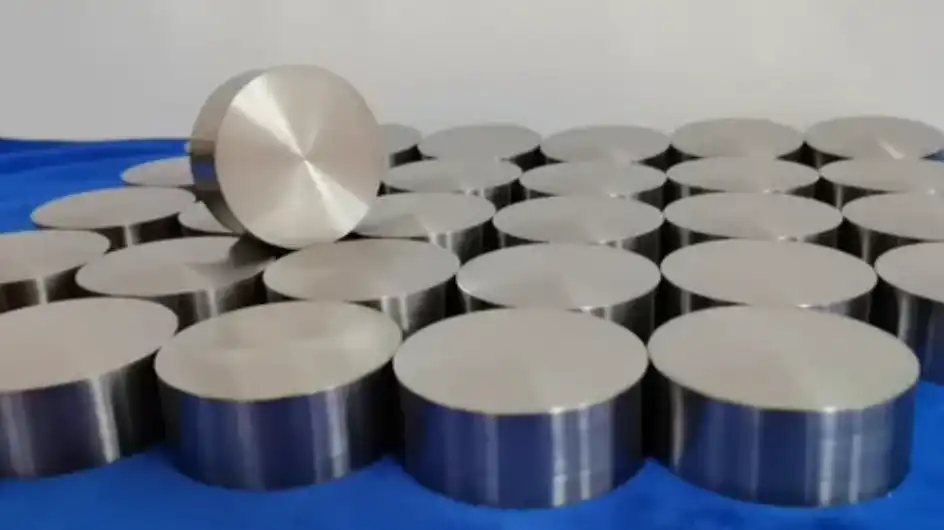
Understanding Inconel 617 Forgings: Composition, Properties, and Performance
Ultra-supercritical power production uses harsh conditions that can be handled by a complex alloy called Inconel 617, which is made of nickel, chromium, cobalt, and molybdenum. Even when heated to over 1000°C, this amazing metal keeps its shape and mechanical qualities. This makes it an essential material for use in USC plant uses.
Chemical Composition and Microstructural Advantages
This metal, Inconel 617, has great performance qualities because its chemicals are carefully matched. With a nickel content of 50 to 60%, the metal is very resistant to rust and stays stable at high temperatures. Adding 20–23% chromium makes the material more resistant to rust, and adding 12–15% cobalt helps it keep its strength at high temperatures. Adding molybdenum makes the material more resistant to creep and strengthens the solid solution. This works together to make the material perform well even in harsh circumstances.
Forging is a very important part of making the grain of Inconel 617 better. The forging method improves directional qualities, gets rid of casting flaws, and refines grain structure by controlled deformation and following heat treatment. This makes the mechanical stability better than cast options, which is especially important for safety-critical parts of the USC plant that can't fail.
Mechanical Properties and Temperature Performance
The Inconel 617 forgings from TSM Technology have great mechanical qualities that make them perfect for USC uses. At room temperature, the metal has a minimum tensile strength of 760 MPa (110 ksi) and a yield strength of 350 MPa (51 ksi). It is very good at keeping these qualities even when heated up. The minimum elongation potential of 30% ensures that the material is flexible enough for complicated shaping operations while still keeping the structure's strength.
What makes Inconel 617 unique is that it has great creep strength at temperatures above 980°C. This quality makes it possible for USC steam turbine parts to keep holding weight, which is very important for long-term physical stability. The alloy's stress rupture strength is higher than 100 MPa at 950°C, which gives makers who need to make things that will last a long time trust.
Comparing Inconel 617 Forgings with Alternative Materials
To choose the right material for a USC plant application, you need to carefully look at its performance, lifetime costs, and ability to keep running smoothly. Inconel 617 is different from other superalloys because it has a unique mix of high-temperature strength, resistance to rust, and ease of manufacture.
Performance Advantages Over Inconel 625 and 718
Compared to Inconel 625, Inconel 617 is stronger at high temperatures and less likely to wear down due to heat. This makes it better for the repetitive loading conditions that are common in USC power generation. While Inconel 625 works well in acidic conditions, Inconel 617 is better for long-term high-temperature use because it is more resistant to creep and more stable at high temperatures.
Inconel 718 is very strong at room temperature, but its properties start to break down significantly above 650°C. Inconel 617 keeps its tensile qualities well above this temperature range, which lets it work at the high temperatures needed in USC plants. This ability to handle higher temperatures directly leads to higher plant performance and lower fuel use.
Lifecycle Value Proposition
The higher cost of Inconel 617 forgings at first is balanced out by the fact that they last longer and need less upkeep. Field data from USC plants that are already running shows that properly installed parts can last more than 20 years. Because it lasts longer and doesn't react badly to heat or rust, this metal has a lower total cost of ownership than options that aren't as strong.
Because Inconel 617 is resistant to the breakdown processes that happen in high-temperature work, maintenance times for its parts can be greatly increased. This means that plants will be available more often and cost less to run, which are things that buying teams are thinking about more and more when they choose materials.
Procurement Considerations for Inconel 617 Forgings
To buy Inconel 617 forgings successfully, you need to carefully look at the skills of the suppliers, their quality control systems, and how reliable their supply chains are. Because USC plant uses are so specific, they need suppliers who have a track record of working with high-temperature alloys and have strong quality assurance systems.
Supplier Evaluation Criteria
TSM Technology is a trustworthy seller of Inconel 617 forgings because we have 3 factories, 8 production lines, and more than 100 specialized tools that we can use to make things. Our AS9100D certification makes sure that our quality standards are always the same and meet the strict needs of aircraft and power generation uses. When procurement teams look at suppliers, they should give more weight to companies that have experience with USC plant uses and strong quality control systems.
Material approvals are a very important part of choosing a seller. Through Mill Test Certificates (MTC) and SGS test results, TSM Technology makes sure that all of the materials can be tracked back to their source, meeting the standards set by ASTM B564, ASME SB564, and EN 10095. Our thorough testing methods include ultrasonic, radiographic, and eddy current tests that do not damage the parts in any way. This gives you faith in the stability of the parts.
Customization and Processing Capabilities
Custom-engineered parts with exact shapes and close specs are often needed for modern USC plant designs. Because TSM Technology can be customized, it can make rings, shafts, flanges, and complicated shapes that weigh anywhere from 1 kg to 500 kg. Our 5-axis CNC machining centers can hold limits of ±0.01mm, which is important for important turbine parts where accuracy in size has a direct effect on performance.
Options for surface cleaning, such as sanding and anodizing, can add value in some situations. These processes can make the material more resistant to rust, improve the finish on the surface, or change its thermal emissivity, depending on the needs of the USC plant designs. Getting all of your handling services from a single source makes buying things easier and makes the supply chain less complicated.
Best Practices for Implementing Inconel 617 Forgings in Ultra-Supercritical Plants
For USC companies to successfully use Inconel 617 forgings, they need to be handled, installed, and maintained in a way that protects the material's natural properties and guarantees stable long-term performance.
Installation and Handling Guidelines
By following the right handling steps, you can keep Inconel 617 parts clean and free of mechanical damage that could affect their performance. To keep stress from building up, parts should be kept in clean, dry places and handled with the right lifting gear. To keep the mechanical qualities and corrosion resistance during installation, welding must be done according to approved methods using filler materials that are suitable.
If the purpose and experience of fabrication call for it, pre-service heat treatment may be needed. Our technical team gives detailed advice on how to relieve stress and anneal parts in a way that makes them work best in certain service conditions. These processes make sure that the grain structure is perfect and get rid of any leftover stresses that could cause the material to break too soon.
Monitoring and Maintenance Strategies
Advanced tracking methods allow for proactive repair plans that extend the life of parts and make sure they work safely. Ultrasonic thickness tracking, magnetic particle inspection, and visual examination are all non-destructive testing methods that can find problems early on, before they affect the running of the plant.
Predictive maintenance models that use working temperature, pressure, and a history of thermal cycling help find the best times for inspections and replacements. Information from several USC installations shows that Inconel 617 parts can last longer than expected if they are properly kept, which is helpful for plant workers.
Future Trends and Innovations in Inconel 617 Forgings
As processing technology, quality control methods, and alloy creation improve, the world of superalloy forging, including Inconel 617 forgings, continues to change. These new ideas should make future uses of the USC plant more efficient and less expensive.
Advanced Manufacturing Technologies
Additive manufacturing techniques are starting to work with traditional casting methods to make it possible to make parts with complicated internal shapes that weren't possible before. Although traditional forging is still the best way to make solid parts, mixed manufacturing methods may open up new ways to make better part designs.
Process improvements in forging technology keep making materials better and lowering the cost of making them. Advanced computer models of metal flow during forging lets die designs and process factors be optimized, which leads to better mechanical features and less waste.
Market Dynamics and Supply Chain Evolution
More people around the world want to save energy and cut down on carbon pollution, which is driving up demand for USC plant technology. This trend opens up chances for sellers who can offer solid, high-performance materials that help plants work more efficiently. Environmental laws continue to favor USC technology over less effective options, which keeps the demand for specialty materials like Inconel 617 high.
Supply chain resilience is becoming more important as plant owners try to lower risk by working with more than one seller and buying more locally. TSM Technology's global logistics services, which include shipping containers to more than 70 countries and keeping track of them in real time, can meet these changing buying needs while keeping wait times affordable.
Conclusion
Thanks to their high temperature strength, resistance to rust, and long-term dependability, Inconel 617 forgings have become the material of choice for ultra-supercritical plant uses. Because of its special features, this nickel-chromium-cobalt-molybdenum metal helps USC plants be more efficient while still keeping the safety gaps needed for power generation. As the world's energy needs keep rising and environmental rules get stricter, modern materials like Inconel 617 play an even more important role in making power creation cleaner and more efficient. Buying high-quality forgings from well-known sources will make sure that the plant works at its best and give you the best return on your investment.
FAQ
1.What makes Inconel 617 forgings better for use in the USC plant?
When heated above 1000°C, Inconel 617 forgings show great strength to both creep and rust. The metal keeps its shape even when it is loaded with high temperatures for a long time. It also doesn't break down in the same ways that other materials do in USC conditions. Instead of casting, the forging method improves the grain structure and mechanical features.
2.How do lead times compare for custom Inconel 617 forging orders?
Custom Inconel 617 forgings from TSM Technology are usually sent out 6 to 8 weeks after an order is confirmed, which is 30% faster than the average time in the business. Large or complicated shapes may need more time, but our streamlined production methods and committed project management make sure that important applications get their parts on time.
3.What quality standards apply to Inconel 617 forgings for USC plants?
The standards for Inconel 617 forgings are ASTM B564, ASME SB564, and EN 10095. Some other needs could be AMS 5887 for aircraft uses and API 6A for parts that are under a lot of pressure. To make sure they are up to code, all forgings go through a full set of tests, such as chemistry analysis, mechanical testing, and non-destructive examination.
Partner with TSM Technology for Premium Inconel 617 Forgings Solutions
TSM Technology is ready to help you with your ultra-supercritical plant projects by providing you with top-notch Inconel 617 forgings that offer unmatched dependability and performance. As a trusted provider of Inconel 617 forgings, we have 14 years of experience making superalloys, quality systems that are AS9100D-certified, and the ability to ship products all over the world. Please email our technical team at info@tsmnialloy.com to talk about your unique needs and find out how our precision-engineered solutions can improve the efficiency and operational excellence of your business.
References
American Society of Mechanical Engineers. "Materials and Fabrication Standards for Ultra-Supercritical Power Plant Components." ASME Boiler and Pressure Vessel Code Section II, 2023.
Electric Power Research Institute. "Advanced Materials for Ultra-Supercritical Steam Conditions: Performance and Economic Analysis." EPRI Technical Report, 2022.
International Energy Agency. "Technology Assessment of Ultra-Supercritical Coal Power Plants: Materials and Efficiency Considerations." IEA Clean Coal Centre, 2023.
National Institute of Standards and Technology. "High-Temperature Mechanical Properties of Nickel-Based Superalloys for Power Generation Applications." NIST Materials Database, 2023.
Viswanathan, R., and Bakker, W. "Materials for Ultra-Supercritical Coal Power Plants: Steam Turbine Materials and Design Challenges." Advanced Materials and Processes, 2022.
Zhao, L., et al. "Microstructural Evolution and Creep Behavior of Inconel 617 in Ultra-Supercritical Steam Environment." Journal of Materials Science and Engineering, 2023.
Learn about our latest products and discounts through SMS or email