- English
- French
- German
- Portuguese
- Spanish
- Russian
- Japanese
- Korean
- Arabic
- Greek
- German
- Turkish
- Italian
- Danish
- Romanian
- Indonesian
- Czech
- Afrikaans
- Swedish
- Polish
- Basque
- Catalan
- Esperanto
- Hindi
- Lao
- Albanian
- Amharic
- Armenian
- Azerbaijani
- Belarusian
- Bengali
- Bosnian
- Bulgarian
- Cebuano
- Chichewa
- Corsican
- Croatian
- Dutch
- Estonian
- Filipino
- Finnish
- Frisian
- Galician
- Georgian
- Gujarati
- Haitian
- Hausa
- Hawaiian
- Hebrew
- Hmong
- Hungarian
- Icelandic
- Igbo
- Javanese
- Kannada
- Kazakh
- Khmer
- Kurdish
- Kyrgyz
- Latin
- Latvian
- Lithuanian
- Luxembou..
- Macedonian
- Malagasy
- Malay
- Malayalam
- Maltese
- Maori
- Marathi
- Mongolian
- Burmese
- Nepali
- Norwegian
- Pashto
- Persian
- Punjabi
- Serbian
- Sesotho
- Sinhala
- Slovak
- Slovenian
- Somali
- Samoan
- Scots Gaelic
- Shona
- Sindhi
- Sundanese
- Swahili
- Tajik
- Tamil
- Telugu
- Thai
- Ukrainian
- Urdu
- Uzbek
- Vietnamese
- Welsh
- Xhosa
- Yiddish
- Yoruba
- Zulu
Monel 400 Sheet Price Guide: Factors That Affect Cost
Introduction
When purchasing nickel alloy materials, price is one of the most important factors for engineers, purchasing managers, and distributors. However, the cost of a material is not determined by a single factor. Alloy composition, raw material market conditions, product specifications, manufacturing processes, and quality requirements all influence the final quotation.
Monel 400 Sheet is a premium nickel-copper alloy widely used in marine, chemical processing, oil and gas, and industrial applications. Its excellent corrosion resistance and stable mechanical properties make it valuable for demanding environments.
Many buyers search for Monel 400 Sheet price information before starting a project. Understanding what affects the cost can help you make better purchasing decisions and select the right supplier.
In this guide, I will explain the main factors that influence Monel 400 Sheet price and provide practical advice for buying this nickel alloy material.
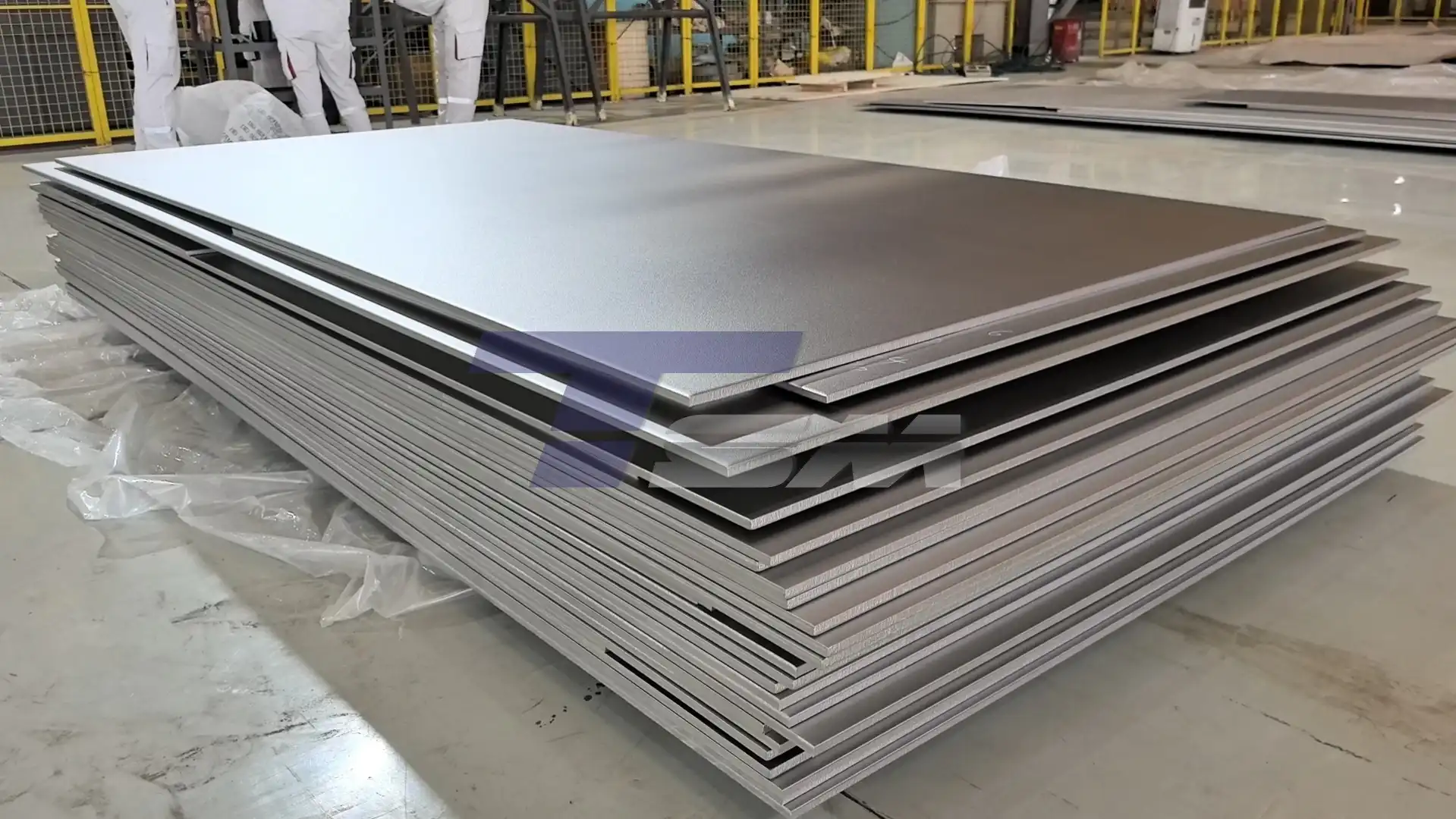
Why Is Monel 400 Sheet More Expensive Than Standard Metals?
Monel 400 Sheet is a nickel-based alloy, and its price is higher than common stainless steel or carbon steel materials. The main reason is its alloy composition.
Monel 400 contains a high amount of:
- Nickel
- Copper
- Iron
- Manganese
- Other controlled alloying elements
Nickel is a valuable alloying element that provides excellent corrosion resistance and mechanical stability.
The manufacturing process of nickel alloys also requires specialized equipment, strict quality control, and experienced technicians.
The higher cost reflects:
- Premium raw materials
- Complex production requirements
- Quality inspection procedures
- Long-term performance advantages
For applications exposed to seawater or aggressive chemicals, the initial material cost is often balanced by longer service life and reduced maintenance requirements.
1. Nickel and Copper Raw Material Costs
Raw material prices have a direct impact on Monel 400 Sheet cost. Because Monel 400 contains a significant amount of nickel and copper, market changes in these metals can affect product pricing.
Factors that influence raw material costs include:
- Global supply and demand
- Mining conditions
- Energy costs
- Market fluctuations
When nickel prices increase, nickel alloy products usually experience cost changes. Professional suppliers regularly monitor raw material markets to provide competitive quotations.
2. Sheet Thickness and Dimensions
The size of Monel 400 Sheet is another important pricing factor. Different projects require different dimensions, including:
- Thickness
- Width
- Length
Thicker sheets usually require:
- More raw material
- Longer processing time
- Additional manufacturing effort
Customized sizes may also affect the final price because they require specific production arrangements.
For accurate pricing, buyers should provide:
- Required thickness
- Sheet dimensions
- Quantity
- Application requirements
A complete specification helps suppliers prepare a more accurate quotation.
3. Manufacturing Process Requirements
The production process affects both quality and cost. Manufacturing Monel 400 Sheet usually involves multiple stages, including:
- Alloy melting
- Hot rolling
- Cold rolling
- Heat treatment
- Surface finishing
- Inspection
Each step requires professional equipment and technical control.
Additional requirements may increase the cost, such as:
- Tight thickness tolerance
- Special surface finish
- Customized dimensions
- Additional inspection
4. ASTM Standards and Quality Requirements
Industrial buyers often require materials that meet international standards. Monel 400 Sheet is commonly supplied according to:
- ASTM B127
- ASME SB-127
Meeting these standards requires:
- Controlled chemical composition
- Mechanical testing
- Dimensional inspection
- Material documentation
Additional quality requirements may influence pricing. For example:
- Material Test Certificate (MTC)
- Third-party inspection
- Special testing requirements
Although these services may increase the purchase cost, they provide better quality assurance for critical applications.
5. Order Quantity and Purchasing Volume
Quantity is another factor that affects Monel 400 Sheet price. Large orders often provide better pricing because production and logistics costs can be distributed across more material.
Factors related to quantity include:
- Total weight
- Production batch size
- Delivery schedule
For distributors and large industrial projects, planning purchases in advance may help reduce overall material costs.
6. Surface Finish Requirements
The surface condition of Monel 400 Sheet can also affect pricing. Different applications may require different surface finishes.
Common requirements include:
- Standard mill finish
- Smooth surface
- Polished finish
A more specialized surface treatment usually requires additional processing time.
Before ordering, buyers should confirm the required surface condition with their supplier.
7. Supplier Manufacturing Capability and Location
The supplier you choose can influence the final cost. A professional Monel 400 Sheet supplier provides more than competitive pricing.
Important supplier factors include:
- Manufacturing experience
- Production capacity
- Quality control system
- Delivery capability
- Technical support
A supplier with strong manufacturing capability can often provide more stable quality and reliable delivery.
Choosing only based on the lowest price may create risks related to:
- Material quality
- Delivery delays
- Documentation issues
Monel 400 Sheet Price vs Long-Term Value
When evaluating Monel 400 Sheet price, buyers should consider total project value instead of only the initial purchase cost. Although Monel 400 is more expensive than many common metals, it provides advantages in harsh environments.
Reduced Maintenance Requirements
Its excellent corrosion resistance helps reduce maintenance caused by:
- Seawater corrosion
- Chemical attack
- Material degradation
Longer Service Life
A corrosion-resistant alloy can improve equipment durability. This is especially important for:
- Offshore equipment
- Marine systems
- Chemical processing equipment
Improved Reliability
Material failure can lead to:
- Production downtime
- Repair costs
- Safety concerns
Choosing a suitable alloy can provide better long-term performance.
Common Applications of Monel 400 Sheet
The application environment is one of the main reasons customers choose Monel 400.
Marine Applications
Monel 400 Sheet is widely used in marine environments because of its excellent seawater resistance. Applications include:
- Heat exchanger components
- Pump parts
- Valve components
- Seawater systems
Chemical Processing
Monel 400 performs well in many chemical environments. Common applications include:
- Chemical equipment
- Storage components
- Processing systems
Its resistance to certain acids and alkaline solutions makes it suitable for demanding applications.
Oil and Gas Industry
Oil and gas equipment often requires materials that can withstand corrosion and mechanical stress. Monel 400 may be used in:
- Offshore equipment
- Process components
- Valve parts
- Pump systems
How to Get an Accurate Monel 400 Sheet Price Quote?
To receive an accurate quotation, buyers should provide detailed requirements.
Product Specifications
Provide:
- Alloy grade
- Thickness
- Width
- Length
- Quantity
Standards and Certification
Confirm:
- Required ASTM standard
- Inspection requirements
- Documentation needs
Application Information
Sharing the working environment helps suppliers recommend suitable solutions. Important details include:
- Temperature
- Corrosion conditions
- Operating environment
A professional supplier can provide a more accurate quotation with complete project information.
Why Choose TSM Nialloy as Your Monel 400 Sheet Supplier?
TSM Nialloy specializes in nickel alloy materials and provides reliable alloy solutions for industrial customers worldwide.
TSM Technology Co., Ltd. focuses on:
- Professional nickel alloy manufacturing
- Strict quality control
- Complete material traceability
- Customized supply solutions
Our Monel 400 Sheet products are designed for applications requiring excellent corrosion resistance and stable performance.
We support customers in marine, chemical processing, oil and gas, and industrial sectors with professional material solutions.
If you need a quotation for Monel 400 Sheet or want to understand the factors affecting material cost, our team can provide technical support.
Email: info@tsmnialloy.com
Conclusion
The price of Monel 400 Sheet depends on many factors, including raw material costs, product dimensions, manufacturing processes, standards, quality requirements, and order quantity.
A lower purchase price does not always mean better value. For demanding environments, choosing a reliable nickel alloy supplier can help ensure long-term performance and reduce future maintenance costs.
By understanding the factors that affect Monel 400 Sheet price, buyers can make more informed decisions and select the right material for their applications.
For Monel 400 Sheet quotations and technical support, contact TSM Nialloy at info@tsmnialloy.com.
References
- ASTM B127 — Standard Specification for Nickel-Copper Alloy Plate, Sheet, and Strip
- ASM Specialty Handbook: Nickel, Cobalt, and Their Alloys
- ASM Handbook Volume 13A — Corrosion: Fundamentals, Testing, and Protection
- Nickel Institute — Nickel Alloy Properties and Applications
- NACE International — Corrosion Control Engineering Handbook
- Schweitzer, P. A. — Corrosion Resistance Tables: Metals, Plastics, Nonmetallics and Coatings
Learn about our latest products and discounts through SMS or email