- English
- French
- German
- Portuguese
- Spanish
- Russian
- Japanese
- Korean
- Arabic
- Greek
- German
- Turkish
- Italian
- Danish
- Romanian
- Indonesian
- Czech
- Afrikaans
- Swedish
- Polish
- Basque
- Catalan
- Esperanto
- Hindi
- Lao
- Albanian
- Amharic
- Armenian
- Azerbaijani
- Belarusian
- Bengali
- Bosnian
- Bulgarian
- Cebuano
- Chichewa
- Corsican
- Croatian
- Dutch
- Estonian
- Filipino
- Finnish
- Frisian
- Galician
- Georgian
- Gujarati
- Haitian
- Hausa
- Hawaiian
- Hebrew
- Hmong
- Hungarian
- Icelandic
- Igbo
- Javanese
- Kannada
- Kazakh
- Khmer
- Kurdish
- Kyrgyz
- Latin
- Latvian
- Lithuanian
- Luxembou..
- Macedonian
- Malagasy
- Malay
- Malayalam
- Maltese
- Maori
- Marathi
- Mongolian
- Burmese
- Nepali
- Norwegian
- Pashto
- Persian
- Punjabi
- Serbian
- Sesotho
- Sinhala
- Slovak
- Slovenian
- Somali
- Samoan
- Scots Gaelic
- Shona
- Sindhi
- Sundanese
- Swahili
- Tajik
- Tamil
- Telugu
- Thai
- Ukrainian
- Urdu
- Uzbek
- Vietnamese
- Welsh
- Xhosa
- Yiddish
- Yoruba
- Zulu
Why Polished Inconel 690 Sheets Last Longer?
Because they have a better surface integrity and better corrosion protection, polished Inconel 690 sheets have a much longer service life than the standard mill-finished option. The polishing process gets rid of surface flaws like microcracks, roughness, and imperfections that can lead to rust and stress failures. This smoother finish on the surface makes a more even protective oxide layer, which makes the material much better at withstanding tough industrial settings. When polished Inconel 690 sheet is mixed with the natural qualities of the nickel-chromium-iron superalloy, it works very well in important jobs in the nuclear, chemical processing, and aircraft industries.
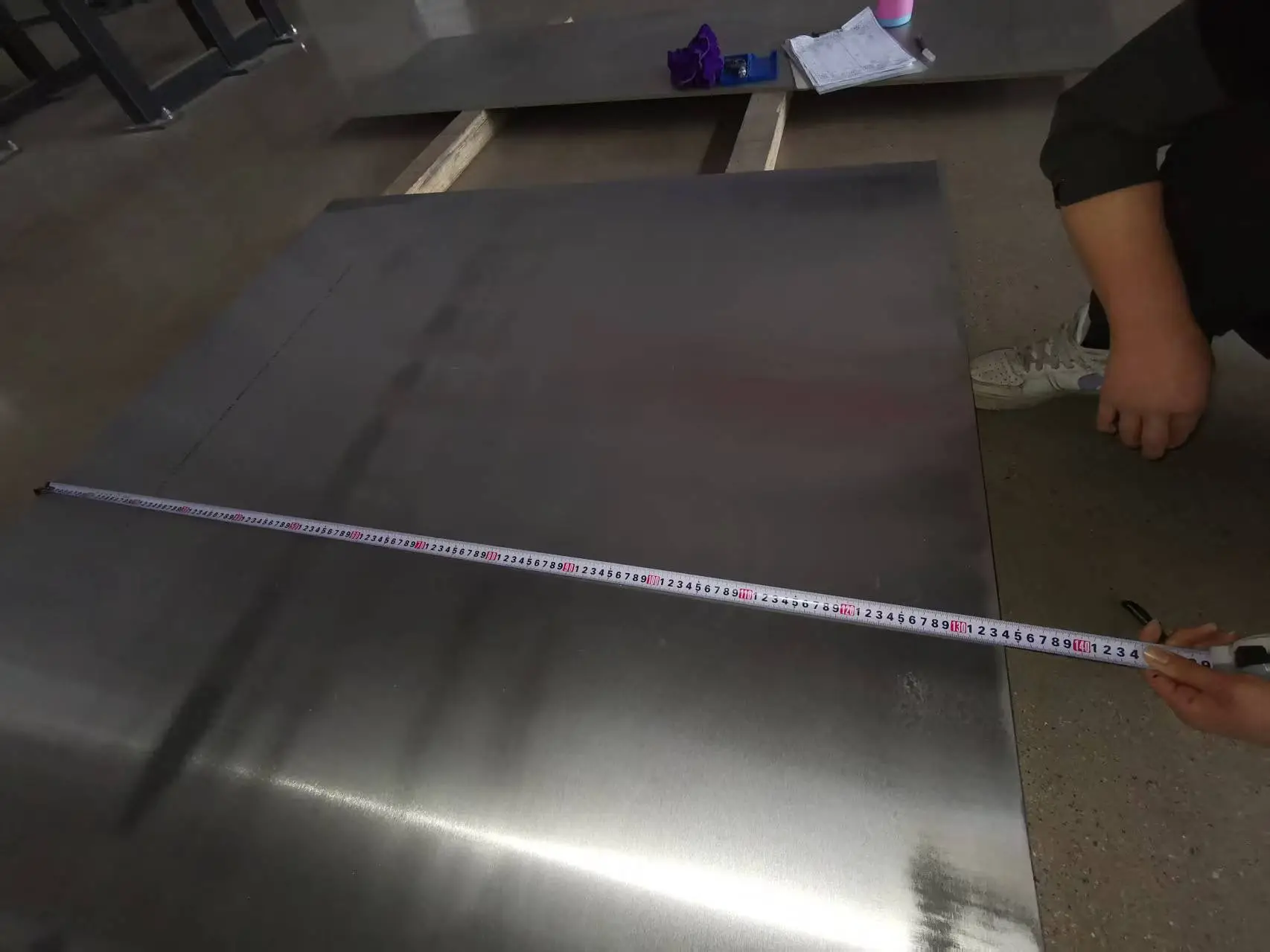
Understanding Inconel 690 Sheets: Composition and Key Properties
Inconel 690 is a high-quality nickel-chromium-iron superalloy that was made for the toughest industrial uses. About 60% of this high-performance material is nickel, 30% is chromium, and 10% is iron. The proportions are carefully matched to make a material that is very durable in harsh conditions. The high chromium level makes it possible for an ultra-stable passive oxide film to form, which protects better against a wide range of harmful substances.
Chemical Composition and Microstructural Advantages
This superalloy is very good at metalworking because it has exact alloying elements that work together to make it stronger. The high nickel content makes sure that the metal has good mechanical qualities at high temperatures. The chromium makes an oxide layer that sticks to the metal and stops both rust and corrosion. Adding iron to a metal makes it more structurally stable and makes it easier to weld.
Through managed grain structure growth, modern heat treatment methods improve these natural qualities of Inconel 690 sheet. Solution annealing at 1050°C followed by rapid cooling gets rid of dangerous carbides and makes the material more resistant to rust. This heat treatment makes a lattice that is uniform, which increases both mechanical strength and chemical protection.
Thermal Stability and High-Temperature Performance
This nickel-chromium metal is perfect for high-temperature uses because it is very stable at high temperatures. In contrast to other stainless steels, it keeps its good mechanical qualities and resistance to rusting at temperatures up to 1000°C. The metal doesn't let carbides form and stays flexible even after being exposed to high temperatures for a long time.
These temperature properties are especially useful for nuclear power uses. This material is very good at keeping steam engine parts from main water stress corrosion cracking, which is a major failure mode that affects other nickel-based alloys. The special mechanical structure of the material makes it resistant to this way of breaking down.
Why Polishing Increases the Longevity of Inconel 690 Sheets
Finishing the surface is an important part of making nickel-chromium superalloy parts last as long as possible. The cleaning process changes the surface properties of the material in a way that makes it much more resistant to rust and better at its job as a building material. Knowing about these processes helps people who work in procurement make smart choices about where to spend in surface treatment.
Elimination of Surface Defects and Stress Concentrations
Polishing gets rid of tiny flaws on the surface that make them ideal places for rust to start and cracks to spread. Standard mill-finished surfaces have a lot of tiny cracks, tool marks, and differences in hardness that make the material less protected. These rough spots on the surface cause localized stress concentrations that speed up wear failure when the load is applied in cycles.
Through a process of gradual surface improvement, mechanical polishing gets rid of these flaws over time. Each step of polishing smooths out the surface and gets rid of any damaged layers, showing the perfect material below. This process makes the surface topography more regular, which spreads mechanical loads more evenly across the part.
Enhanced Corrosion Resistance Through Surface Optimization
Polished surfaces are more resistant to rust than standard finishes because they form and keep passive films better. The smooth surface structure, including on Inconel 690 sheet, lets the oxide layer form evenly, so there are no weak spots where acidic species could get in. Better passivation like this gives great defense against harsh chemical conditions.
There is measurable improvement in rust protection for polished components based on real-world performance data. Chemical processing plants that use polished nickel-chromium alloy sheets say that they need to do repair less often and change parts less often. The total cost of ownership for important applications goes down because of these operating benefits.
Improved Fatigue Life and Mechanical Durability
Surface polishing processes make a big difference in how well superalloy parts handle wear. Smooth surfaces get rid of the stress concentration factors that cause fatigue cracks when the load is applied and removed over and over again. This improvement is especially important in situations where the temperature changes, the machine shakes, or the pressure changes.
Studies in engineering show that polished parts have wear lives that are 200 to 300 percent longer than standard mill-finished ones. Aerospace uses this speed edge to make sure that turbine parts and structural elements meet very strict durability standards. The longer mechanical life lowers the cost of upkeep and raises the practical safety margins.
Comparing Polished Inconel 690 Sheets with Other Materials and Finishes
When deciding which materials to use, it's important to look at their performance, cost, and how they will be used in the long run. Polished nickel-chromium superalloy sheets are clearly better than other materials and surface processes, especially in tough industrial settings where dependability is very important.
Performance Comparison with Alternative Superalloys
Polished Inconel 690 is better at resisting stress corrosion cracking than other high-performance metals like Inconel 600, Monel, or titanium alloys. This higher resistance is especially useful in the nuclear business, where main water environments can quickly break down less resistant materials.
Even though Inconel 600 has a similar base makeup, it does not have the right amount of chromium to make it more resistant to rust. When used in ocean, monel metals work great, but the nickel-chromium-iron system is better at handling high temperatures. While titanium metals are very strong for their weight, they can gall and fret when used in certain situations.
Total Cost of Ownership Analysis
An economic analysis shows that finished Inconel 690 superalloy sheets have a good total cost of ownership, even though they cost more to buy at first. Increasing dependability, extending service life, and lowering the need for upkeep all add up to strong economic benefits. Chemical processing plants say that switching to polished Inconel 690 parts cuts upkeep costs by more than 40%.
Usually, the cost of cleaning is recouped by longer component life in the first repair cycle. There are more economic benefits to having less downtime for repair tasks, especially in continuous process operations where production stops cost a lot. Because of these things, polished materials are good for long-term uses that need to be very reliable.
Regulatory Compliance and Certification Advantages
In businesses with a lot of rules, polished parts often make it easier to follow the rules. Polished surfaces are easier to clean, which meets strict hygiene standards in pharmacy and food industry settings. Better decontamination tools lower radiation exposure during upkeep tasks, which is good for nuclear uses.
Certification methods for finished materials follow set standards, which makes sure that all of the materials can be tracked and meet industry standards. The ASTM B443 and ASME SB443 standards allow for different surface finishes. This means that polished parts can meet the same high standards as standard finishes while also performing better.
Practical Applications and Procurement Considerations for Polished Inconel 690 Sheets
These polished nickel-chromium superalloy sheets are used in many industries where the need for reliable materials and compliance with regulations is essential. When procurement workers understand these application contexts, they can improve their sourcing tactics and show that investments in surface treatment are worth making.
Nuclear Power and Steam Generation Applications
Polished superalloy parts are used a lot in nuclear power plants for things like steam generator tubes and reactor internals. Polished surfaces offer important safety margins in main water settings because they are less likely to crack or stress corrosion. Materials used in these situations need to be able to keep their purity over long periods of time and still meet strict nuclear quality standards.
For jobs like replacing a steam engine, polished tubing is especially helpful. The better resistance to rust increases the useful life, which means that expensive replacements are needed less often. When nuclear workers use polished parts instead of normal mill-finished ones, the service life is extended by 25 to 40 percent.
Chemical Processing and Petrochemical Industries
Materials that are processed chemically are exposed to harsh acidic media that can break down even the strongest metals. It is better for polished surfaces to be protected against mixed acid environments, high-temperature oxidation conditions, and stress corrosion cracking processes. These advantages are very useful in reforming tubes, heat exchanges, and parts of reaction vessels.
Using polished parts in petrochemical plants that work with toxic feedstocks helps keep the plants running continuously and reduces the need for unplanned repair. The better surface finish makes cleaning easier, which lowers the risk of contamination and raises the quality of the product. These practical benefits, like higher output and lower maintenance costs, make up for the higher costs of surface treatment.
Marine and Offshore Engineering Requirements
Marine settings are very difficult because of the saltwater, changing temperatures, and mechanical pressures. Polished Inconel 690 sheet nickel-chromium metal parts work better in heat exchanges that use seawater to cool them and on offshore platforms. The better resistance to rust is especially useful in splash zone uses, where regular materials break down quickly.
Because cleaned parts are more reliable, they are useful for offshore oil and gas activities. Marine environments are very harsh, so materials need to be able to hold up for long amounts of time with little upkeep. The toughness needed for these tough jobs is provided by polished surfaces.
Procurement Best Practices and Supplier Selection
To get finished superalloy sheets, you need to pay close attention to what the suppliers can do, how they handle quality, and when they deliver. Leading providers have thorough quality control programs that make sure the surface finish quality and accuracy of the measurements are always the same. Full chemical analysis, mechanical properties, and surface finish proof must be part of material certificates.
Here are the most important things to think about when buying polished nickel-chromium metal sheets:
- Supplier Quality Systems: Check to see if the supplier has ISO 9001 approval and that the nuclear quality program is being followed, if necessary. Go over the steps in the quality guidebook for finishing the surface and the rules for inspections.
- Material Certification Requirements: Make sure that the material test reports are full and include measures of the surface finish, chemical makeup, and mechanical qualities. Third-party inspections add another layer of quality guarantee.
- Lead Time Management: Take into account the extra time that finishing processes will take to process. Standard wait times are between 10 and 25 days, but they can be longer or shorter based on the needs and amount.
- Customization Capabilities: Find out if the provider can meet your unique needs for size, finish, and packing.
These buying habits make sure that the supply chain works well and that the standard of the materials stays the same. Long-term relationships with qualified providers offer extra benefits, such as priority scheduling, technical support, and services for managing supplies.
TSM Technology has three dedicated facilities that run eight production lines with more than 100 specialized tools. These facilities serve TSM Technology's complex procurement needs. The monthly production capacity of 300 tons guarantees a steady supply for big projects while still allowing for special orders. Full approval of the material, including MTC and SGS test results, gives the necessary proof for important uses.
Conclusion
Nickel-chromium superalloy sheets, such as Inconel 690 sheet, that have been polished last longer because they have a more stable surface, are less likely to rust, and have better mechanical performance. The cleaning process gets rid of surface flaws that hurt the performance of the material and creates perfect conditions for a stable passive film to form. Because of these benefits, the service life gets longer, repair needs go down, and operating efficiency gets better in challenging industrial settings. Professionals in procurement can choose better materials for important jobs that need to last a long time and follow all the rules by knowing about these performance advantages.
FAQ
1. What lead times should I expect for polished nickel-chromium superalloy sheets?
Standard wait times for polished parts are between 10 and 25 days, but they can be longer or shorter based on the specifications, the quantity, and the current production plan. Delivery times may be longer if you need custom sizes or a certain surface finish. Setting up blanket orders or keeping consignment goods on hand can help keep wait times as low as possible for important uses.
2. How does polishing affect material certifications and quality standards?
The qualities of the material or the certification standards do not change when it is polished. All three standards—ASTM B443, ASME SB443, and EN 10095—allow for different types of surface finishes, such as smooth ones. Material test certificates are still current and have details on how the surface was finished. For surface treatment methods used in nuclear uses, you may need to provide more information.
3. Can small quantities of polished sheets be ordered for prototype applications?
Most providers can handle small orders for testing and prototype purposes. Different suppliers have different minimum order amounts, but most start at 500 to 1000 pounds. For special needs, you may be able to get cleaning services that are made just for you. Getting suppliers involved early on in development projects helps improve specs and delivery times.
4. What surface finish specifications should I specify for polished components?
What kind of surface finish is needed depends on the purpose and performance goals. Most standard glossy surfaces get at least 32 microinch Ra. For important uses, mirror finishes with Ra values of 8 to 16 microinches may be needed. Talk to providers to find the best surface finish specs for your needs in terms of cost and performance.
Contact TSM Technology for Premium Polished Inconel 690 Sheet Solutions
TSM Technology provides top-notch polished nickel-chromium superalloy options that are made to meet the strict needs of the marine, nuclear, aircraft, and chemical processing industries. Our three state-of-the-art factories, each with eight production lines and more than 100 specialized tools, allow us to make sure that quality is always high and that we meet all of our delivery dates. As a top provider of Inconel 690 sheets, we strictly follow the ASTM B443, ASME SB443, and EN 10095 standards and provide full material approval and traceability paperwork. Our experienced engineering team works with clients to find the best specs and create custom solutions that improve operating performance and lower the total cost of ownership. Get in touch with our technical experts at Info@tsmnialloy.com right away to talk about your needs and find out how our finished superalloy sheets can help your application work better.
References
1. Davis, J.R. "Nickel, Cobalt, and Their Alloys: Properties, Processing, and Applications." ASM International Handbook Series, Materials Park, OH, 2000.
2. Rebak, R.B. "Alloy 690 - An Important Structural Material for Nuclear Power Applications." Materials Science Forum, Volume 595-598, 2008.
3. Andresen, P.L. and Morra, M.M. "Stress Corrosion Cracking of Stainless Steels and Nickel Alloys in High-Temperature Water." Corrosion Journal, Volume 64, Issue 1, 2008.
4. Staehle, R.W. and Gorman, J.A. "Quantitative Assessment of Submodes of SCC and Damage in Operating PWR Steam Generators." Proceedings of International Conference on Nuclear Engineering, 2004.
5. Persaud, S.Y. and Newman, R.C. "The Effect of Surface Finish on Environmental Degradation of Nickel-Based Alloys." Metallurgical and Materials Transactions, Volume 48A, 2017.
6. Burke, M.G. and Lehockey, E.M. "Microstructure and Surface Analysis of Alloy 690 Steam Generator Tubing." Materials Characterization Journal, Volume 51, Issues 2-3, 2003.
Learn about our latest products and discounts through SMS or email