- English
- French
- German
- Portuguese
- Spanish
- Russian
- Japanese
- Korean
- Arabic
- Greek
- German
- Turkish
- Italian
- Danish
- Romanian
- Indonesian
- Czech
- Afrikaans
- Swedish
- Polish
- Basque
- Catalan
- Esperanto
- Hindi
- Lao
- Albanian
- Amharic
- Armenian
- Azerbaijani
- Belarusian
- Bengali
- Bosnian
- Bulgarian
- Cebuano
- Chichewa
- Corsican
- Croatian
- Dutch
- Estonian
- Filipino
- Finnish
- Frisian
- Galician
- Georgian
- Gujarati
- Haitian
- Hausa
- Hawaiian
- Hebrew
- Hmong
- Hungarian
- Icelandic
- Igbo
- Javanese
- Kannada
- Kazakh
- Khmer
- Kurdish
- Kyrgyz
- Latin
- Latvian
- Lithuanian
- Luxembou..
- Macedonian
- Malagasy
- Malay
- Malayalam
- Maltese
- Maori
- Marathi
- Mongolian
- Burmese
- Nepali
- Norwegian
- Pashto
- Persian
- Punjabi
- Serbian
- Sesotho
- Sinhala
- Slovak
- Slovenian
- Somali
- Samoan
- Scots Gaelic
- Shona
- Sindhi
- Sundanese
- Swahili
- Tajik
- Tamil
- Telugu
- Thai
- Ukrainian
- Urdu
- Uzbek
- Vietnamese
- Welsh
- Xhosa
- Yiddish
- Yoruba
- Zulu
When and Why to Choose Inconel X-750 for High-Temperature Applications?
When you need exceptional strength retention above 1200°F along with great stress-rupture qualities, you must use Inconel X-750 tube for high-temperature uses. This nickel-chromium metal can strengthen through precipitation and is great for parts of aircraft turbines, nuclear reactor springs, and petroleum processing equipment that are exposed to high temperatures and toxic conditions for long periods of time. Standard stainless steels lose their strength quickly at high temperatures, but Inconel X-750 keeps its structure stable and doesn't oxidise or bend over time. This makes it the best choice for mission-critical uses where failure is not an option.
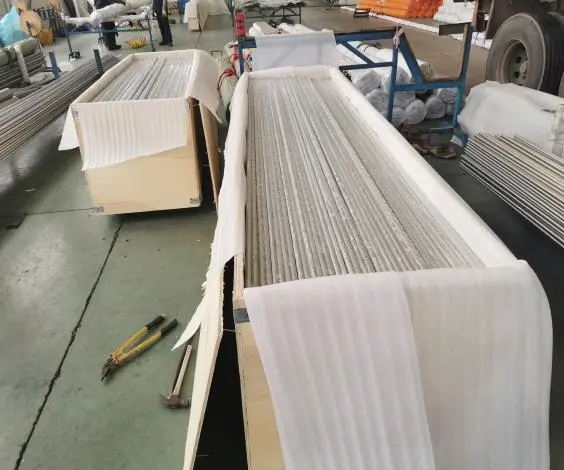
Understanding the Unique Properties of Inconel X-750 Tubes
Chemical Composition and Metallurgical Design
The performance properties of Inconel X-750 come from the way its chemicals are carefully adjusted. As the main element, nickel makes up about 70% of the metal. This gives it natural resistance to rust and steadiness at high temperatures. About 15% chromium makes an oxide layer that protects the material from conditions that are oxidising or reducing. About 7% of the makeup is iron, which helps to improve the solid solution while keeping the cost low compared to more complex metal systems.
The carefully controlled amounts of aluminium and titanium added to this material make it different from simpler nickel-chromium alloys. During heat treatment, these elements cause gamma prime (Ni3[Al,Ti]) precipitates to form, which allows precipitation hardening to happen. This device is very strong at high temperatures while still being flexible enough to be easily built and put together.
Mechanical Performance Under Extreme Conditions
The range of temperatures that high-temperature metals can be used at determines their working area. This material's useful strength qualities stay the same up to 1300°F, and in some cases they can go up to 1500°F for short periods of time. The alloy's tensile strength ranges from 140 ksi to 185 ksi, based on how it was heated. This is much higher than the tensile strength of regular stainless steels at the same temperatures.
The stress-rupture qualities are very important in situations where the material is loaded continuously at high temperatures. The gamma prime precipitates stop dislocations from moving, which stops the creep displacement that changes the size of the material and eventually leads to failure. Test results show that rupture lives are longer than 1000 hours at 1200°F, which is under forces that would cause non-precipitation-hardened metals to fail quickly.
In active situations like turbine parts and rotating tools, fatigue resistance is another important issue to consider. Cracks can't start because of the small grain structure that can be achieved through controlled processing and heat treatment. Also, cracks can't spread very quickly because the matrix is tough and full of nickel. These traits directly lead to longer service intervals and higher dependability in situations with repeated loads.
Corrosion and Oxidation Resistance
The protective chromium oxide film that forms on the surface makes it resistant to oxidising conditions that are common in chemical processes and burning systems. This oxide stays steady and sticks to the material throughout its working temperature range. This stops the catastrophic scaling that shortens the life of lower-alloy materials.
Stress-corrosion cracking resistance is very important in situations where chloride is present or where there is a lot of stress in an acidic medium. The high nickel content makes it naturally resistant to cracking caused by chloride, which happens a lot in settings like this where austenitic stainless steels are used. This property is especially useful for marine and remote uses, where saltwater contact is a constant threat to structure stability.
The metal in Inconel X-750 tube is also resistant to sulfidation and carburisation, two types of breakdown that happen a lot in the power production and petroleum industries. This multifaceted resistance to rust means that protective coats or complicated tools for tracking corrosion are not needed, which makes upkeep easier.
When to Choose Inconel X-750 over Other High-Temperature Alloys?
Comparative Analysis with Alternative Materials
To choose the right material, you need to know how different metals work in a number of different situations. When compared to Inconel 600, X-750 has a lot more strength thanks to precipitation hardening, which makes it better for parts that are under a lot of stress. Inconel 600 is very good at resisting rust, but it doesn't keep its strength well enough for structural uses above 1000°F.
When you compare it to Inconel 718, you can see that the working temperature ranges are very different. At temperatures between 410°F and 1200°F, 718 is stronger than X-750, but X-750 is better at resisting rust and stress fractures at higher temperatures. When performance needs to be maintained above 1200°F, X-750 is usually the best choice. On the other hand, 718 is the best choice when full strength is needed between 900°F and 1200°F.
Stainless steel options like 310 or 321 types are cheaper at first, but they don't work as well. These materials lose their strength quickly above 1000°F and aren't very good at stopping creep, so they need to be replaced more often and for shorter periods of time. Lifecycle cost analysis usually favours precipitation-hardened nickel alloys, even though they cost more to make at first.
Hastelloy grades work really well in chemical conditions that are very acidic, but they usually can't match the mechanical qualities of metals that have been strengthened by precipitation. Applications that need both high strength and excellent corrosion resistance are the main ones that use X-750. On the other hand, applications that only need corrosion resistance might be better off with Hastelloy.
Industry-Specific Application Scenarios
Materials for aerospace turbine engines need to be able to handle large differences in temperature, high rotating pressures, and exposure to burning gases. Using Inconel X-750 tube stock to make turbine blade supports, cases, and bolts gives them the strength and rust protection they need to work reliably across a wide range of flight profiles. The fact that the material has been used in jet engines shows that it can work in the harshest conditions.
This metal is used a lot in nuclear power plants for structural parts like bolts, springs, and reactor vessels. The material keeps its mechanical features even when exposed to neutrons, and it doesn't rust in water and steam at high temperatures. Regulations and a lot of qualification tests have made X-750 a common material in nuclear uses. This gives buying teams trust in the material's performance and the certification paths.
The mix of strength and rust resistance is good for petrochemical manufacturing equipment like heat exchanger tubes, valve parts, and pump shafts. Catalytic reformers, hydrotreaters, and other high-temperature process units make places where materials break down in ways that affect the safety and efficiency of production. When superalloys are chosen correctly, they can be serviced more often, which cuts down on unplanned downtime and maintenance costs.
Marine gas engines and offshore platform tools have to work in harsh conditions with high temperatures, saltwater, and shifting loads. The faster decline that happens with regular materials in marine settings is stopped by parts made from corrosion-resistant nickel metals. This makes equipment last longer and makes it easier to do repairs abroad.
Practical Insights into Heat Treatment and Performance Optimization
Precipitation Hardening Mechanisms
Solution annealing for Inconel X-750 tube at temperatures between 1800°F and 1950°F breaks down precipitates into solid solutions. This makes the microstructure uniform and flexible to the fullest extent. Forming, welding, and cutting can go ahead with little trouble when this state is present. Solution annealing is usually done before processing on parts that need to be made from scratch.
Ageing heat treatments release gamma prime particles that make things stronger. Heating to 1300°F for 20 hours is the usual ageing routine. This gives the best mix of strength and flexibility for most uses. Different ageing conditions can change the qualities to fit specific needs. For example, higher temperatures make the precipitates rougher and more flexible, while lower temperatures make the precipitates smaller and stronger.
Double ageing methods that expose the samples one after the other to different temperatures improve the size distribution of the precipitates for certain property pairs. These advanced heat treatment methods are used on aircraft parts where the need to improve performance supports the extra processing costs.
Microstructural Control and Performance Prediction
Strength and flexibility are both affected by the size of the grains. In general, smaller grains give higher yield strength and better wear resistance. Controlled handling keeps the grain size within certain ranges, which makes sure that all output lots have the same mechanical traits. Metallographic analysis checks that the grain structure meets the requirements for important uses.
The shape and spread of the precipitate directly affect its strength and resistance to creep at high temperatures. Even spread of precipitates within the grain structure ensures stable qualities. On the other hand, areas without precipitates close to grain boundaries can shorten the time it takes for the structure to break under stress. When heat treatment is done correctly, harmful microstructures that hurt performance are avoided.
When engineers understand these metallurgy principles, they can predict how materials will behave in service and choose the right heat treatment conditions for their needs. We offer expert advice to help customers make the best choices for heat treatment based on their individual needs.
How to Procure Reliable Inconel X-750 Tubes: Suppliers and Brand Considerations?
Evaluating Supplier Capabilities and Quality Systems
Not only does supplier selection look at the abundance of materials, but it also looks at quality control systems, expert help skills, and the dependability of the supply chain. Companies that have been around for a while use strict process controls and testing methods to make sure that the qualities of the materials are always the same. As a minimum, these quality systems need to be certified to ISO 9001. For aircraft and nuclear uses, they need extra certifications like AS9100 or NQA-1.
Material tracking systems keep track of the whole production process, from getting the raw materials to shipping the finished product. This creates a chain of paperwork that helps customer quality programs. For each output lot, full mill test records show the chemical make-up, mechanical qualities, and heat treatment certificates. This paperwork lets customers make sure that the materials meet the requirements and keep records for regulatory checks.
Suppliers who partner in application creation for Inconel X-750 tube are different from those who just send materials because they offer technical help. Technical teams with a lot of experience help customers choose the best metal types, heat treatment conditions, and product shapes for their needs. Having access to metallurgy knowledge and uses engineering help makes the material more valuable.
Balancing Cost, Quality, and Delivery Requirements
Different providers have different pricing systems that depend on the size of the order, the specifics needed, and the delivery date. By making production more efficient and cutting down on management costs, volume agreements usually lead to better prices. Learning about how suppliers set their prices helps procurement teams place orders that meet project needs and save money at the same time.
Customisation lets providers give customers material that is made exactly how they want it, instead of making designs work with standard goods. Custom tube sizes, special heat treatments, and extra testing services can help you make the best designs, but they may make wait times longer and change the price. Procurement choices are based on figuring out if customisation offers enough value compared to standard goods.
Dependability in delivery affects both project plans and the cost of keeping goods on hand. Suppliers who consistently deliver on time cut down on the need for backup stock and the costs of speeding. Our dedication to on-time delivery comes from having strong relationships with our suppliers and being proactive with our supply chain management, which looks ahead to possible problems.
Certification Verification and Risk Mitigation
Authentication of material certifications keep you safe from fake materials that could be unsafe or not work properly. Some of the steps used for verification are making sure that the certifications match the given material by comparing the heat numbers, making sure that test results match the requirements of the specifications, and, if necessary for important uses, doing independent testing.
Supplier checks show how well quality control systems work and what kinds of things can be made. By going to production sites and looking over quality records, you can gain faith in your suppliers' abilities and spot possible problems before they affect your supply. As part of their supplier management plans, many customers do regular checks of their most important vendors.
Multiple buying methods make the supply chain less vulnerable by finding other providers of important products that meet certain criteria. Maintaining ties with suppliers costs money, but the peace of mind that comes from knowing that supplies won't be interrupted makes this method worth it for materials used in ongoing production. We help our customers make backup supply plans that balance the security of having enough supplies with the difficulty of handling relationships with many suppliers.
Conclusion
When strength retention above 1200°F, stress-rupture resistance, and multifaceted corrosion protection are important, choosing Inconel X-750 tube for high-temperature uses is the best choice. The nickel-chromium metal that has been strengthened by precipitation works well in harsh service settings in the aircraft, power generation, petroleum, and marine industries. When engineering teams know about a material's special features, when it should be used, and how to buy it, they can make decisions that improve the project's overall performance and cost-effectiveness. Working with experienced providers who offer high-quality materials, full certifications, and expert support is the only way to make sure that important uses, where the dependability of materials directly affects safety and operating success, are carried out successfully.
FAQ
How hot or cold can Inconel X-750 stay for a long time?
This precipitation-hardened metal keeps its useful mechanical qualities for long-term use at up to 1300°F and for short periods of time at up to 1500°F. The exact temperature limit is set by the amount of stress and the length of time the part needs to last. Parts that are under a lot of stress need to work at lower temperatures to make sure they don't creep, while parts that aren't under much stress can work at higher temperatures. Oxidation resistance works at all temperatures in this range, keeping the surface from breaking down, which shortens the life of the part.
What changes about mechanical features when they are heated?
Solution annealing makes the metal soft and malleable, which makes it good for shaping and bonding. After that, ageing and heat treatment create hardening stages that make the tensile strength and stress-rupture qualities much better. The normal ageing process, which takes 20 hours at 1300°F, gives the best mix of qualities for most uses, with tensile strengths above 150 ksi and enough flexibility.
What ASTM standards set the rules for procurement?
ASTM B453 covers seamless tubes and lists the basic standards for mechanical properties and size limits. ASTM B670 talks about goods that are bars and billets. These standards should be mentioned in material approvals, along with full evidence of chemical analysis, mechanical test results, and heat treatment. Specifications like AMS 5542 or AMS 5667, which set stricter standards, are often needed for aerospace uses.
Partner with TSM Technology for Premium Inconel X-750 Tube Supply
TSM Technology offers precisely designed Inconel X-750 tubes backed by a full range of certifications and 14 years of experience working with customers in the marine, petroleum, aircraft, and power generation industries around the world. As a company that only makes Inconel X-750 tubes, we have strict quality control systems in place. Before a product is shipped, professional testers check it against the specs. Since they started in 2011, our operations in Hong Kong have grown to meet the needs of precision engineering and machine shop users all over the world. As part of your quality assurance systems, each order comes with full mill approvals that can be tracked by heat number, measurement inspection reports, and material test documents. In addition to selling high-quality nickel alloys, we also offer expert advice to help you choose the best materials and heat treatments for your unique needs. You can talk to our materials research team at info@tsmnialloy.com about your needs, get full quotes, and look through our huge selection of high-temperature metals.
Reference
ASM International. (2002). ASM Specialty Handbook: Nickel, Cobalt, and Their Alloys. Materials Park, OH: ASM International.
Bradley, E. F. (1988). Superalloys: A Technical Guide. Materials Park, OH: ASM International.
Donachie, M. J., & Donachie, S. J. (2002). Superalloys: A Technical Guide, Second Edition. Materials Park, OH: ASM International.
ASTM International. (2019). ASTM B453-19: Standard Specification for Nickel-Iron-Chromium-Niobium Alloy Seamless Pipe and Tube. West Conshohocken, PA: ASTM International.
Special Metals Corporation. (2004). Inconel Alloy X-750 Technical Bulletin. Huntington, WV: Special Metals Corporation Publication.
Sims, C. T., Stoloff, N. S., & Hagel, W. C. (1987). Superalloys II: High-Temperature Materials for Aerospace and Industrial Power. New York: John Wiley & Sons.
Learn about our latest products and discounts through SMS or email